After wandering through the mountains and the metropolises (and rural backwaters) of Germanic Europe, I now find myself heading westward into The Benelux countries, France and Monaco.
This is one of the most densely packed corners of Europe, and it is a region steeped in art, history, revolution, and mouthwatering desserts.
Belgian waffles, anyone?
So where exactly are we going?
This next part of the journey will take me to five neighboring countries: The Netherlands, Luxembourg, Belgium, France, and the tiny but glamorous Monaco. Some of these are among the most influential cultural centers in the world. Others are small, but hopefully not without literary treasures of their own.
The Netherlands
First I will head to the country where 60% of the population lives five metres below sea level. Maybe that is why the men here are the tallest in the world?
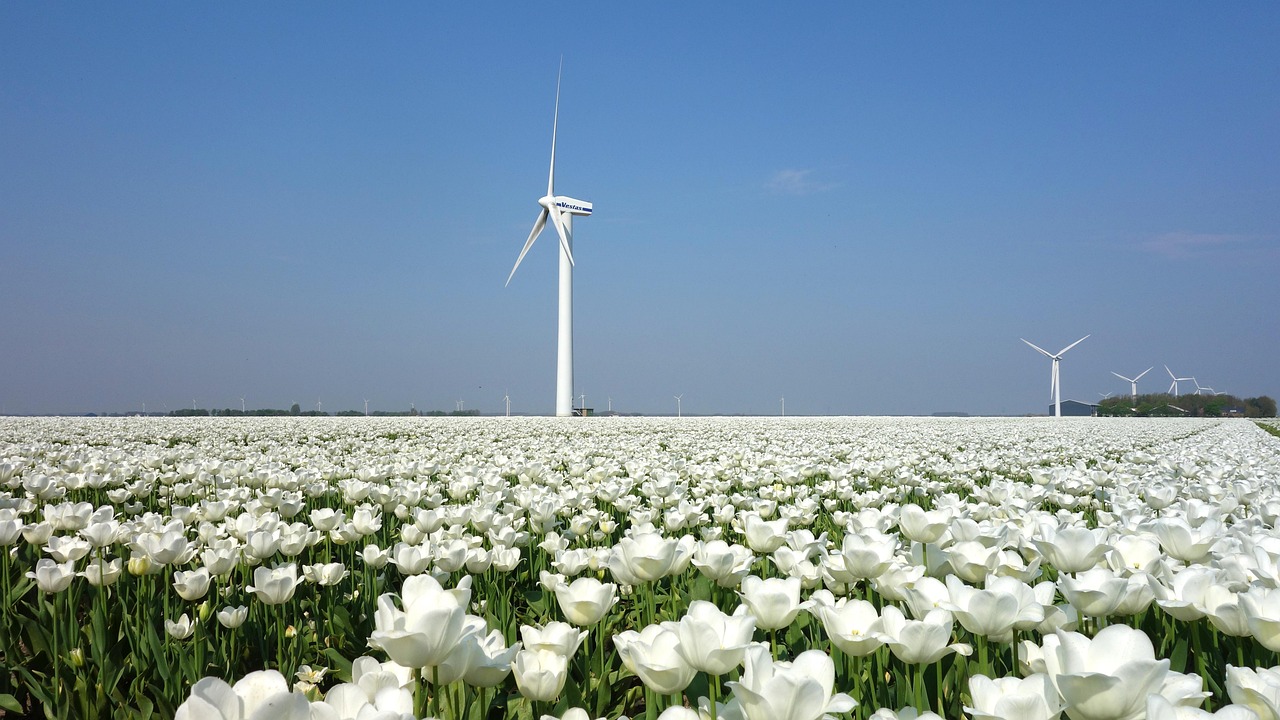
Famous for its tulips, its windmills, and the canals and 1200 bridges of Amsterdam, the Netherlands is also a place of progressive thinking and innovation. The country was a forerunner in decriminalizing and tolerating the sale of marijuana for personal use, and also the first country in the world to legalize same-sex marriages.
But as literature goes I have no idea what I’m in for. I can’t remember if I’ve ever read a novel by a Dutch author. I know I’ve read a few that have been set in Amsterdam, but not by Dutch authors. So I have no real sense of what Dutch literature is like, which makes this the perfect opportunity to find out.
Here are my suggestions for the Netherlands.
Luxembourg
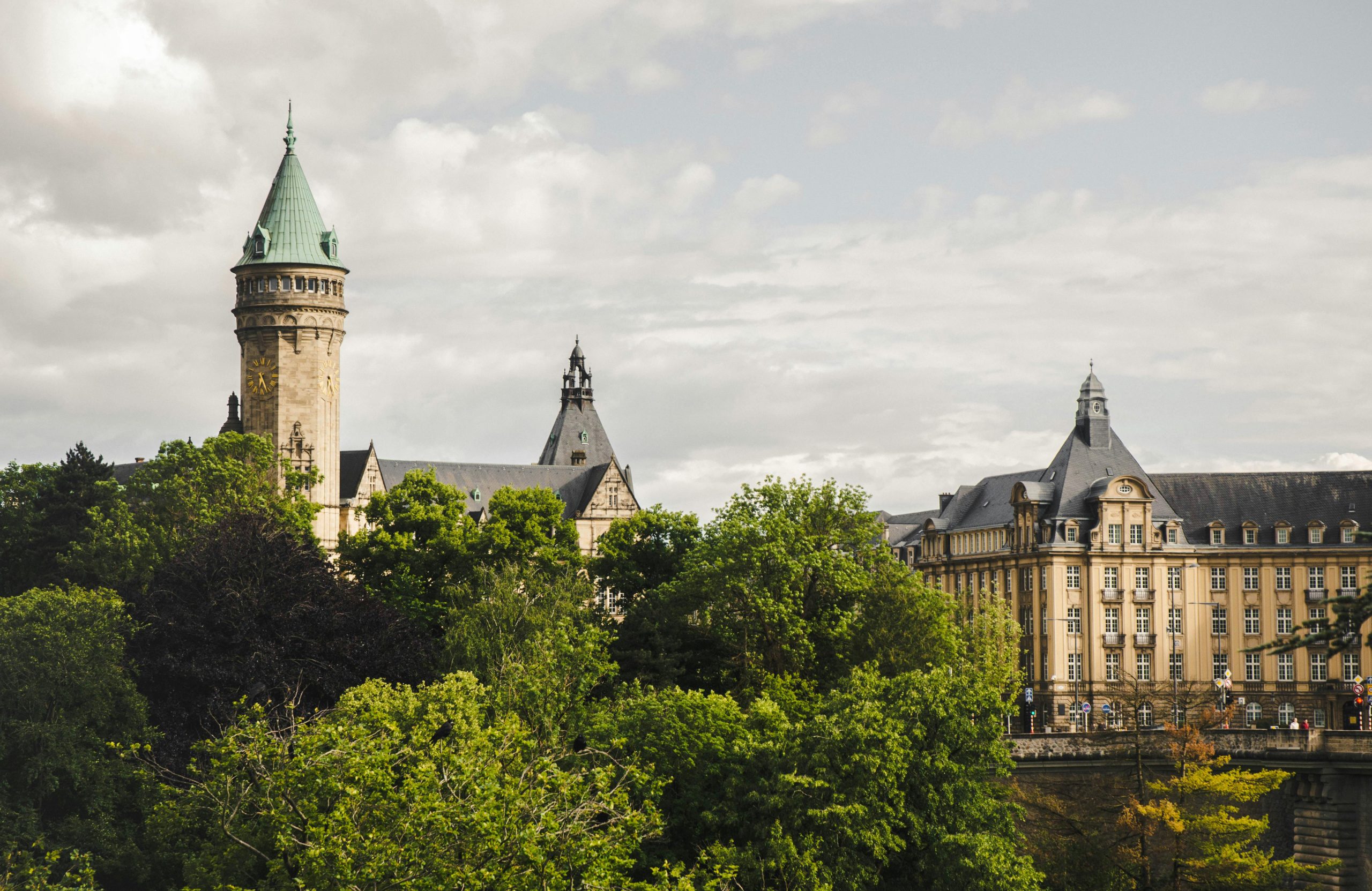
Next I’ll head to one of the smallest and richest countries in the world. The Grand Duchy of Luxembourg is a country with three official languages: French, German, and Lëtzebeurgesch or Luxembourgish, and only around 650,000 inhabitants, where foreignors account for more than 70% of the population.
Sandwiched between Belgium, Germany, and France, Luxembourg blends all three cultures, with a long history of being pulled in different directions.
Here are the books I considered for Luxembourg.
Belgium
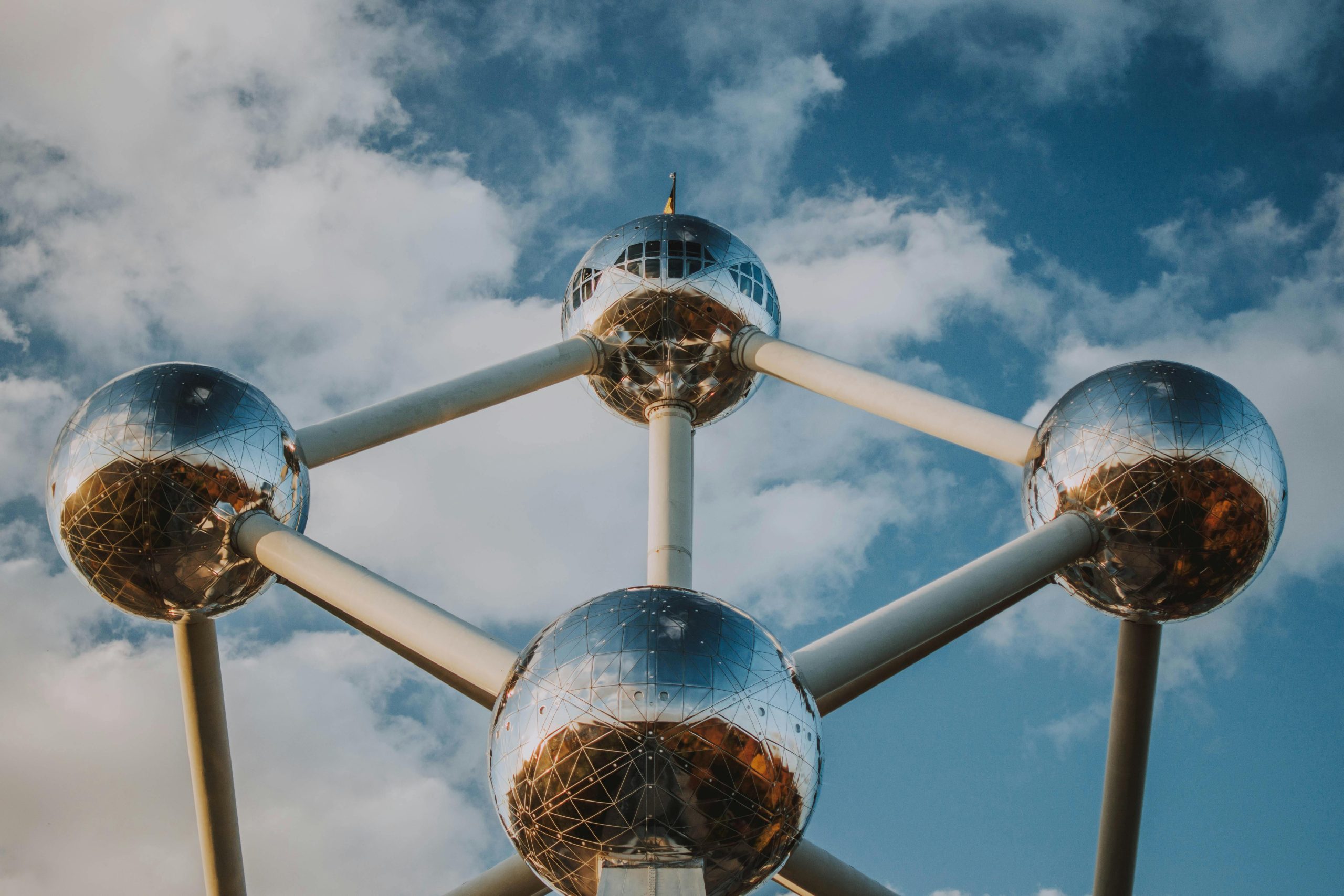
Belgium is famously the land of waffles and beer, but did you know that it is also the country that gave us classic comics like the Smurfs, Lucky Luke and Tintin? Can I get away with counting The Smurfs as my read for Belgium? Because I did have an entire collection of the small blue figurines as a kid.
It is a country with a deeply complex national identity, with a linguistic and cultural divide between the Dutch-speaking Flemish in the north and the French-speaking Walloons in the south. And the capital, Brussels, is the de facto headquarters of the European Union.
I’ve never read a Belgian novel before and have no real idea what to expect, but my research until now have already uncovered some pretty wild choices.
Here are my suggestions from Belgium.
Monaco
Ready for some Glitz and Glamour on the Coast?
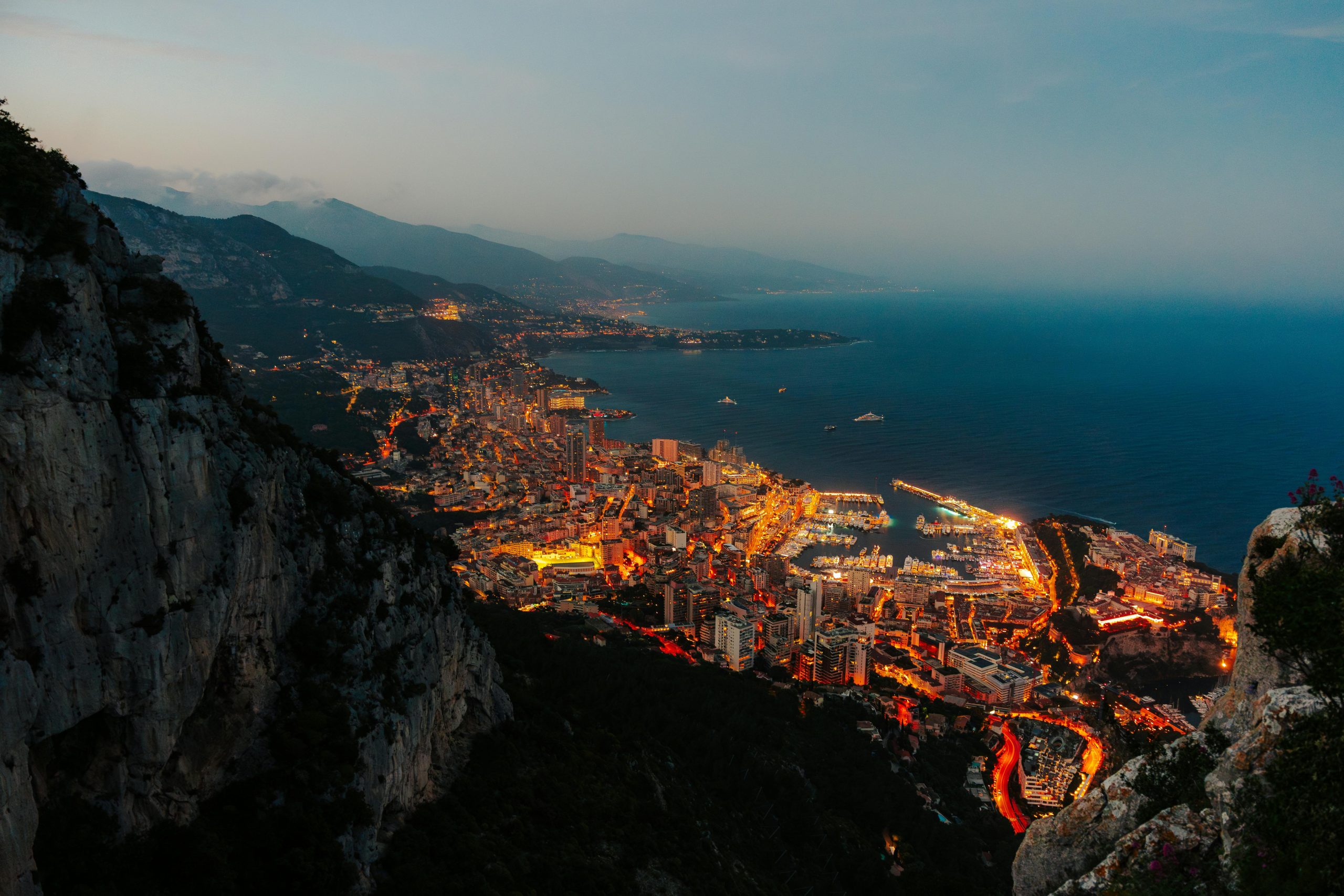
After Belgium I’ll jump to another one of Europe’s tiniest nations. Monaco is a miniscule principality wedged in on the French Riviera, best known for its luxury lifestyle, casinos, Formula 1 Grand Prix, and a royal family that once included Grace Kelly.
Finding literature written by a native author will certainly be a challenge, but I’ll do my best to find something interesting. We might have to settle for something written by an outsider. Or I might even have to count this one as Monaco, because it did actually have a few chapters set there.
France
Saving the giant for last.
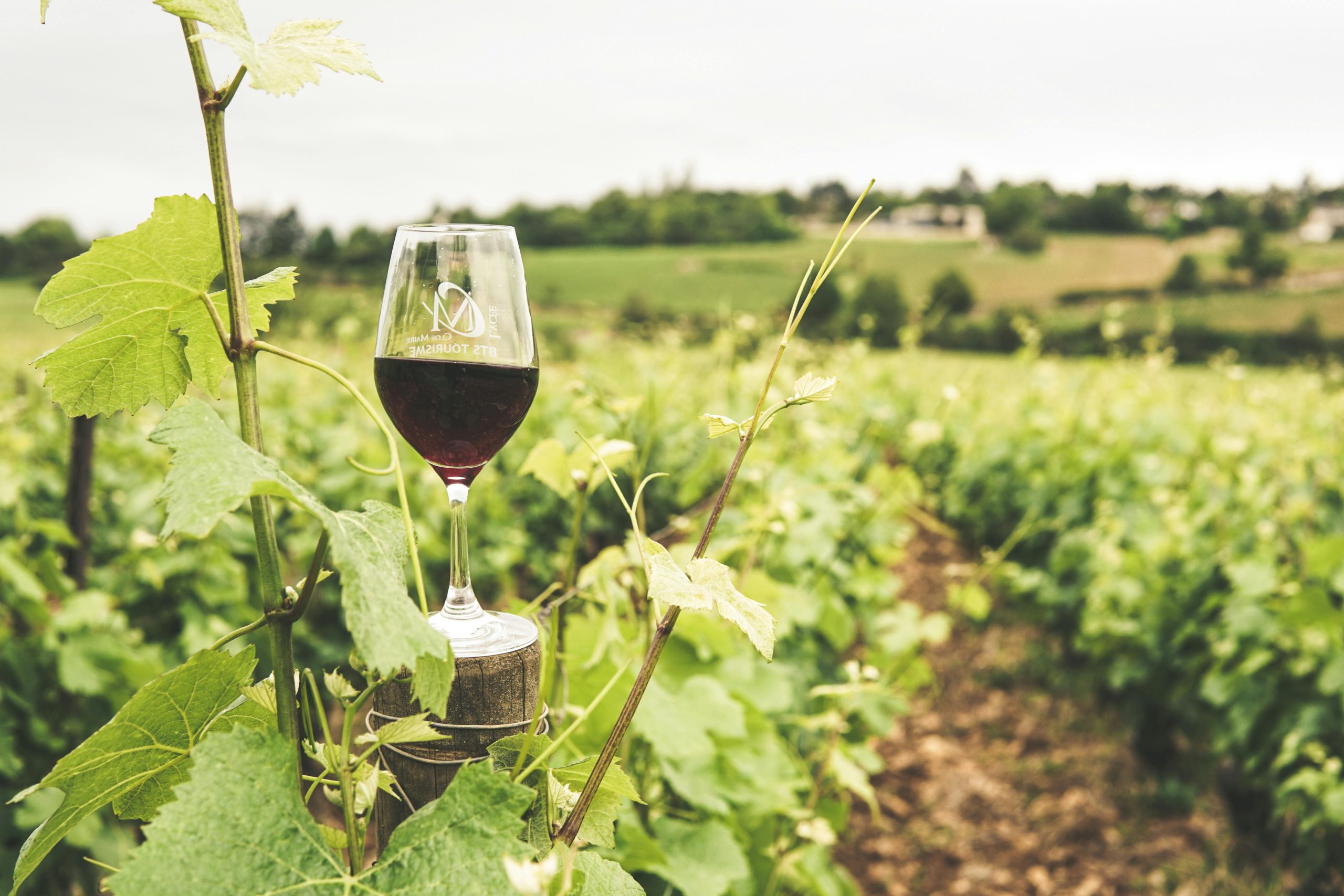
I’ll end my journey through western Europe with France. A country that hardly needs an introduction. France is the land of croissants and café terraces, but also of revolutions, both political and literary. It has given the world towering literary figures like Victor Hugo, Simone de Beauvoir, and Albert Camus, and it’s impossible to think of modern literature without considering France’s influence.
Like many I have a long list of French classics on my must-read list, but embarassingly I have never actually read many of them. I read a few modern french novels, and I watched the Les Misérables musical just a few months ago, but never read Victor Hugo’s story. Maybe this is the time?
I’m also considering if I should do a short stop on the French island of Corsica, which might have a literary tradition separate from France? We shall see what I uncover.
A very brief history of the region
This region of Western Europe has seen kingdoms rise, revolutions spark, empires expand and collapse. France, the Netherlands, Belgium, Luxembourg, and Monaco may be close neighbors, but each has followed its own winding and sometimes turbulent historical path.
From Empire to Revolution
We could start as far back as the Roman Empire, which controlled Gaul (modern-day France), parts of the Low Countries, and the southern coast where Monaco now sits. After Rome’s collapse, Frankish and Burgundian kingdoms took over, eventually giving rise to Charlemagne’s Holy Roman Empire, which laid the foundation for both French and German-speaking Europe.
France gradually emerged as a dominant power. The Hundred Years’ War, the Wars of Religion, and the rise of absolute monarchy under Louis XIV all helped shape France’s centralised identity. The French Revolution in 1789 swept away centuries of monarchy, established the ideals of liberty and secularism, and inspired both hope and terror throughout Europe. Napoleon Bonaparte rose from this chaos, built a massive empire, and then lost it all, but not before redrawing the map of Europe and changing the course of history.
Golden Ages and Lingering Shadows
Meanwhile, the Netherlands had taken a different path. After declaring independence from Spanish rule in the late 1500s, it entered a Golden Age in the 17th century. The Dutch Republic became a global naval and trading power, sending ships around the world and producing a flourishing of science, philosophy, and art. Amsterdam became a hub of commerce and culture — and a refuge for religious dissenters and thinkers. But like all empires, the Dutch one also left scars, particularly through its role in the transatlantic slave trade and colonial rule in places like Indonesia and Suriname.
Belgium split from the Netherlands in 1830 and formed a monarchy of its own. Its colonial past, especially King Leopold II’s brutal rule over the Congo Free State, remains one of the darkest chapters in European history.
Tiny States, Big Stories
The tiny state of Luxembourg was passed back and forth between its powerful neighbours like a diplomatic chess piece for centuries. Despite its small size, it played a key role in the early formation of the European Union and is today one of its wealthiest members, thanks in part to its financial sector.
And Monaco — the glittering, postage-stamp principality wedged along the Mediterranean coast has retained its sovereignty through clever diplomacy and strategic alliances, including a long-standing agreement with France. Monaco has long been associated with glamour, wealth, and gambling, but behind the façade lies a surprisingly complex political history and a unique cultural identity. Yes, I got lost in a Wikipedia hole for a while there …
From War to the European Dream
The 20th century hit the region hard. France and Belgium were battlegrounds in both World Wars. The Netherlands, occupied during WWII, still wrestles with the memory of resistance and recovery.
After 1945, these nations became central to the European project. France and the Benelux countries (Belgium, the Netherlands, and Luxembourg) were among the founding members of what would become the European Union. Together, they helped pioneer a vision of economic cooperation and peace after the devastation of war — though not without debate and resistance along the way.
The literary output from this region reflects all of this: revolution and empire, migration and modernization, identity and fragmentation. It’s a region that questions itself constantly — and those are often the most interesting stories.
Join me as I explore the Heart of Western Europe!
So. Over the next five weeks, I’ll be reading one book from each of these five countries. I’ll also curate book lists for each, sharing what I find available in English translation and what catches my curiosity. If you have a favorite novel from the Netherlands, Belgium, Luxembourg, Monaco or France, let me know — I’d love to add it to my list. And stay tuned for my first selection from The Netherlands, coming on Tuesday.
And maybe crack open that box of Belgian chocolates or uncork a nice bottle of Bordeaux — we’re heading into a region of deep thoughts and even deeper flavors.
Let’s see where the stories will take us! Are you still with me?