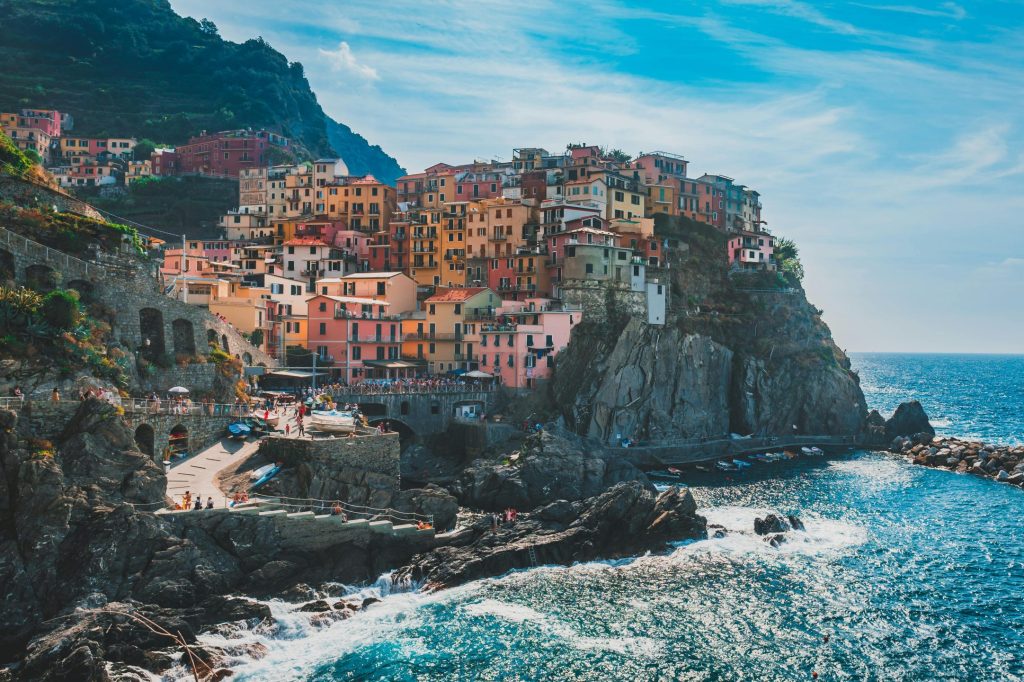
Oh Italy, you already have a special place in my heart, but I didn’t know it would be this hard to narrow down a list of books. My Goodreads list for Italy has 42, and I’m not adding more for obvious reasons. (If you know, you know)
I’ll admit it right away: I couldn’t not include Elena Ferrante and Umberto Eco on this list. They’re two of my absolute favourites — the kind of authors whose books make me want to underline entire pages and follow strangers around until they’ve read them too.
And yes, some famous Italian classics (Dante, anyone?) are missing from this list, but only because I really, truly want to read all of the ones that made it in.
I’ve tried to gather a good mix. Aome well-known names, some quieter gems, some weird surprises, in a mix of genres, time periods, and voices. From satire to suspense, postwar diaries to Neapolitan childhoods, here’s my take on ten books from Italy:
A list of books to read from Italy
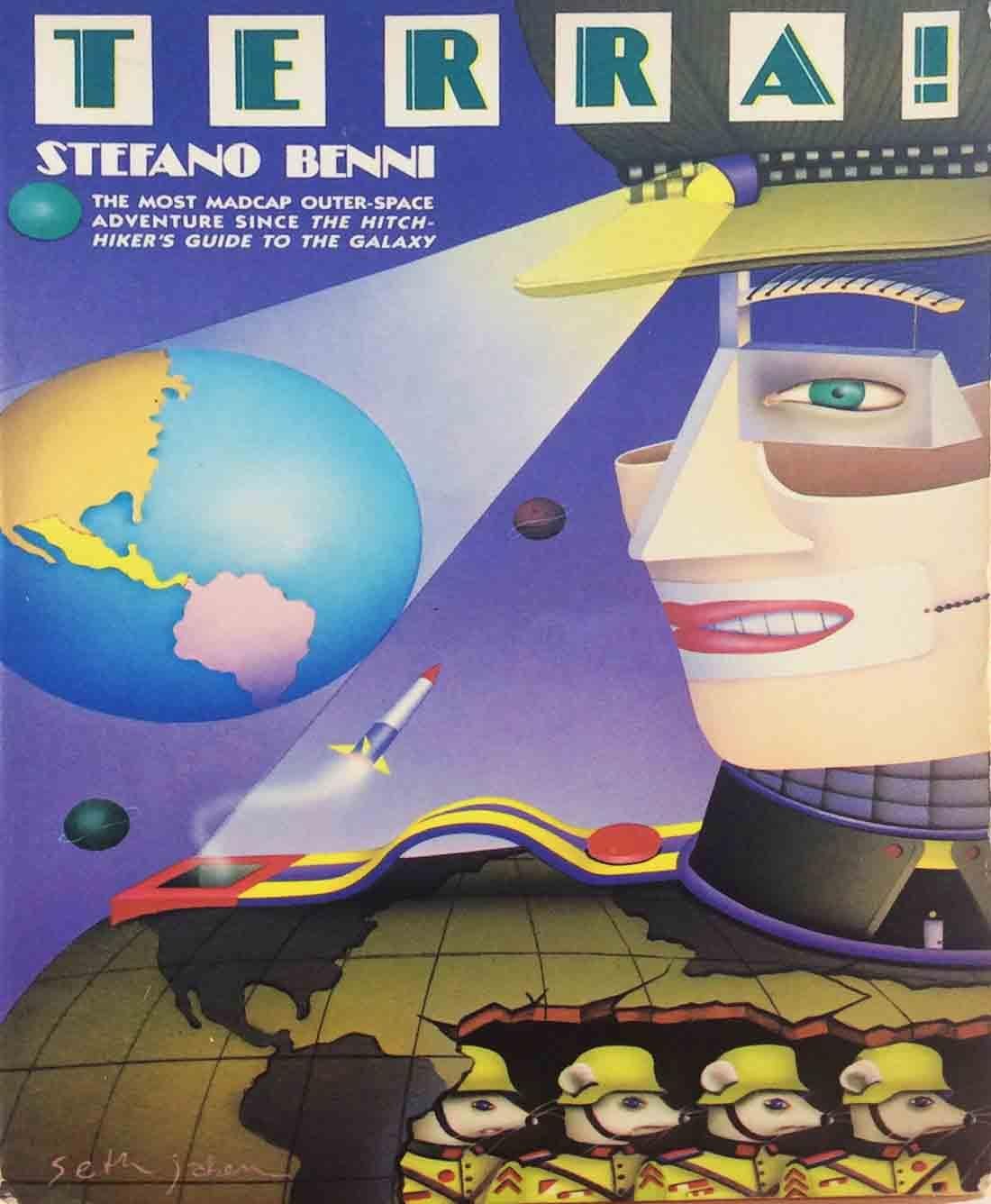
Terra!
Author: Stefano Benni
First published: 1983
Original title: Terra!
Genre: Science Fiction
Let’s start with a wild one, shall we?
In the year 2157, during the nuclear winter of six atomic wars, a bizarre collection of irreverent representatives of the remaining superpowers competes in a frenzied space race to reach Terra, the planet that promises the new Eden.
For readers who love wild satire and imaginative sci-fi, Terra! promises a high-energy romp through a future Earth filled with robots, absurd politics, and planetary chaos. Known for his wordplay and surreal humor, Benni spins a story that’s both over-the-top and sharply critical of society. If you’re looking for something unconventional, fast-paced, and unapologetically bizarre, this might be the perfect place to start.
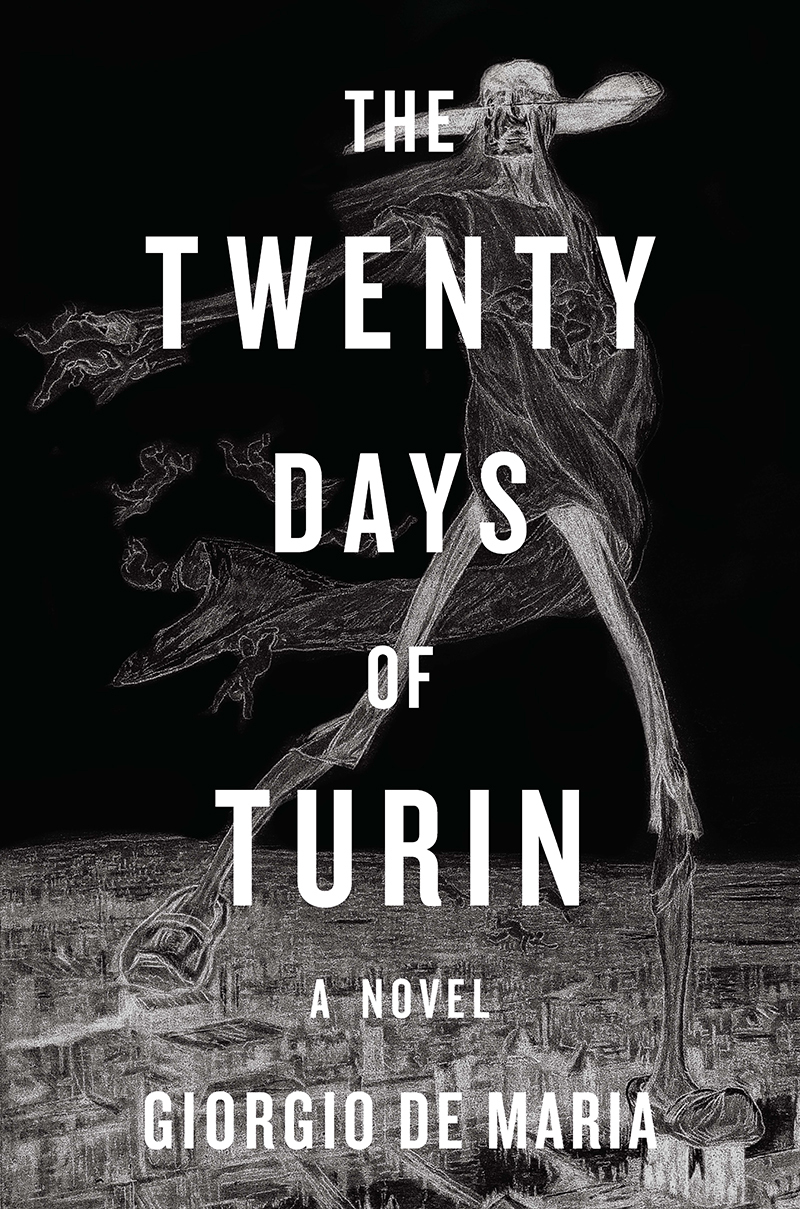
The twenty days of Turin
Author: Giorgio de Maria
First published: 1977
Original title: Le 20 giornate di Torino
Genre: Horror
This cult classic has earned a reputation as one of the eeriest novels to come out of Italy. Set in a haunted version of Turin, it blends elements of horror, dystopia, and political allegory. A mysterious library, unexplained violence, and collective silence create a deeply unsettling atmosphere.
In the spare wing of a church-run sanatorium, some zealous youths create “the Library,” a space where lonely citizens can read one another’s personal diaries and connect with like-minded souls in “dialogues across the ether.” But when their scribblings devolve into the ugliest confessions of the macabre, the Library’s users learn too late that a malicious force has consumed their privacy and their sanity. As the city of Turin suffers a twenty-day “phenomenon of collective psychosis” culminating in nightly massacres that hundreds of witnesses cannot explain, the Library is shut down and erased from history. That is, until a lonely salaryman decides to investigate these mysterious events, which the citizenry of Turin fear to mention. Inevitably drawn into the city’s occult netherworld, he unearths the stuff of modern nightmares: what’s shared can never be unshared.
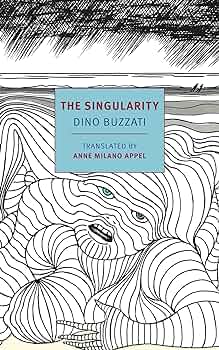
The singularity
Author: Dino Buzzati
First published: 1960
Original Title: Il grande ritratto
Genre: Science Fiction
Buzzati’s novella of 1960 is a pioneering work of Italian science fiction, in which a university professor is summoned by the minister of defense to accept a top-secret mission at a mysterious research center. What’s he supposed to do there? Not clear. How long will he be there? No saying.
Is the Experimental Camp of Military Zone 36 some sort of nuclear project? No, the colleagues say it’s nothing like that. It’s much, much more powerful. At the center of the research complex is strange, shining, at times murmurous, white wall. Behind it, a deep gorge drops away, full of wires and radio towers and mobile sensors and a host of eccentric structures. A question begins to dawn: Could this be the shape of consciousness itself? And if so, whose?
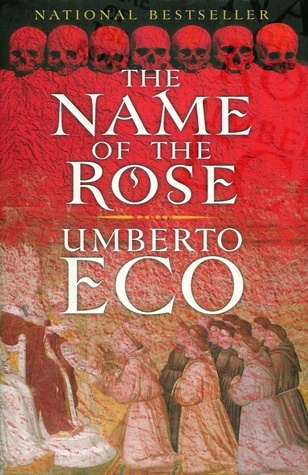
The Name of the Rose
Author: Umberto Eco
First published: 1980
Original title: Il nome della rosa
Genre: Historical Fiction / Mystery
The year is 1327. Franciscans in a wealthy Italian abbey are suspected of heresy, and Brother William of Baskerville arrives to investigate. When his delicate mission is suddenly overshadowed by seven bizarre deaths, Brother William turns to the logic of Aristotle, the theology of Aquinas, and the empirical insights of Roger Bacon to find the killer. He collects evidence, deciphers secret symbols and coded manuscripts, and digs into the eerie labyrinth of the abbey (“where the most interesting things happen at night”) armed with a wry sense of humor and a ferocious curiosity.
A 14th-century murder mystery set in a monastery. But also a dense, layered, and playful meditation on language, history, heresy, and books themselves. And one of my facourite reads of all time.
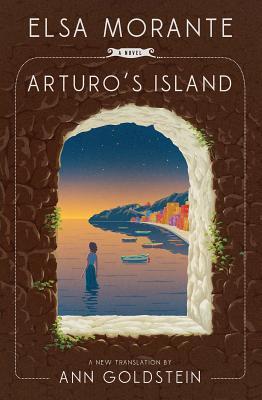
Arturo’s Island
Author: Elsa Morante
First published: 1957
Original title: L’isola di Arturo
Genre: Classics / Coming of age
On a small Island in the Tyrrhenian Sea there lives a boy as innocent as a seabird. Arturo’s mother is dead; his father away. Black-clad women care for him, give him the freedom to come and go as he likes. Then the father returns with a new wife, Nunziata, a girl barely older than Arturo. At first hatred and contempt are all the boy feels for his stepmother. In time, Arturo and Nunziata re-create the tragedy and passion that are as old as the history of men and women.
Morante shows up one every list of notable Italian authors and this seems like a good fit for readers drawn to introspective coming-of-age stories and evocative Mediterranean settings.
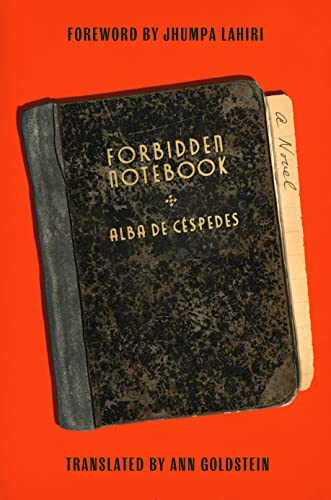
Forbidden Notebook
Author: Alba de Céspedes
First published: 1952
Original Title: Quaderno proibito
Genre: Classics / Feminism
Or you could go for the classic domestic novel by the Italian-Cuban feminist writer Alba de Céspedes, whose work inspired contemporary writers like Elena Ferrante.
Forbidden Notebook centers the inner life of a dissatisfied housewife living in postwar Rome. Valeria Cossati never suspected how unhappy she had become with the shabby gentility of her bourgeois life — until she begins to jot down her thoughts and feelings in a little black book she keeps hidden in a closet. This new secret activity leads her to scrutinize herself and her life more closely, and she soon realizes that her individuality is being stifled by her devotion and sense of duty toward her husband, daughter, and son. As the conflicts between parents and children, husband and wife, and friends and lovers intensify, what goes on behind the Cossatis’ facade of middle-class respectability gradually comes to light, tearing the family’s fragile fabric apart.
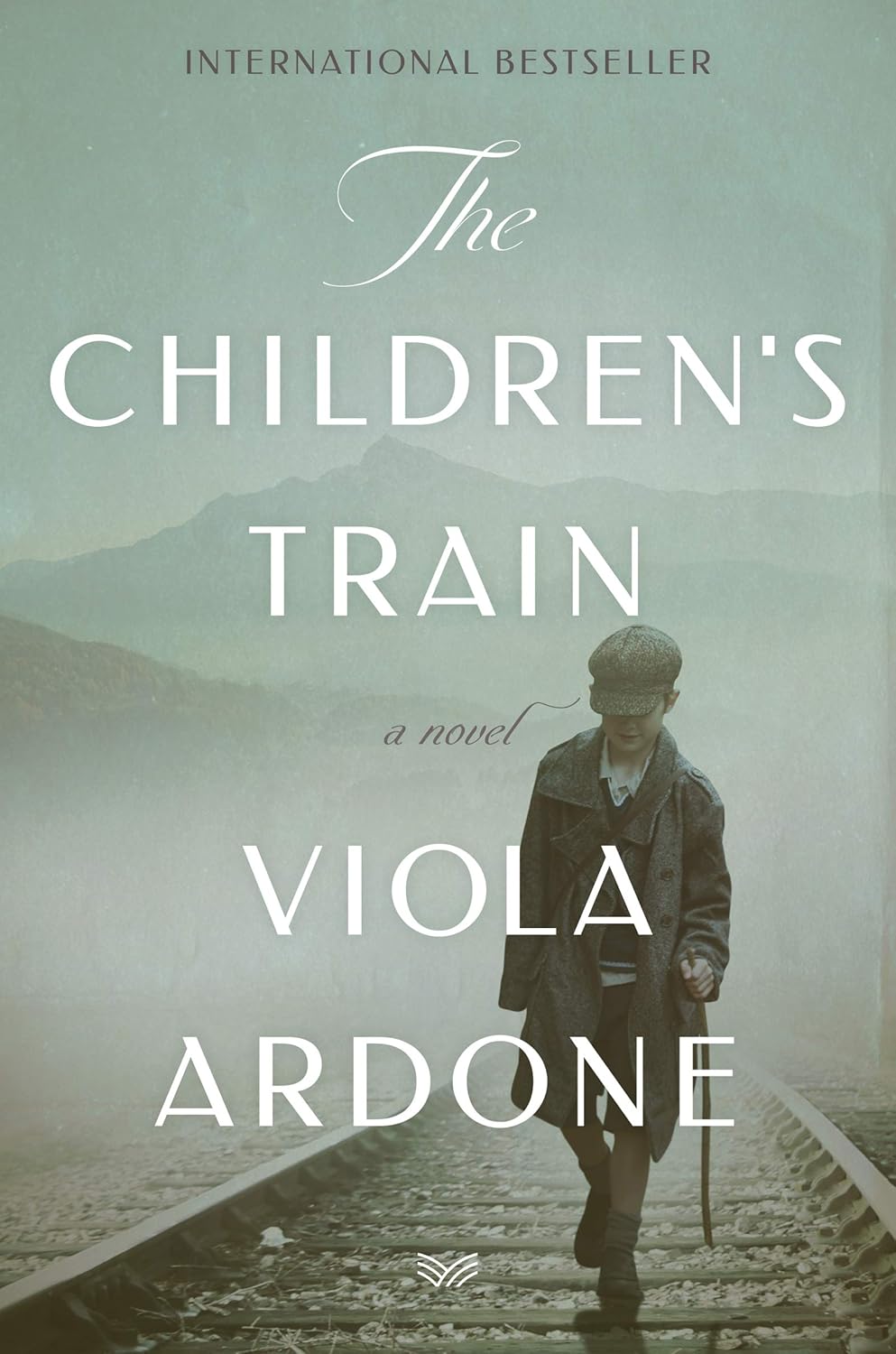
The Children’s Train
Author: Viola Ardone
First published: 2019
Original title: Il treno dei bambini
Genre: Historical Fiction
Based on true events, a heartbreaking story of love, family, hope, and survival set in post-World War II Italy.
Though Mussolini and the fascists have been defeated, the war has devastated Italy, especially the south. Seven-year-old Amerigo lives with his mother Antonietta in Naples, surviving on odd jobs and his wits like the rest of the poor in his neighborhood.
But one day, Amerigo learns that a train will take him away from the rubble-strewn streets of the city to spend the winter with a family in the north, where he will be safe and have warm clothes and food to eat.
A moving story of memory, indelible bonds, artistry, and self-exploration, and a soaring examination of what family can truly mean
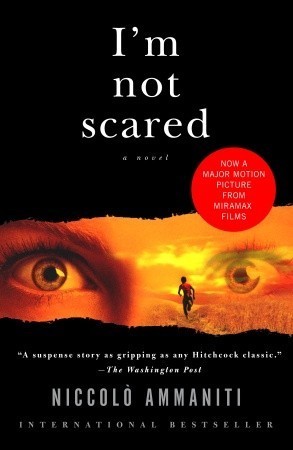
I’m not scared
Author: Niccolò Ammaniti
First published: 2001
Original Title: Io non ho paura
Genre: Thriller
The hottest summer of the twentieth century. A tiny community of five houses in the middle of wheat fields. While the adults shelter indoors, six children venture out on their bikes across the scorched, deserted countryside.
In the midst of that sea of golden wheat, nine year-old Michele Amitrano discovers a secret so momentous, so terrible, that he daren’t tell anyone about it. To come to terms with it he will have to draw strength from his own imagination and sense of humanity. The reader witnesses a dual story: the one that is seen through Michele’s eyes, and the tragedy involving the adults of this isolated hamlet
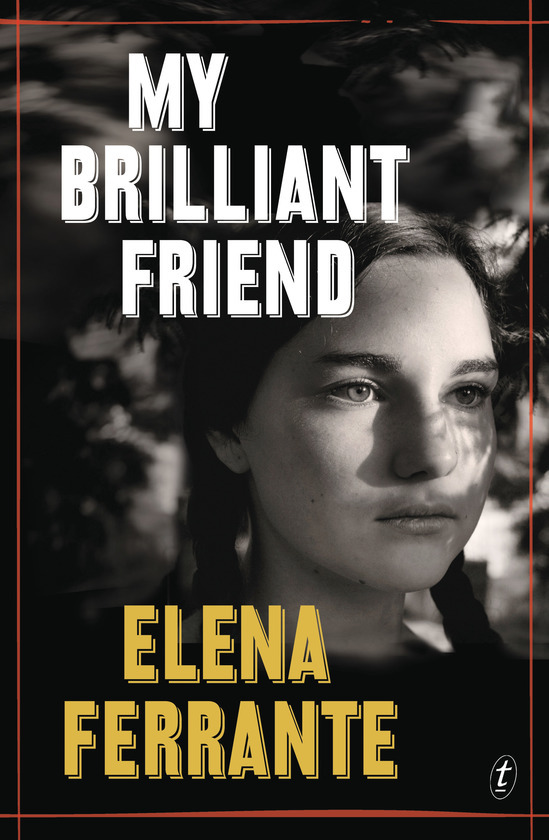
My Brilliant Friend (Neapolitan Quartet #1)
Author: Elena Ferrante
First published: 2011
Original title: L’amiga geniale
Genre: Historical fiction / Literary Fiction
This beloved novel begins the story of Elena and Lila, two girls growing up in postwar Naples. The meticulous portrait of these two women is an emotionally complex exploration of class, ambition, and rivalry, and a touching meditation on the nature of female friendship. And through the lives of these two women, Ferrante also tells the story of a neighbourhood, a city and a country
The beginning of one of the most acclaimed literary series of recent years, and another of my all-time favourites. Be warned that you will want to read all four books, if you start with this one!
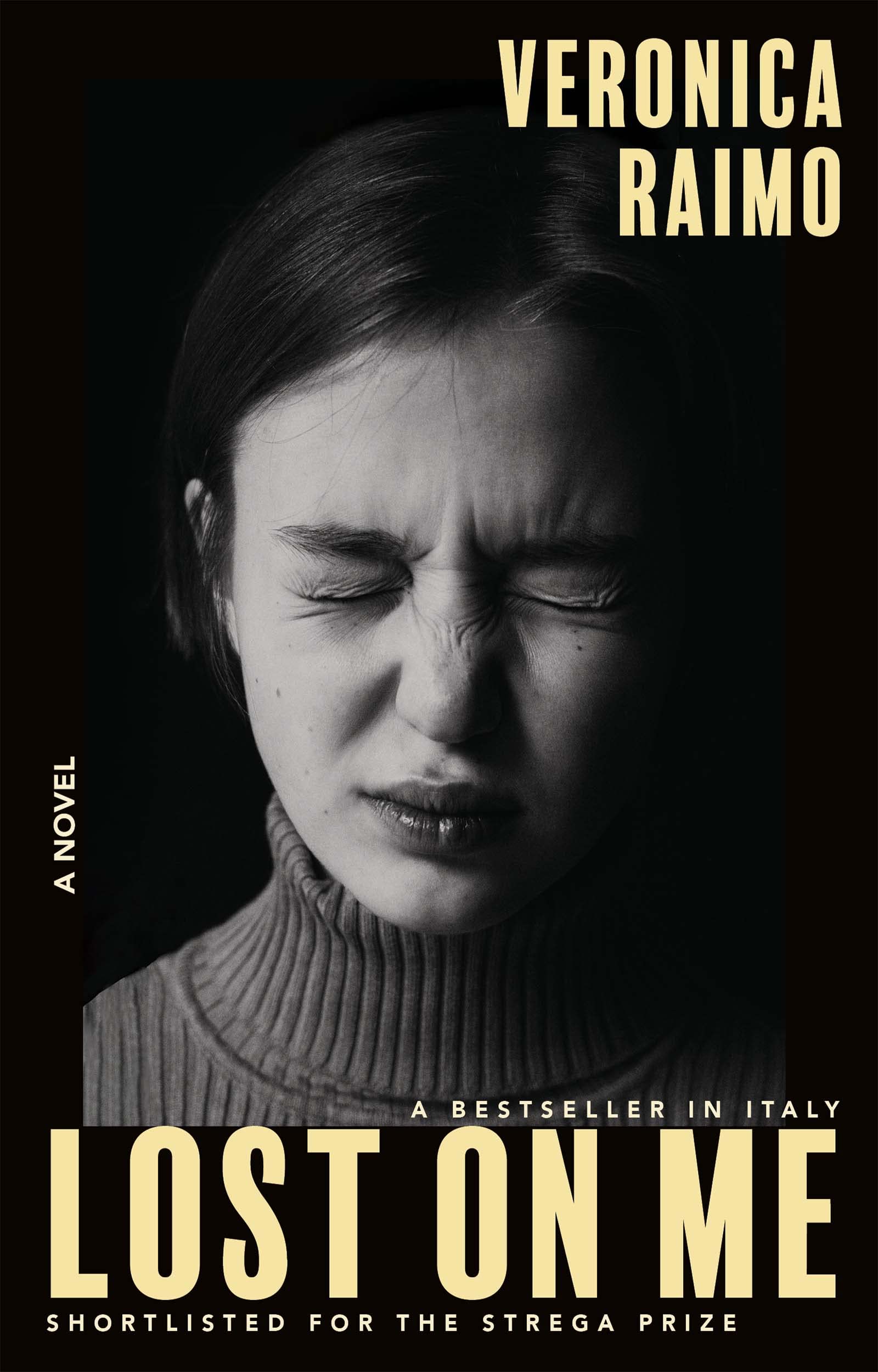
Lost on me
Author: Veronica Raimo
First published: 2022
Original Title: Niente di vero
Genre: Contemporary
A bestseller and award winner in Italy, Lost on Me is a burningly witty novel of a young woman’s coming of age in a neurotic family from one of Italy’s most celebrated young writers.
Born into a family with an omnipresent mother who is devoted to her own anxiety, a father ruled by hygienic and architectural obsessions, and a precocious genius brother at the center of their attention, our heroine Vero languishes in boredom in her childhood home. Peering through tiny windows at children in the streets below while cramped in her family coven, Vero periodically attempts to strike out but is no match for her mother’s relentless tracking methods and guilt-tripping mastery. Vero’s every venture outside their Rome apartment ends in her being unceremoniously returned home. It’s no wonder then that she becomes a writer – and a liar – inventing stories in a bid for her own sanity.
Join me, and read a book from Italy
That’s the problem of liking most genres, folks. As wildly different as these books may appear, I am in fact personally well and truly drawn to every single one of them.
From eerie thrillers to satirical sci-fi, quiet notebooks to fiery friendships. Ten completely different doors into Italian literature. Whether you’re in the mood for the classic or the strange, the emotional or the absurd, I hope there is something here that caught your eye.
Which one would you choose? Let me know! Or join me in reading across borders, one book at a time.