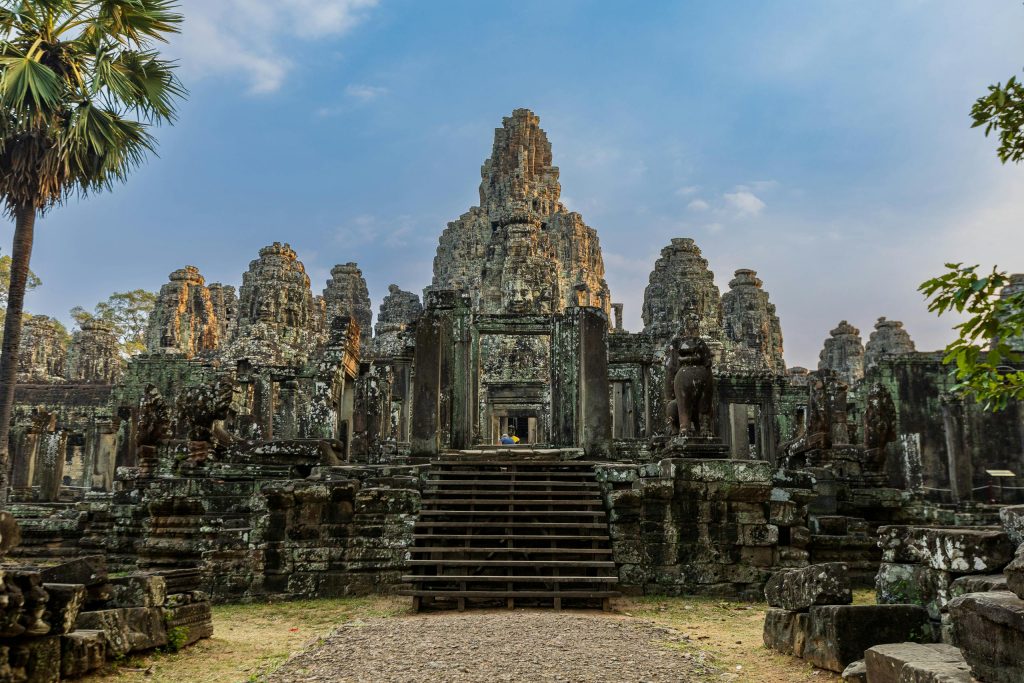
When I started researching books from Cambodia, I expected two things: books about Angkor Wat and books about the Khmer Rouge.
It is very difficult to separate Cambodia’s literary identity from the events of the 1970s. The Khmer Rouge regime devastated not only families and communities but also the country’s cultural life. Most writers, artists, teachers, and intellectuals were killed, and much of Cambodia’s literary tradition was lost.
But while the Cambodian genocide looms large over both the country’s history and its literature, and the “Nonfiction/Memoir”-genre category is indeed heavy on this list, there is so much more here than tragedy. The list includes ancient empires and a classical poem, stories of ambitious young women shaping modern Cambodia, a crime novel set in the streets of Phnom Penh, memoirs told through food, and a curveball in form of a contemporary novel written by someone from Utah.
A list of books to read from Cambodia
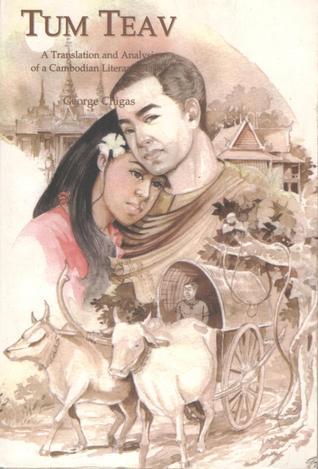
Tum Teav
Author: Botumthera Som, translated. George Chigas
First published: uncertain
Original title:
Genre: Classics / Romance
I honestly did not expect to find something like this for Cambodia. If you’re reaching for the classics of each country, this is the one to pick.
Tum Teav is the tragic love story of a talented novice monk named Tum and a beautiful adolescent girl named Teav. Well-known throughout Cambodia since at least the middle of the 19th century, there are numerous versions of the story in every major culture. This monograph contains a translation by George Chigas of the Venerable Botumthera Som’s version of the poem.
Chigas also examines the controversy over the poem’s authorship and its interpretation by literary scholars and performers in terms of Buddhism and traditional codes of conduct, abuse of power, and notions of justice.
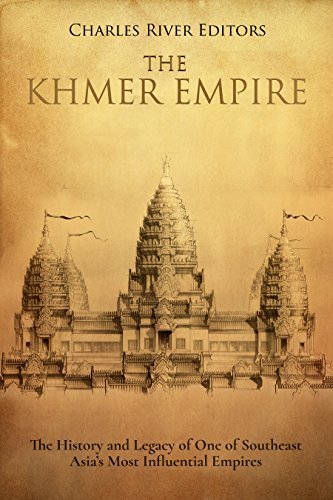
The Khmer Empire
Author: Charles River Editors
First published: 2018
Original title: The Khmer Empire
Genre: Non Fiction / History
The Khmer Empire, also known as the Angkor Empire, was a powerful empire of Southeast Asia that was established in 802 CE and ended in 1431 with the invasion of the Siamese and abandonment of Angkor. The Khmer Empire was responsible for many of the historic monuments and temples found throughout the jungles of modern-day Cambodia, and also in parts of Thailand, Laos, and Vietnam. The empire was a strategic trading partner with ships traveling from China and India.
Of all the architecture, the empire is best known for constructing Angkor Wat, one of the modern world’s greatest wonders. Known in English as Angkor Wat (“City Temple”), the gigantic complex was built by King Suryavarman II in the early 12th century to serve as the king’s state temple and capital city. Since it has remained so finely preserved, it has maintained religious significance for nearly 900 years, first dedicated to the Hindu god Vishnu, and then Buddhist.
This book chronicles the remarkable history of the Khmer and their impact on the region. Along with pictures depicting important people, places, and events,
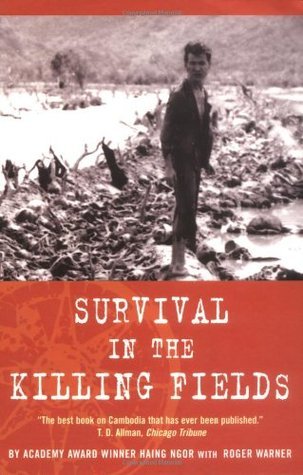
Survival in the killing fields: A Cambodian Odyssey
Author: Haing Ngor
First published: 1987
Original title: Survival in the killing fields
Genre: Nonfiction / Memoir
Haing Ngor became famous through his academy award-winning performance as Dith Pran in the film The Killing Fields, but the key to Haing Ngor’s screen success was the terrible truth of his own experiences in the rice paddies and labour camps of revolutionary Cambodia.
Here, in a gripping memoir of life under the communist Khmer Rouge regime, he reveals the country’s descent into a hell beyond our imaginings: a world of war slaves and senseless brutality, where family life simply ceases to be. But with the pain he also gives us hope and an illuminating example of how the best sort of love can actually be strengthened through the shared experience of a life-threatening ordeal.
An eyewitness account of the real killing fields by an extraordinary survivor.
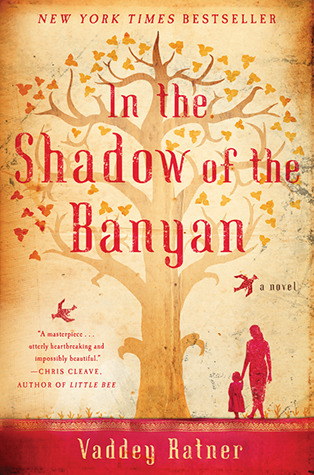
In the Shadow of the Banyan
Author: Vaddey Ratner
First published: 2012
Original title: In the shadow of the Banyan
Genre: Literary Fiction
For seven-year-old Raami, the shattering end of childhood begins with the footsteps of her father returning home in the early dawn hours bringing details of the civil war that has overwhelmed the streets of Phnom Penh, Cambodia’s capital.
Soon the family’s world of carefully guarded royal privilege is swept up in the chaos of revolution and forced exodus. Over the next four years, as she endures the deaths of family members, starvation, and brutal forced labor, Raami clings to the only remaining vestige of childhood, the mythical legends and poems told to her by her father. In a climate of systematic violence where memory is sickness and justification for execution, Raami fights for her improbable survival.
Vaddey Ratner is herself a daughter of Cambodian Royalty and a survivor of the Khmer Rouge genocide. She now lives in the US. The book is fiction, but heavily inspired by her own childhood.
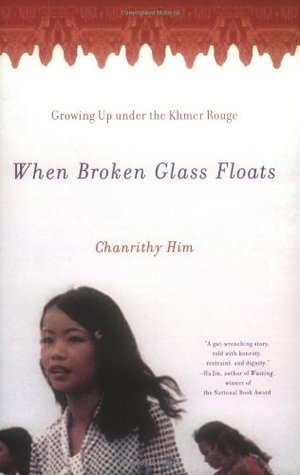
When Broken Glass Floats: Growing Up Under the Khmer Rouge
Author: Chanrithy Him
First published: 2000
Original title: When Broken Glass Floats
Genre: Nonfiction / Memoir
In a mesmerizing story, Chanrithy Him vividly recounts her trek through the hell of the “killing fields.” She gives us a child’s-eye view of a Cambodia where rudimentary labor camps for both adults and children are the norm and modern technology no longer exists. Death becomes a companion in the camps, along with illness.
Yet through the terror, the members of Chanrithy’s family remain loyal to one another, and she and her siblings who survive will find redeemed lives in America.
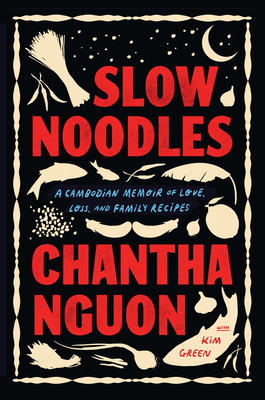
Slow Noodles
Author: Chantha Nguon
First published: 2024
Original title: Slow Noodles
Genre: Nonfiction / Memoir / Food
And yet another take on a Cambodian refugee memoir, but this one is a little different.
In Slow Noodles, Chantha Nguon recounts her life as a Cambodia refugee who lost everything and everyone – her house, her country, her parents, her siblings, her friends – everything but the memories of her mother’s kitchen, the tastes and aromas of the foods her mother made before the dictator Pol Pot tore her country apart in the 1970s, killing millions of her compatriots.
It is a lyrical and magical memoir that includes over 20 recipes for Khmer dishes like chicken lime soup, banh sung noodles, pâté de foie, curries, spring rolls, and stir-fries. For Nguon, recreating these dishes becomes an act of resistance, of reclaiming her place in the world, of upholding the values the Khmer Rouge sought to destroy, and of honoring the memory of her beloved mother.
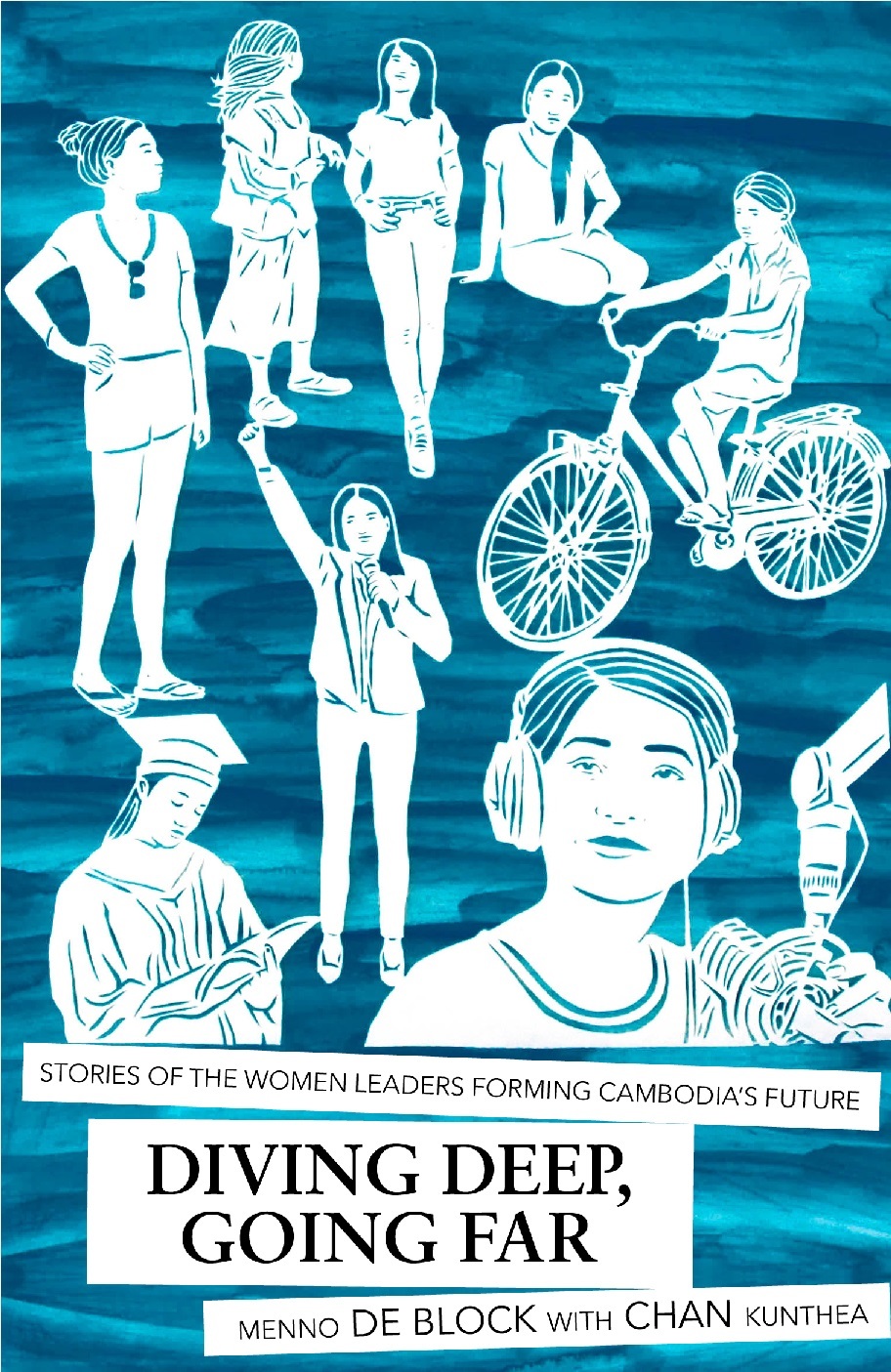
Diving Deep, Going Far: Stories of the Women Leaders Forming Cambodia’s Future
Author: Menno de Block, Kunthea Chan
First published: 2018
Original title: Diving Deep, Going Far
Genre: FIction based on interviews
Diving Deep, Going Far is a collection of stories of young women in Cambodia who go against their society’s conservative expectations and follow their own dreams instead. Based on interviews with over 25 young Cambodian women, Diving Deep, Going Far pictures the lives of four main characters, each of whom are a composite of multiple real women.
The book follows Nary, the main character, from her youth in rural Sihanouk province, to her family’s move to the capital Phnom Penh, to her career as a human rights leader, and finally her struggle with finding a man who can support her in her ambitions.
Interlaced with Nary’s story, Diving Deep, Going Far provides a glimpse into the lives of three other young women: Nika, who loses her parents at 13 years old and faces the decision to leave school and start working to support her little brother; Soklin, who leaves her family and her rural village to become the first person from her village to go to university; and Ratana, a radio DJ who advocates for women’s freedom to make their own decisions, especially about their love lives.
Diving Deep, Going Far was written by Menno de Block, a Dutch native who has been living in Cambodia for nearly four years, in close cooperation with Kunthea Chan, a Cambodian human- and women’s rights activist.
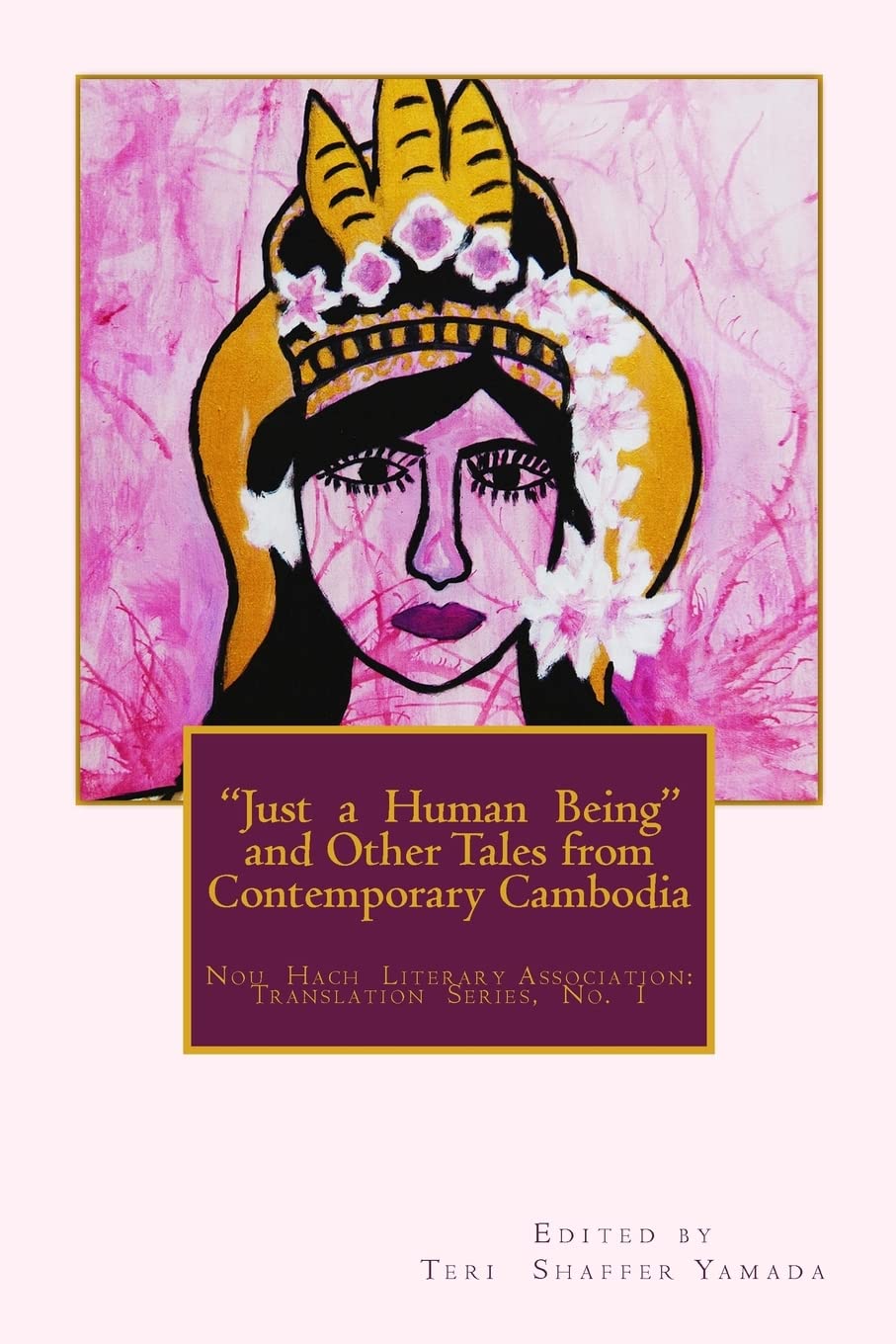
“Just a Human Being” And Other Tales from Contemporary Cambodia
Author: Teri Shaffer Yamada
First published: 2013
Original title: Just a Human Being
Genre: Short fiction anthology
Cambodian writers represented in this collection of short fiction depict the social, political and economic challenges of life in contemporary Cambodia. The various tales provide humanistic insight into Cambodia’s world of rapid modernization since the 1990s as the country recovers from decades of political and economic instability.
Among the stories. “Just a Human Being,” plays on memories of the Khmer Rouge embedded in contemporary bureaucratic practices of the early 1990s. Other stories, like “Lord of the Land” and “The Boat,” are allegories about the lingering traces of the Khmer Rouge era on contemporary social relationships and politics. They explore a theme found in many of these stories: the need to overcome karma and reclaim compassion in a desperate world of poverty and sheer survival. Many of the short stories are ethnographic and provide a snapshot into life in contemporary Cambodia.
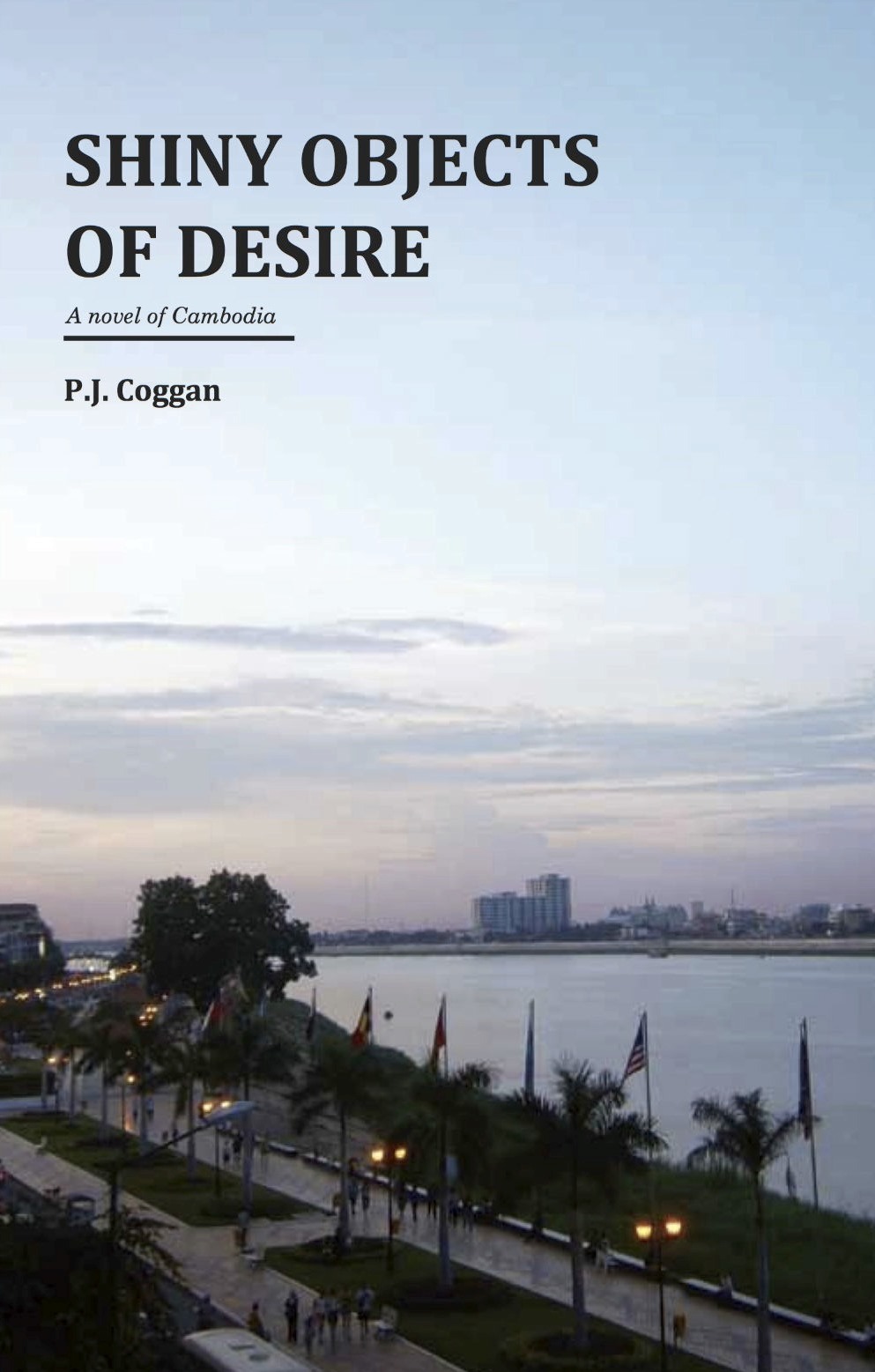
Shiny Objects of Desire
Author: Philip J. Coggan
First published: 2013
Original title: Shiny Objects of Desire
Genre: Detective Mystery
A darkly atmospheric comic crime thriller set in Phnom Penh, following the adventures of Burl Ives, the expatriate Australian owner of a Phnom Penh riverfront bistro.
Burl is a different sort of bar owner his prime aims in life are to attract the breakfast crowd and avoiding attachments. He’s doing nicely until he stumbles across Maurice (owner of one of the more notorious bars in Phnom Penh), naked, dead and handcuffed to his bed. Now he has to find out why Maurice was killed.
The novel captures perfectly the unique flavour and enduring oddness of Phnom Penh and there’s lots of deadpan fun to be had at the expatriates expense in their dealings with Khmer culture and the police. Obviously such private eye capers can be set in any city of the world but the story is made more realistic by the author’s personal knowledge and affection for Cambodia. Coggan was posted to Phnom Penh during his previous career as an Australian diplomat, and has also written several nonfiction books about Cambodia.
The Rent Collector
Author: Camron Wright
First published: 2012
Original title: The Rent Collector
Genre: Contemporary Fiction
Survival for Ki Lim and Sang Ly is a daily battle at Stung Meanchey, the largest municipal waste dump in all of Cambodia. They make their living scavenging recyclables from the trash. Life would be hard enough without the worry for their chronically ill child, Nisay, and the added expense of medicines that are not working. Just when things seem worst, Sang Ly learns a secret about the bad-tempered rent collector who comes demanding money – a secret that sets in motion a tide that will change the life of everyone it sweeps past.
Admittedly, this book is a little out of left field by my own rules. The author is from Utah and, as far as I can tell, has no particular connection to Cambodia. But the novel is set in Cambodia, has introduced many readers to the country, and the premise is intriguing enough that I couldn’t quite leave it off the list.
Join me, and read a book from Cambodia
None other countries I’ve explored yet have been so dominated by a single historical event. Books from Cambodia are mostly stories of survival, loss, memory, and rebuilding after the Khmer Rouge years. But alongside those stories are glimpses of something much older and much broader: classical poetry, the legacy of the Khmer Empire, modern urban life, food, humour, ambition, and resilience.
If you’re looking for a place to start, Tum Teav offers a window into Cambodia’s literary heritage, In the Shadow of the Banyan and When Broken Glass Floats bring the country’s recent history painfully to life, while Shiny Objects of Desire and The Rent Collector show very different sides of contemporary Cambodia.
I’ve made my choice, but if you could only pick one of these books to read, which would it be?