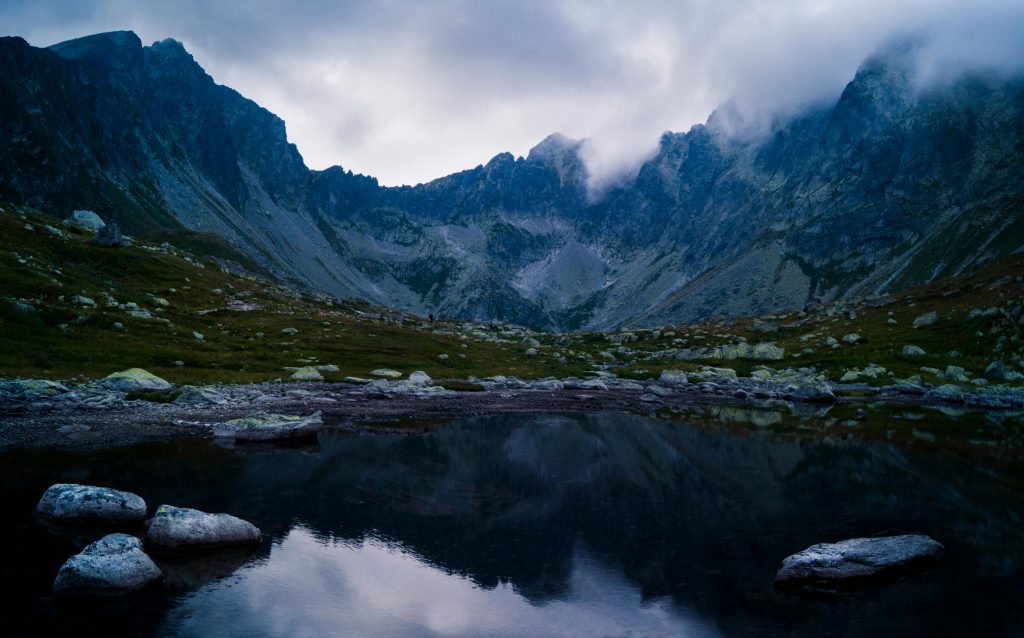
Nestled among mountains and shaped by shifting borders, Slovakia may not be the first country that springs to mind when you think of European literature. But when I started digging I found a literary tradition that blends rural poetry with urban grit and surreal satire with intimate introspection.
This list takes you from romantic mountain villages to post-Communist city streets, through folklore, family trauma, experimental fragments, and fierce personal testimony. It’s a journey through history, identity, and the search for meaning in a small country with a big soul.
A list of books to read from Slovakia
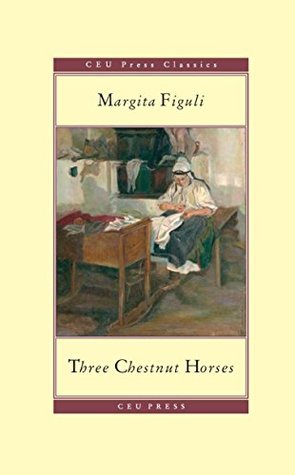
Three Chestnut Horses
Author: Margita Figuli
First published: 1946
Original title: Tri gaštanové kone
Genre: Classic Fiction / Romance / Naturalism
This gem of Slovak naturalism was written in 1940. The story takes the reader to a mountain village. The protagonist narrates the vicissitudes, suffering, and success he experiences as he pursues a love affair, resulting in the triumph of pure love.
Peter has been in love with a girl, Magdalena, since childhood and asks her to marry him. But he is too late, because a rich man, Jano Zapotočný, has already proposed to Magdalena, a proposal that her greedy mother promptly accepted on her behalf. Magdalena, out of respect for her mother’s wishes, accepts the engagement. However, Magdalena promises Peter that she will put off marrying Jano and will marry him instead if he can prove that he truly loves her. He must build a house and earn a living. After almost two years Peter returns to show her that he kept his promise. But Magdalena is already married; Jano has raped her and she is pregnant. Desperate, Peter is tempted to take out his anger on Jano, nevertheless he resists the impulse. In the end, the author finds a way to reward Peter’s faith in love and morality.
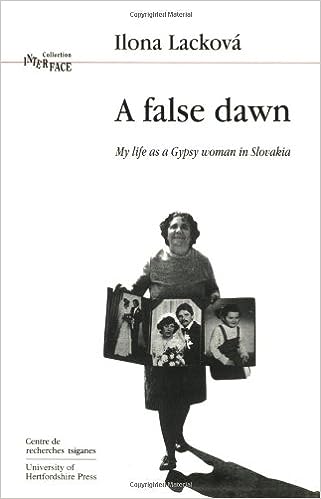
A false dawn: My life as a Gypsy woman in Slovakia
Author: Ilona Lacková
First published: 1993
Original title: Narodila som sa pod šťastnou hviezdou
Genre: Memoir / Roma Literature
As the first Roma woman in Slovakia to write and publish her life story, Ilona Lacková’s memoir is a unique voice in Central European literature. A False Dawn traces her life from childhood in an impoverished Roma settlement through Nazi persecution and into the Communist era.
One of the nine children born in a Gypsy settlement in Slovakia where they grew up, despised and mocked by the peasants on whom they depended for work, she was married early and at the outbreak of war was a mother herself. Fear of the fascist Hlinka Guard who shaved the heads of Gypsy girls and sent the men to labour camps dominated their lives. New opportunities came with the arrival of the Russians and the hope of a new life in a socialist society where all were equal.
Scathing irony gives the reader an insight into Romani social and cultural life, its joys and sorrows, festivals and crises, the troubles associated with finding a place to live, with work, with school, the Second World War and the politics of racism and rejection.
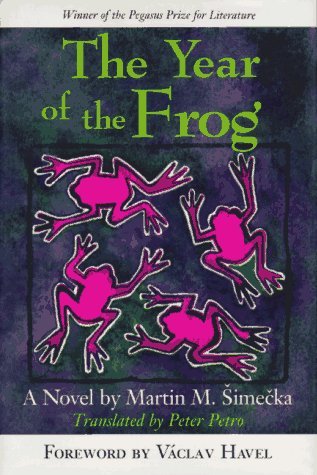
The Year of the Frog
Author: Martin M. Šimečka
First published: 1993
Original Title: Žabí rok
Genre: Political Fiction / Philosophical
Set in Bratislava, Czechoslovakia, in the 1980s, this novel portrays a young man struggling to come to terms with his circumstances in the last days of communist dictatorship. Milan, the son of a former party official now imprisoned for dissident activities, is barred from the university despite the fact that he is a brilliant student and an extraordinary runner.
Forced to work, Milan takes a series of menial jobs, first as a surgical orderly in a hospital, next as a clerk in an under-stocked hardware store, lastly as an assistant in a maternity hospital for both births and abortions – all of which serve to break open his life. Two great passions save him from the bleakness of his everyday existence: long-distance running, and his love for Tania, a beautiful university student from whom he seeks salvation and ultimately marries.
The Year of the Frog is a coming-of-age story, a romance, and a novel which poses important questions about life and death, about love and freedom, faithfulness and infidelity.
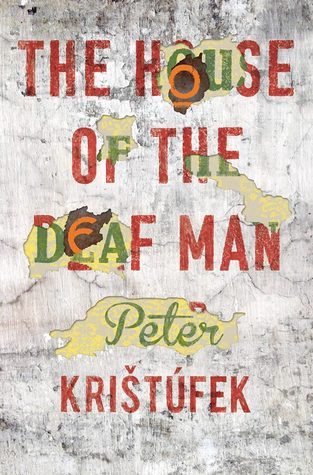
The house of the deaf man
Author: Peter Krištúrek
First published: 2005
Original Title: Dom hluchého
Genre: Historical Fiction / Family Saga
Alfonz Trnovský, a genial and respected general practitioner in Brežany, a small (fictitious) town in western Slovakia, spent his whole life pretending to be radiantly happy and contented, while the reality was quite different. He turned a deaf ear to his conscience as the 20th century hurtled by: four political regimes, the Holocaust, the political trials of the 1950s, the secret police before and after the 1968 Soviet-led invasion of Czechoslovakia … and the women he loved.
But whose are the bones his son accidentally stumbles on buried in the garden? As he sets out to unravel this mystery, the son discovers other skeletons in his father’s cupboard. His quest includes a detour to the Prado in Madrid, where the father’s favourite Goya paintings, the Black Series, are now exhibited after being removed from the walls of its original location, known as the Casa del Sordo (House of the Deaf Man).
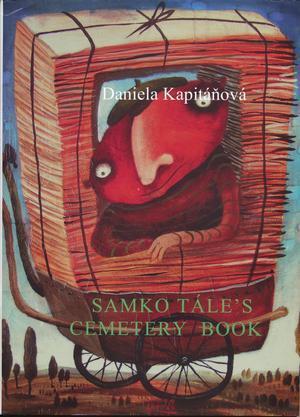
Samko Tále’s Cemetery Book
Author: Daniela Kapitáňová
First published: 2000
Original title: Kniha o cintoríne
Genre: Satire / Dark Comedy / Social Critique
Slovak writer Daniela Kapitáňová’s first novel is narrated by an intellectually and physically stunted creature and arch-conformist who enthusiastically embraces every kind of prejudice both under Communism and in the newly independent Slovakia.
This book was a sensation when it appeared in Bratislava in 2000 and is still a best-seller. It has been translated into several languages.
Rivers of Babylon
Author: Peter Pišťanek
First published: 1991
Original Title: Rivers of Babylon
Genre: Crime / Satire / Post-Communist Fiction
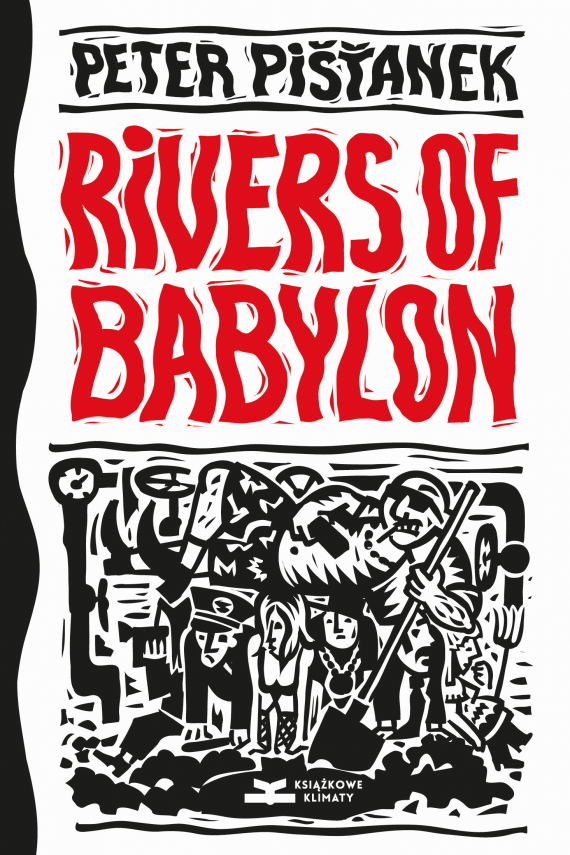
Racz has come to Bratislava to make money so that he can be a suitable suitor for the woman from his village he loves. He gets work as the stoker in the Hotel Ambassador, one of the most prestigious hotels in Bratislava, and in his single-mindedness soon discovers that he can take advantage of his position. People will pay to have the heat on and, in short, Racz learns that he who puts the heat on can control things.
He rises quickly from stoker in the Ambassador to its owner and much else. Those who oppose him (small-time money changers, former secret police, professional classes) knuckle under while those whose dreams have foundered in the new world order have to make do or become, like academics, increasingly irrelevant.
The hero of Rivers of Babylon is one of the most mesmerizing character of Slovak literature, Rácz, an idiot of genius, a psychopathic gangster. Rivers of Babylon tell the story of a Central Europe, where criminals, intellectuals and ex-secret policemen have infiltrated a new ‘democracy’. Slovak readers acknowledge Peter Pišt’anek as their most flamboyant and fearless writer, stripping the nation of its myths and false self-esteem.
In the name of the father
Author: Balla
First published: 2011
Original title: V mene otca
Genre: Psychological Fiction
Not to be confused with the Maltese novel of the same name!
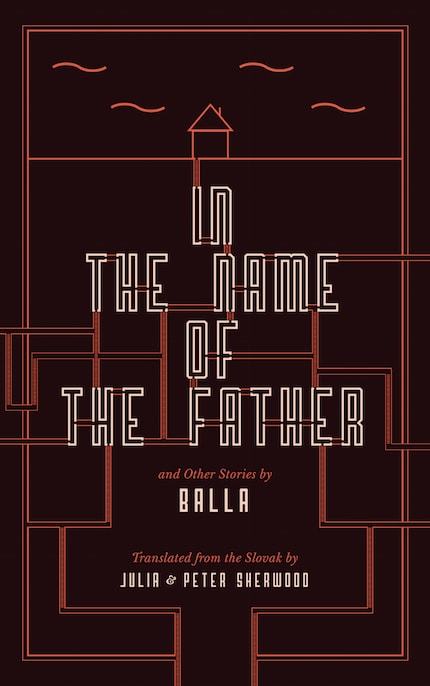
Balla is often described as “the Slovak Kafka” for his depictions of the absurd and the mundane. In the Name of the Father features a nameless narrator reflecting on his life, looking for someone else to blame for his failed relationship with his parents and two sons, his serial adultery, the breakup of his marriage and his wife’s descent into madness.
Against the backdrop of their stiflingly grey provincial lives, he completely fails to act against “the thing” growing in the cellar of the house he built with his brother. The book won numerous awards in Slovakia.
Boat number five
Author: Monika Kompaníková
First published: 2009
Original Title: Piata lod
Genre: Literary fiction
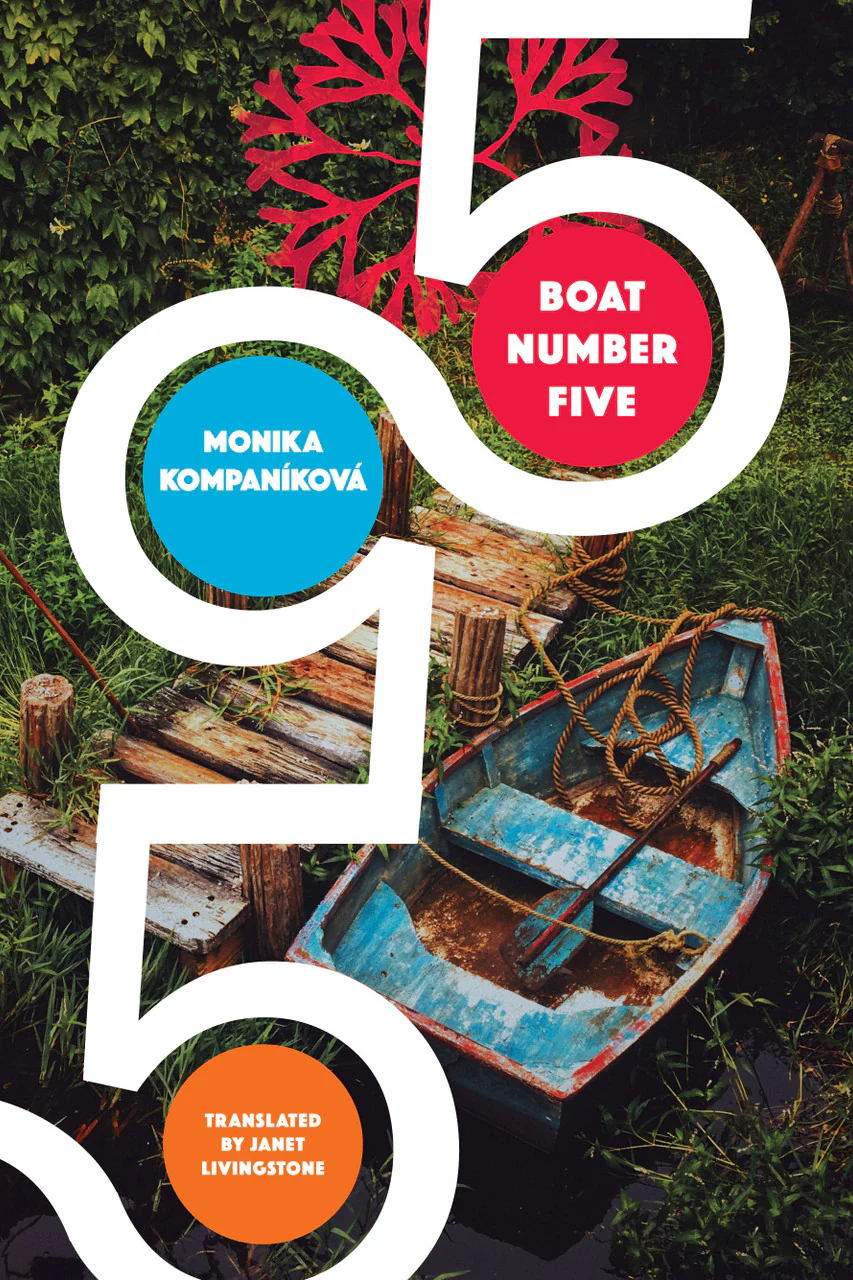
A moving yet humorous story of a girl struggling to care for herself and others in post-communist Slovakia.
Emotionally neglected by her immature, promiscuous mother and made to care for her cantankerous dying grandmother, twelve-year-old Jarka is left to fend for herself in the social vacuum of a post-communist concrete apartment-block jungle in Bratislava, Slovakia. She spends her days roaming the streets and daydreaming in the only place she feels safe: a small garden inherited from her grandfather. One day, on her way to the garden, she stops at a suburban railway station and impulsively abducts twin babies. Jarka teeters on the edge of disaster, and while struggling to care for the babies, she discovers herself.
With a vivid and unapologetic eye, Monika Kompaníková captures the universal quest for genuine human relationships amid the emptiness and ache of post-communist Europe.
Necklace / Choker
Author: Jana Bodnárová
First published: 2016
Original title: Náhrdelník/Obojok
Genre: Historical Fiction
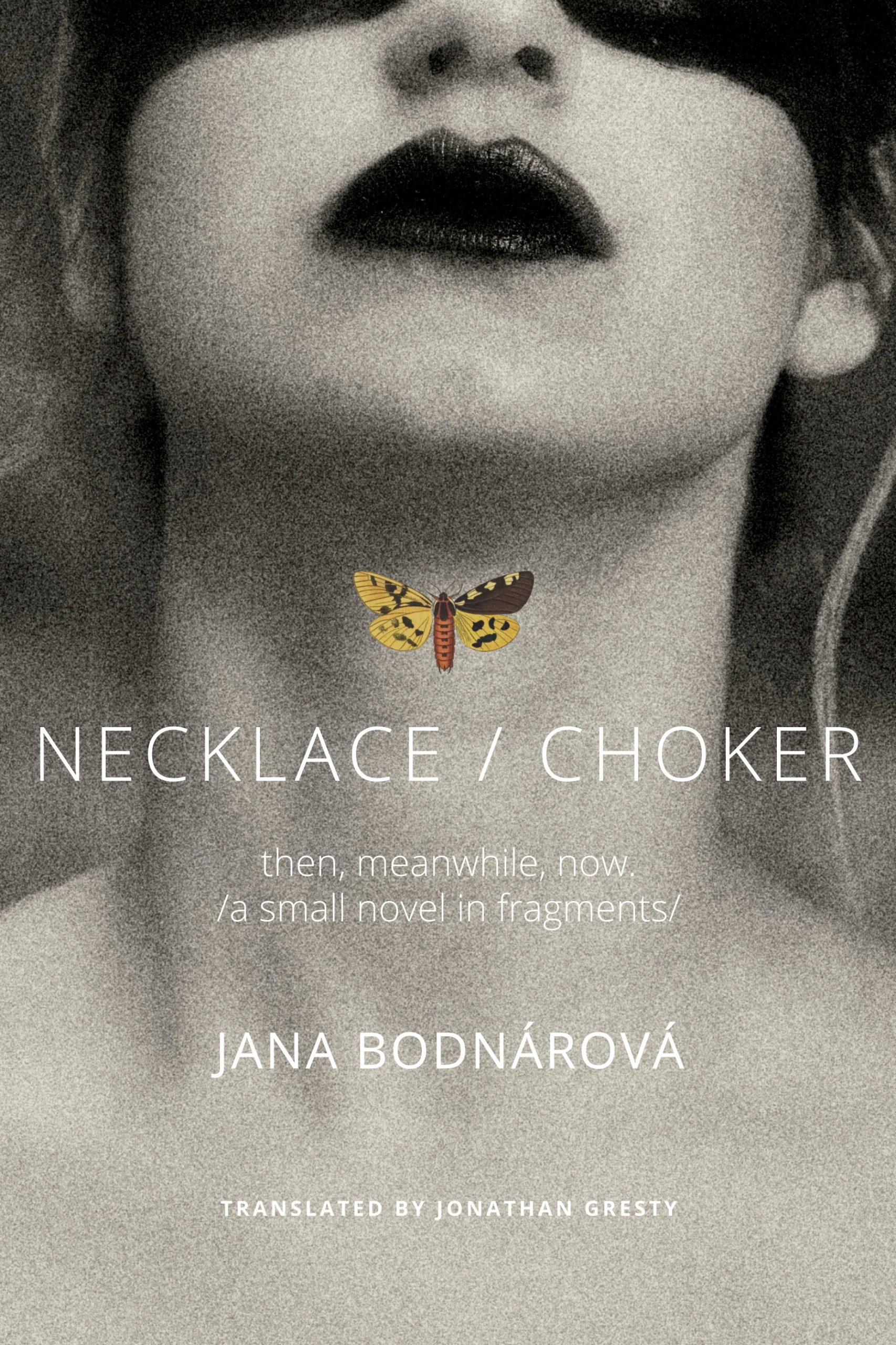
In this highly acclaimed novel, Jana Bodnárová offers an engrossing portrayal of a small Slovak town and its inhabitants in the north of the country against the backdrop of the tumultuous history of the twentieth century. As Sara, the protagonist of Necklace/Choker, returns to her native town after many years in exile to sell the old family house and garden, she begins to piece together her family’s history from snippets and fragments of her own memory and the diaries of her artist father, Imro. A talented painter, he survived the Holocaust only to be crushed by the constraints imposed on his art by Stalinist censorship, and Sara herself was later driven into exile after dreams of socialism with a human face were shattered by the Soviet-led invasion of Czechoslovakia in 1968.
Through their stories, and that of Sara’s friend, Iboja, the daughter of a hotelier, readers will be immersed in key moments of Slovak history and their bearing on the people in this less familiar part of Central Europe.
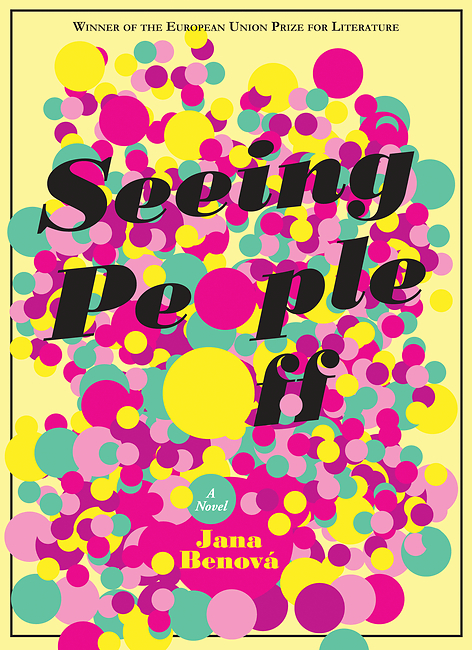
Seeing People Off
Author: Jana Beňová
First published: 2013
Original Title: Plán odchodu
Genre: Experimental / Urban / Contemporary
Quirky, fragmented, and full of strange vitality, this book is portrait of bohemian life in modern Bratislava. Seeing People Off follows Elza and Ian, a young couple living in a humongous apartment complex outside Bratislava where the walls play music and talk, and time is immaterial.
Drawing on her memories, everyday interactions, observations of post-socialist realities, and Elza’s attraction to actor, Kalisto Tanzi, Seeing People Off is a kaleidoscopic, poetic, and deeply funny portrait of a relationship.
Jana Benová is one of the most acclaimed Slovakian writers, and winner of the European Union Prize for Literature.
Join me, and read a book from Slovakia
From rural mountain villages to crumbling communist concrete blocks, Slovak literature looks like a fascinating treasure trove to dive into. For me these ten books offer not just a sampling of styles and stories, but a genuine invitation to explore a lesser-known literary landscape! Can I really settle for just one of these?
I hope there’s something here that speaks to you. Let me know which one you’d like to read, or if you have other recommendations from Slovakia!