When I arrived in Slovenia on my literary journey, I knew nothing about its literature, and honestly didn’t expect to find much of interest. But I was so wrong. I ended up absolutely spoilt for choice. From philosophical assassins to name-stealing monsters, postwar trauma to feminist time-hopping this list turned out to be one of the most intriguing yet. It’s going to be seriously difficult to settle for just one of these!
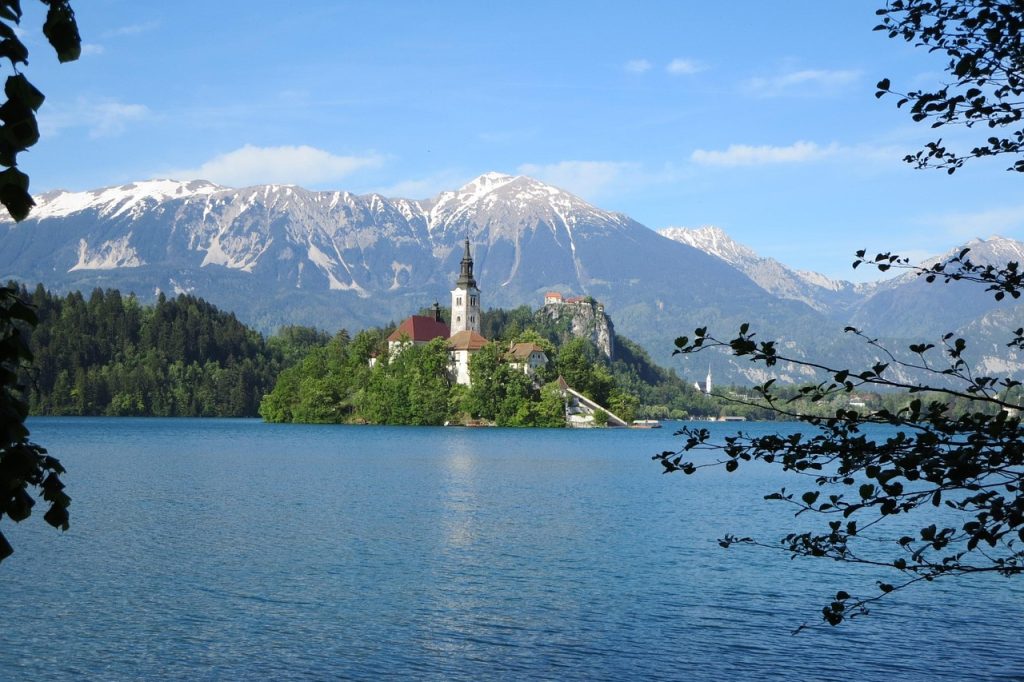
Slovenia’s history maybe helps explain some of that diversity. Once part of the Austro-Hungarian Empire, and later the first republic to break away from Yugoslavia, it’s a country that’s always straddled borders, culturally, politically, and geographically. I even briefly considered placing it in my Central Europe region instead of the Balkans.
A few of these books here aren’t even set in Slovenia, which technically breaks my own rules, but they were simply too compelling to leave out. On the other hand I did stick to my own rules by leaving out Brasilian author Paulo Coelho’s Veronica decides to die, which is also set in Slovenia.
A list of books to read from Slovenia
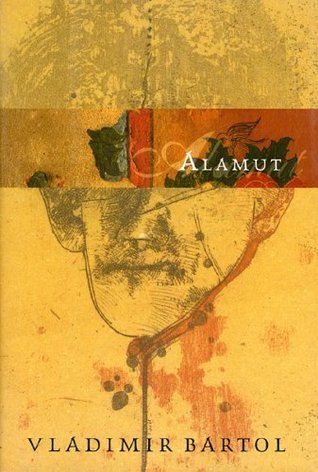
Alamut
Author: Vladimir Bartol
First published: 1938
Original title: Alamut
Genre: Classics / Historical Fiction
Starting out with what is arguably the most famous novel by a Slovene writer, even though it does not in fact take place in Slovenia!
Alamut takes place in 11th Century Persia, in the fortress of Alamut, where self-proclaimed prophet Hasan ibn Sabbah is setting up his mad but brilliant plan to rule the region with a handful elite fighters who are to become his “living daggers.” By creating a virtual paradise at Alamut, filled with beautiful women, lush gardens, wine and hashish, Sabbah is able to convince his young fighters that they can reach paradise if they follow his commands.
Alamut was originally written in 1938 as an allegory to Mussolini’s fascist state. In the 1960’s it became a cult favorite throughout Tito’s Yugoslavia, and in the 1990s, during the Balkan’s War, it was read as an allegory of the region’s strife and became a bestseller in Germany, France and Spain.
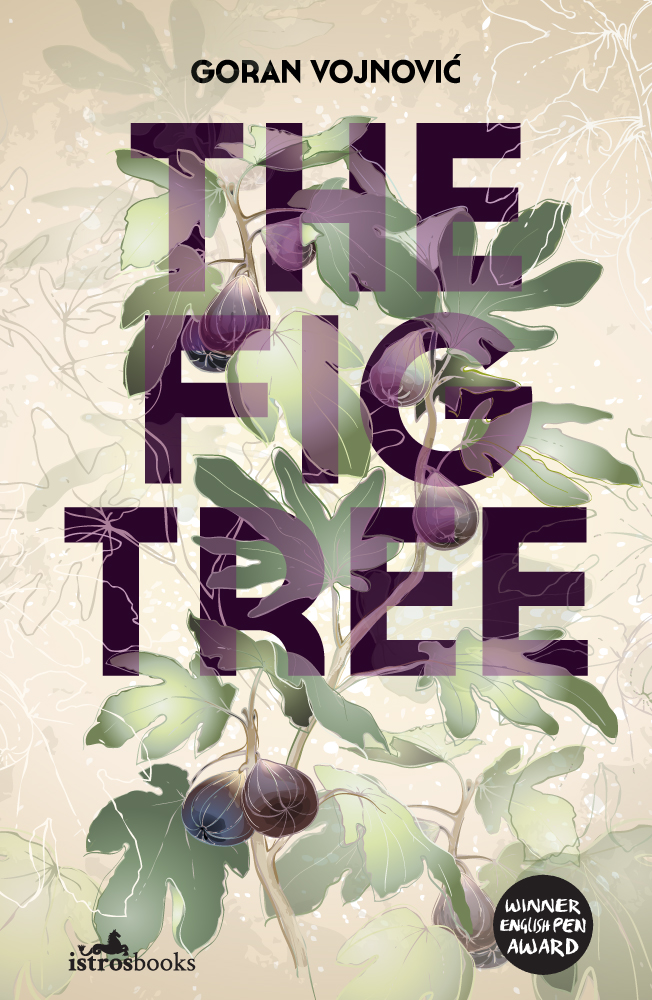
The fig tree
Author: Goran Vojnović
First published: 2016
Original title: Figa
Genre: Family saga
When Jadran returns to his childhood home in Ljubljana, a fig tree in the yard sparks memories of his Bosnian grandfather. As he unravels family secrets and inherited silences, Vojnović explores post-Yugoslav identity, intergenerational trauma, and the quiet persistence of love and belonging.
The Fig Tree is a multigenerational family saga, a tour de force spanning three generations from mid-20th century through the turbulent times in the Balkans until present day. Vojnović is a master storyteller, and while fateful choices made by his characters are often dictated by historical realities of the turbulent times they live in, at its heart this is an intimate story of family, of relationships, of love, freedom and the choices we make.
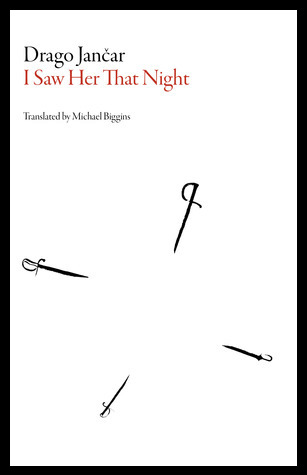
I saw her that night
Author: Drago Jančar
First published: 2010
Original title: To noč sem jo videl
Genre: Historical Fiction
A novel about a few years in the life and mysterious disappearance of Veronika Zarnik, a young bourgeois woman from Ljubljana, sucked into the whirlwind of a turbulent period in history.
We follow her story from the perspective of five different characters, who also talk about themselves, as well as the troubled Slovenian times before and during World War II: times that swallowed not only the people of various beliefs involved in historical events, but also those who lived on the fringes of tumultuous events, which they did not even fully comprehend. It was a time when, even under the seemingly safe and idyllic shelter of a manor house in Slovenia, it was impossible to avoid the rushing train of violence.
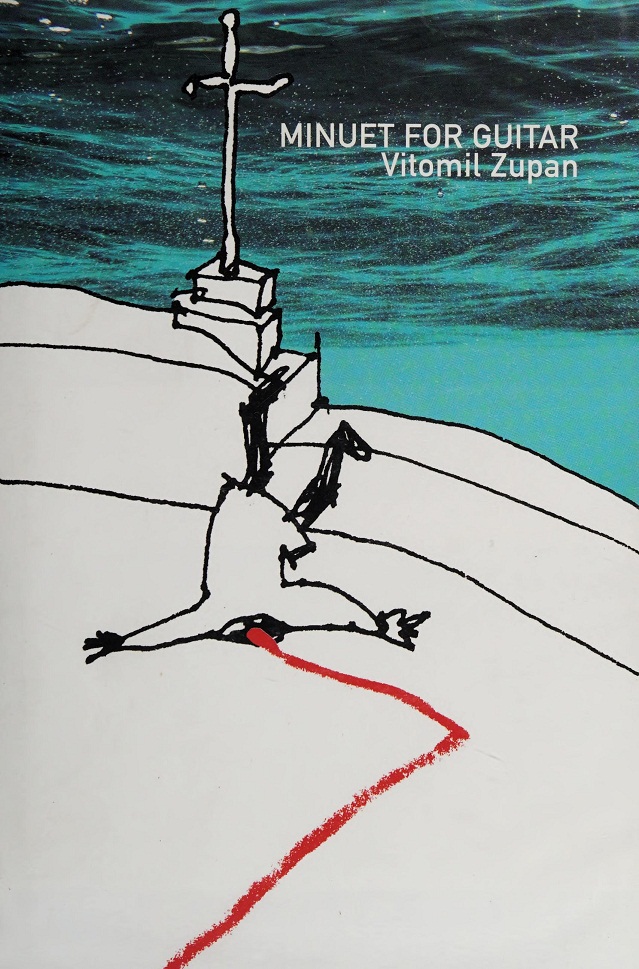
Minuet for Guitar
Author: Vitomil Zupan
First published: 1975
Original title: Menuet za kitaro
Genre: Historical Fiction
The harrowing story of partisan soldier “Berk” and his surreal experiences as a guerrilla during the Axis occupation of Ljubljana. Running parallel to the jumble of Berk’s wartime experiences is his no less peculiar encounter with an old enemy during a vacation at a Spanish coastal resort. Together, the two men try to make sense of their wartime memories, leading past and future into a danse macabre undermining the certainties of each. A document of the horrors and tiny comedies of war, and an exploration of the nature of beauty and morality when subjected to the absurdity of history
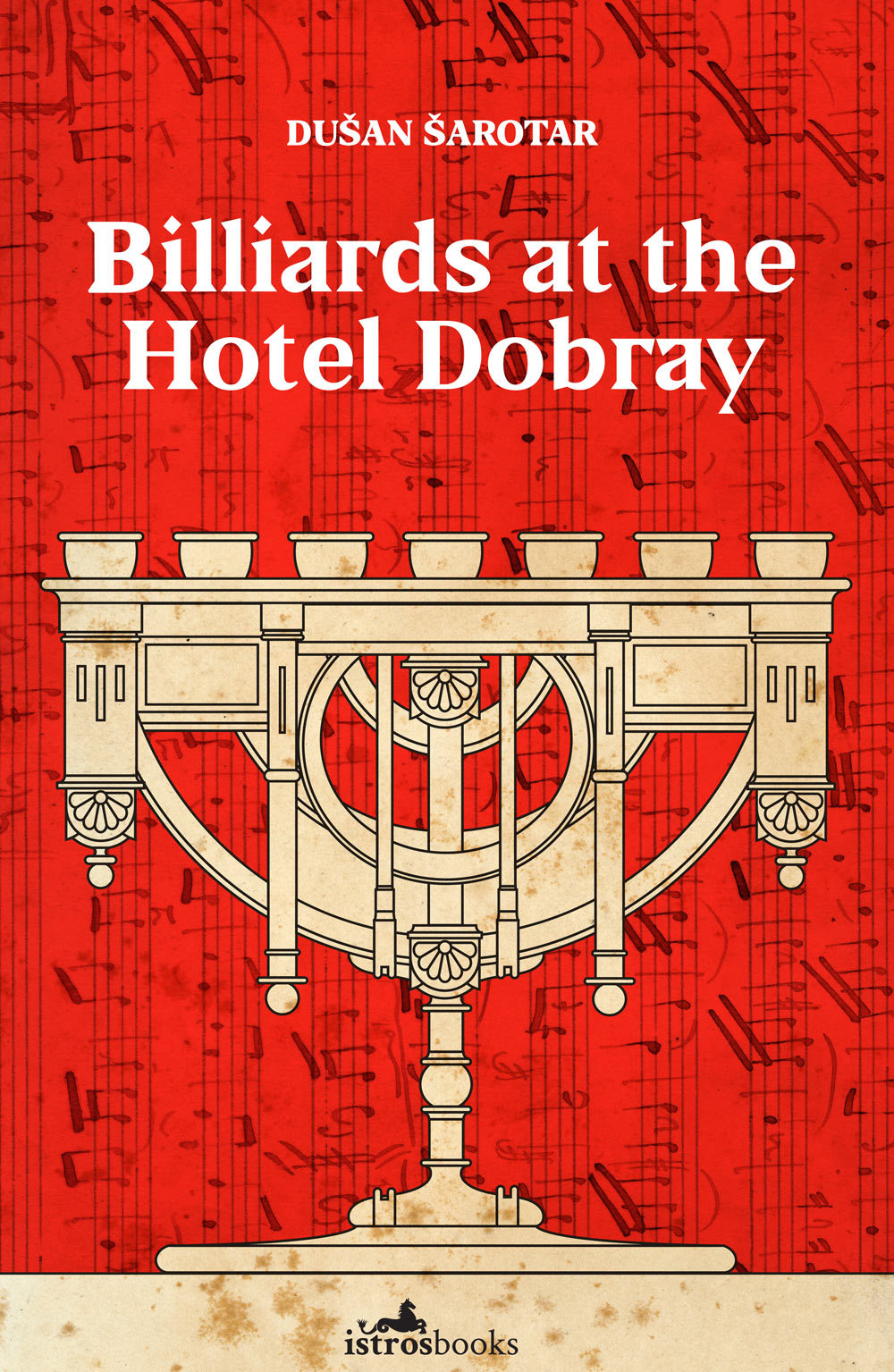
Billiards at the Hotel Dobray
Author: Dušan Šarotar
First published: 2007
Original title: Biljard v Dobrayu
Genre: Historical Fiction / Holocaust
In the northern Slovenian city of Murska Sobota stands the renowned Hotel Dobray, once the gathering place of townspeople of all nationalities and social strata who lived in this typical Pannonian panorama on the fringe of the Austro-Hungarian monarchy. Due to its historical and geographical particularities, the town had always been home to numerous ethnically and culturally mixed communities that gave it the charm and melos of Central-European identity. But now, in the thick of World War II, the town is occupied by the Hungarian army.
Franz Schwartz’s wife, Ellsie has for the past month been preparing their son Isaac, a gifted violinist, for his first solo concert, which is to take place at Hotel Dobray. Isaac is to perform on his bar mitzvah and his 13th birthday on April 26, 1944. When the German army marches into town and forces all Jews to display yellow stars on their clothes, Ellsie advises her husband that the family should flee the town and escape to Switzerland. Schwartz promises her he will obtain forged documents, but not before Isaac performs his concert at the hotel.
A year later, in March 1945, Schwartz returns, on foot, from the concentration camp as one of the few survivors.
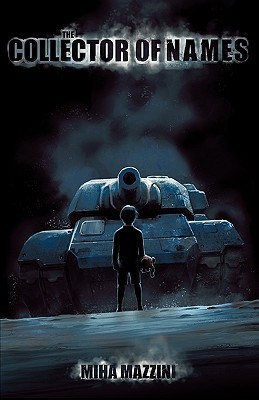
The collector of names
Author: Miha Mazzini
First published: 1993
Original title: Zbiralec imen
Genre: Horror / Speculative fiction
On an isolated island “The Name Collector” waits to fulfill his destiny to bring death and destruction upon the world. Standing in his way is only Aco and his band of brothers, a geriatric fighting force that have been training and waiting for this day since childhood. As the Name Collector asks each his name he takes it. But what’s in a name and can anyone survive without a name. An unforgettable tale of terror, comradeship and survival.
Miha Mazzini is a bestselling and award-winning Slovenian author, who has several interesting books available in English, the most famous being Crumbs. But for a variety of genres, I choose to feature this intriguing piece of speculative fiction instead.
Balerina, Balerina
Author: Marko Sosič
First published: 2012
Original title: Balerina, Baleriną
Genre: Psycological fiction
The narrator of this novel is Ballerina, a fifteen-year-old with the cognitive faculties of a child, and each of its fifteen chapters begins with her first wetting her bed and thereby greeting a new day. Drawing comparison to William Faulkner in its expressionistic depiction of Ballerina’s interior world, this is a classic of contemporary Slovenian literature: a hugely popular exploration of a character whose world is so divorced from what we think of as reality.
The Masterpiece
Author: Ana Schnabl
First published: 2020
Original title: Mojstrovina
Genre: Literary fiction
Enter two good-looking, ambitious characters: Adam is a professor of literature trying his hand at writing again, while Ana is the editor who receives his manuscript, The Masterpiece. Filled with a sense of their own destinies, the protagonists soon cross the lines of their professional relationship and become entangled in an intense, adulterous affair. But Adam moves in dissident circles and Ana owes her position as the youngest editor in the history of the biggest state publishing house to her cooperation with the dark side of the government.
The Masterpiece is a love story with tinges of the political thriller, set in the golden years of 1980s Yugoslavia. It revels in an era of unprecedented freedom of thought and travel, of dissident movements and literary scenes, while also revealing the tight grip that the state maintained on the lives of its citizens, not least through its security services and its web of informants.
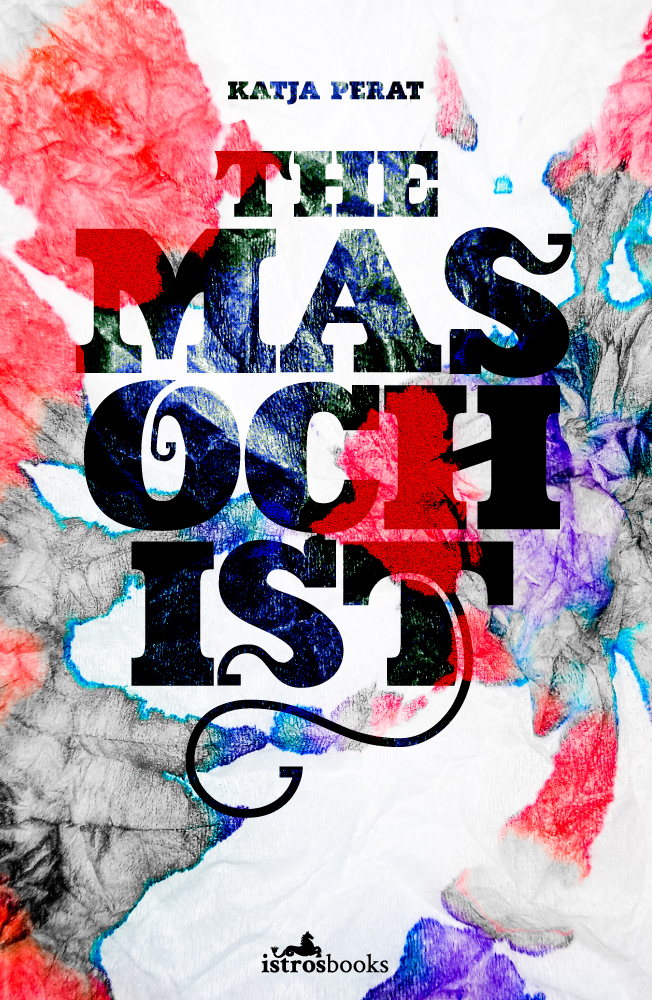
The Masochist
Author: Katja Perat
First published: 2018
Original title: Mazohistka
Genre: Historical Fiction / Literary fiction
On Christmas Eve 1874, Leopold von Sacher-Masoch, whom history would remember as the first and most famous masochist, left his home in Bruck an der Mur in Austria for the unknown. The novel surmises he didn’t come back alone, but brought with him a new family member: a tiny red-haired girl he found in the forests around Lemberg (today known as Lviv). The Masochist is a memoir of Nadezhda Moser, the woman this little girl becomes, a fictional character who forces her way among the historical figures of the time.
The Masochist ponders the limits of women’s desire and freedom against the backdrop of ethnic, class and gender tensions in the Austro-Hungarian Empire, which hasn’t yet perceived that its decline has already begun.
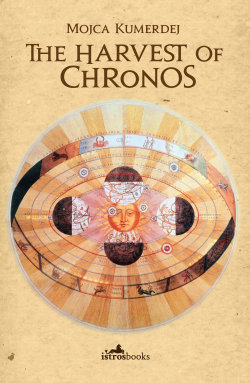
The Harvest of Chronos
Author: Mojca Kumerdej
First published: 2018
Original title: Kronosova žetev
Genre: Historical Fiction
An epic, humorous and quite unique historical novel which looks at Central Europe in the 16th century — a territory plagued by ceaseless battles for supremacy between the Protestant political elite and the ruling Catholic Habsburg Monarchy, as well as the ongoing battle between the sexes. In Kumerdej’s wonderful saga, history and fiction intertwine in wavelike fashion, producing a colorful portrait of the Renaissance; permeated by humanist attempts to resurrect antiquity through art, new scientific findings, and spirited philosophical and theological debates.
Join me, and read a book from Slovenia
From wartime shadows to surreal horror, lyrical introspection to postmodern mischief, Slovenian literature offers an unexpectedly wide spectrum of voices and styles. I went in blind, and came out with a list that includes some of the most intriguing titles I’ve encountered so far.
Have you read anything from Slovenia, or are you planning to dive into one of these? Let me know which title you’d be most curious to try!