As I expected, wars, dictatorships, and the uneasy coexistence of past and present is front and center in this list of books. Romania is yet another place where history presses heavily on literature.
But as it turns out, it has also become a list of folklore, dreamlike strangeness, and bold experiments in style, and I have hugely enjoyed doing this research. I want to read them all and more!
(But I genuinely expected vampires, and actually found none!)
A list of books to read from Romania
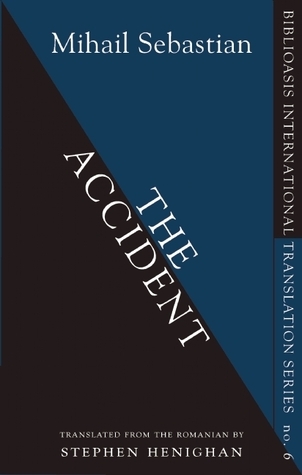
The Accident
Author: Mihail Sebastian
First published: 1940
Original title: Accidentul
Genre: Romance / Classics
Let us start with a fragile and tragic love story set in the Bucharest art world of the 1930s and the Transylvanian mountains.
The Accident is a deeply romantic, enthralling tale of two people who meet by chance. Along snowy ski trails and among a mysterious family in a mountain cabin, Paul and Nora, united by an attraction that contains elements of repulsion, find the keys to their fate.
Mihail Sebastian (1907-1945) was born in southeastern Romania and worked in Bucharest as a lawyer, journalist, novelist, and playwright until anti-Semitic legislation forced him to abandon his public career
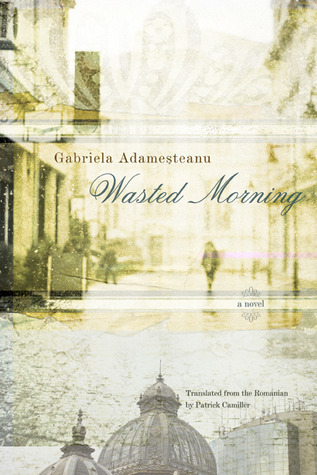
Wasted Morning
Author: Gabriela Adameșteanu
First published: 1983
Original title: Dimineaţă pierdută
Genre: Historical Fiction
Upon its original publication in 1983, Wasted Morning catapulted Gabriela Adamesteanu to the first rank of Romanian novelists, and she has since been translated into many languages.
At the center of Wasted Morning is Vica Delca, a simple, poor woman in her seventies who has endured the endless series of trials and tribulations that was Romanian history from WWI to the end of the twentieth century.
She’s a born storyteller, chatting and gossiping tirelessly. But she also listens, so it is through her that Adamesteanu is able to show us a panoramic portrait of Romanian society as the fortunes of its various strata shift violently. Rich or poor, honest (more or less) or deceitful, all of the characters in this polyphonic novel are brought vividly to life. From Bucharest’s aspirations to be the Paris of Eastern Europe to the darkest days of dictatorship, the novel presents a sweeping vision of the personal and collective costs of a turbulent century.
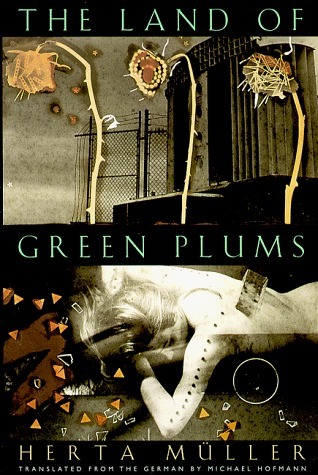
The Land of Green Plums
Author: Herta Müller
First published: 1970
Original title: Herztier
Genre: Historical Fiction
Set in Romania at the height of Nicolae Ceausescu’s reign of terror, this haunting novel tells the story of a group of young students, each of whom has left the impoverished provinces in search of better prospects in the city. It is a profound and powerful look at a totalitarian state which comes to inhabit every aspect of life; to the extent that everyone, even the most strongest, must either bend to the oppressors, or resist them and perish.
Müller’s work distills life under dictatorship into images of terror and beauty, and she was awarded the Nobel Prize in literature in 2009.
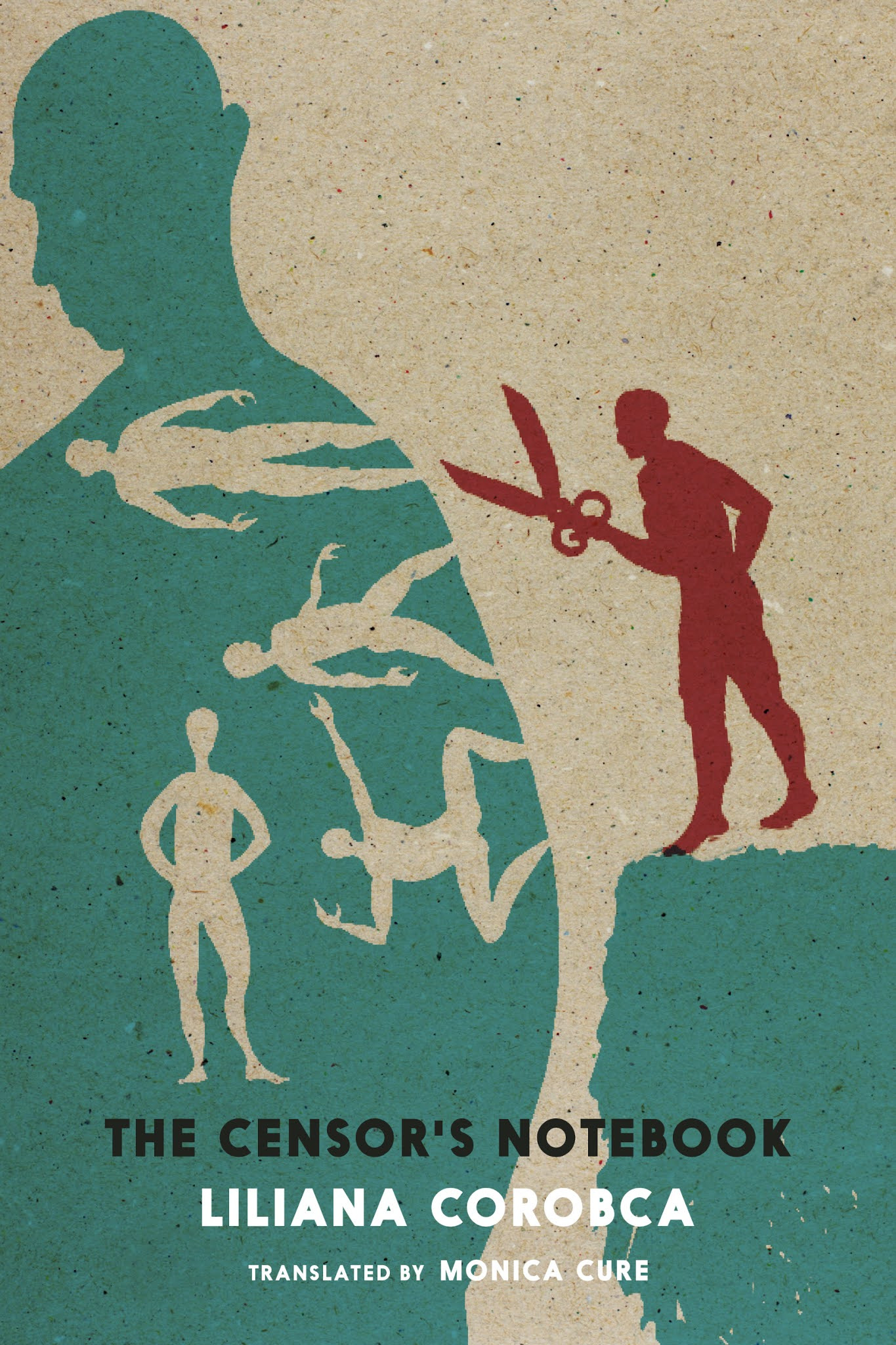
The Censor’s Notebook
Author: Liliana Corobca
First published: 2014
Original title: Controlul cartii
Genre: Historical fiction
A Censor’s Notebook is a window into the intimate workings of censorship under communism, steeped in mystery and secrets and lies, confirming the power of literature to capture personal and political truths.
The novel begins with a seemingly non-fiction frame story – an exchange of letters between the author and Emilia Codrescu, the female chief of the Secret Documents Office in Romania’s feared State Directorate of Media and Printing, the government branch responsible for censorship. Codrescu had been responsible for the burning and shredding of the censors’ notebooks and the state secrets in them, but prior to fleeing the country in 1974 she had stolen one of these notebooks.
Now, forty years later, she makes the notebook available to Liliana, the character of the author, for the newly instituted Museum of Communism. The work of a censor — a job about which it is forbidden to talk — is revealed in this notebook, which discloses the structures of this mysterious institution and describes how these professional readers and ideological error hunters are burdened with hundreds of manuscripts, strict deadlines, and threatening penalties. The censors lose their identity, and are often frazzled by neuroses and other illnesses.
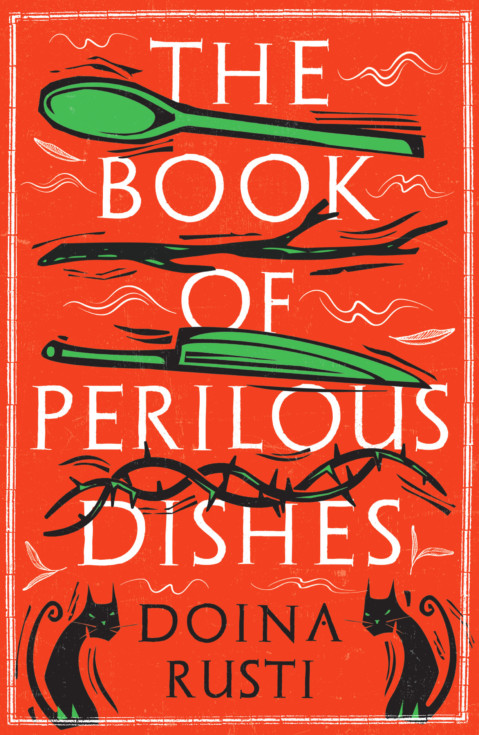
The Book of Perilous Dishes
Author: Doina Ruști
First published: 2017
Original title: Mâța Vinerii
Genre: Historical Fantasy
Set in 18th-century Bucharest, this novel follows fourteen-year-old Pâtca who inherits a mysterious recipe book filled with both culinary delights and dangerous secrets. The recipes in this magical book can bring about damaging sincerity, forgetfulness, the gift of prediction, or hysterical laughter.
She then finds her uncle murdered and the book missing. All that her uncle Zăval has left her is a strange map she must decipher. Travelling from Romania to France and on to Germany to do so, Patca’s family’s true past and powers are revealed, as is her connection to the famous and sublime chef, Silica.
If you’re looking for a gateway into Romanian literature that’s vivid, atmospheric, and a bit magical, this book looks like a treat … quite literally!
Why the Child is Cooking in the Polenta
Author: Aglaja Veteranyi
First published: 2012
Original title: Warum das Kind in der Polenta kocht
Genre: Contemporary / Magical realism
A nomadic family of circus performers, refugees from Romania, travels through Europe and Africa by caravan. The mother’s death-defying act causes constant anxiety for her two daughters, who voice their fears through a grisly communal fairy tale about a child being cooked alive in polenta. But their real life is no less of a dark fable, and one that seems just as unlikely to have a happy ending.
An actor and performance artist as well as a poet and novelist, Veteranyi was acclaimed for her seemingly “artless” narrative voice, in which pain and hilarity always vie for the upper hand. A voice at once lyrical and jaded, prurient and spiritual, comical and horrifying.
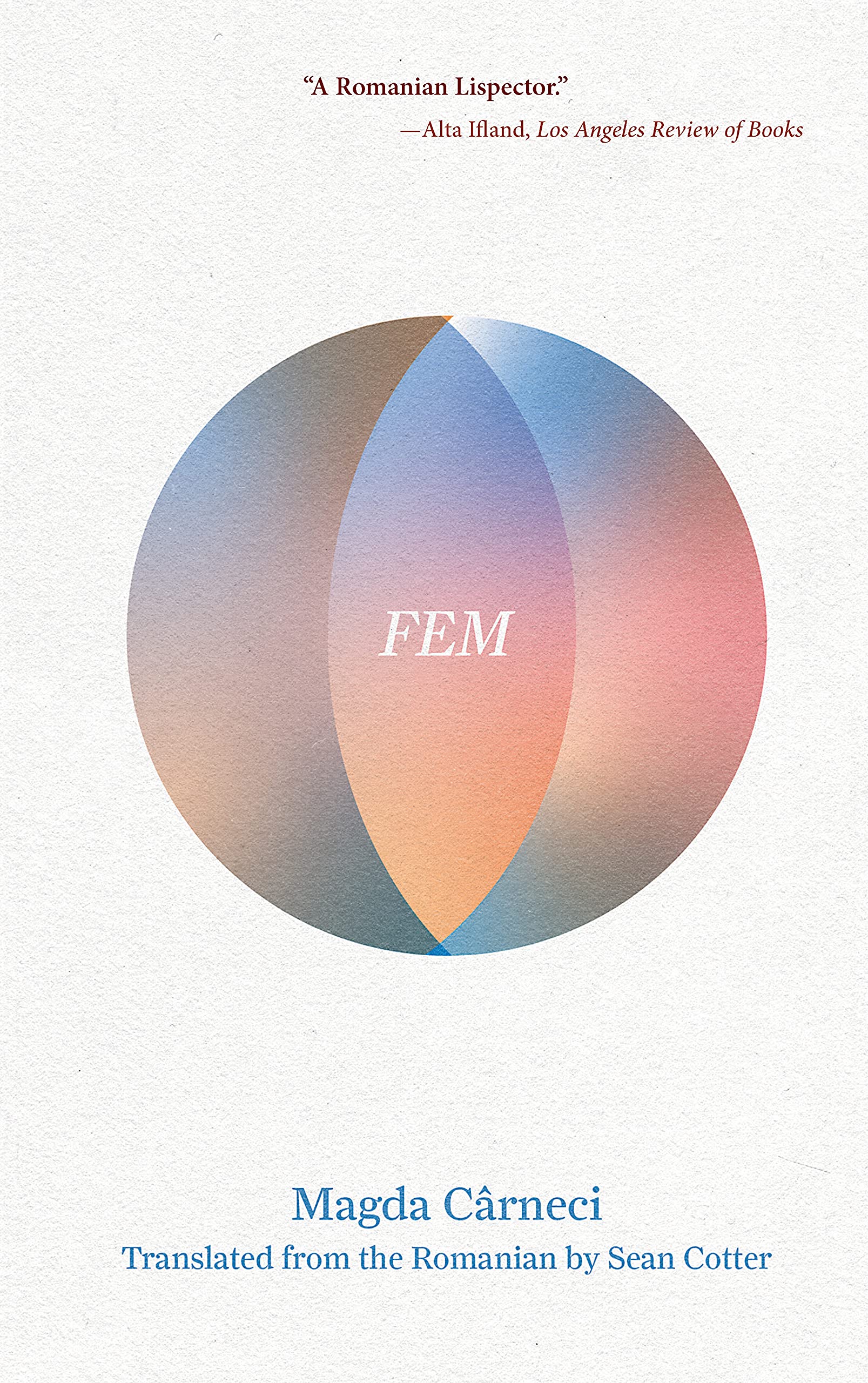
FEM
Author: Magda Cârneci
First published: 2011
Original title: FEM
Genre: Feminist / Experimental / Contemporary
This modern classic of global feminist literature is the only novel by one of Romania’s most heralded poets, styled as a long letter addressed to the man who is about to leave her.
A woman meanders through a cosmic retelling of her life from childhood to adulthood with visionary language and visceral detail. Like a contemporary Scheherazade, she spins tales to hold him captivated, from the small incidents of their lives together to the intimate narrative of her relationship to womanhood. Through a dreamlike thread of strange images and passing characters, her stories invite the reader into a fantastical vision of love, loss, and femininity.
It’s lyrical and meditative, less about plot than sensation, making FEM a powerful choice for readers curious about feminist writing in Eastern Europe.
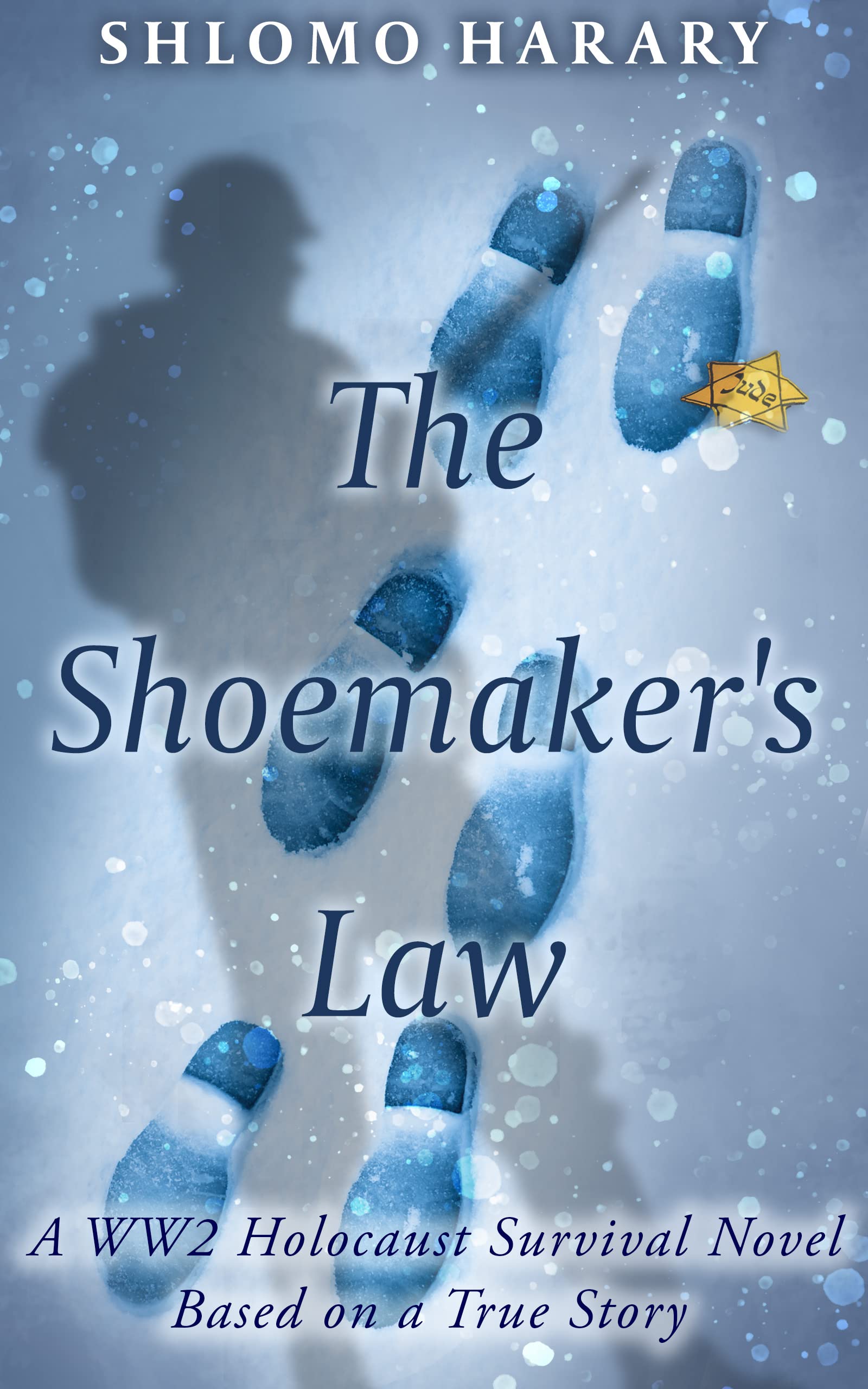
The Shoemaker’s Law
Author: Shlomo Harary
First published: 2022
Original title: The shoemaker’s law
Genre: Historical Fiction / Jewish / Holocaust
1941. The armies of Germany and Romania take over the city of Czernowitz, quickly turning it from a peaceful, picturesque town to a Ghetto for over fifty thousand Jews. Aaron, a local shoemaker, frantically fights for the survival of his family – including his two-month-old baby. He decides to break all the rules, knowing that one wrong move will be his last.
Half courageous, half desperate, Aaron decides to strike an unbelievable deal with the most unlikely figure – one that will guarantee his family’s safety. He will make himself useful in this ruined world, where soldiers hold your fate in their iron grip.
A world filled with new rules, but only one law – to survive.
The Necessary Mariage
Author: Dimitri Tsepeneag
First published: 1992
Original title: The Necessary Marriage
Genre: Surrealism
In this slim novel a man lies sleepless in a foul-smelling room while raucous noises come from next door, and women – past and present, real or imagined – pass through his mind.
From these few elements, Tsepeneag builds a dreamlike world both ancient and contemporary, and “The Necessary Marriage” confirms Tsepeneag’s position as a leading figure of Romanian surrealism and one of the most important Eastern European writers of the post-communist era.
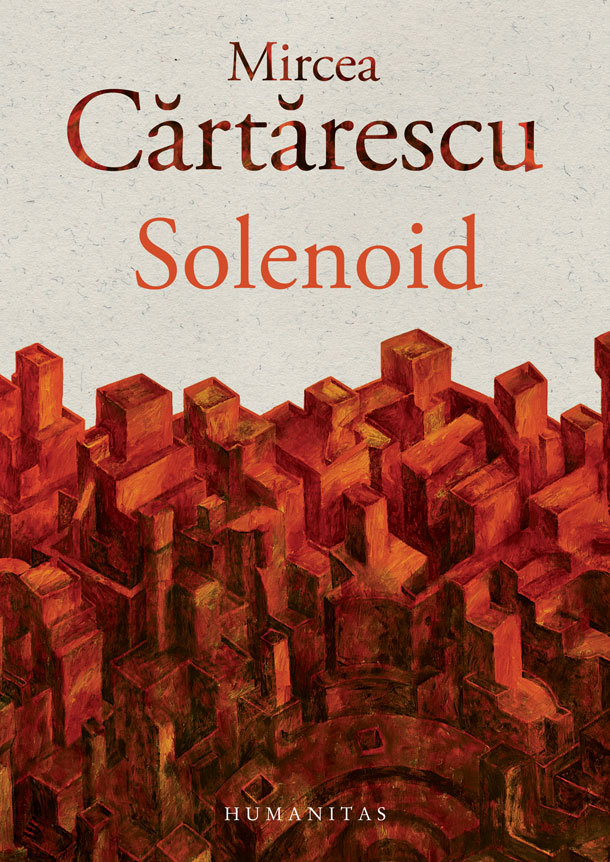
Solenoid
Author: Mircea Cărtărescu
First published: 2015
Original title: Solenoid
Genre: Literary fiction
And finally we arrive at this highly acclaimed giant of Romanian literature.
Based on Cărtărescu’s own role as a high school teacher, Solenoid begins with the mundane details of a diarist’s life and quickly spirals into a philosophical account of life, history, philosophy, and mathematics. One character asks another: when you rush into the burning building, will you save the newborn or the artwork? On a broad scale, the novel’s investigations of other universes, dimensions, and timelines reconcile the realms of life and art.
The novel is grounded in the reality of late 1970s/early 1980s Communist Romania, including long lines for groceries, the absurdities of the education system, and the misery of family life. The text includes sequences in a tuberculosis sanatorium, an encounter with an anti-death protest movement, a society of dream investigators, and an extended visit to the minuscule world of dust mites living on a microscope slide.
And at nearly 700 pages, it is probably not the one I will personally choose to read for this project, but maybe you are in the mood for a giant? I recently saw someone on Instagram deeming it one of his favorite books of all time.
Join me, and read a book from Romania
I really enjoyed putting this list together. Romania turned out to be such a surprising mix, from tram accident love story to surreal dream journals and perilous recipes.
This list spikes out in every possible direction, and that’s exactly how I like it.
At any rate, I hope you’ll join me in exploring Romania through some of these pages. Which one would you reach for first? Tell me in the comments!