The word of the cook and the power of tree-frog sauce
This book promised me food descriptions, and gave me a map and a glossary. I mean … how could I not? And what a marvellously magical page-turner it was!
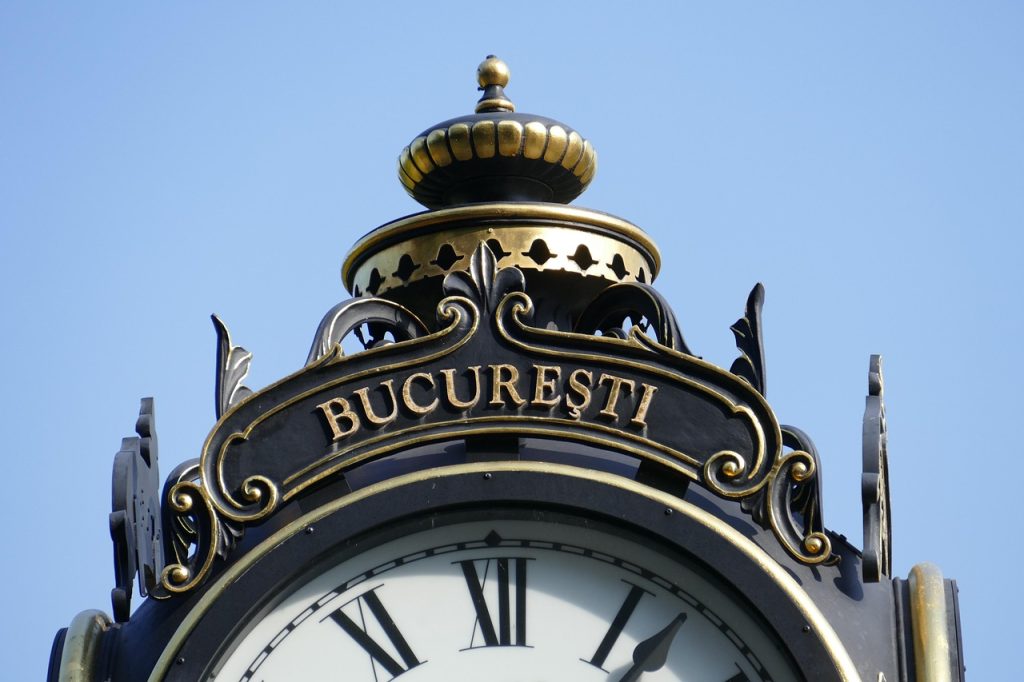
The Book of Perilous Dishes is fast paced and adventure filled historical fantasy. Doina Ruști transports us to 18th century Bucharest. And the city is teeming with witches, scheming priests, gossiping minstrels, courtly intrigue, Greek royalty, Turkish bandits and French diplomats.
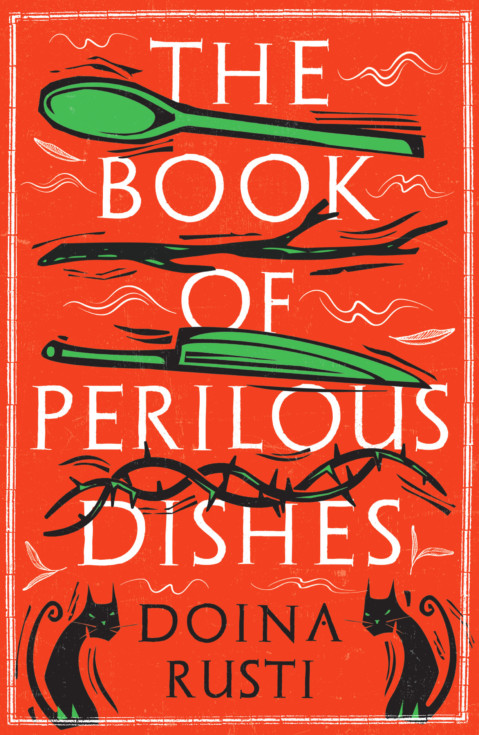
In the middle of it all is Pâtca, a clever and strong-willed 14 year old girl, trying to recover a magical cookbook after her grandmother is hanged for witchcraft, and her uncle has died under dramatic and mysterious circumstances. Because Silica, an eccentric royal cook, appears to have stolen said magical cookbook from Pâtca’s uncle.
At the heart of this world are the Satorines, a secret guild of sorts whose magic comes from the ancient deity of Sator. Pâtca’s grandmother and uncle were powerful Satorines, but Pâtca is still a novice and struggles to coexist with this extremely powerful but very unreliable deity.
His walnut and fruit-juice jelly cakes would leave anyone gaping too, not just because of their taste, but also for the forms they took, like castles melting under the weight of snowfalls. And he didn’t just make food for ravenous stomachs, but also for desperate souls. Here I might mention the cockchafer beetles, soaked overnight in wine and then roasted on hot coals. He was the godfather of liqueurs, the maestro of afyon, and a sort of pater veneni, who knew elixirs against world-weariness and lassitude but also undreamed-of sauces that were good for the sicknesses of the blood.
The mouth-watering food descriptions in this book really are out of this world, and expertly woven into the story. But beware! Because these dishes have the power to induce damaging sincerity, forgetfulness, the gift of prediction, or hysterical laughter. And in the hands of the wrong people, madness and chaos will ensue!
I’ll admit I found the story rather confusing for the first 70 pages or so, and had to jump back a few times to follow the narrative, which seems a little loose in the first couple of chapters. But about a third into the story, I was completely hooked.
The worldbuilding is so well done and the gallery of characters is wonderfully diverse and colourful. And the way all of the mystery and loose plot strings are tied up in the end really is *chef’s kiss*. Pun intended, sorry …
In a person’s eyes you can always see the food they have filled themselves with. The pleasures of the gut rise like weeds to the surface.
After the abstract dreamscapes of Kadare and the confusing jumble of lists, that was Bulgaria’s contribution to my reading journey, it was so refreshing to sink my teeth into a story with an actual plot.
Doina Ruști’s novel may be a little hard to get into, but it’s well worth the effort. The narrative glows with imagination and colour, blending folklore, food, and history into a rich, heady stew.
With a sprinkling of magical ladybird wings.
Bon appetite.