Did you know that Bulgaria is the world’s main producer of rose oil? I didn’t either, but that fact alone makes me want to visit the place in person.
But alas. I will have to settle for a book.
These are the ten books I chose to feature from Bulgaria – a country shaped by empires, mountains, and monasteries; by communism, transition, and quiet resilience. Its literature carries traces of both Europe and the East, of melancholy and sharp humor, and of memory and myth.
A list of books to read from Bulgaria
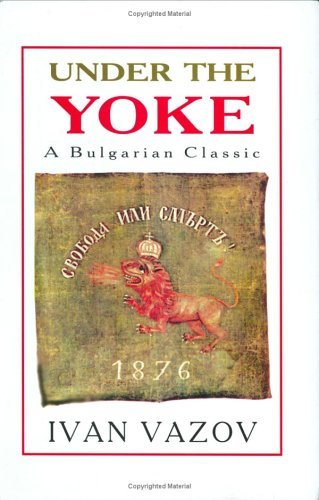
Under the Yoke
Author: Ivan Vazov
First published: 1888
Original title: Под игото
Genre: Classics / Historical Fiction
Let’s start by going way back, and picking up the great Bulgarian classic, shall we?
The tranquility in a Bulgarian village under Ottoman rule is only superficial: the people are quietly preparing for an uprising. The plot follows the story of Boycho Ognyanov, who, having escaped from a prison in Diarbekir, returns to the Bulgarian town of Byala Cherkva (White Church, today Sopot) to take part in the rebellion. There he meets old friends, enemies, and the love of his life. The plot portrays the personal drama of the characters, their emotions, motives for taking part in or standing against the rebellion, betrayal and conflict.
Historically, the uprising fails due to bad organization, limited resources, and betrayal. The way in which the Ottomans break the uprising down then becomes the pretext for the Russian-Turkish war,that brought about Bulgarian independence.
Under the yoke is a time capsule of Bulgaria’s fight for freedom, and still allegedly the novel every Bulgarian student knows by heart.
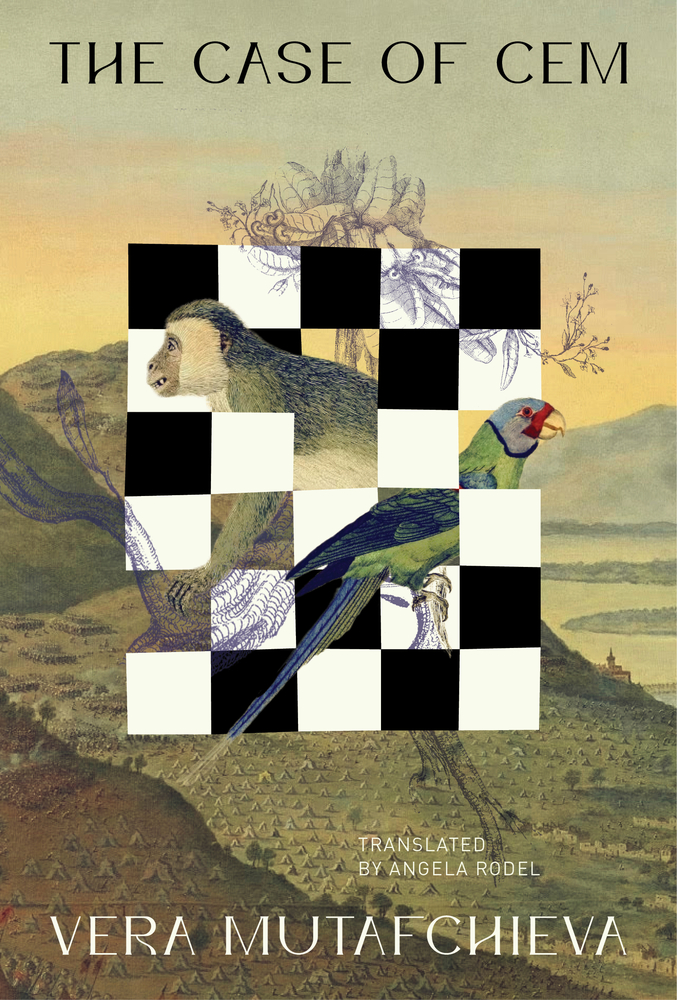
The case of Cem
Author: Vera Mutafchieva
First published: 1966
Original title: Случаят Джем
Genre: Historical Fiction
It’s 1481, and as seen from the centers of power in Rome and Venice, the cultures of Europe are under threat from the expansion of the Ottoman Empire. When the exalted Sultan Mehmed the Conqueror dies, his eldest son, Bayezid, takes the throne. However, discontented factions within the Ottoman army urge Mehmed’s second son, Cem, a well-educated and experienced warrior, to oppose his brother’s ascension, igniting a ruthless power struggle and forcing Cem into long years of exile, a pawn for European rulers who are desperate to preserve the order they have imposed on the continent over the course of centuries.
The Case of Cem, Vera Mutafchieva’s celebrated novel of court intrigue, maintains lasting resonance for being a personal exploration of emigration and loss set in the historical era during which the politics of the East and West were sketched out with utter clarity. These early lines of demarcation, as voiced through Christian and Muslim emissaries, greedy leaders, unflinching soldiers, and lyrical poets, have indelibly influenced the world as we know it today.
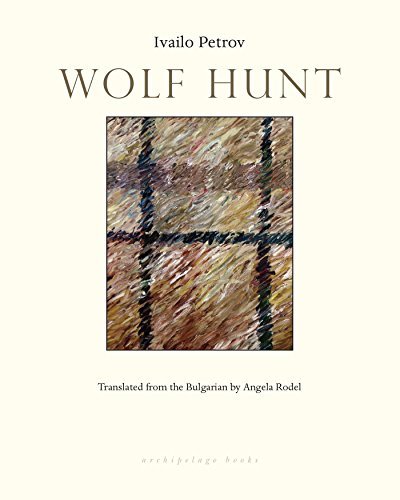
Wolf Hunt
Author: Ivailo Petrov
First published: 1986
Original title: Хайка за вълци
Genre: Historical Fiction
Published in 1986, three years before the fall of the Berlin Wall, Wolf Hunt was the first novel to portray the human cost of Communist policies on Bulgarian villagers, forced by the government to abandon their land and traditional way of life.
Darkly comic and deeply tragic, the novel centers on an ill-fated winter hunting expedition of six neighbors whose history together is long and interwoven. The ensuing story takes the reader on a voyage of shifting perspectives that places the calamitous history of twentieth-century Bulgaria into a human context of helplessness and desperation.
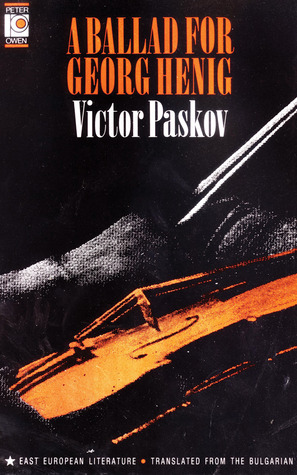
A ballad for Georg Henig
Author: Victor Paskov
First published: 1987
Original title: Баладa за Георг Хених
Genre: Novella
A young boy befriends an elderly, empoverished Czech violin-maker living in Sofia’s postwar ruins. Through their bond, Paskov creates a quiet, heartbreaking story about art, dignity, and loss. A Ballad for Georg Henig was a bestseller in Bulgaria – is a small book with an enormous soul.
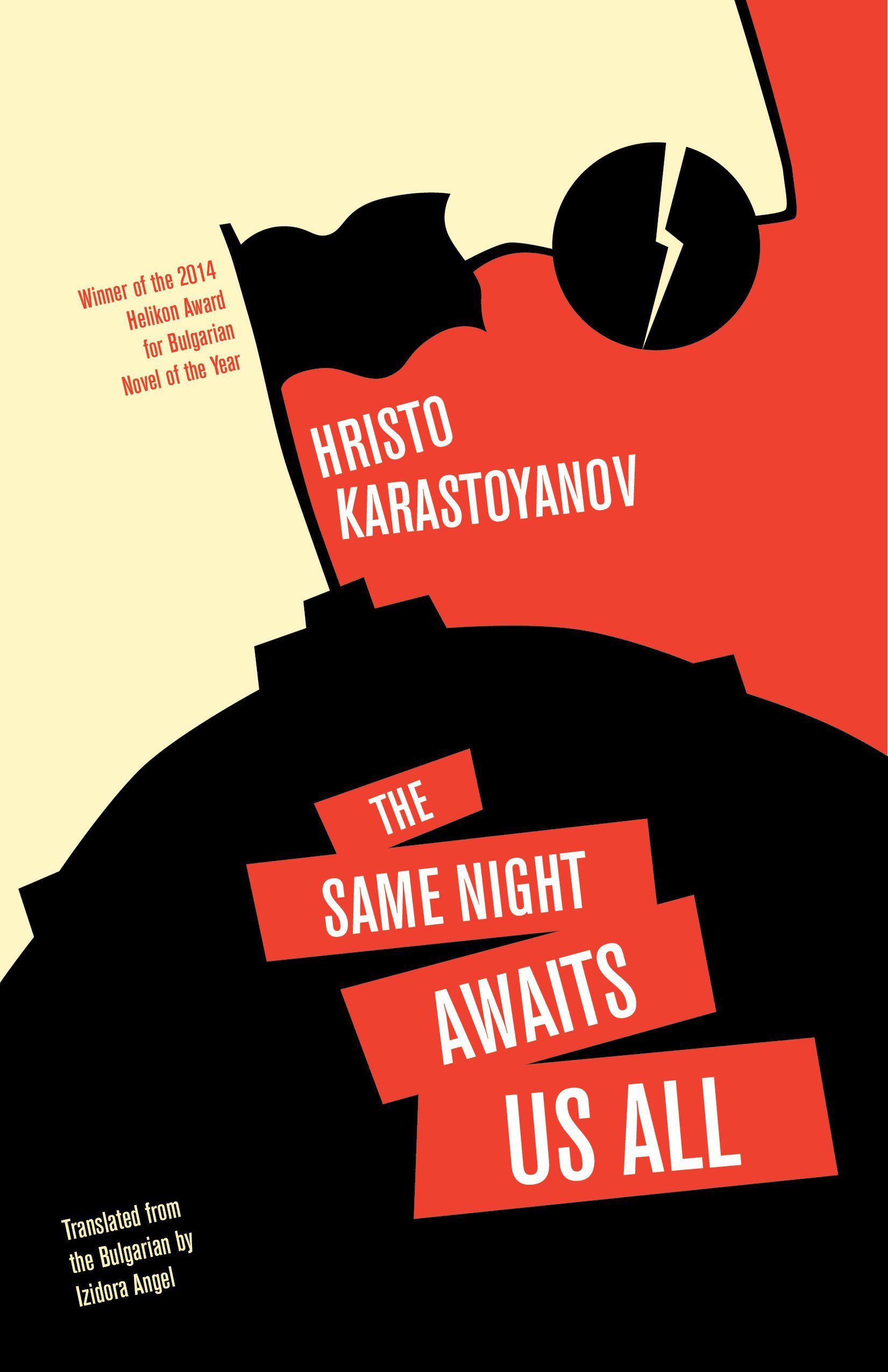
The same night awaits us all
Author: Hristo Karastoyanov
First published: 2014
Original title: Същата нощ чака всеки от нас
Genre: Historical Fiction
In June of 1923, a military coup established Aleksandar Tsankov as the new leader of Bulgaria. His fascist policies — especially aimed at the Bulgarian Communist Party — led to the failed September Uprising and an extended period of martial law. At that same time, Geo Milev — one of Bulgaria’s most beloved poets — started a politically charged literary magazine with Georgi Sheytanov, a notorious anarchist on the run. Eighteen months later, the government assassinated both of them, although Milev’s body wouldn’t be found for another thirty years.
Karastoyanov deconstructs this period, blending this adventurous tale of resistance with current-day reflections on what this period meant to Bulgaria and the world. It is a story of fear, censorship, and the courage of those who refuse to be silenced.
Hristo Karastoyanov is a multi-award winning contemporary Bulgarian novelist, playwright, and political essayist. All seven of his novels have been shortlisted for the prestigious Helikon Award.
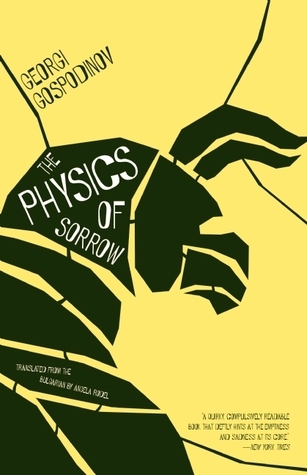
The physics of sorrow
Author: Georgi Gospodinov
First published: 2011
Original title: Физика на тъгата
Genre: Magical realism / Historical fiction / Memoir
A finalist for both the Strega Europeo and Gregor von Rezzori awards (and winner of every Bulgarian honor possible), The Physics of Sorrow reaffirms Georgi Gospodinov’s place as one of Europe’s most inventive and daring writers.
Using the myth of the Minotaur as its organizing image, the narrator of this novel constructs a labyrinth of stories about his family, jumping from era to era and viewpoint to viewpoint, exploring the mindset and trappings of Eastern Europeans. Incredibly moving: such as with the story of his grandfather accidentally being left behind at a mill. And extraordinarily funny: see the section on the awfulness of the question “how are you?”
Physics of sorrow is a book that you can inhabit, tracing connections, following the narrator down various “side passages,” getting pleasantly lost in the various stories and empathizing with the sorrowful, misunderstood Minotaur at the center of it all.
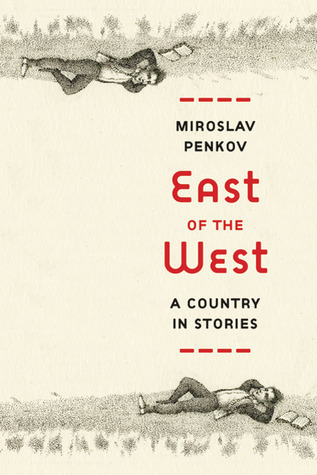
East of the West
Author: Miroslav Penkov
First published: 2011
Original title: East of the West
Genre: Short stories
A grandson tries to buy the corpse of Lenin on eBay for his Communist grandfather. A failed wunderkind steals a golden cross from an Orthodox church. A boy meets his cousin (the love of his life) once every five years in the river that divides their village into east and west. These are Miroslav Penkov’s strange, unexpectedly moving visions of his home country, Bulgaria, and they are the stories that make up his beguiling and deeply felt debut.
In East of the West, Penkov writes with great empathy of centuries of tumult; his characters mourn the way things were and long for things that will never be. But even as they wrestle with the weight of history, with the debt to family, with the pangs of exile, the stories in East of the West are always light on their feet, animated by Penkov’s unmatched eye for the absurd.
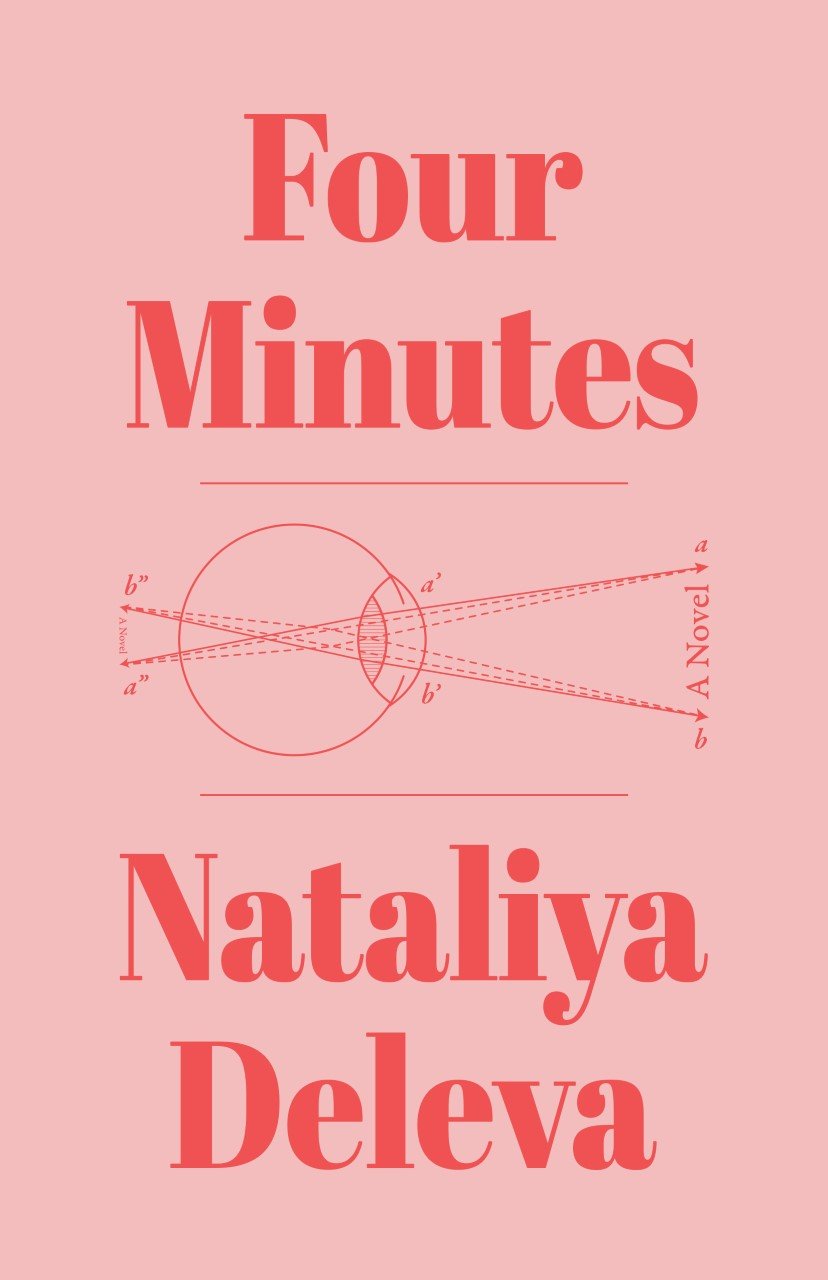
Four Minutes
Author: Nataliya Deleva
First published: 2017
Original title: Четири минути
Genre: Contemporary / Literary Fiction / LGBTQ
Giving voice to people living on the periphery in post-communist Bulgaria, Four Minutes centers around Leah, an orphan who suffered daily horrors growing up, and now struggles to integrate into society as a gay woman. She confronts her trauma by trying to volunteer at the orphanage, and to adopt a young girl — a choice that is frustrated over and over by bureaucracy and the pervasive stigma against gay women.
In addition to Leah’s narrative, the novel contains nine other standalone character studies of other frequently ignored voices. These sections are each meant to be read in approximately four minutes, a nod to a social experiment that put forth the hypothesis that it only takes four minutes of looking someone in the eye and listening to them in order to accept and empathize with them.
A meticulously crafted social novel, Four Minutes takes a difficult, uncompromising look at modern life in Eastern Europe.
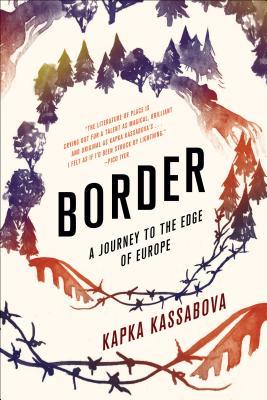
Border: A journey to the edge of Europe
Author: Kapka Kassabova
First published: 2017
Original title: Border
Genre: Non-fiction / Travel / Memoir
In this extraordinary work of narrative reportage, Kapka Kassabova returns to Bulgaria, from where she emigrated as a girl twenty-five years previously, to explore the border it shares with Turkey and Greece. When she was a child, the border zone was rumored to be an easier crossing point into the West than the Berlin Wall, and it swarmed with soldiers and spies. On holidays in the “Red Riviera” on the Black Sea, she remembers playing on the beach only miles from a bristling electrified fence whose barbs pointed inward toward the enemy: the citizens of the totalitarian regime.
Kassabova discovers a place that has been shaped by successive forces of history: the Soviet and Ottoman empires, and, older still, myth and legend. Her exquisite portraits of fire walkers, smugglers, treasure hunters, botanists, and border guards populate the book. There are also the ragged men and women who have walked across Turkey from Syria and Iraq. But there seem to be nonhuman forces at work here too: This densely forested landscape is rich with curative springs and Thracian tombs, and the tug of the ancient world, of circular time and animism, is never far off.
Border is a scintillating, immersive travel narrative that is also a shadow history of the Cold War, a sideways look at the migration crisis troubling Europe, and a deep, witchy descent into interior and exterior geographies.
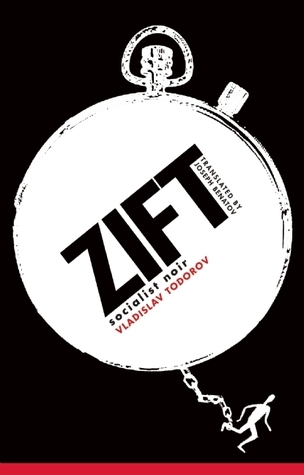
Zift: A noir novel
Author: Vladislav Todorov
First published: 2006
Original title: Дзифт
Genre: Noir
December 21, 1963: Having served 20 years for a murder he didn’t commit, “Moth” exits Central Sofia Prison anticipating his first night of freedom. Instead he steps into a new and alien world, the nightmarish totalitarianism of Communist Bulgaria. In his first hours of freedom he traverses the map of a diabolical city, full of decaying neighborhoods, gloomy streets, and a bizarre parade of characters.
A novel of grave wit, Zift unfolds in the course of a single, frenetic night, offering a fast-paced, ghoulish, even grotesque, but also enchanting, tour of shadowy, socialist Sofia. To achieve his depiction of totalitarian absurdity, Vladislav Todorov combines the methods of hardboiled American crime fiction and film noir with socialist symbols and communist ideological clichés.
Join me, and read a book from Bulgaria
From uprising to noir, from idealists and dissidents to wanderers and survivors, these ten books trace Bulgaria’s long dance between East and West, memory and modernity.
Have you read any Bulgarian authors? Or do you have another book to recommend? Let me know! I’d love to add a few more to my shelf while I dream of seeing the roses for myself.