If only I could hurry up and die
Anatolia Sevoyants is fully convinced that she is about to die.
She could call her neighbour Yasaman, who is an accomplished healer, but Yasaman might call an ambulance to take Anatolia to the hospital in the valley. And Anatolia definitely does not want to go to a hospital. So her final preparations instead includes feeding the chickens, cleaning the house, and laying out grave clothes with dutiful practicality.
Anatolia’s life has been hard. Her mother and sisters died young, her father left and her husband was abusive. Now she is a widow, and at 58 she is the youngest resident in the village of Maran.
She had decided to die with her dignity and tranquillity intact, in peace and quiet, within the walls of the home where she had lived her difficult, futile life
The little village is on the end of a perilous mountain path, perched on a cliff in the Armenian highlands. It has survived earthquakes, famine, war, and an abundance of private heartbreaks, all of which have left it populated entirely by elderly villagers who know each other’s histories as intimately as their own.
But when someone shows up with a scythe at Anatolia’s doorstep, it is not death. Instead it is the newly widowed blacksmith Vasily with a marriage proposal, heavily encouraged by Anatolia’s clever and nosy neighbours. Fully expecting that she will die any minute, Anatolia accepts.
Vasily is delighted. And Antatolia does not die.
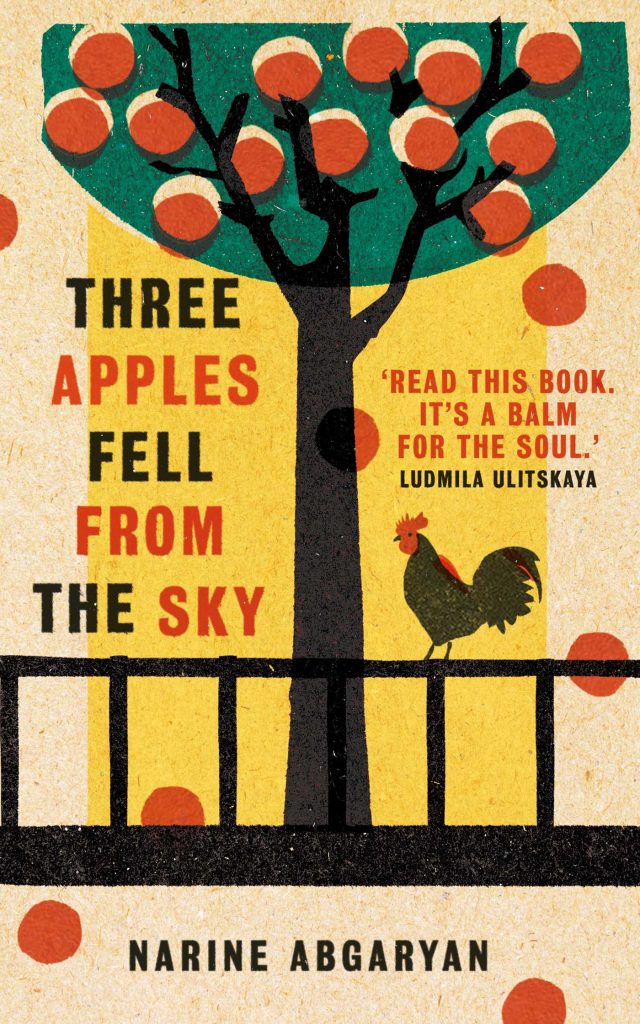
The novel has several different POVs and is divided into three parts, where the first and last are Anatolia’s and Vasily’s story. The middle part revolves around the residents of the house that was miraculously left standing when an entire section of the mountain collapsed in the earthquake, taking with it several households.
In the house that survived the catastrophe live Vano and Valinka, whose grandson has, like all young people of Maran, gone to the city to earn a living. A part of the book is devoted to his wife Nastasya and gives us the outsider’s perspective. This was the weakest part of the book for me, but I do see the point.
It’s better to think a hundred times and then speak once than to circulate all this blather unthinkingly
Except Nastasya, whose arch I found a little annoying, I adored every single character of Maran. Women who uphold traditions and whose practical wisdom keeps the community stitched together. Men of few words, shaped by memory and mountain weather.
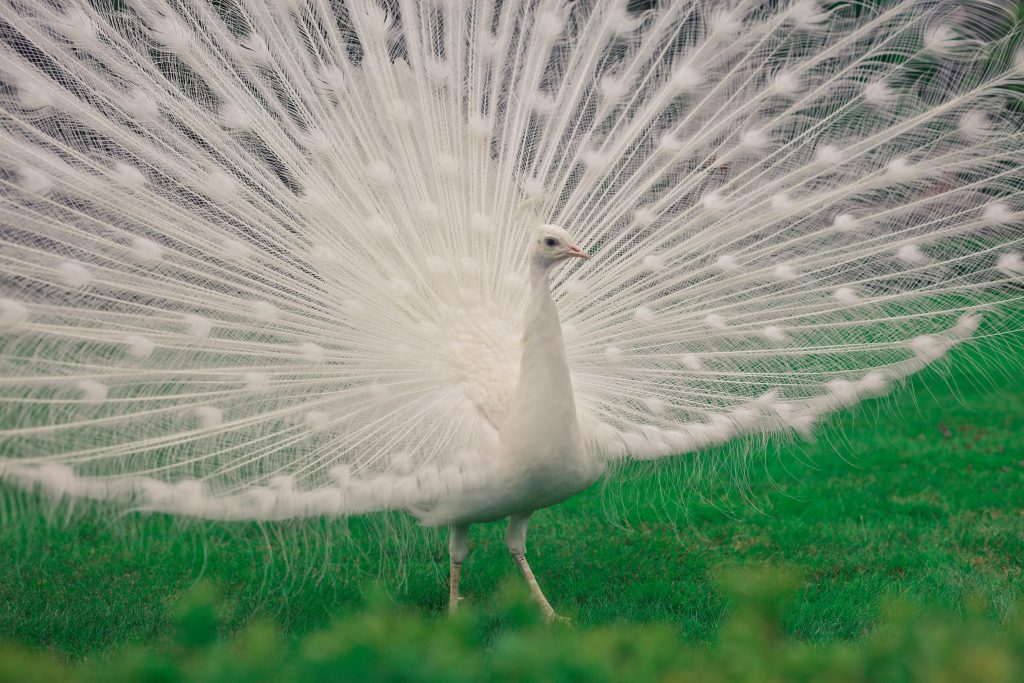
There’s a gentle humour in this book, and the magical and the real mix seamlessly through the whole story. A packet of dried yeast causes a full-fledged village emergency. A woman is buried in a man’s shoes to bring them to him in the afterlife. Several people have prophetic dreams, especially on Wednesdays, and a small boy sees angels coming from the sky to fetch the dead. A white peacock may or may not be magic, and the ghost of Vasily’s dead wife visits him with important news. Death and life in this book are like neighbours swapping stories over a fence.
It is delightful. It is melancholic, it is vivid. It is luscious and poetic.
And it is just plain fun.
So, by the end, when new life arrives in Maran, tiny, improbable and hopeful, I found myself against all odds believing in the future of this fragile, fictional place. I did not want to leave.

The title of the book refers to the traditional ending of Armenian folktales:
One apple for the storyteller,
One for the listener,
And one for the eavesdropper.
By the time I finished the novel, I felt very much like the eavesdropper lucky enough to be handed an apple of my own.
But if apples are not your thing, there are other options for Armenia here.