Bricks and mortar carry the echoes of history engraved within them
Well, this was not what I expected at all!
This book is very hard to pin down. It starts out like a rather cute working-class coming-of-age tale. Jonathan Gallardo, the child of a British woman and a Gibraltarian man is orphaned at three years old. He lives with his aunt for a while, and when she also dies, he is placed in an orphanage.
The kids in the orphanage fight the other kids in town, and after a brutal street fight leaves Jonathan with a head injury, he starts experiencing something strange: at certain locations around Gibraltar, he hears voices tied to past events: crimes, arguments, suffering.
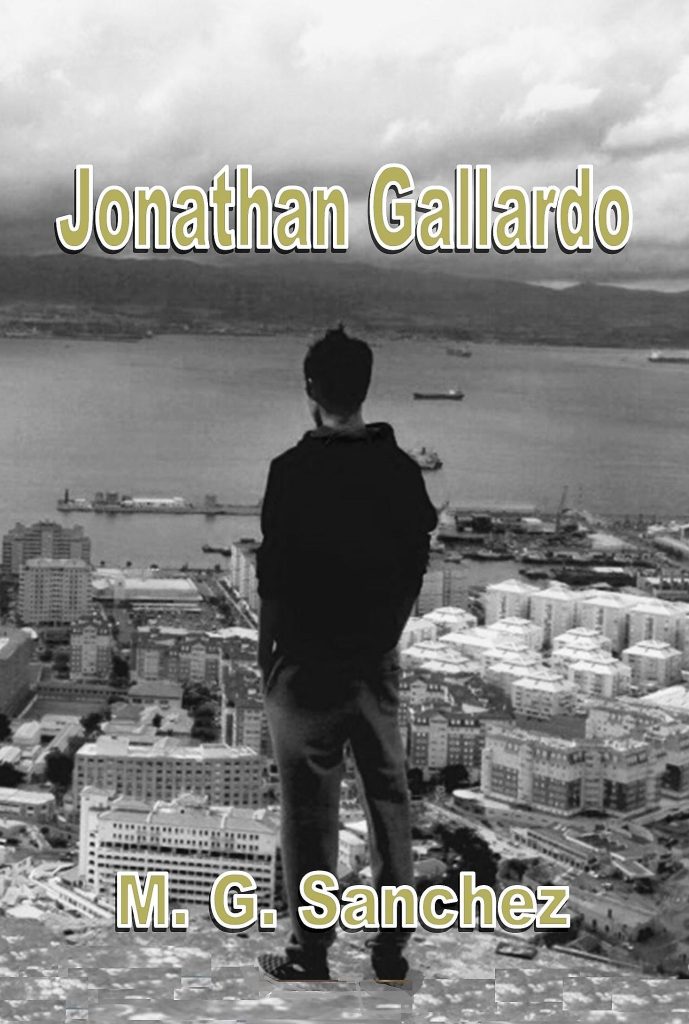
But from here, the book veers into psychological mystery, magical realism, and something that feels close to horror. At first, Jonathan’s episodes involve only historical incidents, long-past tragedies literally haunting the present. And though ominous, he learns to avoid them by avoiding the places that trigger them.
For a brief and glorious period of time, Jonathan almost lives in the library, the young boy almost becoming an academic, researching and trying to understand what is happening to him.
But as he becomes a young adult, the conditions worsens and the voices in his head do not stay in the past. He starts experiencing events that haven’t happened yet – always impending disasters or violence, and he’s powerless to stop them.
He struggles increasingly with his with mental health, isolation, alcoholism and the terrifying notion that time is “out of joint” for him. The narrative becomes an exploration of existential confusion: if you knew terrible things from the past and future, how would you cope? How do you keep a relationship with the people in your life if you know how they will die.
Gibraltar itself seems to rise up off the pages. The city is everywhere in this book. Street names, intersections, walls and lanes and alleys — almost every scene is tied to a specific place. It makes you want to open Google Earth and hop from street to street as the characters walk. But at times it honestly also made me sigh and wish he’d get on with the story instead of listing street names. But it’s probably the most vivid sense of place I’ve encountered so far on the blog. And it made me regret something: some years ago, I was on holiday in southern Spain, not all that far from the Rock. I didn’t go. Now I really wish I had. Cry-emoji.
If you pick this up, I should maybe warn you that there are a lot of Spanish lines in this book. Not always translated. I had Google Translate close by, which worked fine for me, and it gave the book texture and realism, which I appreciated. Gibraltarians speak like this in a mixture of English and Spanish.
M.G. Sanchez, the author, is Gibraltarian himself and has written several novels and essays about the place. He’s one of the few people writing fiction in English that’s so specifically rooted in Gibraltar, and you can definitely tell that Gibraltar for him is not just a backdrop – it is very much a lived in experience.
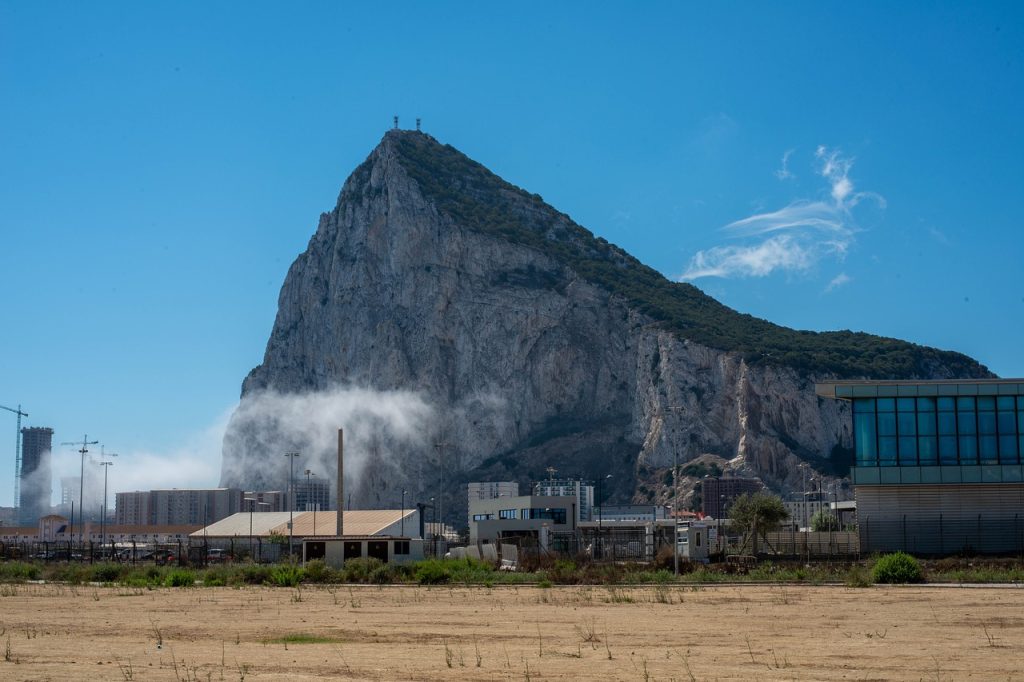
Towering above them is the Rock’s northern cliff-face, a vast, unending symphony of sharp bone-white crags and patches of thorny dark green maquis. Despite having worked at the plant for several years now, Jonathan still feels a twinge of nervousness every time he looks up at that sheer 400-metre precipice. Part of his unease stems from the knowledge that the section of Devil’s Tower Road where the plant is based is subject to intermittent rockfalls. Thankfully, most of the time these turn out to be relatively minor affairs, noisy and fleeting pebble showers that fall into the cordoned-off zone by the foot of the Rock, occasionally raising clouds of fine limestone dust. Cagadas de mono, Pepe calls them. “Monkey shits.”
Jonathan Gallardo was very different from what I expected. It was stranger, sadder, but also much more interesting. I don’t know if I’d recommend it to everyone, especially if you’re not in the mood for something dark. But I would absolutely recommend it to anyone curious about Gibraltar, or anyone who likes books where the setting does half the storytelling.
You walk with Jonathan. You listen with him. You try to make sense of what’s real and what isn’t.
And sometimes, the city talks back.