Perhaps only in a world of the blind will things be what they truly are
A city is struck by a sudden, inexplicable epidemic of blindness. One by one, people lose their sight. The first victim is a man at a traffic light, then those who come into contact with him, and soon the entire population.
The government’s response is swift but merciless, quarantining the blind in a makeshift asylum where chaos, desperation, and human nature at its worst unfold. And one woman, inexplicably immune to the blindness epidemic, becomes the sole seeing witness to the unraveling of civilization.
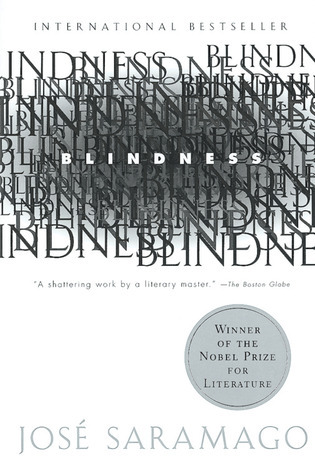
José Saramago was awarded the Nobel Prize in literature in 1998, not for this book but for his writing as a whole. As I usually enjoy speculative fiction, and since this book is highly praised as a modern classic and featured on every single must-read dystopia list I have ever seen, it has of course been on my TBR for ages, and I was rather excited to finally pick it up.
And it was just as harrowing and thought-provoking read as I expected it to be, but not exactly in a way I enjoyed. Saramago’s prose is famously challenging, with long, flowing sentences and dialogue embedded within paragraphs. I opted for the audio, and I think that was a good choice for this one, because I actually didn’t find the dialogue as confusing as many reviewers seem to do.
But it was also a book that left me deeply uneasy.
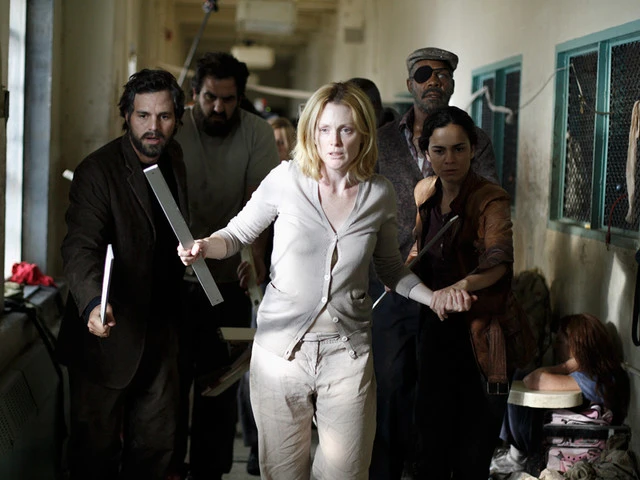
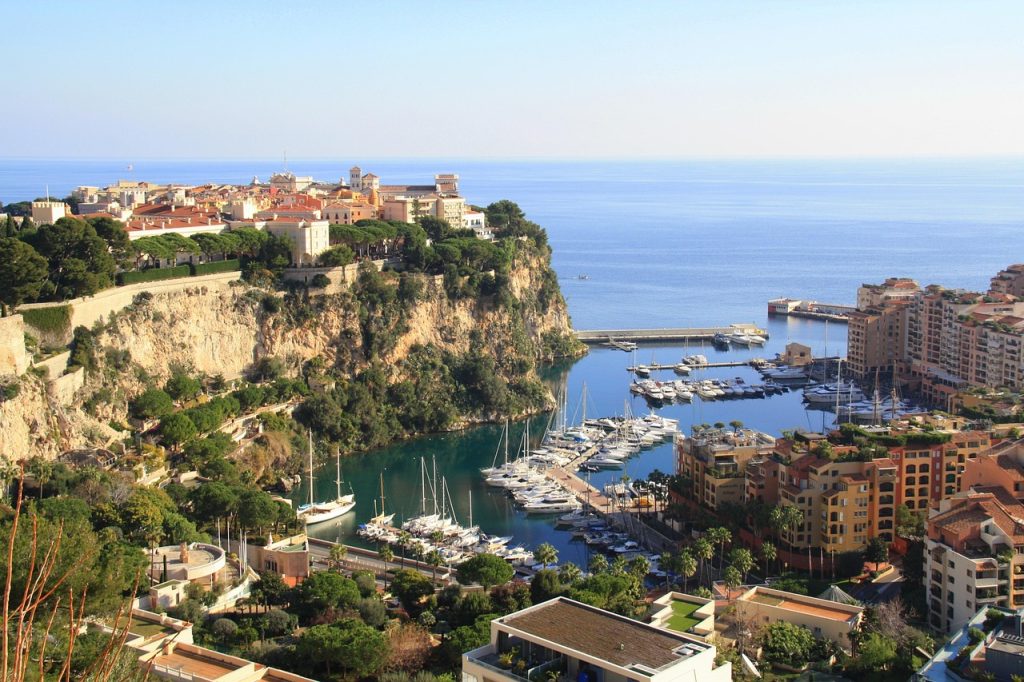
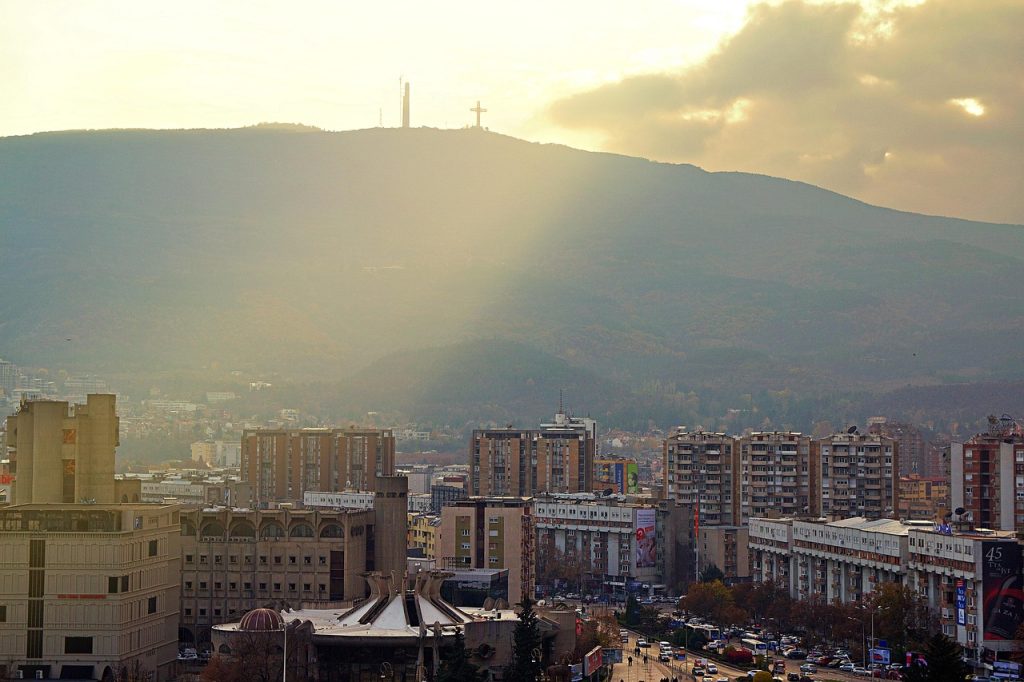
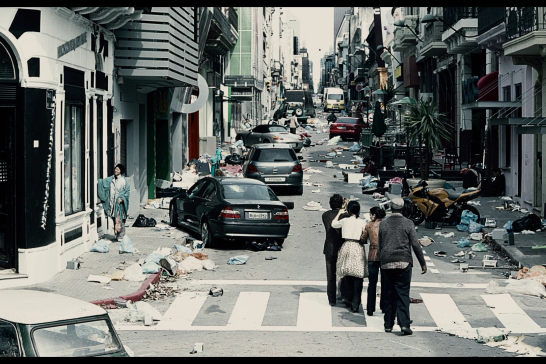
Saramago originally refused to sell the rights for a film adaptation, but the producers were able to acquire it with the condition that the film would be set in an unnamed and unrecognizable city
I expected bleakness. I can handle dark books. But Blindness quickly veers into something that for me personally felt unnecessarily grotesque. The explicit sexual violence was particularly difficult to stomach, and Saramago’s relentless focus on bodily functions … we’re talking page after page of graphic descriptions of filth and excrement … felt less like an exploration of human suffering and more like a strange obsession with filth.
Yes, societal breakdown is messy. Yes, in extreme situations, people are reduced to their most basic instincts. But I do (naively?) question the choices of Saramago’s characters: would people really start defecating in the corridors, just because no one can see, or willingly let their wives and daughters be raped for food? Honestly there were many moments in this book when I wondered: is this really adding to the story, or is it just reveling in the filth and the horror?
There’s no difference between one who is blind and one who does not want to see.
That said, Blindness is undeniably powerful. Some passages left me breathless, and the way Saramago builds a creeping sense of inevitability is masterful without question. The Doctor’s Wife, as the only sighted person, is a fascinating figure. Both privileged and burdened, torn between duty and helplessness. Though for me Saramago makes her more helpless than I felt she would be. But the novel certainly raises important and chillingly relevant questions about how quickly order can collapse, how fear shapes our reactions, and what it truly means to see.
But admiration isn’t the same as enjoyment. Some books stay with you because they challenge you in a meaningful way. Others linger like a bad taste you can’t quite wash away. For me, Blindness sadly fell into the latter category.
I can absolutely see why Blindness is considered a modern classic, but it’s not an easy book to love. It’s a deeply uncomfortable read.
But I can honestly say that I am happy to have finally read this book – and relieved to be done with it.