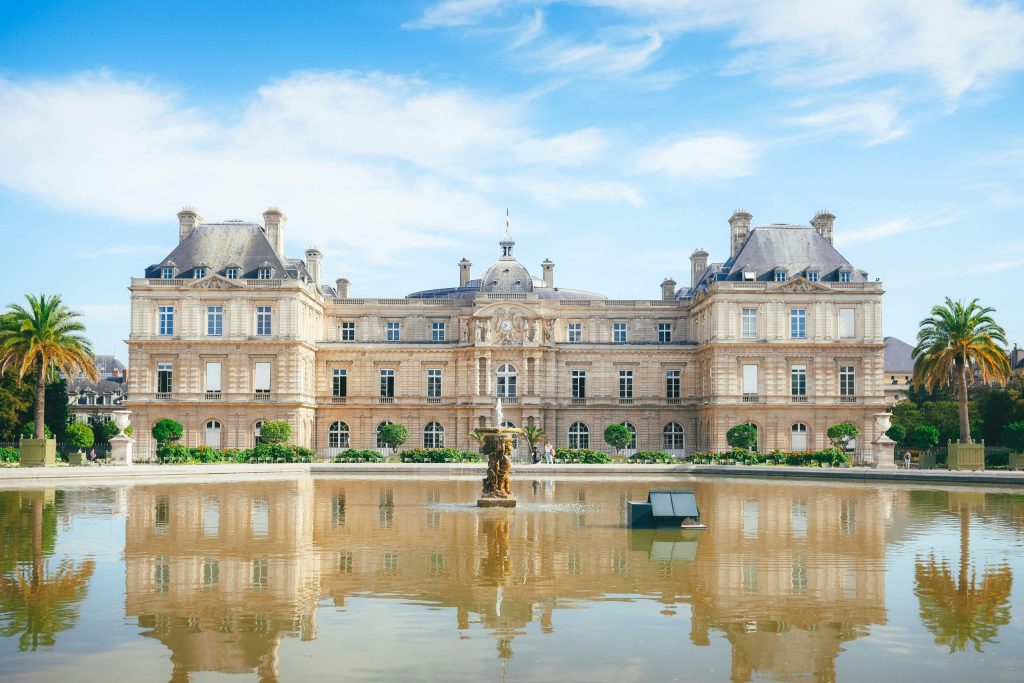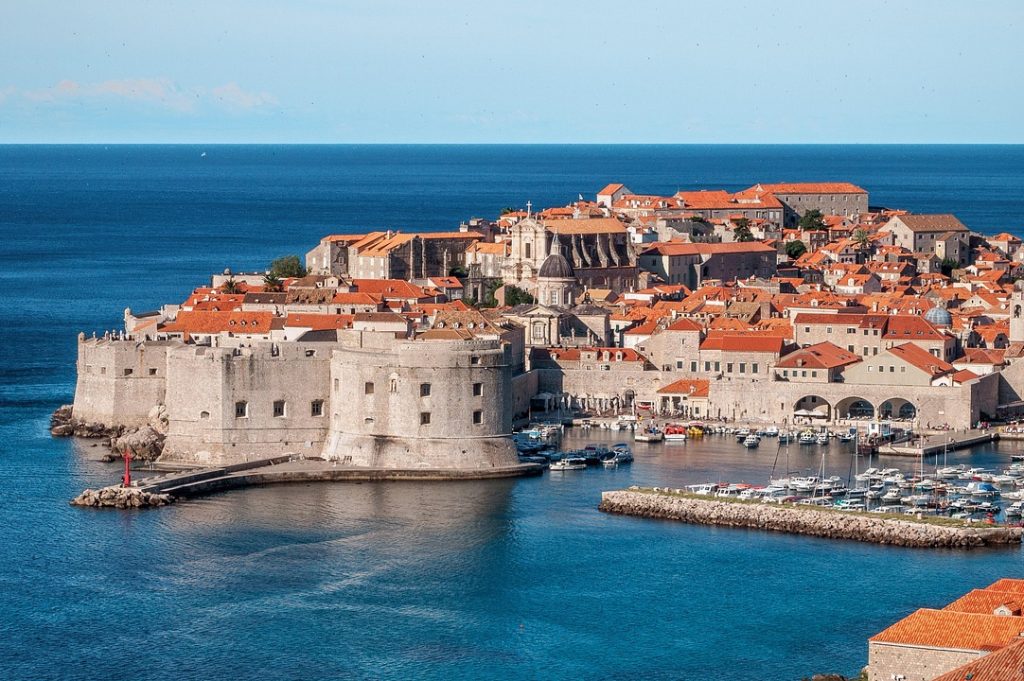
When I think of Croatia, I picture blue coastlines, medieval towns, and glimpses of Game of Thrones scenery. But books? Not so much. Croatian literature was a complete mystery to me before I started putting this list together.
But when I started digging for literature, I found fairy tales with Slavic gods and magical wolves, darkly funny war novels, fierce new voices, and family sagas that stretch across decades of war-torn Balkan history.
These are the ten books that made it to my list, but I could easily make another list of ten.
A list of books to read from Croatia
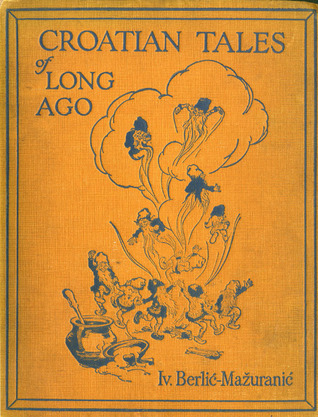
Croatian tales of long ago
Author: Ivana Brlić-Mažuranić
First published: 1916
Original title: Priče iz davnine
Genre: Folklore / Classic / Children’s Literature
A short story collection written by the acclaimed children’s author Ivana Brlić-Mažuranić, originally published in 1916. The collection is considered her masterpiece and it features a series of newly written fairy tales heavily inspired by motifs taken from ancient Slavic mythology of pre-Christian Croatia.
Often compared to Andersen and the Brothers Grimm. This would be a timeless entry point into Croatian imagination and oral storytelling traditions.
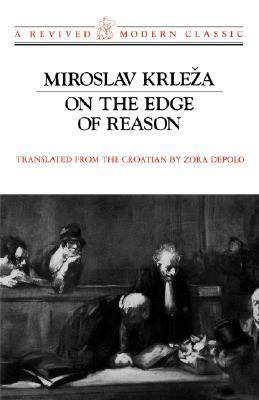
On the edge of reason
Author: Miroslav Krleža
First published: 1938
Original title: Na rubu pameti
Genre: Philosophical Satire / Political Fiction
During his long and distinguished career, the Croatian writer Miroslav Krleza (1893-1981) battled against many forms of tyranny. In On the Edge of Reason, his protagonist is a middle-aged lawyer whose life and career have been eminently respectable and respected. One evening, at a party attended by the local elite, he inadvertently blurts out an honest thought. From this moment, all hell breaks loose …
On the Edge of Reason reveals the fundamental chasm between conformity and individuality. As folly piles on folly, hypocrisy on hypocrisy, reason itself begins to give way, and the edge between reality and unreality disappears.
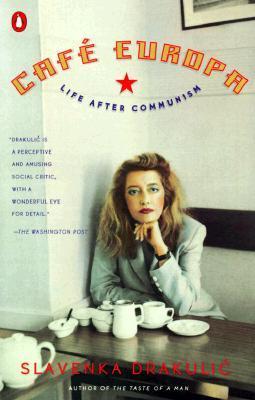
Café Europa
Author: Slavenka Drakulić
First published: 1996
Original title: Café Europa
Genre: Essays / Cultural Commentary
Croatian journalist, novelist, and essayist Slavenka Drakulić notes that Eastern Europeans are so anxious to become like their Western counterparts that every city and town has a Cafe Europa that is a pale imitation of similar establishments in cities like Paris and Rome.
She presents here a collection of essays that explore life in various Eastern European countries since the fall of communism. As a citizen of Croatia living now in Vienna with her Swedish husband, she writes knowingly as a survivor of a communist regime, as one who realizes that pitfalls still lie ahead for nations emerging from the Soviet yoke.
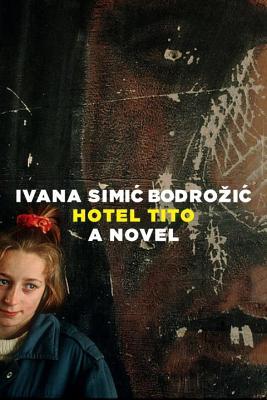
Hotel Tito
Author: Ivana Bodrožić
First published: 2010
Original title: Hotel Zagorje
Genre: Coming-of-Age / War Fiction
When the Croatian War of Independence breaks out in her hometown of Vukovar in the summer of 1991 she is nine years old, nestled within the embrace of family with her father, mother, and older brother. She is sent to a seaside vacation to be far from the hostilities. Meanwhile, her father has disappeared while fighting with the Croatian forces. By the time she returns at summer’s end everything has changed.
Against the backdrop of genocide (the Vukovar hospital massacre) and the devastation of middle-class society within the Yugoslav Federation, our young narrator, now with her mother and brother refugees among a sea of refugees, spends the next six years experiencing her own self-discovery and transformation amid unfamiliar surroundings as a displaced person. As she grows from a nine-year old into a sparkling and wonderfully complicated fifteen-year-old, it is as a stranger in her own land.
Applauded as the finest work of fiction to appear about the Yugoslav Wars, Ivana Bodrožić’s The Hotel Tito is at its heart a story of a young girl’s coming of age, a reminder that even during times of war the future rests with those who are the innocent victims and peaceful survivors.
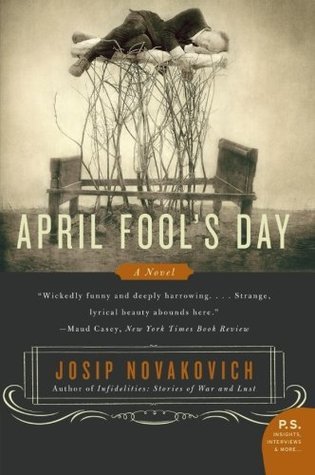
April Fool’s Day
Author: Josip Novakovich
First published: 2004
Original title: April Fool’s Day
Genre: Historical Fiction / Dark Humor
Ivan Dolinar is born in Tito’s Yugoslavia on April Fool’s Day, 1948, the auspicious beginning of a life that will be derailed by backfiring good intentions in a world of propaganda and paranoia. At age nineteen, an innocent prank cuts the young Croatian’s budding medical career short and lands him in a notorious labor camp. Released on the eve of civil war, Ivan is drafted into the wrong army, becoming a pawn in an absurd conflict in which the rules and loyalties shift abruptly and without warning. But even in a world gone mad, one course of action remains eminently sane: survival. Told with bitingly dark humor and a deep tenderness, April Fool’s Day is both a devastating political satire and a razor-sharp parody of war.
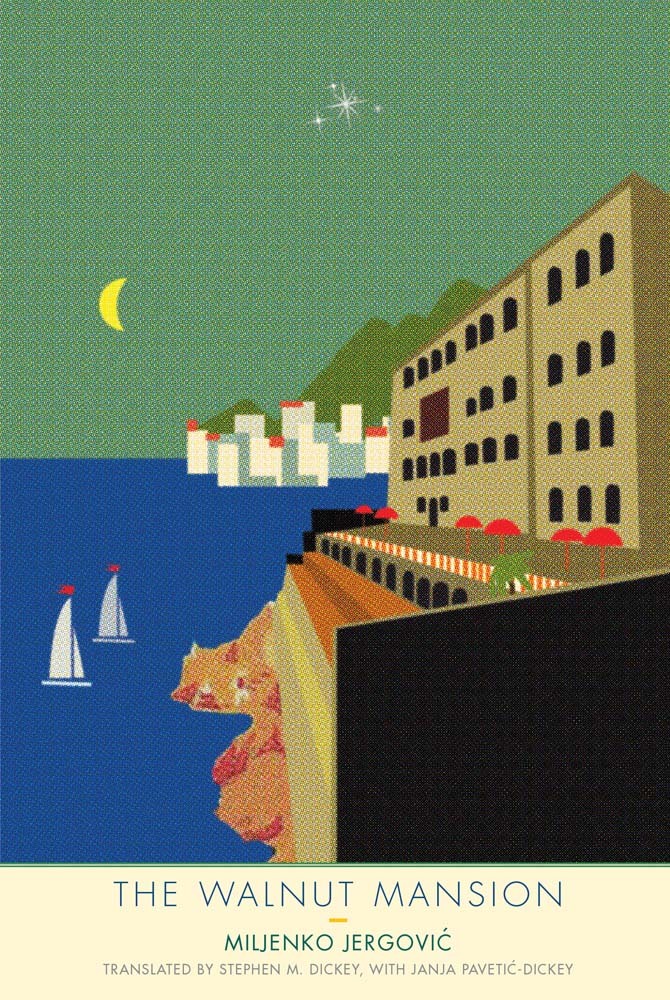
The Walnut Mansion
Author: Miljenko Jergović
First published: 2003
Original title: Dvori od oraha
Genre: Family Saga / Historical Fiction
This sweeping novel encompasses nearly all of Yugoslavia’s tumultuous twentieth century, from the decline of the Austro-Hungarian and Ottoman Empires through two world wars, the rise and fall of communism, the breakup of the nation, and the terror of the shelling of Dubrovnik. Tackling universal themes on a human scale, master storyteller Miljenko Jergovic traces one Yugoslavian family’s tale as history irresistibly casts the fates of five generations.
What is it to live a life whose circumstances are driven by history? Jergovic investigates the experiences of a compelling heroine, Regina Delavale, and her many family members and neighbors. Telling Regina’s story in reverse chronology, the author proceeds from her final days in 2002 to her birth in 1905, encountering along the way such traumas as atrocities committed by Nazi Ustashe Croats and the death of Tito. Lyrically written and unhesitatingly told, The Walnut Mansion may be read as an allegory of the tragedy of Yugoslavia’s tormented twentieth century.
Belladonna
Author: Daša Drndić
First published: 2012
Original title: Belladonna
Genre: Experimental Fiction / Holocaust Legacy
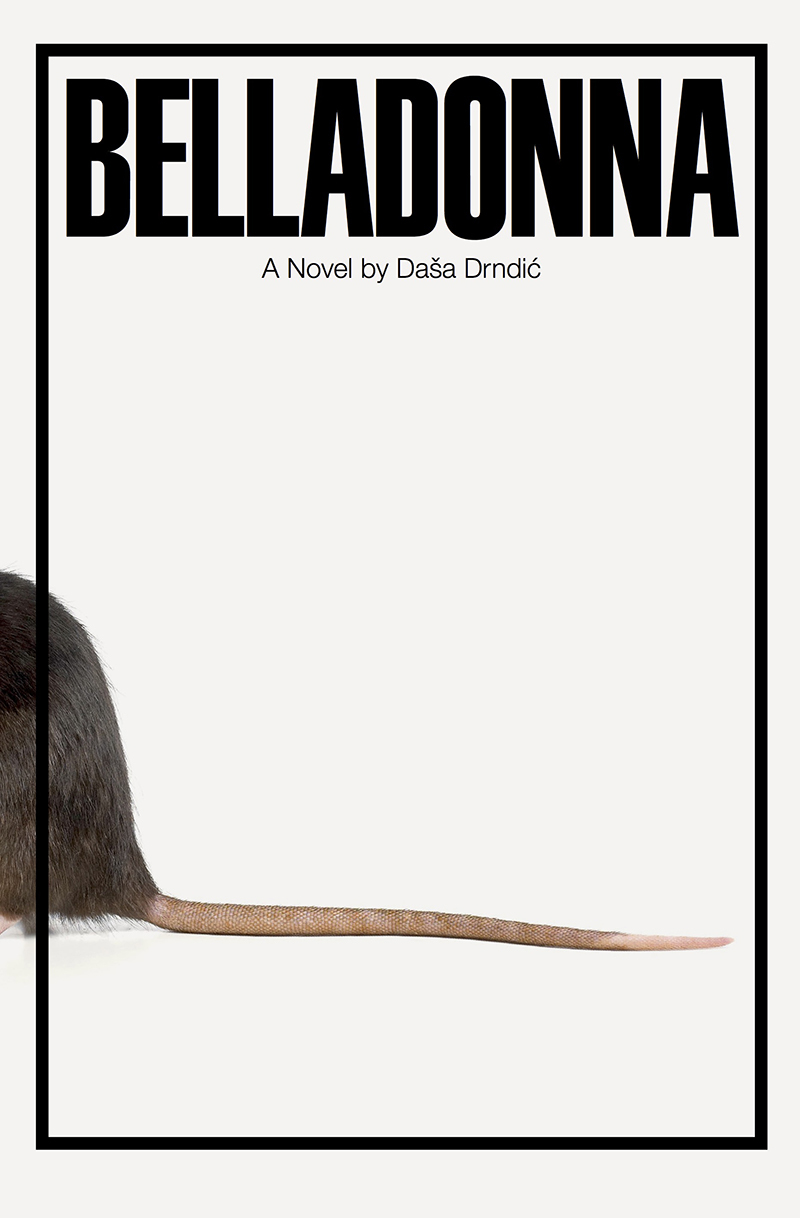
Andreas Ban, a psychologist who does not psychologize anymore and a writer who no longer writes, lives alone in a coastal town in Croatia. He sifts through the remnants of his life — his research, books, photographs — remembering old lovers and friends, the events of WWII, and the breakup of Yugoslavia.
Ban’s memories of Belgrade, Amsterdam, and Toronto alternate with meditations on the mental faculties of rats, a depressed arctic fox, and the agelessness of lobsters. He tries to push the past away, to “land on a little island of time in which tomorrow does not exist, in which yesterday is buried.”
Drndic leafs through the horrors of history with a cold unflinching wit. “The past is riddled with holes,” she writes. “Souvenirs can’t help here.”
No-Signal Area
Author: Robert Perišić
First published: 2020
Original title: Područje bez signala
Genre: Literary Fiction / Post-industrial Satire
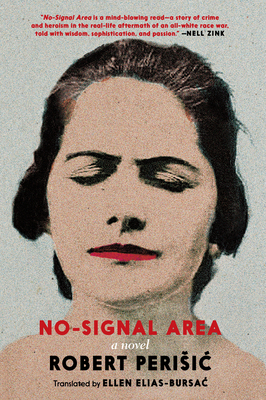
A group of entrepreneurs brings roaring back to life a defunct turbine factory and the town around it, promising a return to the days of dignity, jobs and the good life and bright future that a manufacturing center can dispense to a small town. But is a return to the days of plenty possible? And what of the changed relationships between lovers, and within families, that have transpired in the years since that earlier time?
Perišic takes us there, into the past and into the future, and watches with a bemused sad smile as the inevitable wreaks havoc with the possible. Witty and ambitious, No-Signal Area is a sprawling novel, smart and just cynical enough to frame and give an edge to the abiding nostalgia that is its real subject.
Adios Cowboy
Author: Olja Savičević Ivančević
First published: 2010
Original title: Adio kauboju
Genre: Urban Fiction / Feminist Noir
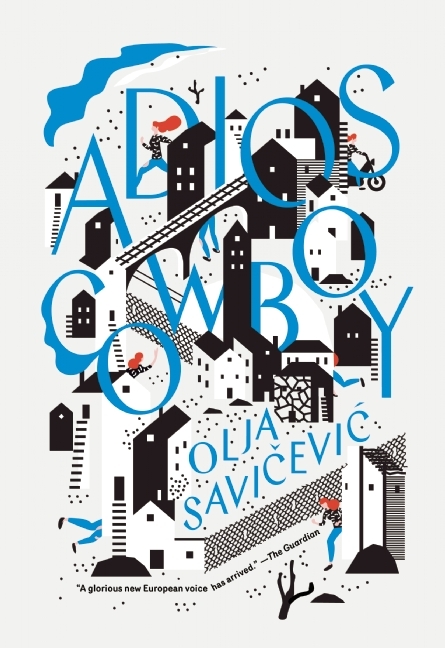
Dada’s life is at a standstill in Zagreb. She’s sleeping with a married man, working a dead-end job, and even the parties have started to feel exhausting. So when her sister calls her back home to help with their aging mother, she doesn’t hesitate to leave the city behind. But she arrives to find her mother hoarding pills, her sister chain-smoking, her long-dead father’s shoes still lined up on the steps, and the cowboy posters of her younger brother Daniel (who threw himself under a train four years ago) still on the walls.
Hoping to free her family from the grip of the past, Dada vows to unravel the mystery of Daniel’s final days. The poet from Croatia’s “lost generation” explores a beautiful Mediterranean town’s darkest alleys: the bars where secrets can be bought, the rooms where bodies can be sold, the plains and streets and houses where blood is shed. By the end of the long summer, the lies, lust, feuds, and frustration will come to a violent and hallucinatory head.
Sons, Daughters
Author: Ivana Bodrožić
First published: 2020
Original title: Sinovi, kćeri
Genre: Contemporary / LGBTQ
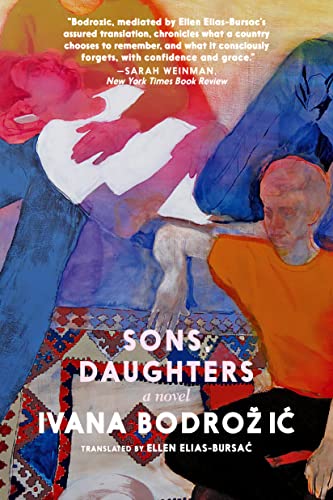
A daughter is paralyzed after a car crash, left without the ability to speak, trapped in a hospital bed, unable to move anything but her eyes. Although she is immobilized, her mind reels, moving through time, her memories a salve and a burden. A son is stuck in a body that he doesn’t feel is his own. He endures misperceptions and abuse on the way to becoming who he truly is. A mother who grew up being told she was never good enough, in a world with no place for the desires and choices of women. She carries with her the burden of generations.
A wrenching love between a transgender man and a woman as well as a demanding love between a mother and a daughter in a narrative about breaking through and liberation of the mind, family, and society.
Join me, and read a book from Croatia
Have you read any Croatian authors? Or do any of these catch your eye? Feel free to leave a comment — or join me as I dive into one of them very soon. Which one should we go for?