One raised with fear never learns to live without it
I was not prepared for the way this story unravelled me.
It’s amazing how a good writer can make you become hopelessly invested in a character you don’t even like all that much. I somehow had the same experience with Sally Rooney’s Normal People. Because even though I hated the protagonist of this book, I was helplessly dragged along by the heartstrings.
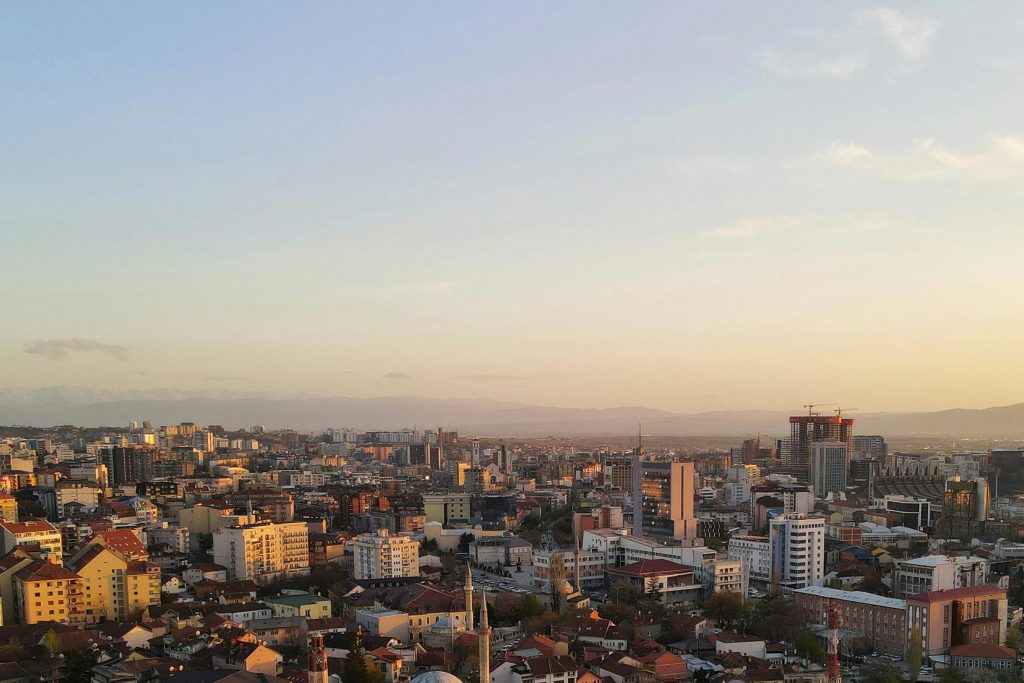
Bolla is set in Kosovo before, during, and after the war in the late 1990s. It follows Arsim, a young Albanian man who is a student at the university of Pristjina, and dreams of becoming a writer, and his brief, forbidden relationship with Miloš, a Serbian medical student.
The love affair between Arsim and Miloš is brutal in its tenderness, and doomed from the start. Because Arsim, like many other gay men in predominantly homofobic societies, has been forced into a loveless marriage to appease the family. And within the week of him meeting Miloš, Arsim’s wife tells him, she is pregnant. And he reacts by slapping her. Also war is already looming in the distance, and soon Arsim and his family are forced into exile, while Miloš enlists as a soldier.
Arsim descends into shame, repression, and self-destruction, and Miloš is broken by the horrors of war.
Loneliness peels you out of your skin, cuts out your tongue, and abandons you in a stale, locked room to slowly evaporate.
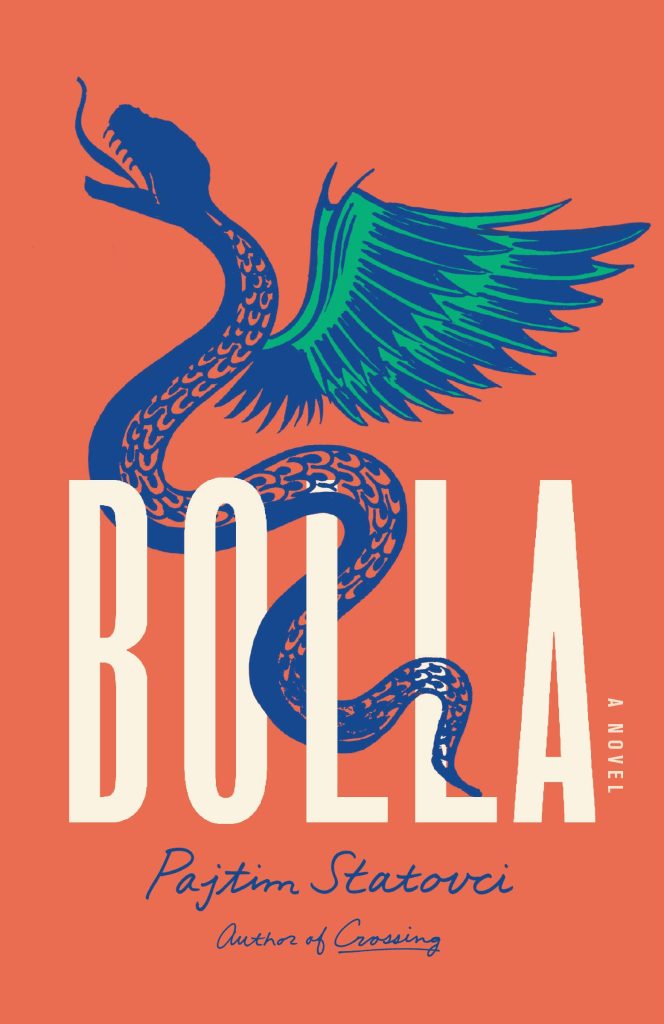
Woven through the novel is the story of the Bolla: A snake-like creature from Albanian mythology that sleeps underground all year and awakens only on St. George’s Day to devour the first human it sees.
Arsim writes, and reads aloud for Miloš, a version where the Bolla is cursed, monstrous, and heartbreakingly alone, punished for loving someone forbidden. This story comes back repeatedly throughout the novel, a queer allegory that grows darker as Arsim’s life down-spirals. The myth becomes both a symbol of the shame and secrecy that plague him, and a mirror of his transformation into something twisted by repression and regret.
Arsim is not a man, you can root for, really. He’s selfish, deluded, cruel to his family. But he’s also hopelessly trapped by expectations, by fear, by history. And somehow, even when I hated him, I still felt his pain as if it were my own. It’s a novel full of misery and rot, and yet it is told in prose so quietly beautiful, and has flickers of such devastating longing, that it becomes almost unbearable to read.
Pajtim Statovci was born in Kosovo in 1990 and moved to Finland with his family as a child, fleeing the Yugoslav wars. Though he writes in Finnish and is considered part of Finnish literature, his novels frequently explore themes of displacement, queerness, and identity rooted in the Balkans.
Isn’t it strange how – again and again, as if to humiliate themselves – people fool themselves into thinking they can get time back somehow? How time only becomes important once it has passed?
I had a lump in my throat from the very first chapter and cried like a baby more than once reading this book. Bolla teems with grief and tragedy so honestly you can’t help but feel it in your bones. Patjim Stativici is an amazing writer.
I don’t know how to describe Bolla without using the word “devastating” at least five times. But it really is. Devastating, dark and twisted, breathtaking and masterful. Sparse, lyrical, haunting. A book that stays with you like a ghost.
10/10 would recommend.
With tissues.