Kosovo is the youngest country in Europe, and still not recognized as such by all.
I quickly realized just how limited the options are for Kosovan literature in English translation. The region’s recent history has understandably dominated the international publishing landscape, leaving much of its literary voice either untranslated or difficult to track down.
So to make this Iist at all, I decided to broaden my definition of “from Kosovo.” My list includes not only books by Kosovan writers, but also stories about Kosovo written by outsiders who’ve lived there, studied its history, or worked in the region.
A list of books to read from Kosovo
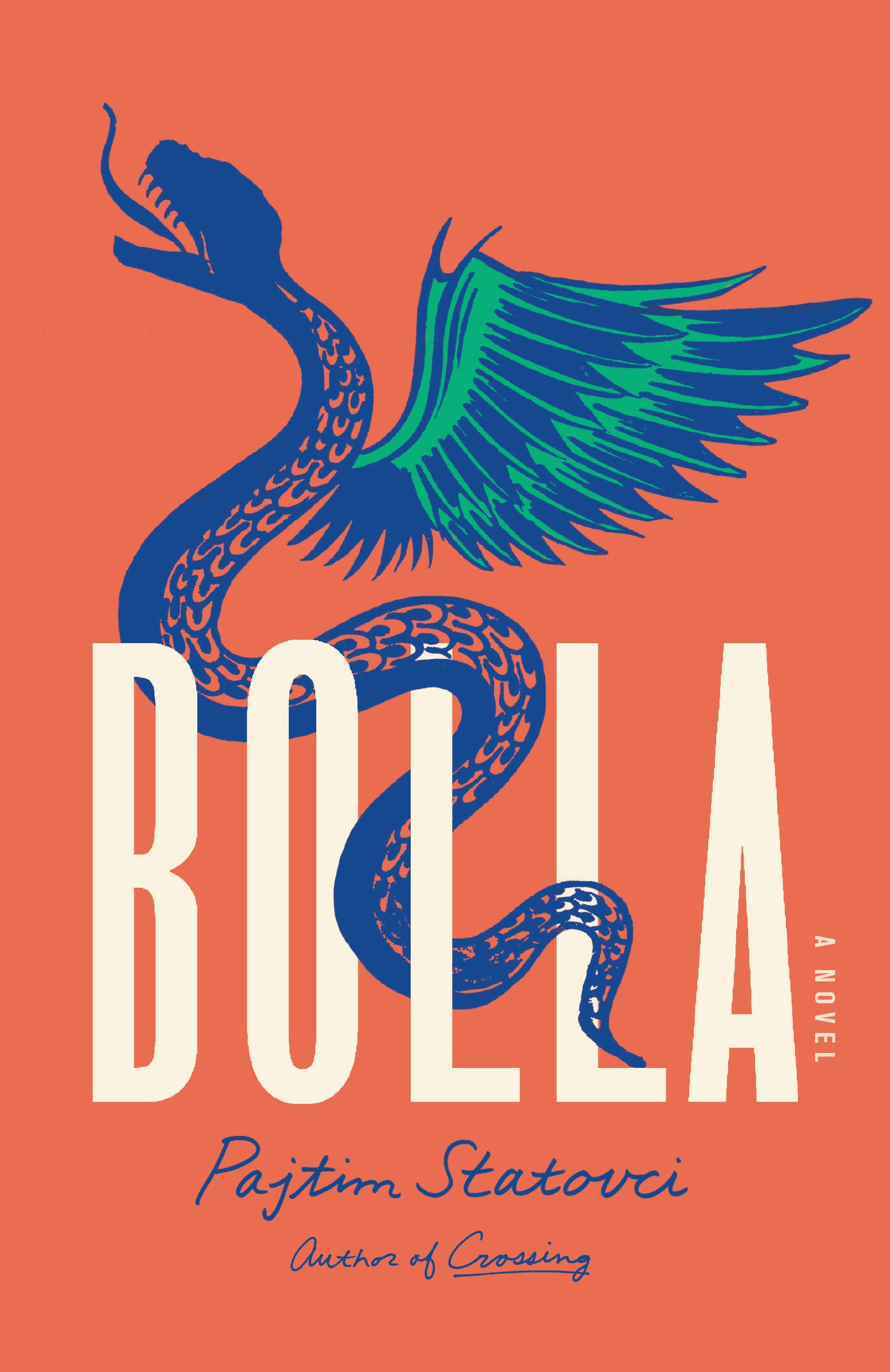
Bolla
Author: Pajtim Statovci
First published: 2019
Original title: Bolla
Genre: Historical fiction / Literary fiction / LGBTQ
The first author to come up when you search for literature from Kosovo is Patjim Statovici, who was born in Kosovo to Albanian parents in 1990. His family fled the Yugoslav wars and moved to Finland when he was two years old. He writes in Finnish, and has written several highly acclaimed novels about the Yugoslav wars and the refugee experience.
Bolla is an unlikely love story in Kosovo between two men: Arsim, an Albanian twenty-four-year-old, recently married student at the University of Pristina, and Milos, a Serbian medical student. Their unlikely affair is derailed by the outbreak of war, which sends Arsim’s family abroad and timid Milos spiraling down a dark path, depicted through chaotic journal entries. Years later, deported back to Pristina after a spell in prison and now alone and hopeless, Arsim finds himself in a broken reality that makes him completely question his past. What happened to him, to them, exactly? How much can you endure, and forgive?
Entwined with their story is a re-created legend of a demonic serpent, Bolla; it’s an unearthly tale that gives Arsim and Milos a language through which to reflect on what they once had. With luminous prose and a delicate eye, Pajtim Statovci delivers a relentless novel of desire, destruction, intimacy, and the different fronts of war.
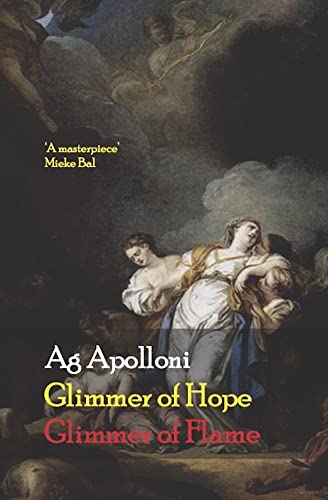
Glimmer of Hope, Glimmer of Flame
Author: Ag Apolloni
First published: 2020
Original title: Një fije shprese, një fije shkrepëse
Genre: Documentary Novel
Glimmer of Hope, Glimmer of Flame is a documentary novel of the true tragedy of two mothers after the Kosovo War of 1999: one lost her whole family and continues to lay the table for them more than twenty years later; the other burned herself to death when the remains of two of her sons were returned. A mosaic of the evil fortunes of war and the painful consequences of peace, the novel echoes the eternal truths of ancient Greek tragedy as it tells the sorrows of modern war. It explores the meaning of motherhood, of family, and of home.
Ag Apolloni is one of the most significant and distinctive Albanian-language writers of his generation, admired for his contemporary yet elegant prose and for the rich diversity of references that inform it. He has published three other novels: The Howl of the Wolf, Zazen, and Red Riding-Hood – a fairytale for grown-ups, as well as plays, poetry, and criticism. His works have been translated into various languages and won many prizes. Glimmer of Hope, Glimmer of Flame was declared Kosovo’s Novel of the Year 2020.
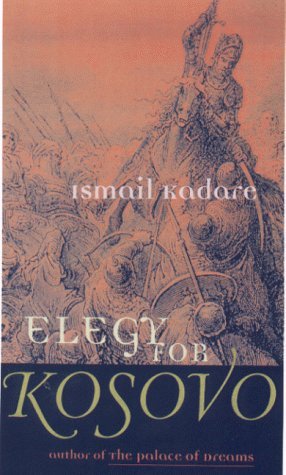
Elegy for Kosovo
Author: Ismail Kadare
First published: 1998
Original title: Tri këngë zie për Kosovën
Genre: Historical fiction / Novella
Set in the 14th century on the eve of the Battle of Kosovo, this brief but powerful novel imagines three wandering minstrels — one Albanian, one Serbian, and one Bosnian — struggling to unite their peoples through poetry as war looms. When battle inevitably breaks out, their efforts are drowned in the cacophony of ethnic hatred and historical mythmaking.
Ismail Kadare, Albania’s most celebrated author, uses this fictional fable to reflect on the tragic cycles of violence in the Balkans, particularly between Albanians and Serbs. Though Kadare is Albanian, not Kosovan, this novella offers searing insight into the symbolic weight Kosovo holds in Balkan memory and politics.
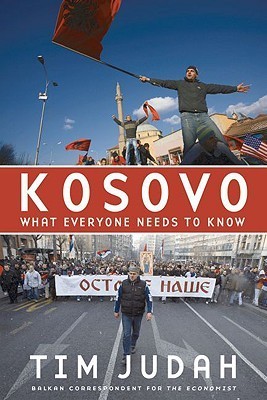
Kosovo: What everyone needs to know
Author: Tim Judah
First published: 2008
Genre: Nonfiction
Why is Kosovo important? Who are the Albanians? Who are the Serbs? Why is Kosovo so important to Serbs? What role does Kosovo play in the region and in the world?
British journalist Tim Judah presents a concise, accessible overview of Kosovo’s history, society, and political struggles in this installment of Oxford University Press’s “What Everyone Needs to Know” series. Structured as a series of question-and-answer chapters, the book covers everything from Kosovo’s ancient past to its declaration of independence in 2008.
Judah is one of the most respected Western journalists covering the Balkans, and he has reported on Kosovo since the 1990s.
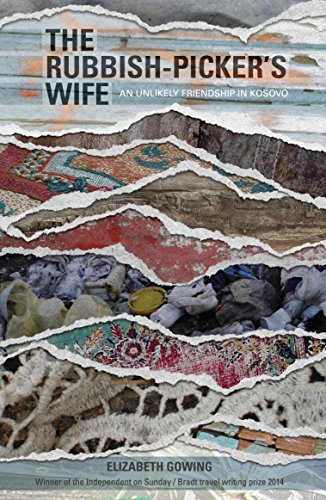
The Rubbish-Picker’s Wife: An Unlikely Friendship in Kosovo
Author: Elizabeth Gowing
First published: 2015
Genre: Nonfiction
Hatemja, a rubbish-picker’s wife, lives in the poorest community in the poorest country in Europe. When Elizabeth Gowing is befriended by her, the women learn with, from and about one another. How can you find the best rubbish pastures for scavenging? How can you free children to go to school rather than to go out begging? How do you then convince the local school to accept them? Can mayonnaise deal with headlice? How best to teach the 36 letters of the Albanian alphabet? How would Facebook help evacuate a family from a rat-infested hovel? How do you make baklava? And through it all, how do you maintain a precious friendship that’s helped you find out the best you can be?
This is a true story of living and learning – being confused and comforted – with the excluded Ashkali people of Kosovo; an account of the challenges and delights of what happens when you find your community but it’s a long way from home.
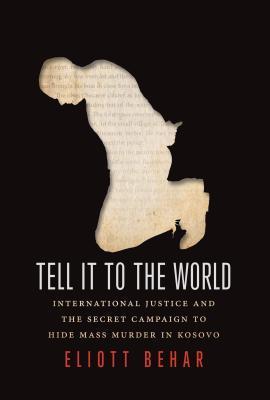
Tell It to the World: International Justice and the Secret Campaign to Hide Mass Murder in Kosovo
Author: Elliott Behar
First published: 2014
Genre: Nonfiction / True Crime
On April 5, 1999, local police in Serbia found a truck floating half-submerged in the Danube River. When they pulled it to shore and opened the cargo hold they found it filled with human bodies. The truck, and the bodies, then disappeared.
The full picture would only emerge years later, when the International Criminal Tribunal for the Former Yugoslavia investigated and prosecuted the chief architects of the ethnic cleansing of Kosovo. It exposed a stunning secret campaign to murder Kosovo Albanians and systematically hide the evidence by transporting their bodies hundreds of kilometres away.
Eliott Behar, a former war crimes prosecutor at the Tribunal, tells the true story of what unfolded through the eyewitnesses, victims, and perpetrators who testified in The Hague. Tell It to the World takes you inside the international criminal justice system, attesting to the strength and resilience of the human spirit and the darkness into which we can descend.
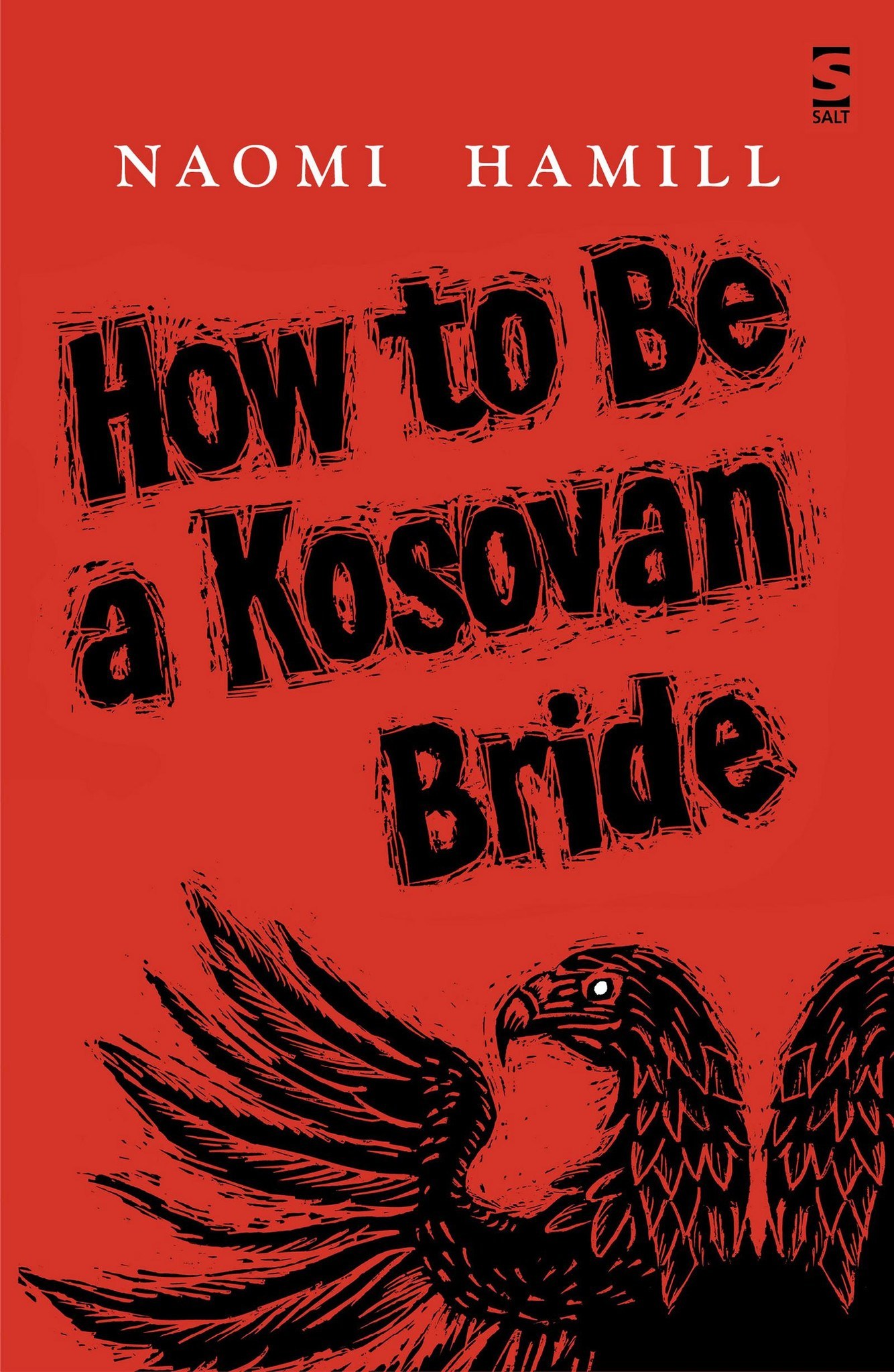
How to be a Kosovan bride
Author: Naomi Hamill
First published: 2017
Genre: Literary fiction
In this inventive novel, two women follow very different paths after a traditional wedding. One becomes the “Kosovan Wife,” expected to fulfill her role in a patriarchal rural home. The other — labeled the “Returned Girl” after the marriage is called off — enrolls at university and discovers her country’s complex past and evolving identity.
Naomi Hamill is a Manchester based secondary school teacher who who travels to Kosovo every Summer to run a summer school as part of the charity Manchester Aid to Kosovo.
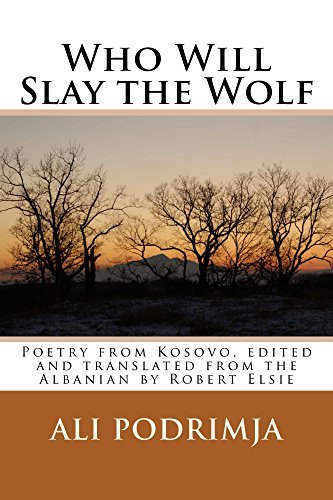
Who will slay the wolf, Poetry from Kosovo
Author: Ali Podrimja
First published: 2015
Genre: Poetry
The Kosovo Albanian poet, Ali Podrimja (1942-2012), is considered by many to be the most typical representative of modern Albanian verse in Kosovo and is certainly the Kosovo poet with the widest international reputation.
This collection gives an overview of the poetic evolution of Ali Podrimja. It touches upon the early years of dynamic optimism in the 1960s, visits the haunts of anguish and personal solitude in the 1970s and 1980s, and brings the reader inevitably to the apocalyptic 1990s in Kosovo during which the recusant voice of the poet was more indispensable than ever.
Join me, and read a book from Kosovo
Whether written by Kosovans themselves or by outsiders bearing witness, I feel like these eight books each offer a window into a country that’s often been defined by headlines rather than stories, and trace the contours of a nation still finding its literary voice on the world stage.
If you’ve read any of these or have other suggestions for translated works from Kosovo, I’d love to hear from you. Join me as the Borderless Bookshelf continues its journey through the Balkans!