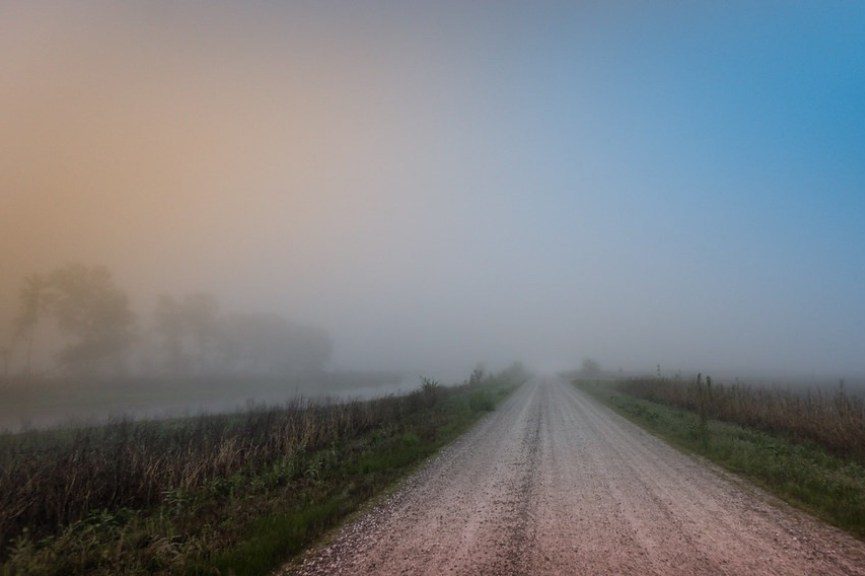
It was a January morning, long and motionless, like a line at the hospital
I wasn’t sure if this would be too dark for me when I picked it up, but for Ukraine I felt like I had to read about the war.
If you don’t, there are other options for Ukraine.
And then, much to my surprise, I was completely drawn in from the very first page.
Yes this book is dark. As dark as it gets. Yet it is also completely mesmerising. I have read my share of dystopias and usually enjoy them, and this feels like a chillingly dystopian hellscape. Only Zhadan is writing about real life for the citizens of Eastern Ukraine. Deserted streets, constant shelling, mistrust, uncertainty, desperation. Death everywhere.
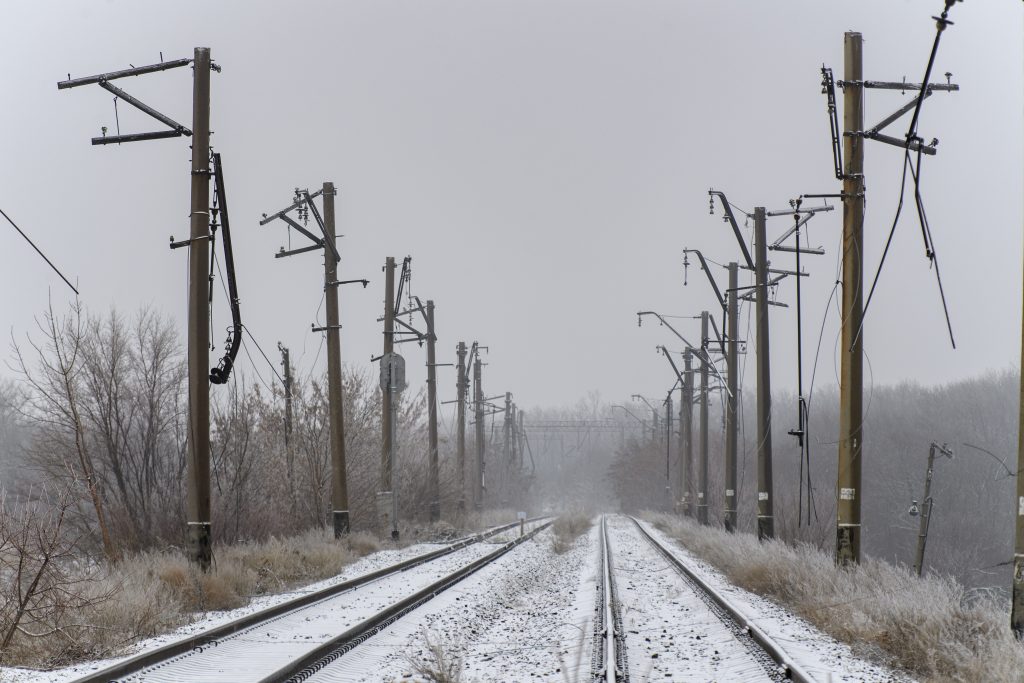
And cold, so cold. I spent days wrapped in blankets because this tale made me feel frozen to the bone. It makes you feel like you are there.
Empty streets, no one in sight, and train cars being coupled together, metal on metal, like someone rearranging iron furniture. There have been sporadic blasts all day, since morning — it’s coming in from the south, from the city, sometimes intense, sometimes diffuse. An echo ripples high up in the air. The acoustics are distorted in the winter; you can never really tell where the shells are coming down.
Our unwilling protagonist is Pasha, a thirty-five-year-old bespectacled teacher, who has done everything he can to keep his head down and pretend that life will go on as always, even as war slowly swallows the nearby city and even spills into the school where he works.
When Pasha sets out to retrieve his nephew from a residential care facility in now-occupied territory, it is not out of any sort of heroism. At the start, he simply cannot grasp how bad things are going to get. He does not follow the news and prefers not to know too much. He is the embodiment of ignorance is bliss, except that war is unavoidable. Pretending it is not happening is not going to keep him safe.
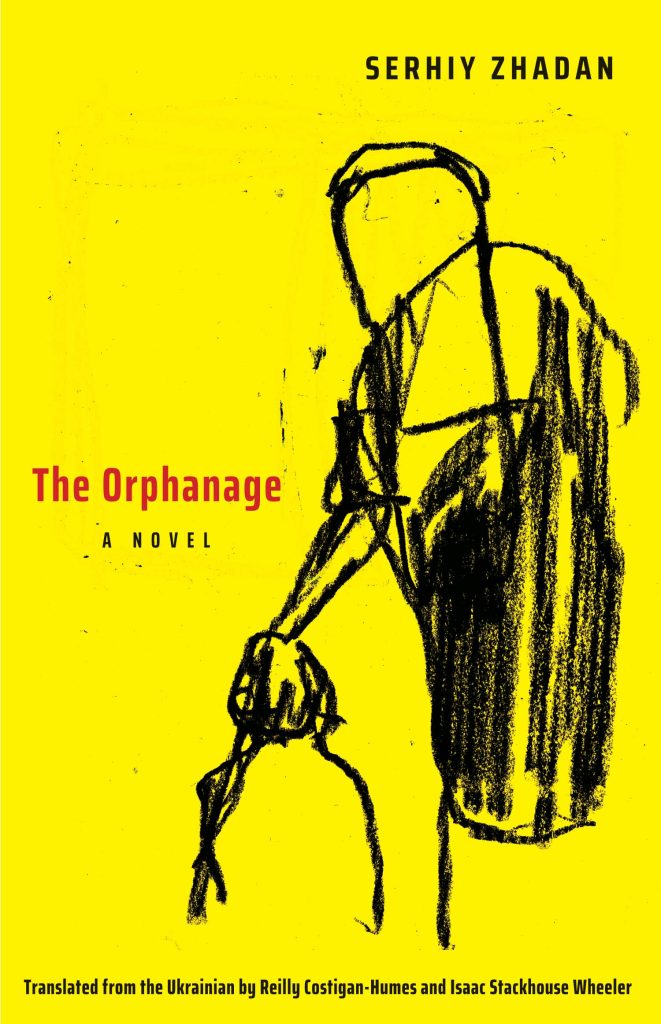
The novel moves between this present nightmare set over only three days, and fragments of flashbacks, gradually explaining why the boy is living at the orphanage and why Pasha is the way he is.
The setting is eastern Ukraine in 2014. Probably the Donbas region. Zhadan never names the city, but some reviewers point out that the book loosely draws on the real battle for the city of Debaltseve. And I was mildly baffled to be realise that the war in Ukraine had already begun years before the rest of us truly noticed.
The language is extraordinary. Zhadan also writes poetry and it shows. His prose is lyrical, sharp, and strangely beautiful in the middle of all the destruction. He loves his similes, and some of them are the most inventive I have ever come across. They lift this story from reportage to something far more intimate and haunting.
“Pasha was “just a teacher, just a teacher,” he kept repeating, seemingly apologizing for being just a teacher. He didn’t really care about anything else. Where would he go ? What use would he be anywhere else ? They don’t have anything to be afraid of. Everything’s fine. He’s just a teacher.
Serhiy Zhadan is a renowned Ukrainian poet, writer, musician, and volunteer. His books regularly become bestsellers and have received numerous international awards. Serhiy is also the founder of the rock bands “Liniya Mannerheima” and “Zhadan i Sobaky.”
However, with the start of the full-scale invasion, he primarily became a volunteer. The poet stayed in his hometown Kharkiv to help civilians and military personnel in a city constantly subjected to brutal shelling by Russian forces. You can learn more about his work in this chilling video.
The Orphanage is an overwhelming and heartbreaking novel. It is excruciatingly vivid, and it captures the horrors of war from the perspective of those who have no uniforms, no weapons, no political power. There are no grand speeches. Just ordinary people forced to move through a world that has suddenly turned unrecognisable. Frontlines shifting, and civilians left to navigate whatever is left behind in the destruction. Reading it felt like opening a door into a reality I had not fully understood before. And closing that door afterward is impossible.