I’ve actually read one book from Mongolia before! Ten years ago, when I first had the idea of reading a book from every country in the world, one of the (few) countries I covered was Mongolia, and I read The blue sky by Galsan Tschinag, which was the only book from this country available at the time.
This time around the possibilities are a little broader. Still, relatively few Mongolian works are widely available in translation, but and the ones that are span quite a surprising range. What I’ve gathered here is a mix of insider voices, historical drama, short fiction, memoir, and a couple of interesting outsiders looking in.
A list of books to read from Mongolia
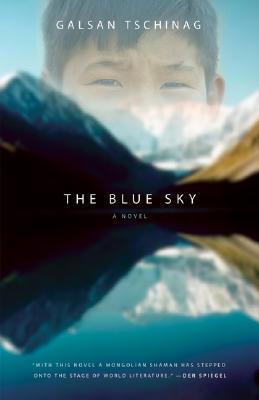
The Blue Sky
Author: Galsan Tschinag
First published: 1997
Original title: Der blaue Himmel
Genre: Historical fiction / Literary fiction
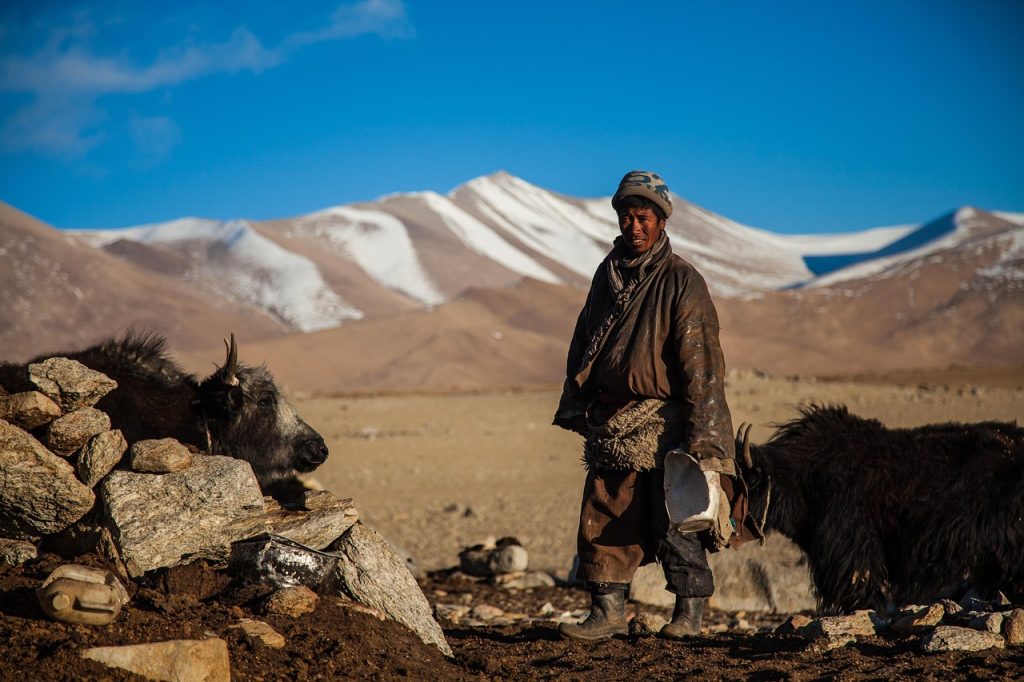
In the Altai Mountains of northern Mongolia, young shepherd boy Dshurukuwaa watches his traditional Tuvan world slowly unravel. One by one, the old certainties disappear. His siblings leave for boarding school, his beloved grandmother dies, and even the fragile balance between herders and wolves turns tragic.
Galsan Tschinag was born into a Tuvan nomadic family. He writes with quiet authority about a culture under pressure from modernity. This is the book from Mongolia I read 10 years ago. It is a gentle, melancholic novel that feels deeply rooted in place. Pick this up if you want an intimate, almost poetic portrait of nomadic life from a rare insider voice.
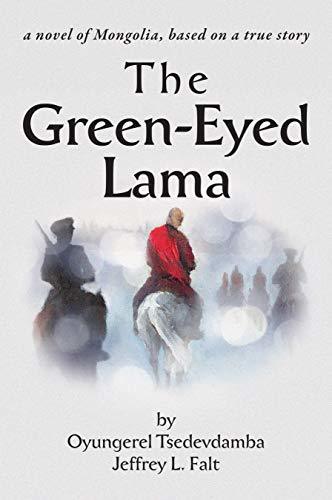
The Green-Eyed Lama
Author: Oyungerel Tsedevdamba with Jeffrey Falt
First published: 2008
Original title: The Green-Eyed Lama
Genre: Historical Fiction
Set against the devastating purges of 1938, this novel follows Sendmaa, a young herdswoman, and Baasan, the Buddhist lama she falls in love with. Their personal story, complicated further by family interference, soon collides with the brutal reality of Mongolia’s Stalinist repression under Choibalsan.
Baasan is arrested, families are branded counter-revolutionary, and what begins as a love story expands into a much larger historical drama involving prison camps, political survival, and even an unexpected international connection.
I’m intrigued by this one because it seems to combine emotional storytelling with a chapter of Mongolian history I know very little about. It also helps that it’s based on real events and was a major bestseller in Mongolia. Very intrigued by this one.
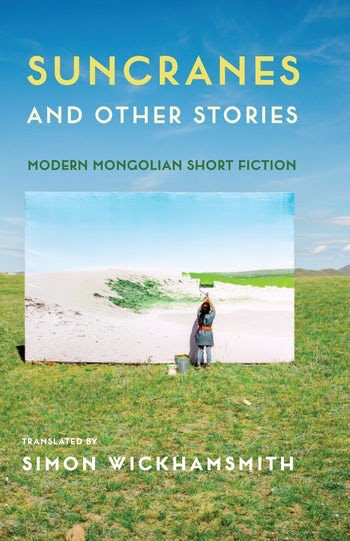
Suncranes and other stories
Author: Various authors, transl. by Simon Wickhamsmith
First published: 2021
Original title: Suncranes and other stories
Genre: Short stories
If you want a “sampling platter” of Mongolian literature instead of comitting to a full length novel, this one could be a strong contender.
Over the course of the twentieth century, Mongolian life was transformed, as a land of nomadic communities encountered first socialism and then capitalism and their promises of new societies. The stories collected in this anthology offer literary snapshots of Mongolian life throughout this tumult. Suncranes and Other Stories showcases a range of powerful voices and their vivid portraits of nomads, revolution, and the endless steppe.
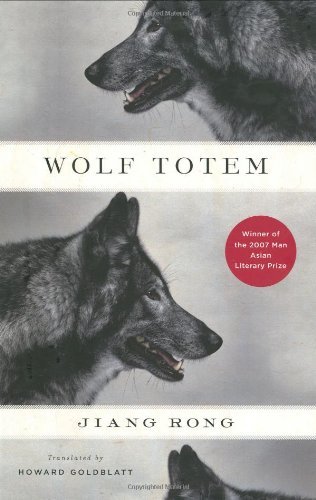
Wolf Totem
Author: Jiang Rong
First published: 2004
Original title: 狼图腾
Genre: Historical fiction
This one comes with an asterisk.
Wolf Totem is written by a Chinese author and set in the Chinese region of Inner Mongolia rather than the independent state of Mongolia. Under normal circumstances, I wouldn’t do this, but this novel has been so influential, and so widely discussed in connection with Mongolian nomadic culture, that it felt impossible to ignore. Wolf Totem was a phenomenon in China, breaking all sales records there and earning the distinction of being the second most read book after Mao’s little red book.
The story follows a Beijing intellectual sent to live among Mongol nomadic herders during the Cultural Revolution, where he becomes fascinated with the steppe wolves and the delicate ecological balance the Mongols maintain. After many years, the peace is shattered with the arrival of Chen’s kinfolk, Han Chinese, sent from the cities to bring modernity to the grasslands, leading to extinction of first the wolves, then the Mongol culture, finally the land.
Part ecological fable, part historical epic, the book raises big questions about modernisation and the cost of disrupting traditional ways of life. You could pick this up if you’re interested in environmental themes, steppe mythology, or literary phenomena that sparked major debate. Or just read it alongside Mongolian voices for balance.
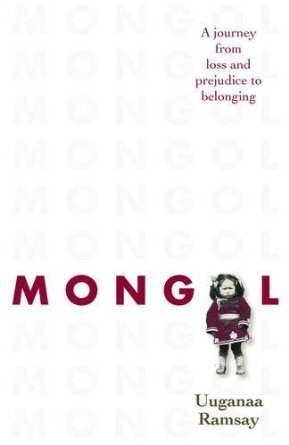
Mongol
Author: Uuganaa Ramsay
First published: 2013
Original title: Mongol
Genre: Nonfiction / Memoir
This memoir moves between two worlds: Ramsay’s childhood growing up in a Mongolian nomadic family and her later life in Britain. When her newborn son is diagnosed with Down’s syndrome, the story becomes an intimate exploration of grief, stigma, love, and cultural expectations.
This looks like a very intimate, emotionally driven read that also offers glimpses of everyday Mongolian life. I have a feeling this could be either deeply moving or quietly devastating.
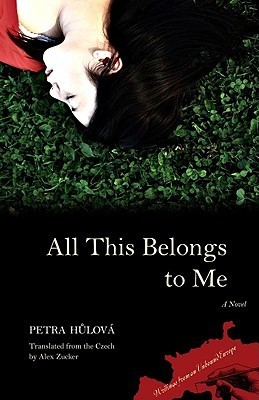
All this belongs to me
Author: Petra Hůlová
First published: 2001
Original title: Pamět mojí babičce
Genre: Historical fiction
I really did not expect one of the most interesting looking books from Mongolia to be written by a Czech author, but here we are …
Petra Hulová became an overnight sensation when this was originally published, when the author was just twenty three years old. She has since established herself as one of the most exciting young novelists in Europe today.
All This Belongs to Me is a sweeping family saga chronicling the lives of three generations of women in a Mongolian family. Told from the point of view of a mother, three sisters, and the daughter of one of the sisters, this story of secrets and betrayals takes us from the daily rhythms of nomadic life on the steppe to the harsh realities of urban alcoholism and prostitution in the capital, Ulaanbaatar.
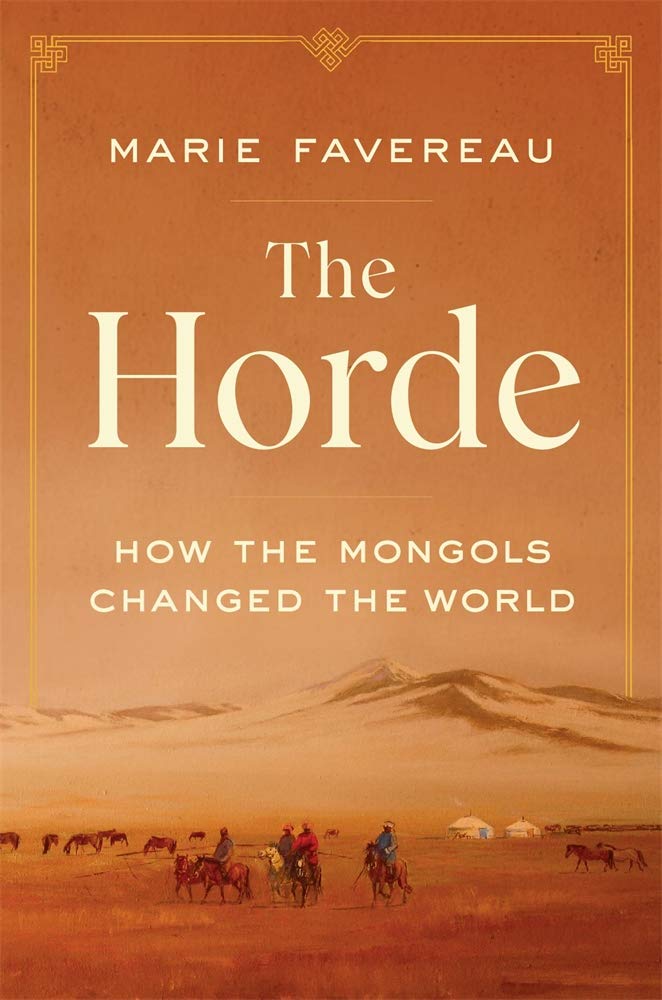
The Horde: How the Mongols changed the world
Author: Marie Favereau
First published: 2021
Original title: The Horde
Genre: Nonfiction / World history
And finally …
If your mental image of the Mongols begins and ends with conquest on horse back (you’re not alone), Marie Favereau is here to complicate the picture in the best possible way.
This highly readable history argues that the Mongol Empire was not just destructive but also a powerful engine of trade, diplomacy, and cross-cultural exchange. Favereau brings the Golden Horde to life as a sophisticated political and economic force that shaped Eurasia for centuries.
Pick this one if you want the big historical backdrop to Mongolia’s story, and to gently dismantle a few long-held myths along the way.
Join me, and read a book from Mongolia
Not the biggest list I’ve ever made, but I was just happy to find more than one book option from Mongolia this time around.
Mongolia’s literary presence in translation may be small, but it opens doors onto vast landscapes, complex histories, and ways of life that feel very far from my little Danish reading corner. That is the magic of this project.
If you were to start with just one of these, which would tempt you most?
Come tell me!