We’re moving into East Asia!
Central Asia felt like following old trade routes across deserts and mountains, so let us simply continue until the land eventually meets the sea.
For my own purpose I’ve divided the region of East Asia into two, and in the next five weeks The Borderless Bookshelf will be covering Mongolia, China, Hongkong, Taiwan and Tibet. (Possibly Macau too, if I find something interesting from there. Still undecided about that one.)
Unlike many of the regions I’ve covered so far, this one isn’t entirely new to me. I actually backpacked through large parts of China and Hong Kong in the nineties, back when Hong Kong was still under British rule.
So where exactly are we going?
From desert, open steppe, grasslands and towering mountain peaks to glittering megacities and island coasts. From nomadic traditions to some of the most densely populated urban spaces on the planet. Empires, revolutions, trade routes, disputed territories and shifting borders layered on top of one another.
Not exactly a small or simple region.
Historically, these places have influenced each other for centuries through migration, conquest, religion, and commerce. Cultures overlap, languages travel, and political borders rarely line up neatly with lived realities. Which, as always, makes my slightly obsessive “one book from each country” rule a little complicated.
I might have to let the borders flow a bit here too.
But let’s take a look at the places we’ll be visiting this coming month.
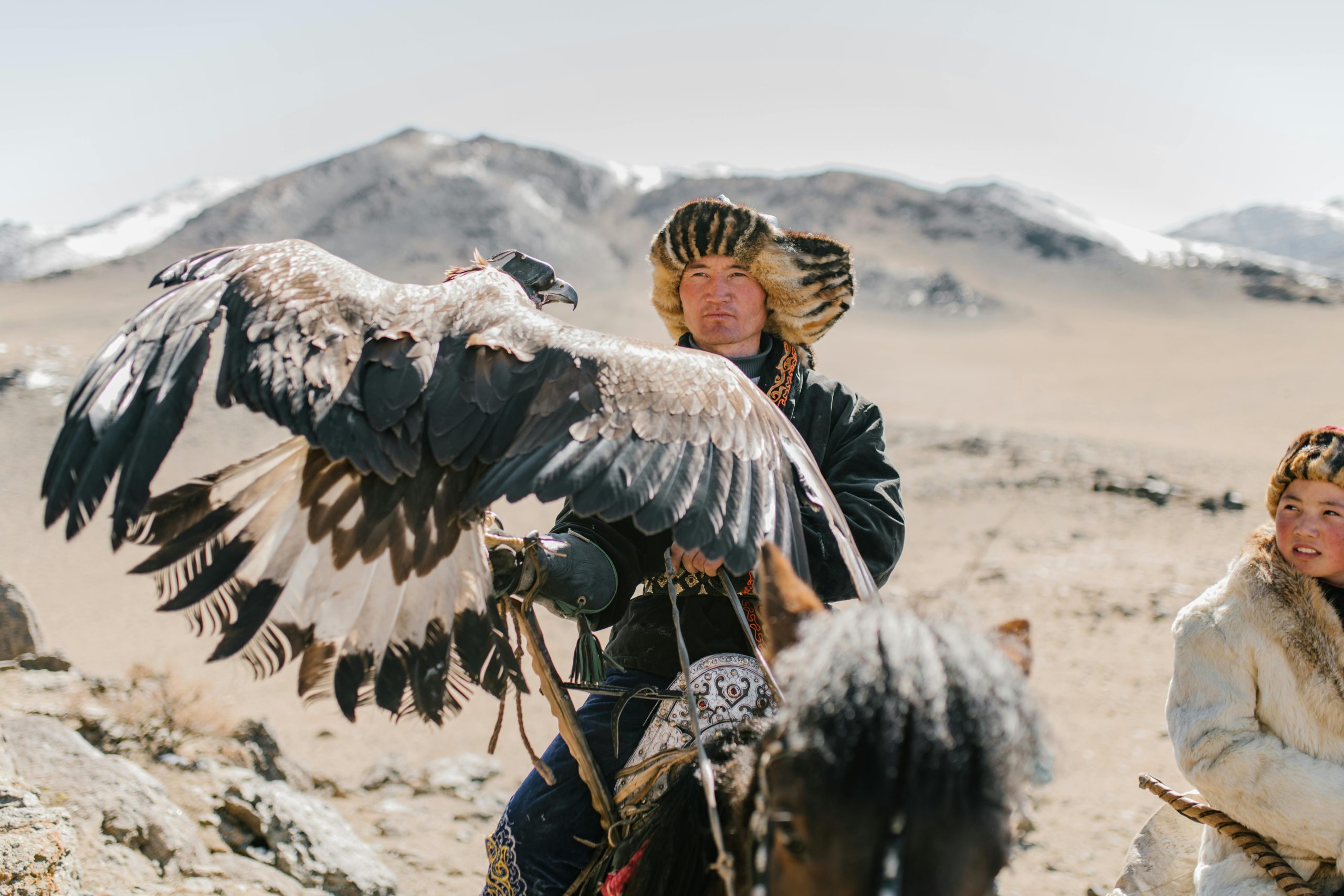
Mongolia
Mongolia to me feels like a natural bridge between Central and East Asia, so this is where I’ll start.
The landscape here is still dominated by steppe, desert, and mountains, and nomadic herding remains part of everyday life for many people. Population density is incredibly low, and distances are long in a way that feels almost unimaginable from my small European country perspective.
Historically, Mongolia was once the centre of one of the largest empires the world has ever seen. Under Chinggis Khan and his successors, the Mongol Empire connected vast parts of Eurasia, reshaping trade, politics, and cultural exchange. Today the country sits between Russia and China, influenced by both but determined to maintain a distinct identity.
I actually read a book from Mongolia about ten years ago, when I first had a go at this project. Back then it was the only book, I could find, so I’m interested to see if that has changed, of if this will be a reread.
China
And then there’s China.
Which feels competely absurd to try and summarise in a few paragraphs …
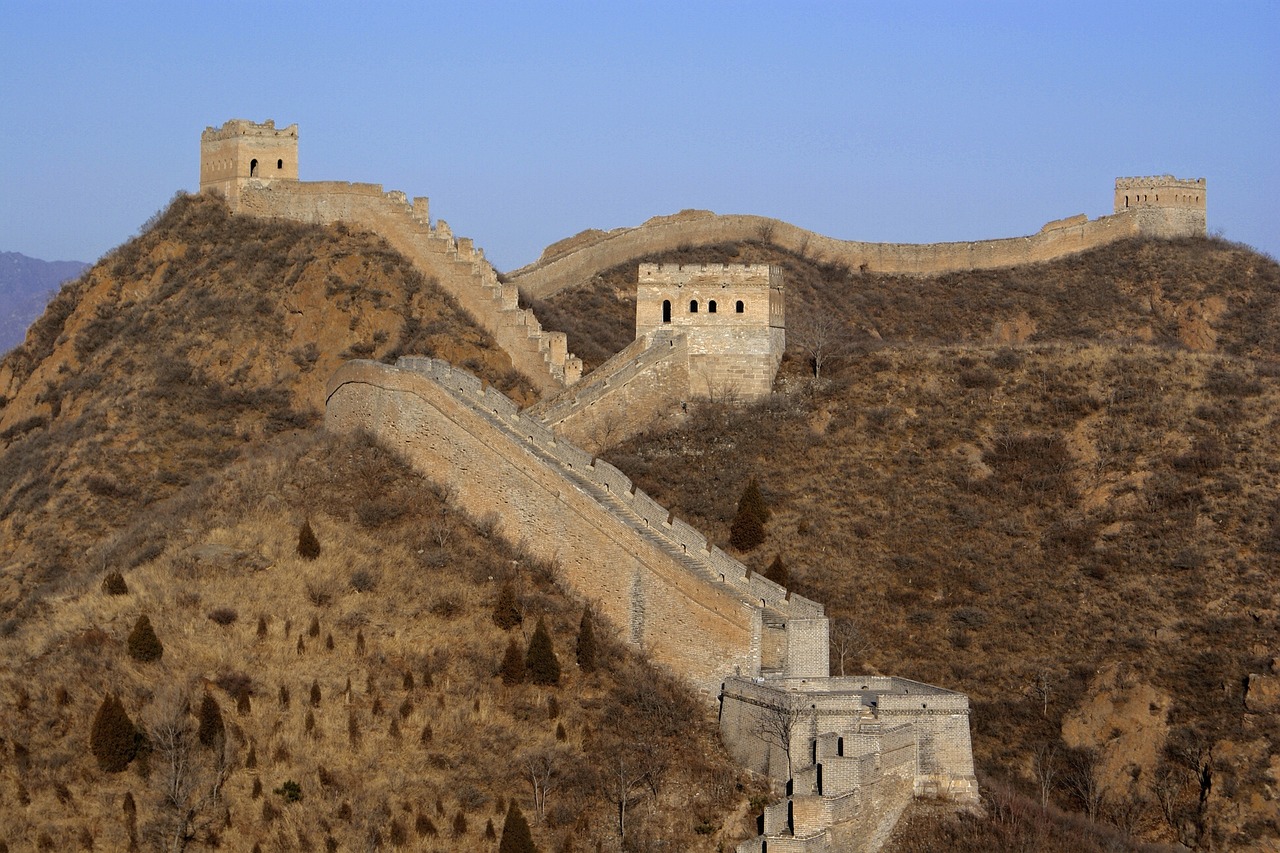
This is a civilization stretching back thousands of years, with dynasties rising and falling long before most European states even existed. Philosophy, poetry, printing, bureaucracy, and entire systems of thought developed here and spread far beyond its borders.
And today, modern China is one of the fastest-changing places on the planet. Rapid urbanisation, technological leaps, and political control exist side by side with ancient traditions and rural life that still looks like it did centuries ago. It’s in every way a country of opposites.
The sheer scale of the country, geographically, historically, culturally, of course makes it impossible to capture in a single story. So reading one book will feel wildly insufficient. But that’s part of the experiment. And personally I’ve actually already read many books from China, so this time around I’m looking for something new and different.
Tibet
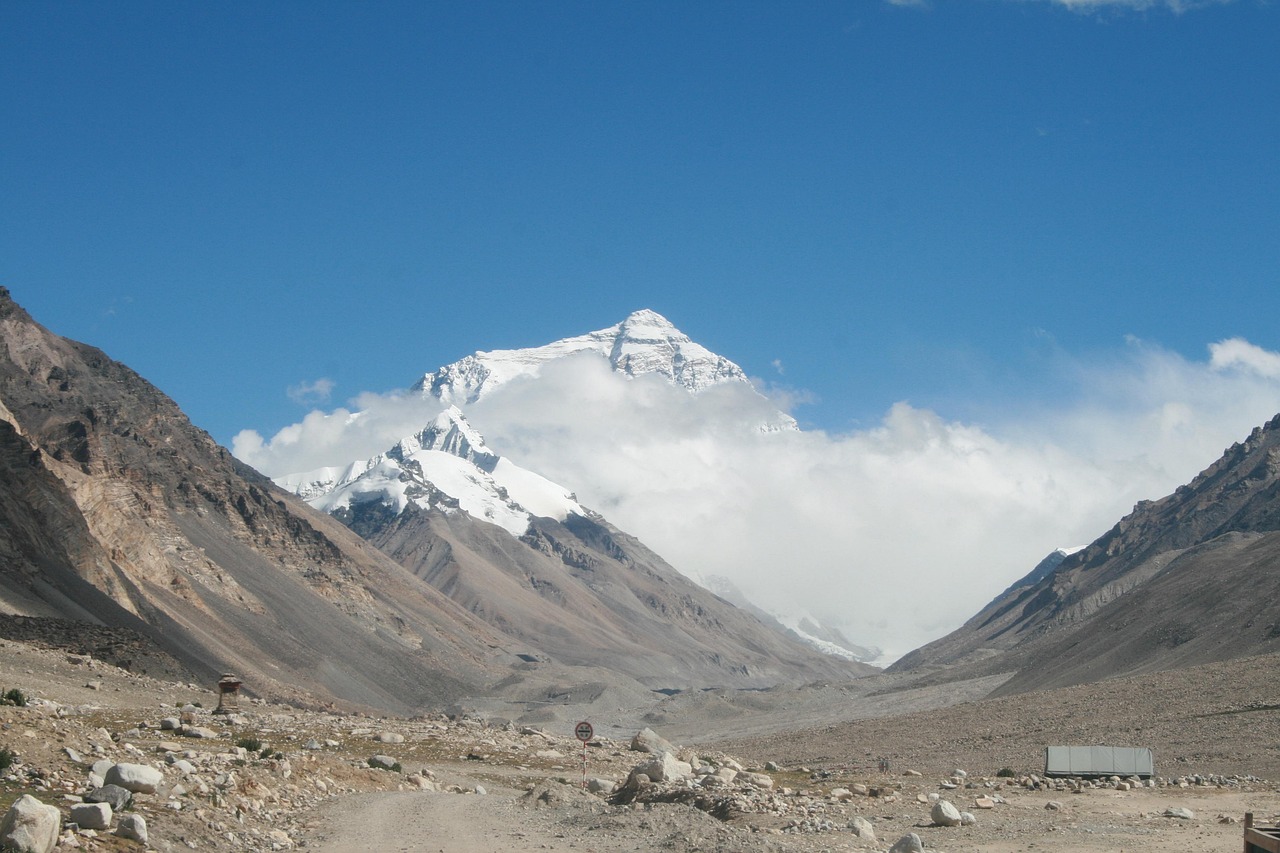
Then we’ll climb to the “the roof of the world”. Not recognised as a country, but culturally distict and interesting enough for me to want to read it seperately. I was very fascinated by Tibet when I was younger. The original plan for my backpacking trip around Asia in my early twenties included a stop in Tibet, which unfortunately was not possible, and that has been a regret ever since. But despite this, I’ve never really studied the history of the place. So It was never a question that this literary journey around the globe would include a stop in Tibet.
The high altitude and Tibetan Buddhism with its monasteries and pilgrimage routes have shaped daily life here for centuries, giving the region a unique spiritual and artistic identity.
Modern Tibetan history, however, is closely (and very painfully) intertwined with China and marked by political tension, questions of autonomy, and the preservation of language and tradition. It’s a place where landscape, religion, and politics are tightly interwoven, and I imagine the literature reflects that complexity.
Hong Kong
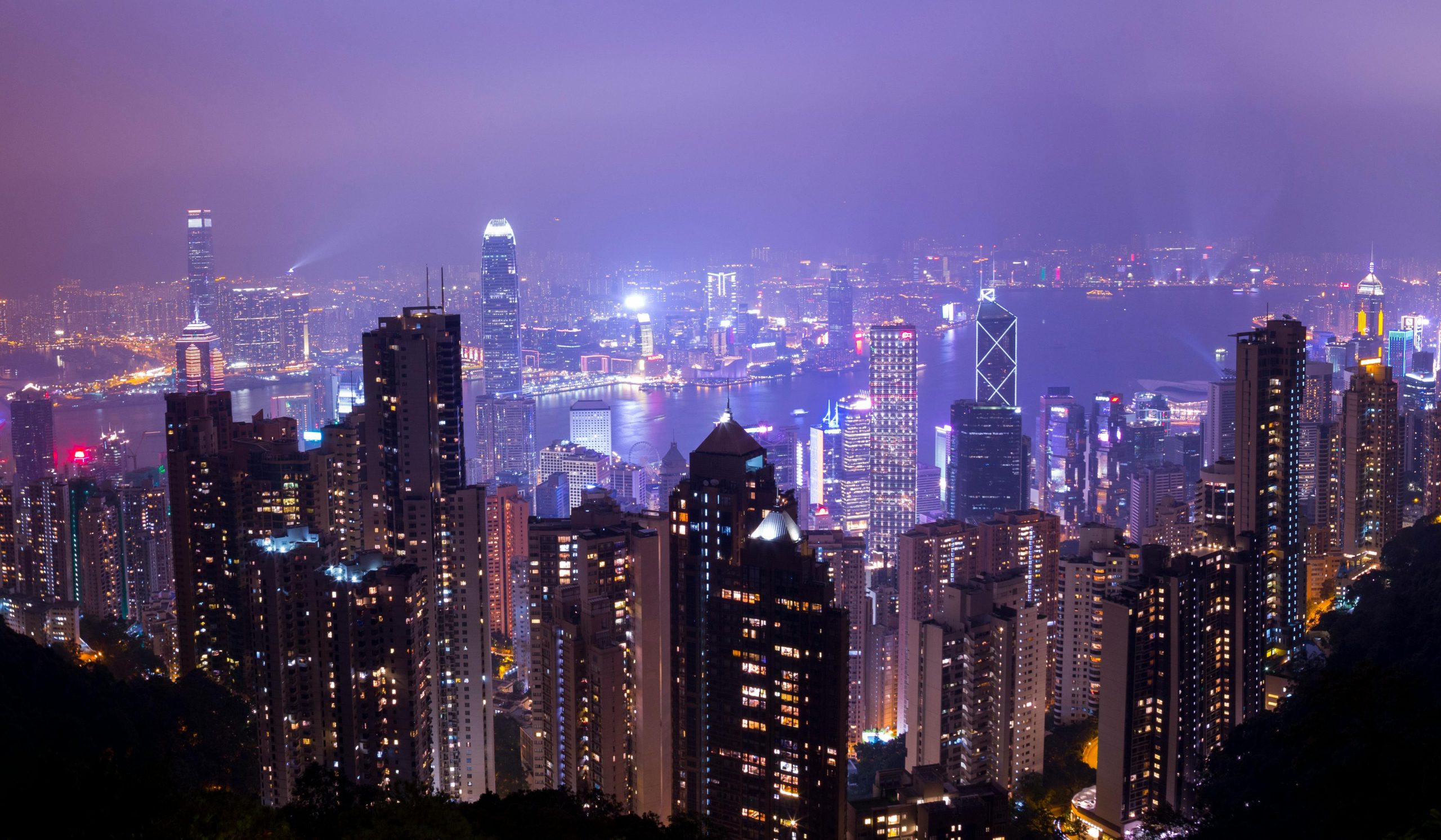
From the majestic mountain tops, we move down to a world of modernity and glittering neon lights on the edge of the sea.
Hong Kong has long been a meeting point. A former British colony returned to China in 1997, it developed as a global port city where Cantonese, English, and countless other languages mixed. Finance and shipping, street markets and skyscrapers, old temples tucked between glass towers.
For decades it cultivated a distinct identity somewhere between China and the West, both legally, culturally, and socially. In recent years, that position has shifted dramatically, and questions of freedom, belonging, and local identity have become central.
I was fortunate enough to visit Hongkong while it was still a British colony, and it feels like a place where stories are likely to be fast-paced, urban, and very aware of history pressing in from all sides.
Taiwan
And finally, Taiwan. The only country in this region, I really had no clear concept of before starting this.
But we are looking at an island with its own very complicated history and relationship to the mainland. A country shaped by various indigenous cultures, waves of migration from China, Japanese colonial rule, and its present-day political status. Like Hong Kong, it often seems to exist slightly outside the simple categories we like to put on maps.
Taiwan has a very strong contemporary literary scene and a reputation for bold, diverse voices, which makes me especially excited about this one. I actually already have a long TBR for Taiwan, so this will be a chance to pick up one of those!
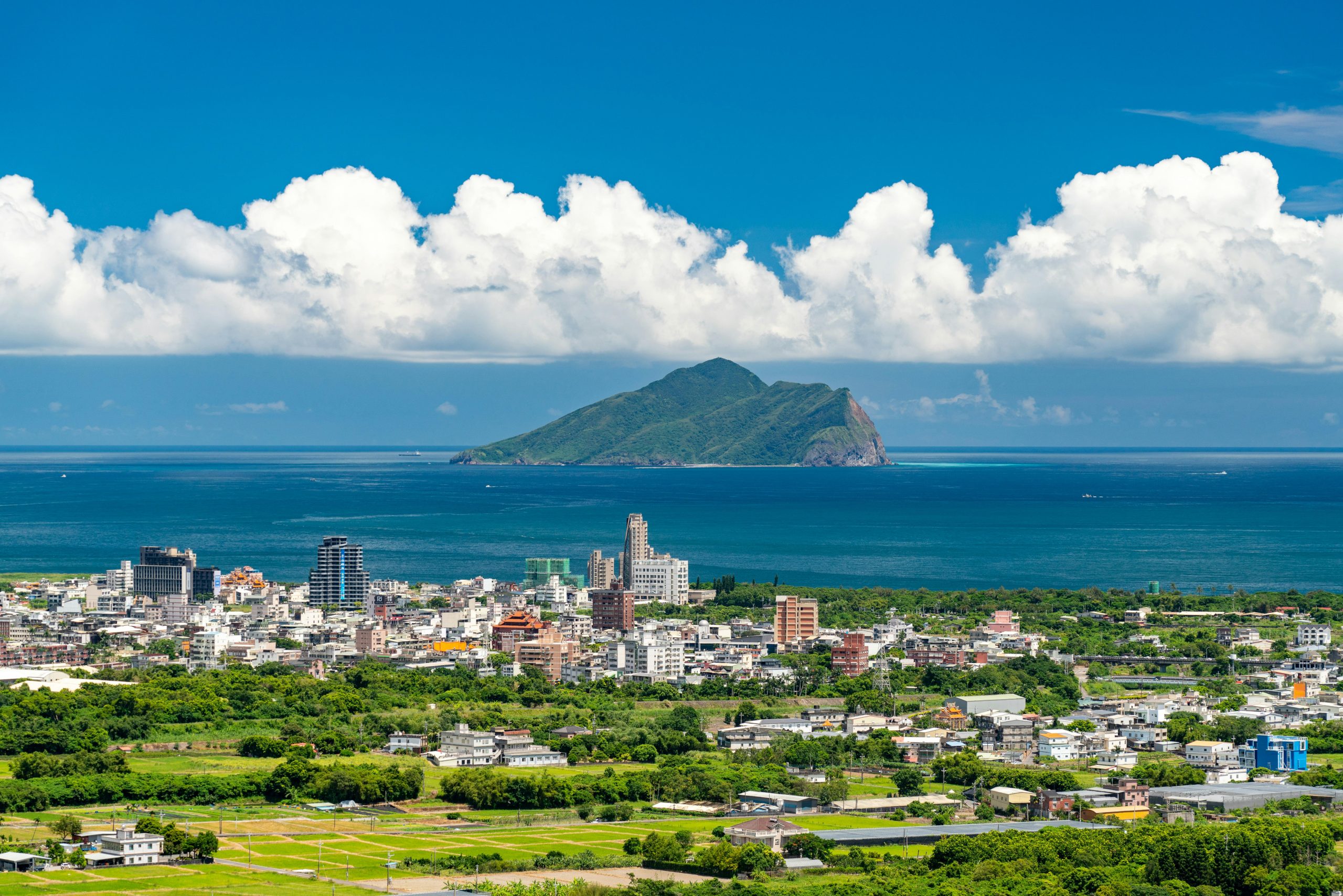
Join me as I explore China and its neighbours
This is a region I’ve technically visited before, but only for a few months and a very long time ago.
So it feels a bit like returning with older eyes, and armed with a much heavier suitcase full of books instead of a backpack.
Over the next weeks I’ll be compiling lists and reading one book from each place: Mongolia, China, Tibet, Hong Kong and Taiwan. Order still undecided.
If you have recommendations, tips, or favourite authors from this part of the world, I’d love to hear them!
Fill up a bowl of noodle soup and let’s see where the stories take us this time.
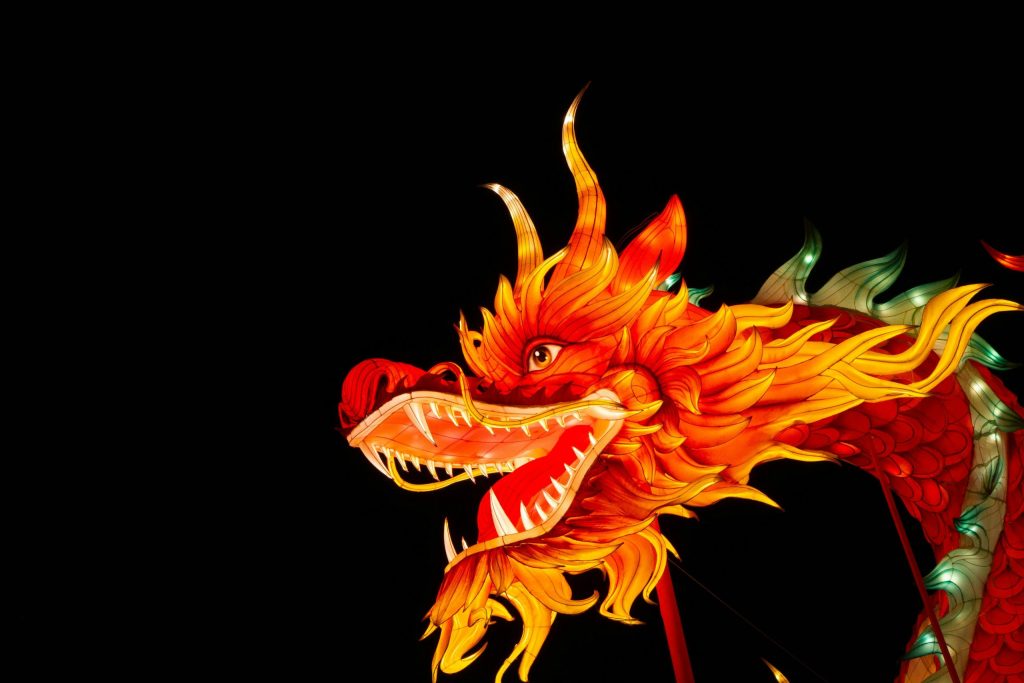
And watch out for dragons.