As long as we’re alive, there’s a way
“And the prize for the most cinematic novel goes to…”
No, really. Hand it the trophy. Roll the credits.
The Green-eyed Lama unfolds in wide shots and close-ups, like a four-hour historical epic I’d happily sit through without once checking the time. Or a 16 episode Netflix drama I would binge from start to finish.
I went in expecting a love story, but Tsedevdamba gave me so much more than that.
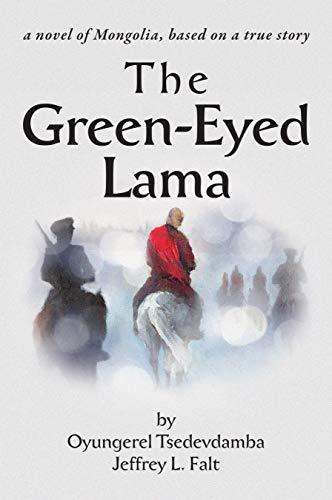
The love story is there. A quiet, tragic (and nicely sexy) romance between the beautiful Sendmaa and Baasan, the handsome and artistic green-eyed Buddhist lama who dares to imagine a life with her beyond the monastery. Tragically brought short by a scheming and manipulative neighbour who wants Baasan for herself and convinces Baasan’s older brother Bold to “send a bride asking” for Sendmaa, who is not really given any choice in the matter.
But then the novel quickly widens into a full historical epic. An entire country comes alive around the central couple. Families, rivalries, fellow monks, herders, party officials, soldiers. We get multiple POVs and each character feels grounded and human, with loyalties, fears, and contradictions of their own. Dignified Old Lamas with unshakable faith and a quirky sense of humor (see quote after this paragraph!). The young boy intercepted by the enemy and forced to do their dirty work. People forced to join the party or the army to provide for their families. And the Shaman who quietly sticks to the old ways.
“Nice sized organ. You should marry if you leave this hell alive. You must have been born to a father of many children with this stallion thing”
The love story starts in 1937. The Communists were in charge in Mongolia since 1921, but the novel starts when Choibalsan, a mini-Stalin, has taken power and unleashes a brutal wave of repression, specifically targeting the religious communities. Monasteries are burned to the ground and all the Lamas are killed and thrown in mass graves or imprisoned in brutal work camps.
And wealthy herders like Baasan’s brother are deemed capitalists and have their animals taken away.
Some passages of torture and the life in prison camps are genuinely hard to read. There were moments I had to pause and breathe. But it never feels gratuitous. It feels like the author is saying: this happened, and we don’t get to look away. Because much of it did happen. Oyungerel Tsedevdamba built this novel from real events, more than 20 thousand Buddhist lamas were in fact labelled as yellow feudals or counter-revolutionist, and hence imprisoned, worked as slaves or executed. And the book contains a chilling list of hundreds of names of Lamas who were executed.
“Destroy the past and you control the future”
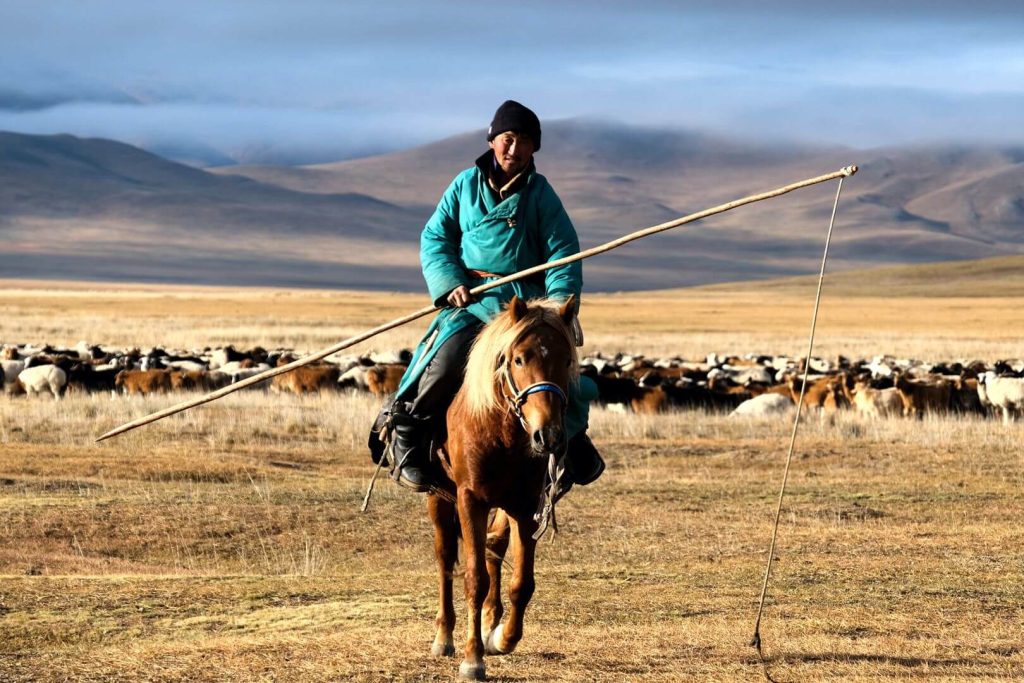
But unimaginable violence aside, this may be one of the most immersive portrayals of a country I’ve encountered so far. Mongolia comes to life here. You feel the vastness of the steppe, the wind and the rhythm of nomadic life. The monasteries are not just buildings but living centres of ritual and learning. The daily details of both religious and secular rural life, food, clothing, and customs are woven so naturally into the narrative that they never feel like explanation. I absolutely adore that kind of writing.
You can taste the salty milk tea and the sheep cooked in the fat from its own tail. You can hear the Lamas chanting in Tibetan and see the beautiful tankas lovingly painted by Baasan. The domestic scenes inside the ger (the Mongol name for the round tent most people know as a yurt) carry just as much texture as the sweeping historical ones. It’s rare to find a novel that balances epic scope with such sensory intimacy.
And that is why I can’t stop thinking about how cinematic it is. The wide landscapes, the spiritual tension, the romance, the political terror, the ensemble cast … it just feels ready for adaptation.
Please someone make that happen.
And if I haven’t convinced you, here are some other options for Mongolia.