No, Tibet is not a recognised country.
Yes, that is a politically sensitive issue.
Neither of those things will stop me from devoting a chapter of my Borderless Bookshelf to Tibet.
I was fascinated by Tibet when I was younger. The original plan for my backpacking trip around Asia in my early twenties included a stop in Tibet, which unfortunately ended up not being not possible, and that has been a regret ever since. But despite this, I’ve never really studied the history of the place. So It was never a question that this literary journey around the globe would include a stop in Tibet. And incidentally my book choices for both Mongolia and China both turned out to have Tibetan connections, so I am particularly excited to wrap up my journey of this region here!
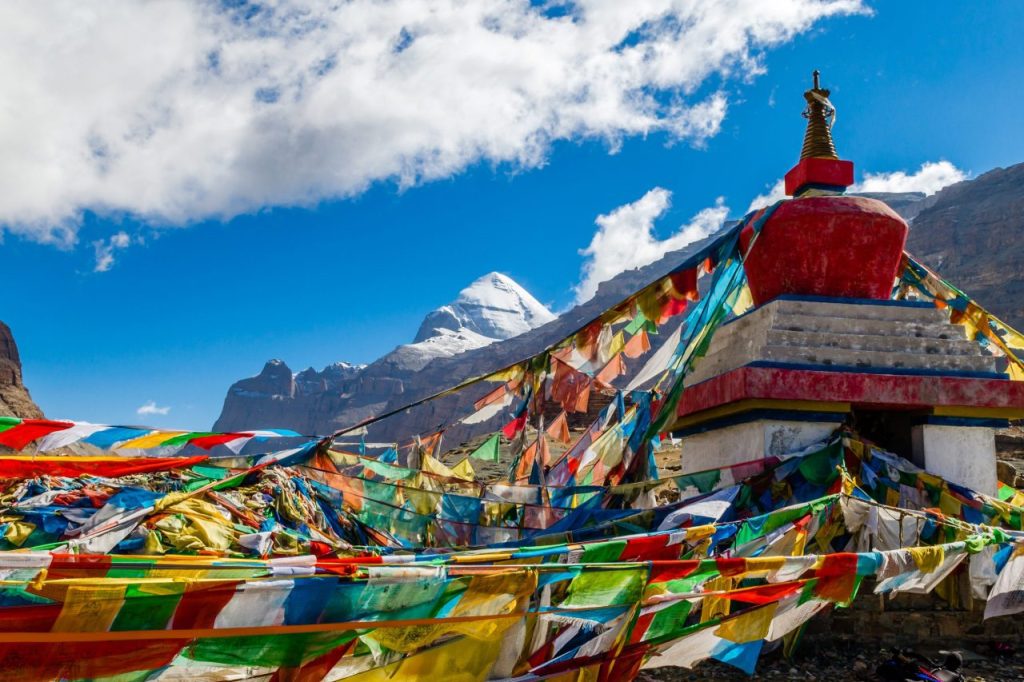
Tibet exists culturally, historically and literarily. Its political status is contested, but its stories are not imaginary. They are written in exile, in memory, in fiction, in poetry, and sometimes in quiet defiance
A list of books to read from Tibet
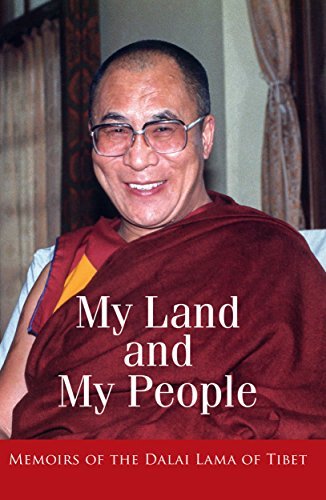
My land and my people: Memoirs of the Dalai Lama of Tibet
Author: The Dalai Lama XIV
First published: 1962
Genre: Nonfiction / Memoir
For most people the concept of Tibet is inexorably tied to the Dalai Lama. So it seems inevitable that I must start out this list with the words of the man himself.
In this memoir, the fourteenth Dalai Lama recounts his childhood, his recognition as a spiritual leader, the Chinese takeover, and his eventual exile in India. The tone is measured, reflective, and shaped by Buddhist philosophy rather than outrage.
For those wanting to understand the historical rupture that reshaped Tibet in the twentieth century, this is a natural place to begin.
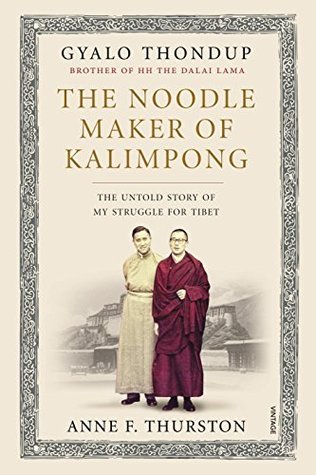
The Noodle Maker of Kalimpong
Author: Gyalo Thondup with Anne F. Thurston
First published: 2015
Genre: Nonfiction / Memoir
Another memoir option. This one from the older brother of the Dalai Lama, who is writing from the perspective of a political insider rather than a spiritual leader.
Gyalo Thondup offers a more strategic, geopolitical perspective. His memoir moves through Cold War diplomacy, CIA involvement, negotiations, and decades of complicated international maneuvering.
Read this if you’re curious about the behind-the-scenes layer and the messy reality beneath the public narrative.
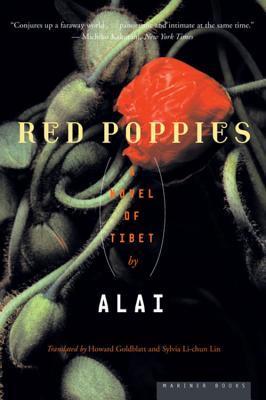
Red Poppies: A novel of Tibet
Author: Alai
First published: 1998
Genre: Historical Fiction
From the memoirs let us turn the perspective to a lively and cinematic twentieth-century epic.
Red Poppies focuses on the extravagant and brutal reign of a clan of Tibetan warlords during the rise of Chinese Communism. The story is wryly narrated by the chieftain’s son, a self-professed “idiot” who reveals the bloody feuds, seductions, secrets, and scheming behind his family’s struggles for power. When the chieftain agrees to grow opium poppies with seeds supplied by the Chinese Nationalists in exchange for modern weapons, he draws Tibet into the opium trade — and unwittingly plants the seeds for a downfall.
Red Poppies is at once a political parable and a moving elegy to the lost kingdom of Tibet in all its cruelty, beauty, and romance.
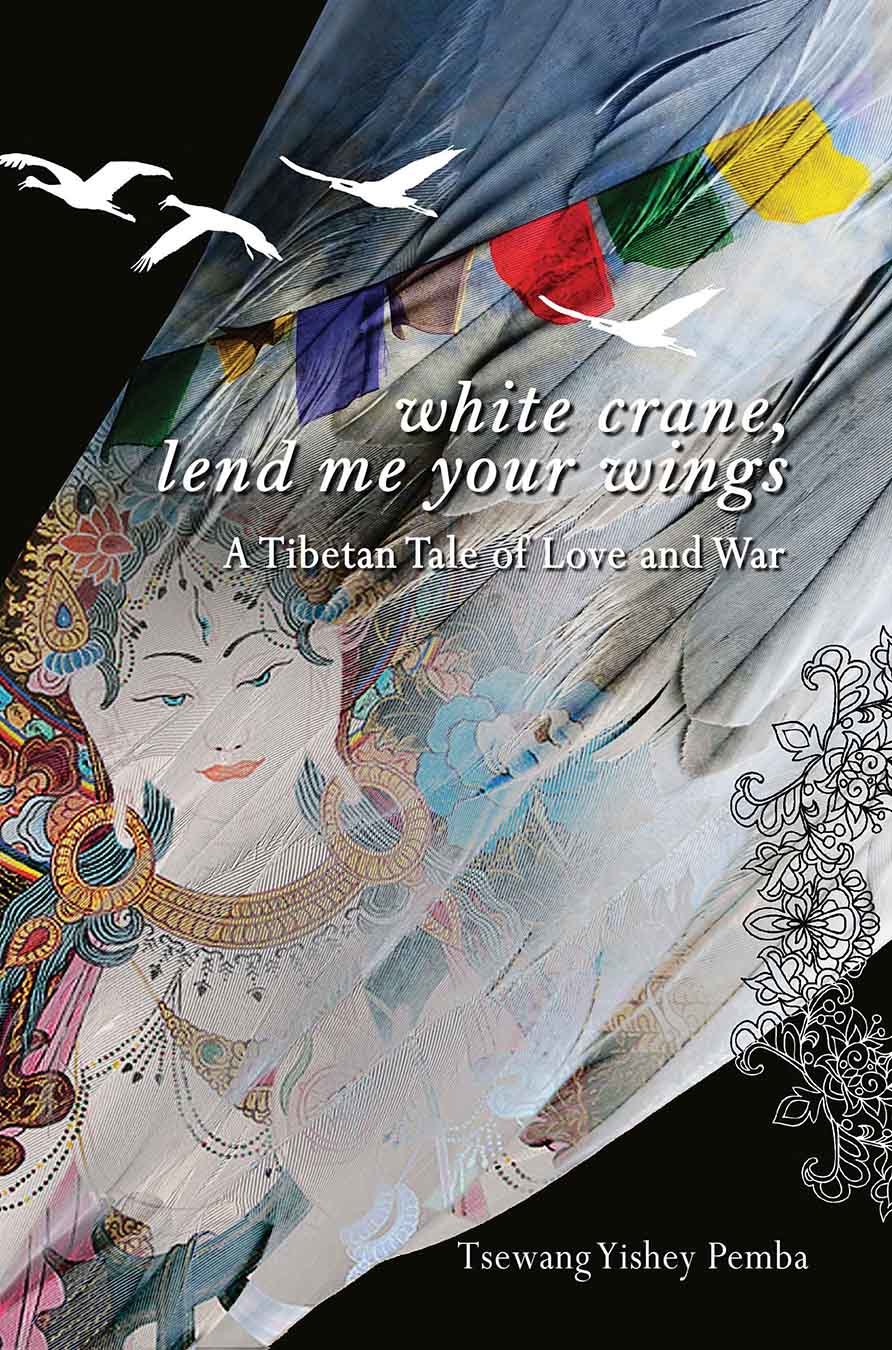
White crane, lend me your wings: A Tibetan tale of love and war
Author: Tsewang Yishey Pemba
First published: 2017
Genre: Historical Fiction
If you prefer history filtered through individual hearts rather than headlines, this might be your entry point. White Crane, Lend me your Wings is a historical fiction set in the breathtakingly beautiful Nyarong Valley of the Kham province of Eastern Tibet in the first half of the twentieth century.
The novel begins with a never-told-before story of a failed Christian mission in Tibet and takes one into the heartland of Eastern Tibet by capturing the zeitgeist of the fierce warrior tribe of Khampas ruled by chieftains. This coming-of-age narrative is a riveting tale of vengeance, warfare and love unfolded through the life story of two young boys and their family and friends.
The personal drama gets embroiled in a national catastrophe as China invades Tibet forcing it out of its isolation. Ultimately, the novel delves into themes such as tradition versus modernity, individual choice and freedom, the nature of governance, the role of religion in people’s lives, the inevitability of change, and the importance of human values.
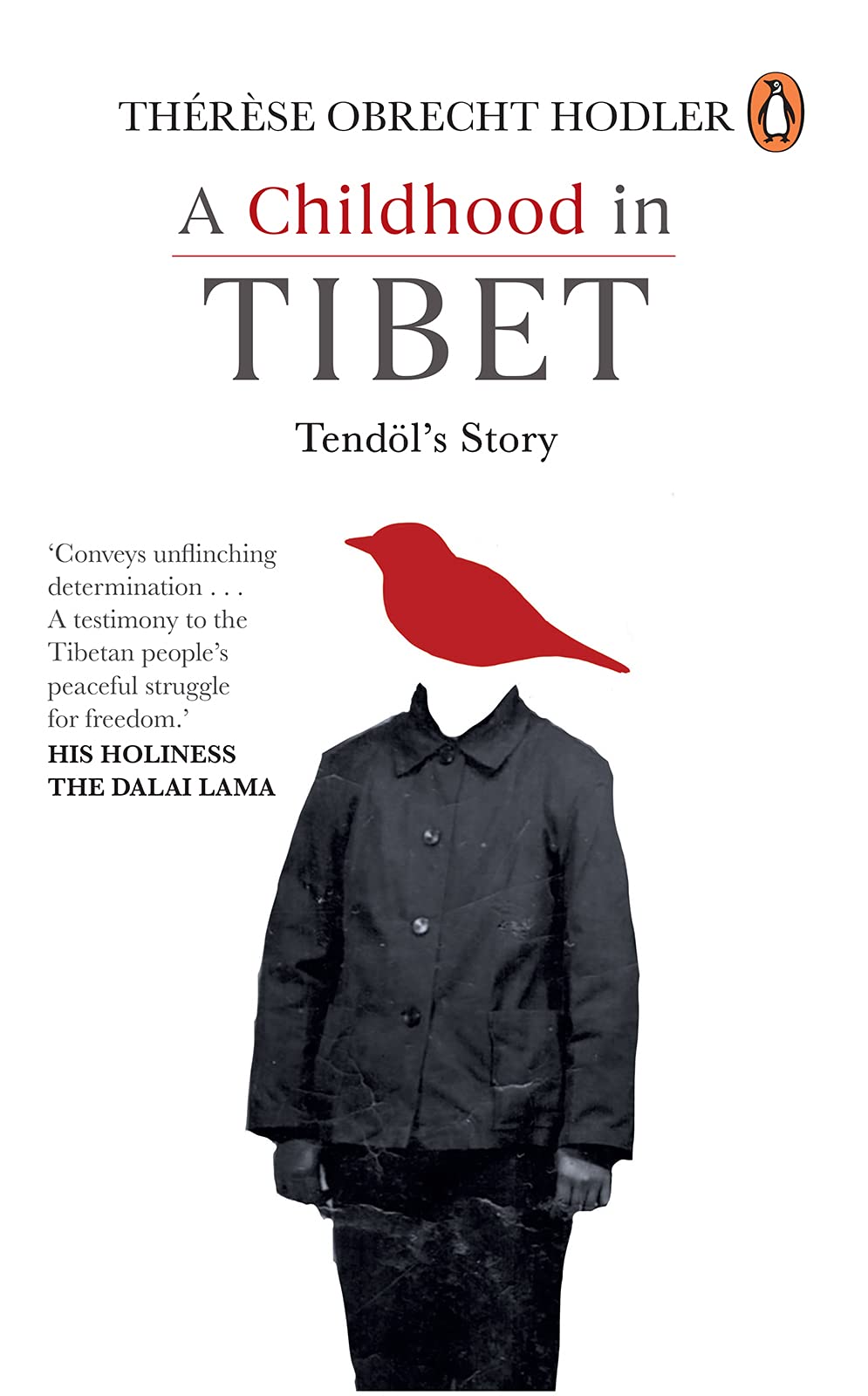
A childhood in Tibet: Tendöl’s story
Author: Thérèse Obrecht Hodler
First published: 1990
Genre: Nonfiction / Biography
Tendöl Namling was born at the time when the Dalai Lama fled from Lhasa and the uprising of his people by the Chinese People’s Army was brutally suppressed. She lived for 22 years under Chinese rule, and as the daughter of a high government official, she underwent the ordeal of ‘re-education’ with full force.
When Tendöl turned 10 her brother was arrested and her mother sentenced to ten years in prison. Tendöl was sent to work in road construction for several years. At the age of 20 she was allowed to start an apprenticeship as motor mechanic. Thanks to the efforts of her family in exile, Tendöl was able to leave Tibet in 1982. After twenty years of hardship she landed in prosperous Switzerland.
A biography of one ordinary person, caught in the throws of history. Filled with priceless photographs.
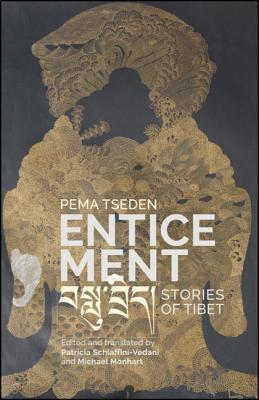
Enticement: Stories of Tibet
Author: Pema Tseden
First published: 2018
Genre: Short stories
This collection gathers together his most relevant and influential short stories of of prominent Tibetan writer and filmmaker Pema Tseden, including “Tharlo,” which he adapted into an award-winning and internationally acclaimed film in 2015. His stories make use of a variety of literary styles and sources, ranging from traditional Tibetan oral tales to magical realism, surrealism, and the theater of the absurd. They humanize the Tibetan experience by stepping away from patronizing, mystic, or idealized visions of Tibet to speak with empathy and humor about the real challenges faced by Tibetans in the age of globalization.
If you’re looking for modern Tibetan life with magical flair and cinematic clarity, this is the one to go for.
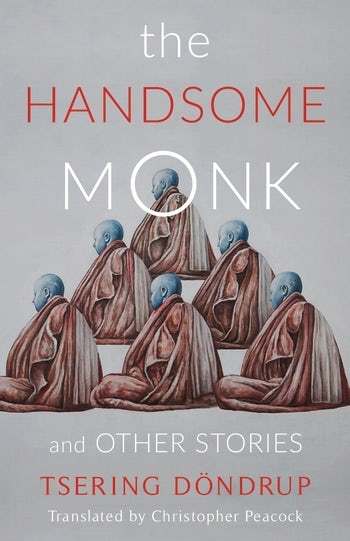
The Handsome Monk and other stories
Author: Tsering Döndrup
First published: 2019
Genre: Short stories
Tsering Döndrup is one of the most popular and critically acclaimed authors writing in Tibetan today. In a distinct voice rich in black humor and irony, he describes the lives of Tibetans in contemporary China with wit, empathy, and a passionate sense of justice.
The Handsome Monk and Other Stories brings together short stories from across Tsering Döndrup’s career to create a panorama of Tibetan society. He tells tales of hypocritical lamas, crooked officials, violent conflicts, and loyal yaks. His nomad characters find themselves in scenarios that are at once strange and familiar, satirical yet poignant.
Döndrup confronts pressing the corruption of religious institutions; the indignities and injustices of Chinese rule; poverty and social ills such as gambling and alcoholism; and the hardships of a minority group struggling to maintain its identity in the face of overwhelming odds.
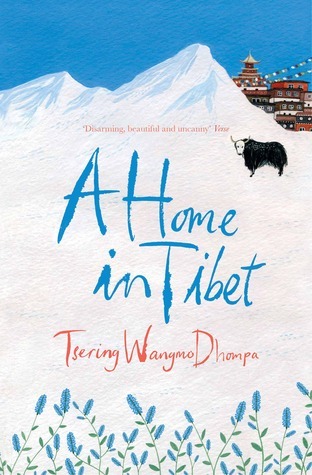
A home in Tibet
Author: Tsering Wangmo Dhompa
First published: 2013
Original title: Coming Home to Tibet: A Memoir of Love, Loss, and Belonging
Genre: Nonfiction / Memoir
When her mother dies in a car accident along a great highway in India, far from her country and her family, Tsering decides to take a handful of her ashes to Tibet.
She arrives at the foothills of her mother’s ancestral home in a nomadic village in East Tibet to realize that she has been preparing for this homecoming all her life. Everything is familiar to her, especially the flowers of the Tibetan summer. She understands then the gift her mother had bequeathed her: the love of a land.
A Home in Tibet is a daughter’s haunting tribute to a mother and a homeland. A story about the love between a mother and a daughter who only had each other as family and refuge, it gestures to the journeys made by those exiled from their lands, and the dreams of daughters.
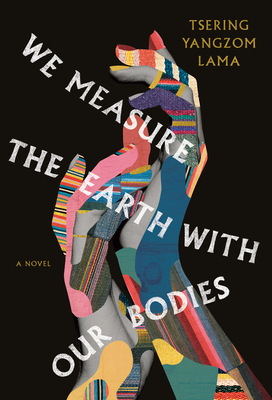
We measure the earth with our bodies
Author: Tsering Yangzom Lama
First published: 2022
Genre: Historical fiction / Literary Fiction
Told through the lives of four people over fifty years, this beautifully lyrical novel provides a nuanced portrait of the little-known world of Tibetan exiles.
In the wake of China’s 1959 invasion of Tibet, Lhamo and her sister, Tenkyi, arrive at a refugee camp on the border of Nepal, having survived the dangerous journey across the Himalayas into exile when so many others did not. As Lhamo–haunted by the loss of her homeland and her mother, the village oracle–tries to rebuild a life amid a shattered community, hope arrives in the form of a young man named Samphel, whose uncle brings with him the ancient statue of the Nameless Saint, a relic long rumoured to vanish and reappear in times of need.
Decades later, the sisters are separated, and Tenkyi is living with Lhamo’s daughter, Dolma, in Toronto’s Parkdale neighbourhood. While Tenkyi works as a cleaner and struggles with traumatic memories, Dolma vies for a place as a scholar of Tibet Studies. But when Dolma comes across the Nameless Saint in a collector’s vault, she must decide what she is willing to do for her community, even if it means risking her dreams.
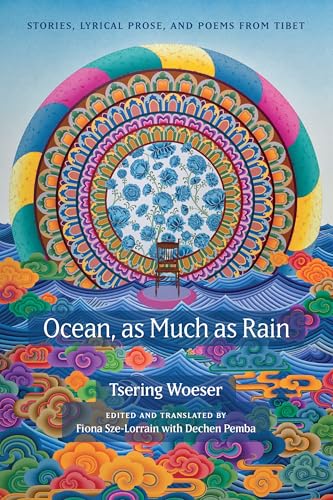
Ocean, as Much as Rain: Stories, Lyrical Prose, and Poems from Tibet
Author: Tsering Woeser
First published: 2026
Original title: Ocean, as Much as Rain
Genre: Short stories / Essays / Poetry
Woeser interweaves texts, photographs, silences, and documentary details to bring to life Tibetan characters whose lives are entwined with politics, history, and religion. She illuminates the ruins and places that she has come across during her various sojourns in Chinese-ruled Tibet, reviving sites from the past of her parents and their generation.
These writings range from ingenious retellings of cultural encounters and confrontation to insightful commentaries on ecological issues and tourism in Tibet that never shun contradictions, dilemmas, or questions about the future.
Join me, and read a book from Tibet
Compared to most other countries I’ve covered, this list leans heavily toward memoirs. A genre I don’t generally reach for. (In my journey so far, I’ve only read one.)
But it makes sense. For a culture shaped so profoundly by rupture and exile, personal testimony naturally becomes an integral part of the stories that are told. Before fiction can appear, someone has to remember.
Still, fiction is there. Poetry is there. Satire is there.
Tibet may not be internationally recognised as a country, but its literature exists as layered, reflective, mournful, and sometimes quietly ironic texts. The stories are there, waiting to be read.
If you were to begin somewhere here, would you start with memoir? Or reach for history, fiction, or poetry?