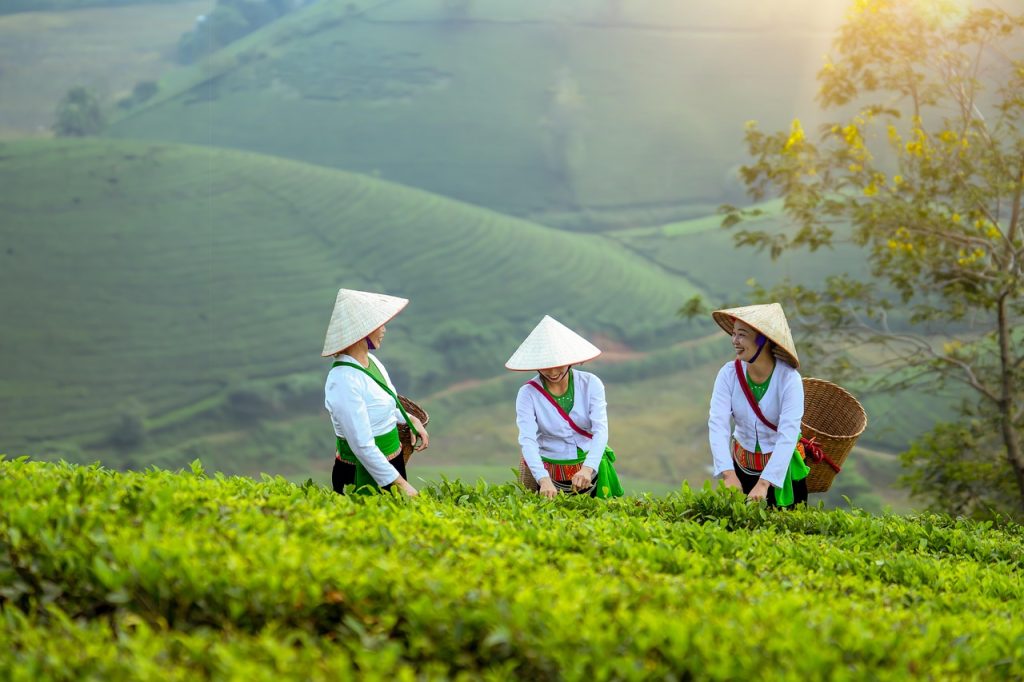
Vietnam is a country of layered histories, breathtaking landscapes, and extraordinary resilience. It is a place where ancient legends still shape cultural identity, where French colonial architecture stands beside glittering skyscrapers, and where memories of war continue to echo through generations. Vietnamese literature reflects all of this complexity — often lyrical and deeply emotional, but also sharp, satirical, strange, and fiercely political.
This list moves through many sides of Vietnam: from folktales and classic poetry to colonial-era satire, war literature, family sagas, and contemporary novels filled with ghosts and fractured memories. Some books offer sweeping historical perspectives, while others focus intimately on ordinary lives caught in enormous upheavals. Together, they create a portrait of a country shaped by survival, tradition, reinvention, and storytelling itself.
A list of books to read from Vietnam
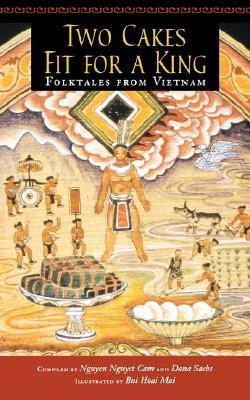
Two Cakes Fit for a King: Folktales from Vietnam
Author: Nguyễn Nguyệt Cầm
First published: 2003
Original title: Two Cakes Fit for a King
Genre: Folklore
Before diving into Vietnam’s modern history, it feels right to begin with the stories that helped shape the country’s cultural identity. For centuries, Vietnamese folklore has preserved both history and mythology, passing down values, beliefs, and traditions from generation to generation.
These stories range from explanations of natural phenomena to tales of loyalty, cleverness, family devotion, and agrarian life. Some, like “A Daughter’s Love,” draw on early Vietnamese history, while others — including “The Anger of the Waters” and “Two Cakes Fit for a King” — explain the world through myth and imagination.
Richly illustrated and deeply rooted in Vietnamese culture, this collection offers a wonderful introduction to the spirit of the country before moving into its more turbulent modern history.
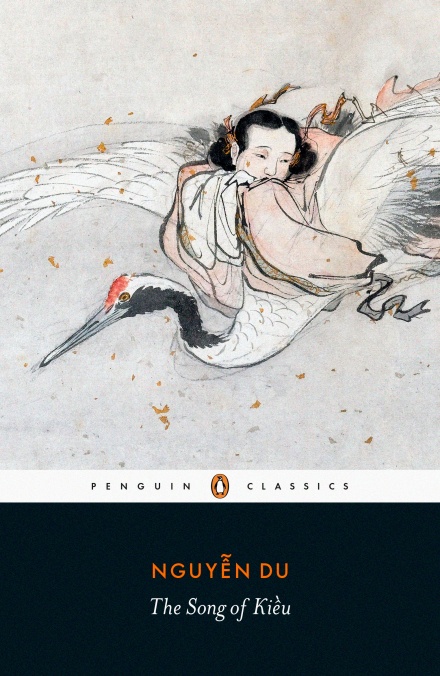
The Song of Kieu
Author: Nguyen Du
First published: 1820
Original title: Đoạn trường tân thanh
Genre: Epic Poem
Often considered the greatest work of Vietnamese literature, The Song of Kieu is one of those books that feels essential for understanding a nation’s literary heritage. Written in verse, it tells the tragic story of Thúy Kiều, a young woman who sacrifices herself to save her family from financial ruin, only to endure exploitation, poverty, war, and heartbreak.
Adapted from a Chinese tale, Nguyễn Du transformed the story into something profoundly Vietnamese, using it to reflect the political and social upheaval of late eighteenth-century Vietnam. Even today, lines from the poem are quoted in everyday conversation, and its influence on Vietnamese culture is hard to overstate. For readers curious about the literary soul of Vietnam, this would be the place to start.
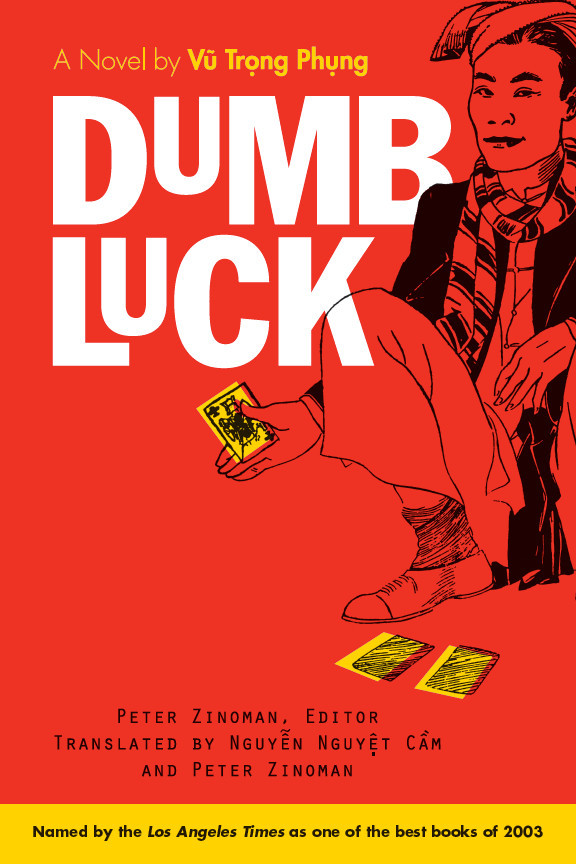
Dumb Luck
Author: Vũ Trọng Phụng
First published: 1936
Original title: Số Đỏ
Genre: Literary fiction / Satire
After the classical elegance of The Song of Kieu, Dumb Luck shows a completely different side of Vietnamese literature: sharp, chaotic, and wickedly funny. First published during the French colonial period and later banned in Vietnam until 1986, this satirical novel follows the accidental rise of Red-haired Xuân, a street hustler who somehow becomes a celebrity among Hanoi’s westernized elite.
As Xuân stumbles upward through colonial society, the novel skewers the obsession with modernization, status, and French influence that shaped urban Vietnam in the 1930s. Beneath the absurd humor lies a fascinating portrait of a country caught between tradition and colonial capitalism.
If you want a Vietnam that feels messy, cynical, and darkly hilarious, this is the book to pick up.
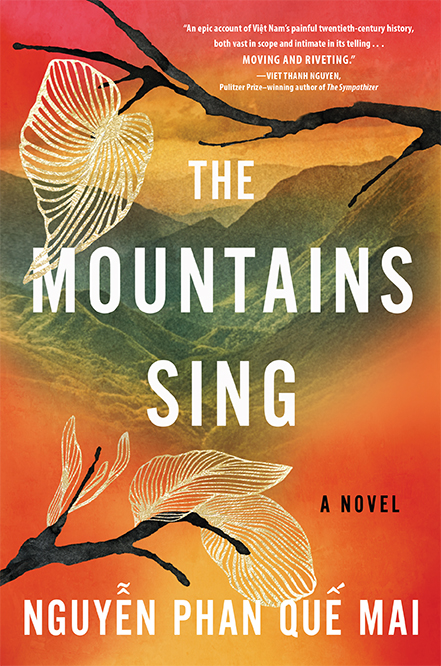
The Mountains Sing
Author: Nguyễn Phan Quế Mai
First published: 2020
Original title: The Mountains Sing
Genre: Historical fiction / Family saga
From colonial Hanoi, this list moves into the upheavals of the twentieth century. Celebrated Vietnamese poet Nguyễn Phan Quế Mai’s multigenerational family saga follows the Trần family across decades of famine, land reform, war, and loss, told through the voices of grandmother Diệu Lan and her granddaughter Hương.
What makes this novel stand out is its perspective. So many books about the Vietnam War are filtered through American eyes, but The Mountains Sing places Vietnamese experiences firmly at the center. Alongside the devastation, the novel is filled with food, poetry, family traditions, and moments of tenderness that make the characters feel vividly alive. For readers wanting an accessible and emotional introduction to modern Vietnamese history, this is probably the easiest entry point on the list.
The Mountains Sing is an international bestseller and Pulitzer Prize winner.
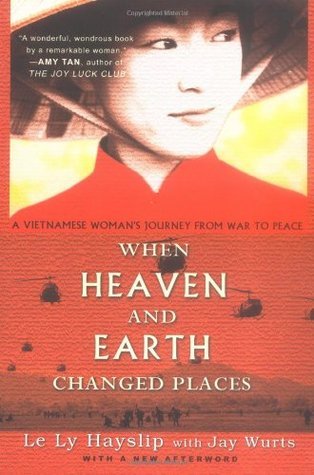
When Heaven and Earth Changed Places: A Vietnamese Woman’s Journey from War to Peace
Author: Le Ly Hayslip
First published: 1989
Original title: When Heaven and Earth Changed Places
Genre: Nonfiction / Memoir
While The Mountains Sing fictionalizes the experience of war, Le Ly Hayslip’s memoir offers a devastating firsthand account. The youngest of six children in a close-knit Buddhist family, she was twelve years old when U.S. helicopters landed in Ky La, her tiny village in central Vietnam. As the government and Viet Cong troops fought in and around Ky La, both sides recruited children as spies and saboteurs. Le Ly was one of those children.
Her story includes imprisonment, torture, violence, and unimaginable personal loss, yet what lingers most strongly is her determination to survive without losing her humanity. The memoir later follows her life in America and her eventual return to Vietnam, creating a deeply personal portrait of a country transformed by war. For readers looking for a nonfiction companion to the novels on this list, this is an unforgettable choice.
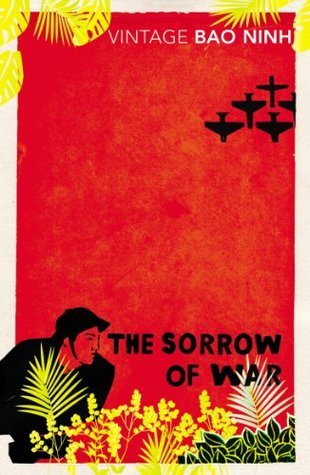
The Sorrow of War
Author: Bảo Ninh
First published: 1990
Original title: Thân phận tình yêu (Identity of love)
Genre: Autobiographical novel
The Sorrow of War turns toward the psychological devastation faced by soldiers. Written by a former North Vietnamese soldier, the novel follows Kiên, a veteran assigned to recover the bodies of the dead after the war.
Rather than presenting heroic nationalism, Bảo Ninh writes about trauma, grief, memory, and emotional ruin. The fragmented structure mirrors Kiên’s fractured state of mind as memories of combat and lost love bleed together. Originally controversial in Vietnam because of its unflinching tone, the novel has since become one of the country’s most internationally acclaimed works. It’s bleak, haunting, and often devastating, but impossible to forget.
During the Vietnam War Bao Ninh himself served with the Glorious 27th Youth Brigade. Of the five hundred men who went to war with the brigade in 1969, he is one of only ten who survived.
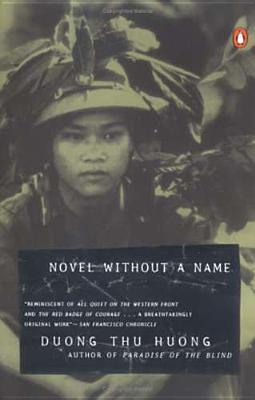
A novel without a name
Author: Dương Thu Hương
First published: 1991
Original title: Tiểu thuyết vô đề
Genre: Historical fiction
Dương Thu Hương approaches the war from yet another angle. Her protagonist, Quan, has spent a decade fighting for the Communist cause, but the idealism that once drove him has slowly eroded under the realities of exhaustion, hunger, fear, and loss.
The novel becomes both a physical journey through wartime Vietnam and an emotional reckoning with disillusionment. As Quan revisits his home village and confronts what the war has done to the people he once knew, the book asks difficult questions about patriotism, sacrifice, and innocence. More reflective and philosophical than The Sorrow of War, this is a powerful choice for readers interested in the emotional aftermath of ideology and conflict.
In a voice both lyrical and stark, one of Vietnam’s most beloved writers powerfully conveys the conflict that spiritually destroyed her generation.
The Zenith
Author: Dương Thu Hương
First published: 2009
Original title: Au zénith
Genre: Historical Fiction
I usually don’t include two books by the same author, but this book is special enough for me to put my own principles aside and include another book by Duong Thu Huong on this list.
The Zenith zooms out from ordinary soldiers to the political machinery behind modern Vietnam itself. Built on years of research, the novel imagines the final months of Hồ Chí Minh’s life, portraying him not as an untouchable symbol, but as a deeply human figure trapped by power, isolation, and history.
Alongside Hồ Chí Minh’s story, the novel follows members of his inner circle and ordinary villagers affected by political decisions far beyond their control. It’s ambitious, dense, and openly critical in ways that made Huương one of Vietnam’s most famous dissident writers. Readers interested in Vietnam’s political history, and in seeing historical figures treated as complicated people rather than myths, may find this especially fascinating.
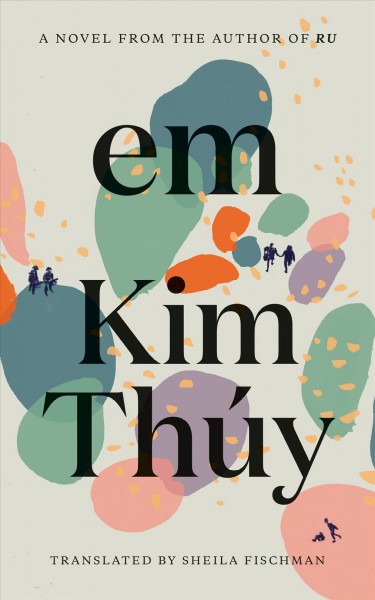
Em
Author: Kim Thúy
First published: 2020
Original title: Em
Genre: Historical Fiction
After several heavy war novels, Em offers something gentler and more intimate, though no less heartbreaking.
In the midst of war, an ordinary miracle: an abandoned baby tenderly cared for by a young boy living on the streets of Saigon. The boy is Louis, the child of a long-gone American soldier. Louis calls the baby Em Hồng, em meaning little sister, or beloved. Even though her cradle is nothing more than a cardboard box, Em Hồng’s life holds every possibility.
Through the linked destinies of a family of characters, the novel takes its inspiration from historical events, including Operation Babylift, which evacuated thousands of biracial orphans from Saigon in April 1975, and the remarkable growth of the nail salon industry all over the world, dominated by Vietnamese expatriates. From the rubber plantations of Indochina to the massacre at My Lai, Kim Thúy sifts through the layers of pain and trauma in stories we thought we knew, and this feels like a book about survival not just in the physical sense, but emotionally and culturally as well.
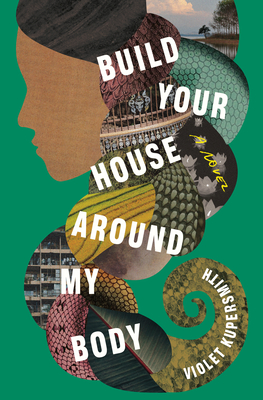
Build Your House Around My Body
Author: Violet Kupersmith
First published: 2021
Original title: Build Your House Around My Body
Genre: Historical fiction / Magical Realism / Mystery
To end the list, I really wanted something that showed how contemporary Vietnamese storytelling can stretch beyond historical realism into something stranger and more experimental. Violet Kupersmith’s novel blends ghost story, mystery, folklore, horror, and historical fiction into a feverish narrative spanning decades of Vietnamese history.
Disappearances, haunted plantations, colonial legacies, restless spirits, and fractured identities all collide in a novel that moves between timelines and generations. The book captures both the modern energy of Vietnam and the way the past continues to linger beneath the surface. If you usually gravitate toward literary fiction with surreal or genre-blending elements, this might be the most irresistible book on the list.
Join me, and read a book from Vietnam
Vietnamese literature feels impossible to reduce to a single narrative.
The 10 books I have chosen for my list move from imperial poetry to colonial satire, from wartime trauma to magical realism, from folklore to political disillusionment. Some are quiet and reflective, others sharp and furious, and a few are wonderfully strange.
Together, though, they reveal a country that has spent centuries reinventing itself while still holding tightly to memory, family, and storytelling.
Come back on Saturday to see which one I picked for myself … but in the meantime, tell me which one you would reach for first?