Pakistan is yet another country where I started my research knowing absolutely nothing about its literature. I have never read a book from Pakistan before, but after doing the research I wonder how that is even possible, because there is certainly no shortage of books from Pakistan available!
One thing I have tried to do is avoid letting the list become dominated by the Pakistani diaspora. Pakistani-American and Pakistani-British writers are some of the country’s best-known literary voices internationally, and several inevitably appear here, but I also wanted to make room for writers and literary traditions rooted firmly within Pakistan. In particular, that meant looking beyond the internationally acclaimed authors writing in English and including some of the country’s major Urdu novels in translation.
The result takes us from British India and Partition to modern Lahore and remote borderlands, and from political satire and family sagas to fossils, ghosts and things lurking behind midnight doorways.
I am spoilt for choice. Again.
A list of books to read from Pakistan
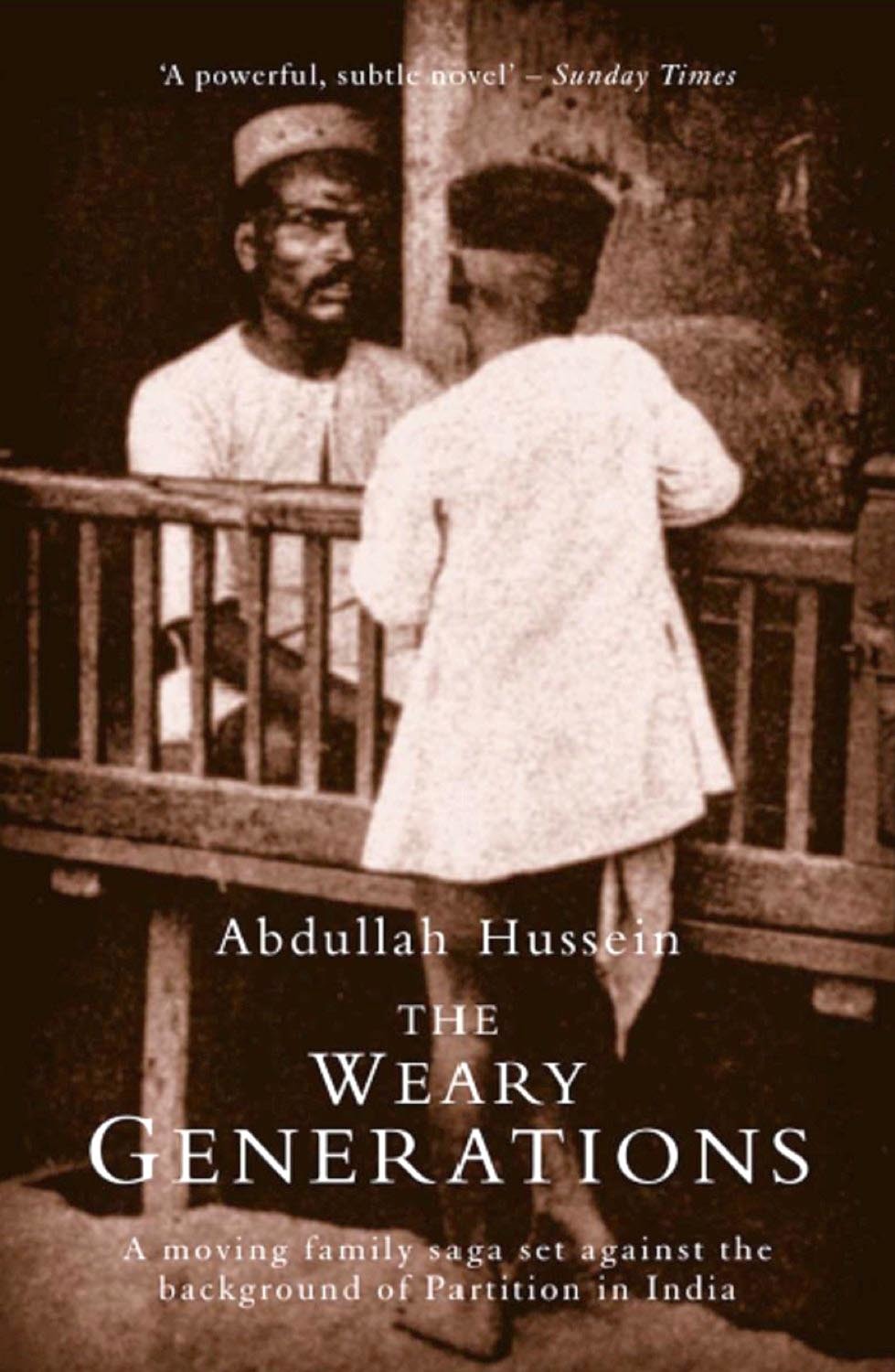
The Weary Generations
Author: Abdullah Hussein
First published: 1963
Original title: Udas Naslain
Genre: Classics / Historical Fiction
Let us begin with one of the major classics of Urdu literature.
The Weary Generations follows Naim, a young man from a Punjabi farming family, through the enormous upheavals of the first half of the twentieth century. His life takes him from rural India to the trenches of the First World War and eventually into the growing struggle against British colonial rule.
The novel covers decades of political and social change leading towards Partition and the creation of Pakistan. If you are looking for a sweeping historical novel that provides some background to the country Pakistan would become, this seems like an excellent place to begin.
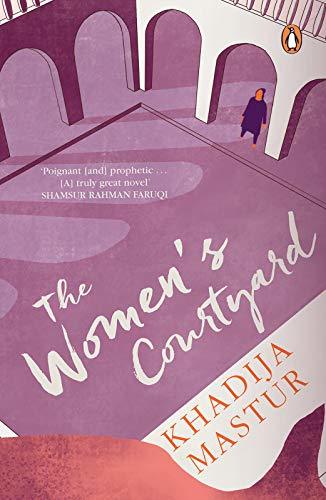
The Women’s Courtyard
Author: Khadija Mastur
First published: 1962
Original title: Aangan
Genre: Classic / Historical Fiction
Published only a year before The Weary Generations, The Women’s Courtyard gives us a different perspective on roughly the same period. Aliya grows up in a household divided by politics and confined by strict expectations of what women should and should not do.
Beyond the courtyard, the movement for Indian independence is gathering momentum, but much of the novel’s world is seen from the domestic spaces occupied by women. The novel has become a classic of Pakistani literature and might be the more appealing choice if you would rather see history filtering into kitchens, courtyards, marriages and family relationships than follow it onto battlefields.
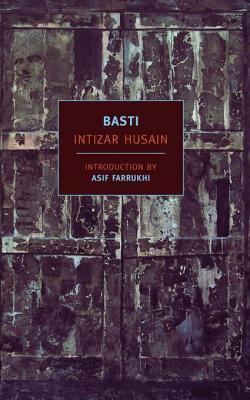
Basti
Author: Intizar Husein
First published: 1979
Original title: بستی
Genre: Historical Fiction
From the years leading towards Partition, we move into its aftermath and the memories it leaves behind. Basti is considered as one of the finest works on the theme of partition. Intizar Husain offers deep insights into the psychological and emotional aspects of the historic event’s impact on human lives through the emotional journey of his protagonist.
Zakir is a history teacher living in Lahore, but his thoughts repeatedly return to the Indian village of his childhood and the world he lost when Partition forced him to migrate to Pakistan. As political unrest grows around him in 1971, memories of one division of the subcontinent begin to overlap with another.
Intizar Husain was himself born in India and migrated to Pakistan after Partition, and displacement, memory and lost worlds became recurring themes in his work. Basti moves between past and present, history and mythology, personal memory and national upheaval, making this one for readers who prefer something more reflective and literary.
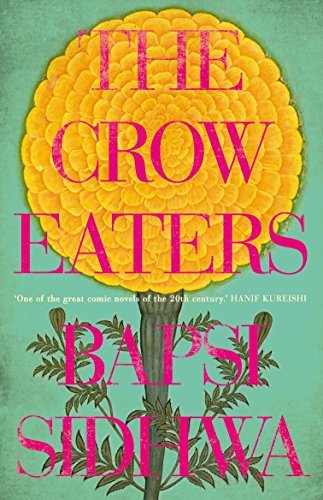
The Crow Eaters
Author: Bapsi Sidhwa
First published: 1978
Genre: Family saga
After three very serious books dealing with history, upheaval and displacement, I think we are allowed something rather more mischievous.
The Crow Eaters follows Freddy Junglewalla, an ambitious Parsi businessman who moves his family to Lahore and sets about improving his fortunes by whatever means necessary.
Bapsi Sidhwa belonged to Pakistan’s small Parsi community, and her novel gives us a perspective that isn’t represented elsewhere on this list. It is a sprawling family story full of quarrels, schemes, marriages and larger-than-life characters. And perhaps most importantly at this particular point in the list, it is supposed to be funny!
So if Partition and political upheaval are beginning to sound a little heavy, a chaotic Parsi family saga might be just what you need?
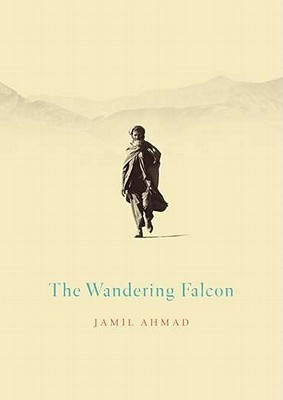
The Wandering Falcon
Author: Jamil Ahmad
First published: 2011
Genre: Literary Fiction
And now we leave Lahore, and the cities in general, behind.
The Wandering Falcon is a collection of interconnected stories following Tor Baz, the wandering falcon, through the remote borderlands where Pakistan, Afghanistan and Iran meet. Traditions that have lasted for centuries, both brutal and beautiful, create a rigid structure for life in this wild, astonishing place. It is a formidable world and the people who live there are constantly subjected to extremes, both of geography and of culture.
Jamil Ahmad spent much of his career as a civil servant working in Pakistan’s tribal areas, and his stories take us among nomadic and tribal communities rarely encountered in internationally known Pakistani fiction.
Pakistan is of course much more than Lahore and Karachi, and this is the book on the list for anyone wanting to travel far beyond its major cities and into landscapes and communities that rarely make it into internationally familiar Pakistani fiction.
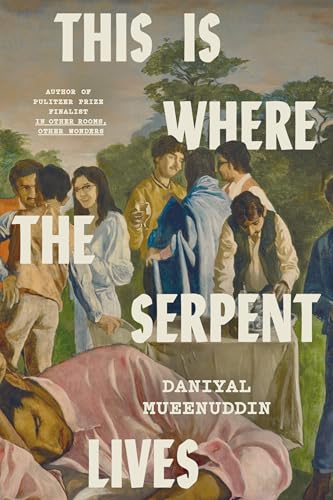
This is Where the Serpent Lives
Author: Daniyal Mueenuddin
First published: 2026
Genre: Literary Fiction / Historical Fiction
We stay outside the Pakistan of the international headlines as we turn to the newest book on the list, published in 2026.
This Is Where the Serpent Lives is Daniyal Mueenuddin’s first novel, arriving seventeen years after his acclaimed short story collection In Other Rooms, Other Wonders (which would also be a good choice). The story moves between Rawalpindi, Lahore and the rural estates of Punjab, following interconnected lives across social classes and more than half a century of Pakistani history. Landowners, servants and families are tied together by money, power, dependence and the enormous distances that can exist between people living almost side by side.
Mueenuddin himself has spent years managing a farm in southern Punjab, and that world feeds directly into his fiction. If you are interested in the divide between Pakistan’s wealthy elite and those who work for them, this might be one of the most intriguing choices on the list.
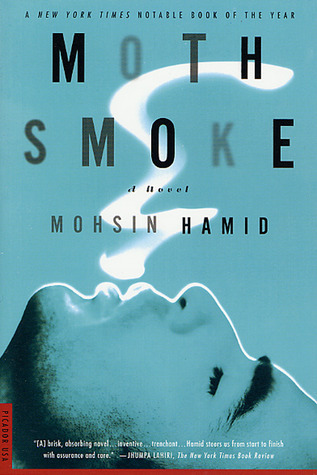
Moth Smoke
Author: Mohsin Hamid
First published: 2000
Genre: Literary Fiction / Contemporary
From the estates of Punjab, we head back into the city, Lahore at the end of the twentieth century.
When Daru loses his job at a bank, his comfortable middle-class life begins to unravel. He becomes involved with drugs, crime and his best friend’s wife while the oppressive summer heat hangs over the city.
Moth Smoke was Mohsin Hamid’s debut novel, long before The Reluctant Fundamentalist and Exit West made him internationally famous. Class differences sit at the centre of the story here too, but this time seen through a very different, intensely urban world.
If historical epics and national upheavals aren’t your thing, Daru’s spectacularly bad decisions could provide you a different route into modern Pakistan.
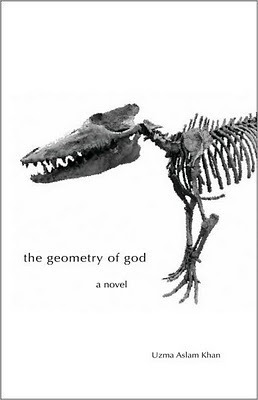
The Geometry of God
Author: Uzma Aslam Khan
First published: 2008
Genre: Literary Fiction
Or perhaps fossils are more your thing?
Fossils, poetry, religion and politics make for a rather unusual combination in The Geometry of God. At its centre is Amal, a palaeontologist whose grandfather makes an important fossil discovery and becomes embroiled in controversy with religious authorities.
Around them, the lives of several characters intersect against the background of Pakistan’s increasing Islamisation. Uzma Aslam Khan brings science and faith into conversation while also exploring family, love and the freedom to ask questions.
For readers intrigued by the collision between science, religion and politics, this promises a rather different Pakistan from the one encountered in most of the other books here.
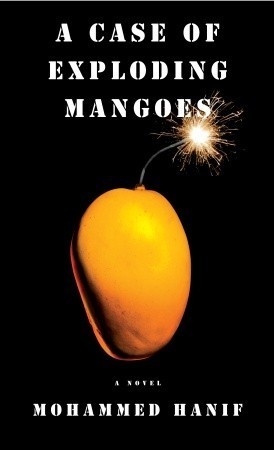
A Case of Exploding Mangoes
Author: Mohammed Hanif
First published: 2008
Genre: Historical Fiction / Political Satire
And if fossils aren’t sufficiently unusual, may I suggest exploding mangoes …
On 17 August 1988, a plane carrying Pakistan’s military ruler General Muhammad Zia-ul-Haq crashed shortly after take-off. Everyone on board was killed, and the cause of the crash has never been conclusively established.
Mohammed Hanif has a few ideas.
A Case of Exploding Mangoes takes the mystery and turns it into a dark political satire filled with conspiracies, soldiers, spies, assassins and, naturally, mangoes.
Behind the absurdity lies the very real dictatorship of Zia-ul-Haq, whose Islamisation policies profoundly changed Pakistani society. For anyone who prefers their political history served with black humour and a generous helping of conspiracy, this may well be the most tempting book on the list.
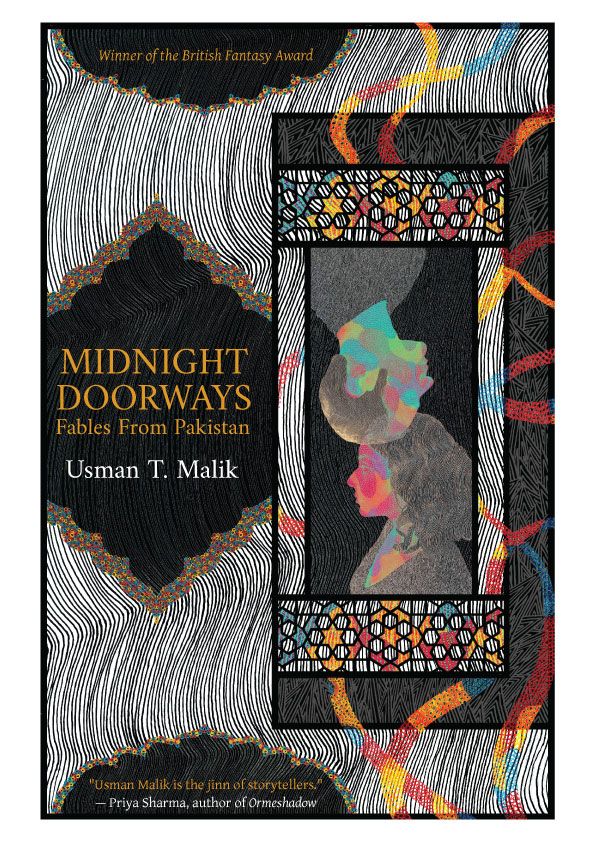
Midnight Doorways
Author: Usman T. Malik
First published: 2021
Genre: Speculative fiction / Horror / Short stories
And finally, we open the door to something completely different.
Midnight Doorways is a collection of speculative stories rooted in Pakistan, combining horror, fantasy and the supernatural with Pakistani history, landscapes, beliefs and everyday life.
Usman T. Malik draws on local folklore and mythology as well as contemporary Pakistan, giving us ghosts, monsters and other unsettling things alongside recognisable human fears and struggles.
I always like finding something for these lists that breaks away from straightforward literary and historical fiction, and this one was too tempting to ignore. So if you would rather explore Pakistan through ghosts, folklore and the uncanny, this could be the one for you.
Join me, and read a book from Pakistan
I went into Pakistan knowing that I had never read a Pakistani book. I came out of my research wondering quite how I had managed that.
There are several books here that I could very easily imagine picking up, and a several more that I reluctantly left off the list altogether. More importantly, I now have a much better sense of a literary tradition that had barely been on my radar before I started looking.
Which, really, is exactly why I started The Borderless Bookshelf in the first place.
Now I just have to decide where to begin.
Where would you go first?