For much of my lifetime, Iraq has been almost impossible to separate from war.
Saddam Hussein. The Iran-Iraq War. Kuwait. The Gulf War. Sanctions. Weapons of mass destruction. The American invasion. ISIS. Baghdad appearing on the news alongside smoke, explosions and casualty figures.
But Iraq has been around for rather longer than CNN.
This is the land between the Tigris and Euphrates, where some of the world’s earliest cities appeared and writing was invented. Modern Iraq contains ancient Mesopotamia, but also Kurdish mountains, marshlands, oil cities and a Baghdad that has been one of the great cultural centres of the Arab world. Its population has included Arabs and Kurds, Muslims, Christians, Jews, Yazidis and others, and its twentieth-century history alone could fill a small library.
I wanted this list to stretch beyond the Iraq I’ve watched on television. There are wars here – there really is no avoiding them – but there are also childhoods, apartment buildings, friendships, musicians, neighbourhood troublemakers, family arguments, angels and one creature stitched together from the body parts of bombing victims.
A list of books to read from Iraq
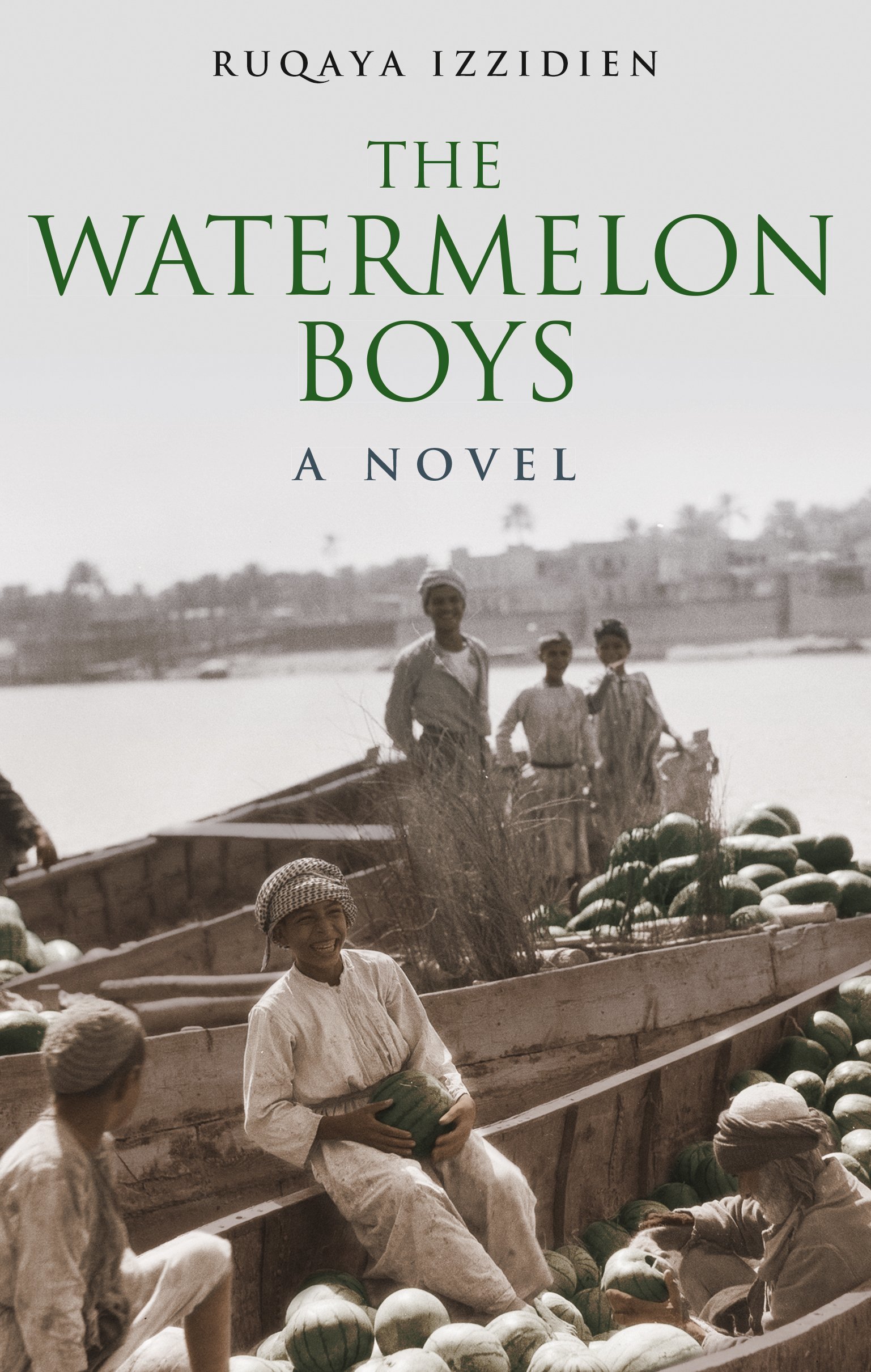
The Watermelon Boys
Author: Ruqaya Izzidien
First published: 2018
Original title: The Watermelon Boys
Genre: Historical fiction
Long before the 2003 invasion, there was another British army marching through Iraq.
Set during the First World War, The Watermelon Boys takes us to Ottoman Mesopotamia as British forces advance into the region. Among them is Welsh soldier Carwyn, while in Baghdad, Ahmad is drawn into the political upheaval surrounding the occupation.
Ruqaya Izzidien, an Iraqi-Welsh writer, uses their intersecting stories to explore a period rarely encountered in contemporary fiction: the collapse of Ottoman rule, British intervention and the political forces that would eventually shape modern Iraq.
For a list covering a country whose recent wars tend to dominate its literature in English, this offers a chance to go further back and see where some of the later story began.
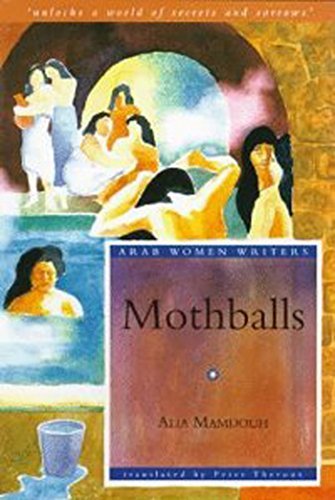
Mothballs
Author: Alia Mamdouh
First published: 1986
Original title: Habbat al-Naftaleen
Genre: Literary fiction / coming-of-age
Nine-year-old Huda is growing up in Baghdad in a house dominated by her grandmother, with an ill mother and an intimidating father. Around her are relatives, neighbours, public baths, street vendors, games, arguments and political demonstrations.
Originally published in Arabic as Habbat al-Naftaleen, Alia Mamdouh’s novel has appeared in English under both Mothballs and Naphtalene. Its focus is intimate: a child’s view of family and neighbourhood life, particularly the world inhabited by women.
That makes it particularly interesting here. Iraq’s history doesn’t disappear, but we encounter it from inside a Baghdad home rather than from a battlefield or presidential palace.
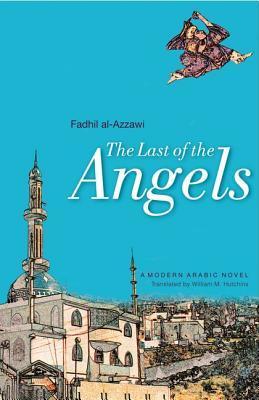
The Last of the Angels
Author: Fadhil al-Azzawi
First published: 1992
Original title: Akhir al-Mala’ika
Genre: Literary fiction / magical realism / satire
Welcome to Kirkuk in the 1950s, where oil workers, communists, political agitators and various ethnic and religious communities share a city that is about to experience enormous change.
At the centre of The Last of the Angels are three rather dubious neighbourhood characters whose adventures unfold against strikes, demonstrations and political unrest. And then there are the angels.
Fadhil al-Azzawi mixes history with satire, fantasy and the absurd, creating a portrait of Iraq before Saddam Hussein and the wars that would later define the country internationally. Kirkuk itself is important too: an oil-rich, multilingual city with Kurdish, Arab, Turkmen and other communities.
Choose this one if you like your history served with a healthy dose of chaos.
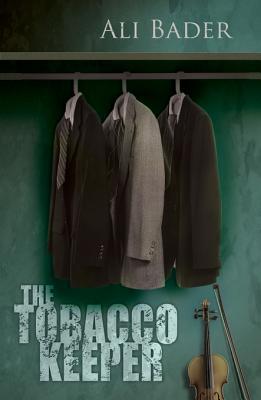
The Tobacco Keeper
Author: Ali Bader
First published: 2008
Original title: Haris al-Tabgh
Genre: Literary fiction / historical fiction
After an Iraqi violinist is murdered in Baghdad in 2006, a journalist is hired to investigate his life. What emerges is a story involving multiple names, identities and countries – and an Iraqi Jewish musician whose life has been repeatedly reshaped by twentieth-century politics.
Through music and shifting identities, Ali Bader explores the story of Iraq’s Jewish community, once an integral part of Iraqi society before the vast majority left the country in the mid-twentieth century.
It’s a perspective easily lost when Iraq’s history is reduced to its most recent decades, and one that adds another layer to the religious and cultural complexity of the country.
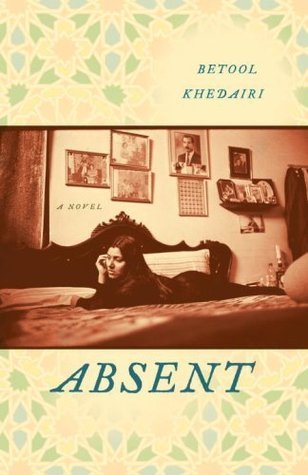
Absent
Author: Betool Khedairi
First published: 2004
Original title: Ghayib
Genre: Literary fiction
Dalal lives with her aunt and uncle in a Baghdad apartment building during the sanctions of the 1990s.
Life is increasingly difficult. Electricity fails, prices rise, bombs fall and ordinary necessities become harder to find. But the building still contains neighbours, arguments, ambitions, romances, schemes and plenty of reasons to keep sticking your nose into everyone else’s business.
Through Dalal and the people around her, Betool Khedairi builds a picture of what sanctions and war look like at ground level. The politics are unavoidable, but Absent is also about the strange persistence of ordinary life when almost nothing around you is ordinary anymore.
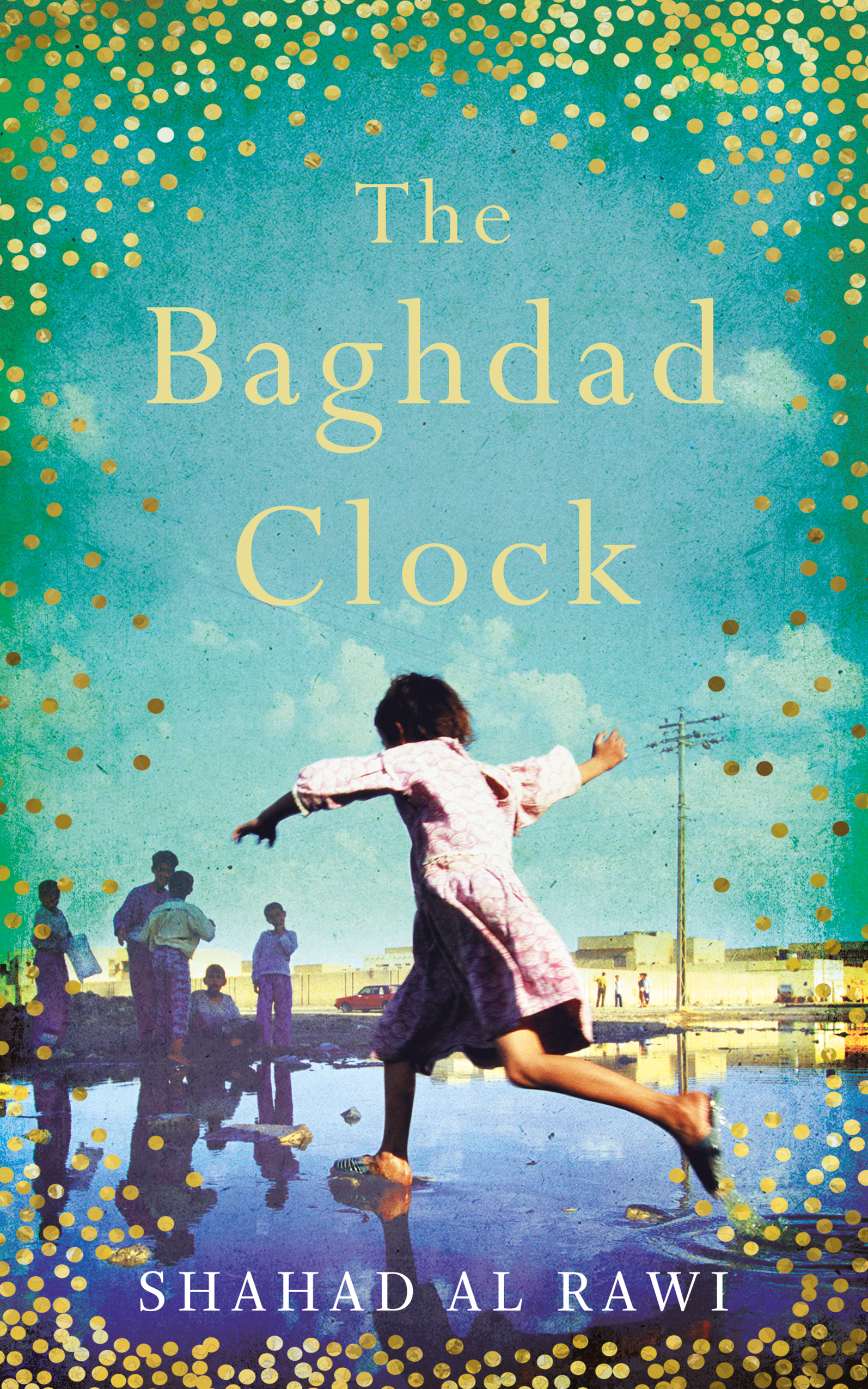
The Baghdad Clock
Author: Shahad Al Rawi
First published: 2016
Original title: Sa’at Baghdad
Genre: Literary fiction / magical realism / coming-of-age
Two girls meet in an air-raid shelter during the Gulf War in 1991 and become inseparable friends.
From there, The Baghdad Clock follows them through childhood and adolescence in a Baghdad neighbourhood transformed by war and sanctions. People leave. Families change. Familiar places disappear. Yet there are also first loves, friendships, gossip, school and all the other dramas that feel enormous when you’re young.
Shahad Al Rawi adds touches of magical realism to a story rooted in neighbourhood life and memory. Rather than looking at Baghdad from the outside, we grow up inside one small piece of it.
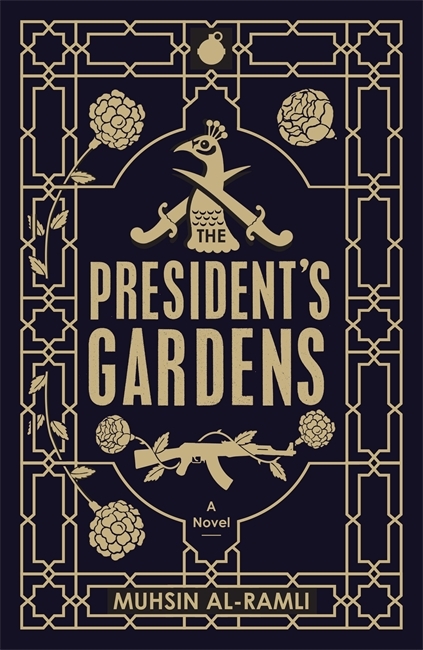
The President’s Gardens
Author: Muhsin Al-Ramli
First published: 2012
Original title: Hada’iq al-Ra’is
Genre: Literary fiction / historical fiction
Ibrahim, Abdullah and Tariq have been friends since childhood in a small Iraqi village.
Then history starts interfering.
Their lives are pulled through the Iran-Iraq War, captivity, dictatorship, the invasion of Kuwait and the violence that follows. What begins with three boys becomes a much larger story about what decades of political brutality do to individuals, families and communities.
Muhsin Al-Ramli gives us rural Iraq rather than another Baghdad-centred story, while the long friendship at its heart provides a human thread through some of the country’s most turbulent decades.
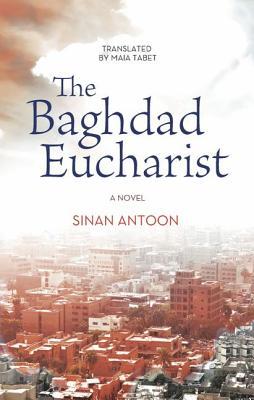
The Baghdad Eucharist
Author: Sinan Antoon
First published: 2012
Original title: Ya Maryam
Genre: Literary fiction
Youssef is an elderly Iraqi Christian who remembers a Baghdad in which the country’s different communities seemed able to live alongside one another. His younger relative Maha has grown up in a very different Iraq and has little patience for his nostalgia.
Over the course of a day, their disagreement opens into questions about memory, belonging, faith and what it means to watch the country you know change around you.
The Baghdad Eucharist also brings Iraq’s ancient Christian communities into the picture. Their experiences are an important part of Iraqi history and one that can easily disappear from accounts focused primarily on Sunni-Shia politics.
A short novel carrying some very big questions.
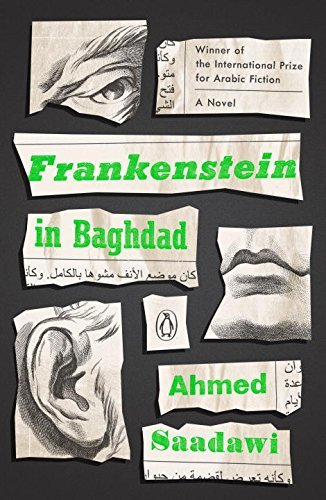
Frankenstein in Baghdad
Author: Ahmed Saadawi
First published: 2013
Original title: Frankenstein fi Baghdad
Genre: Literary horror / speculative fiction / satire
Now things get weird.
In American-occupied Baghdad, junk dealer Hadi collects body parts left behind after bombings and stitches them together into a single corpse. His intention is strangely compassionate: he wants the scattered remains to be recognised as a human being and given a proper burial.
Then the body disappears.
Soon a creature known as Whatsitsname is roaming Baghdad and seeking revenge for the people whose body parts make up his own. Unfortunately, revenge becomes increasingly complicated when your body is literally composed of multiple victims.
Ahmed Saadawi uses a wonderfully grotesque premise to explore guilt, innocence, justice and violence in post-invasion Iraq. It won the International Prize for Arabic Fiction in 2014 and was later shortlisted for the Man Booker International Prize.
This sounds completely bonkers, and I mean that as a compliment.
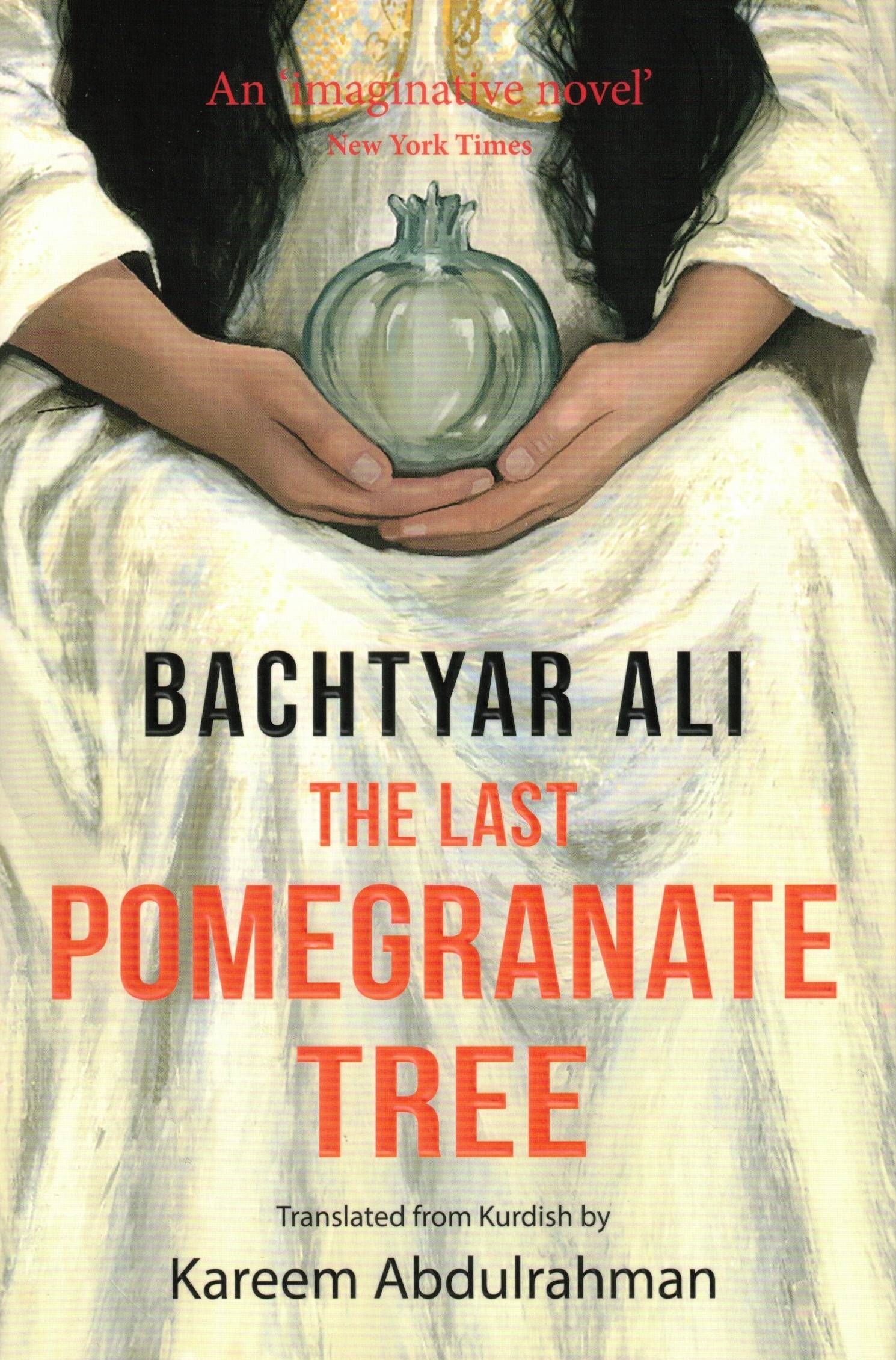
The Last Pomegranate Tree
Author: Bachtyar Ali
First published: 2002
Original title: Dwahamin Henari Dunya
Genre: Literary fiction / magical realism
After spending twenty-one years imprisoned in the desert, Muzafar-i Subhdam returns to Iraqi Kurdistan determined to find the son he barely knew.
His search leads him through a world shaped by war, imprisonment and political betrayal, but Bachtyar Ali’s novel refuses to stay within the boundaries of straightforward realism. Stories multiply, reality becomes slippery, and the search takes on the quality of myth.
Originally written in Sorani Kurdish, The Last Pomegranate Tree brings us firmly into Iraqi Kurdistan and into a literary tradition quite different from many of the Arabic-language novels elsewhere on this list.
It sounds strange, ambitious and potentially beautiful – which is generally enough to make me curious
Join me, and read a book from Iraq
Looking at these ten books together, I like how difficult Iraq becomes to reduce to a single story.
We move from Ottoman Mesopotamia and British occupation to 1950s Kirkuk, from an Iraqi Jewish musician to Christian Baghdad, from a girl’s apartment building during sanctions to Kurdish mountains and prisons. There are villages and city neighbourhoods, childhood friendships and political violence, realism and magical realism, angels and stitched-together corpses.
War keeps appearing because war has repeatedly intruded into Iraqi lives. But these books also remind us that people were falling in love, raising children, playing music, arguing with their neighbours and telling strange stories before, during and between all those wars.
Which is rather more interesting Iraq than the evening news ever managed to show me.
And now I get to choose …