Imagine researching books from Bangladesh and stumbling upon a classic work of fiercely feminist speculative fiction from 1905 …
Not on my bingo card, I’ll tell you that much.
Bangladesh may be one of the most densely populated countries in the world, but its literature can be surprisingly difficult to encounter in English. There is no shortage of writing in Bengali, of course, but only a relatively small part of it has made its way into widely available English translations. Contemporary Bangladeshi writing in English and works by diaspora authors are often much easier to find.
Still, once I started looking, a very interesting literary landscape emerged. Besides the aforementioned speculative feminist classic, there are sprawling historical novels, stories of Partition and the Liberation War, political satire, family sagas and even djinn wandering through modern Dhaka!
This Bookworm is deliciously spoilt for choice. Again.
A list of books to read from
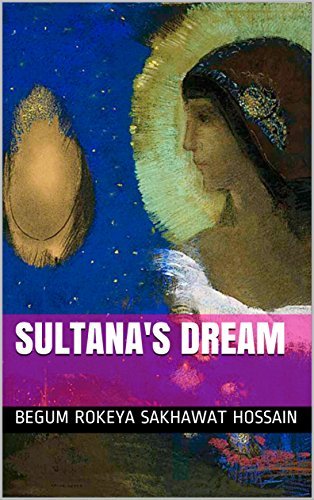
Sulltana’s dream
Author: Rokeya Sakhawat Hossain
First published: 1905
Genre: Classic / Feminist Utopia / Speculative Fiction
Let’s begin more than a century ago, with the book I certainly wasn’t expecting to find.
Rokeya Sakhawat Hossain was a Bengali Muslim writer, educator and campaigner for women’s rights at a time when many women in Bengal lived under strict purdah. In this remarkably early work of feminist science fiction, Sultana falls asleep and wakes in Ladyland, a country where women run society while men are confined to the home.
Women use science and education to create a peaceful, technologically advanced society, while the gender roles of Rokeya’s own world are gleefully turned upside down.
It is short, satirical and more than 120 years old, but the sheer fact that a Bengali Muslim woman was imagining this world in 1905 makes Sultana’s Dream one of the most intriguing books on my list!
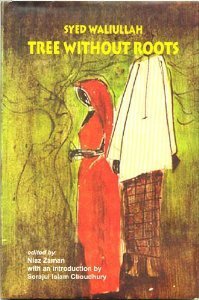
Tree without roots
Author: Syed Waliullah
First published: 1948
Original title: Lal shalu
Genre: Classic / Literary Fiction / Drama
From an imagined future to rural Bengal in the fourties.
When Majeed arrives in an impoverished village, with no land or skills to support himself otherwise, he preys upon the simple rural folk by becoming the self-appointed guardian of an abandoned grave, which he claims is that of a saint.
Not satisfied with his first wife, he marries again, this time to a woman who is not as amenable as his loving first wife. The protrait of the two women and their relationship to each other and Majeed balances Waliullah’s portrait of the charlatan.
Published just after Partition, Lalsalu became one of the major novels of modern Bengali literature. Waliullah later produced his own English version, Tree Without Roots.
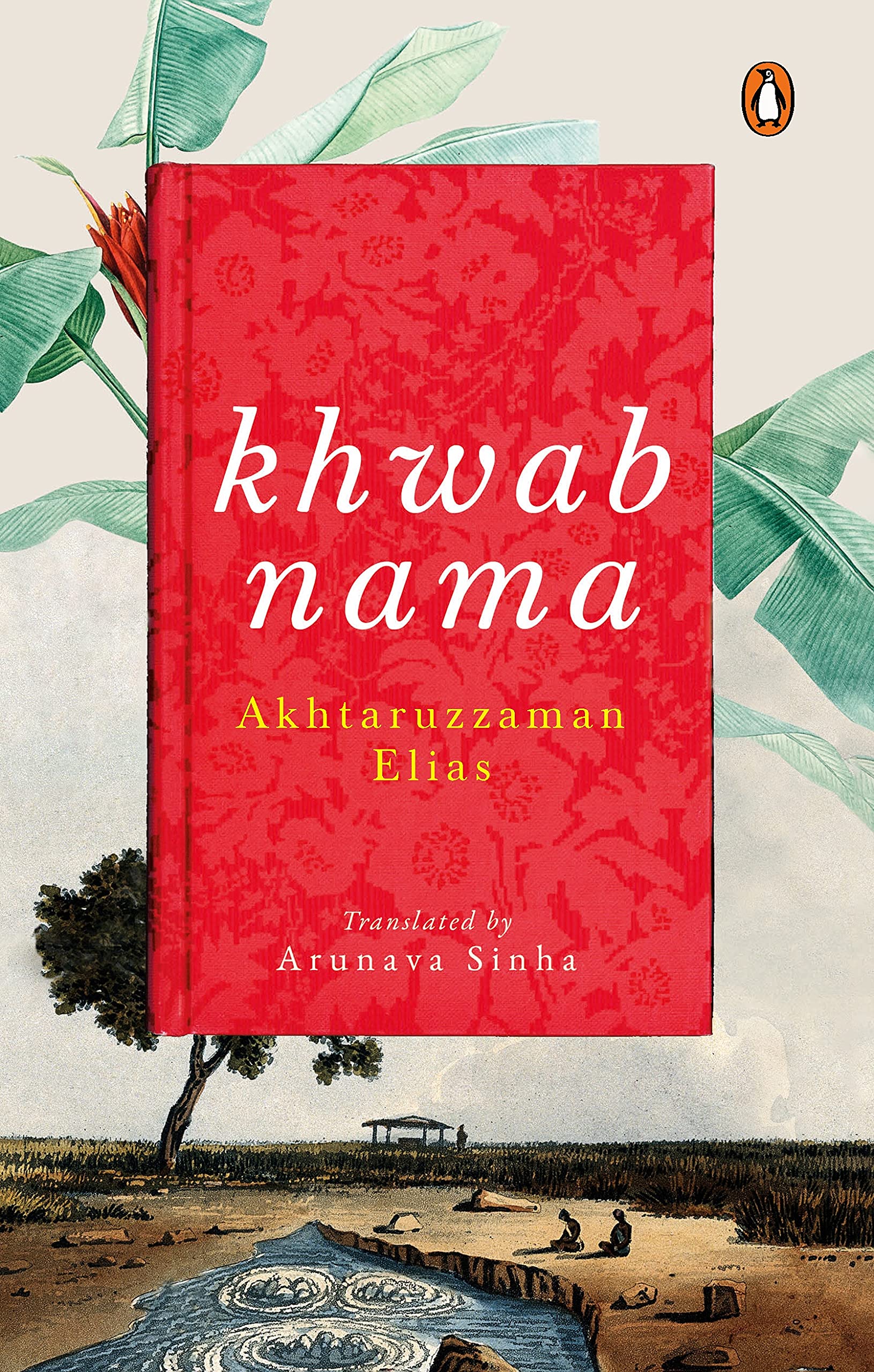
Khwabnama
Author: Akhtaruzzaman Elias
First published: 1996
Original title: খোয়াবনামা (Khwabnama)
Genre: Historical Fiction / Magical realism
This is possibly the most ambitious book on this list.
Set in rural Bengal in the turbulent 1940s, it follows poor farmers and fishing communities through famine, peasant rebellion, political upheaval and the approach of Partition. But history is only part of the story. Dreams, legends, ghosts and memories mingle with the lives of the characters until the boundaries between past and present become increasingly uncertain.
Akhtaruzzaman Elias wrote only two novels and is nevertheless considered one of the major figures of Bangladeshi literature. Khwabnama, translated from Bengali by Arunava Sinha, would give me a Bangladesh rooted in the countryside and in the history that preceded the creation of the country.
At more than 500 pages, though, it is also one of the more intimidating options …
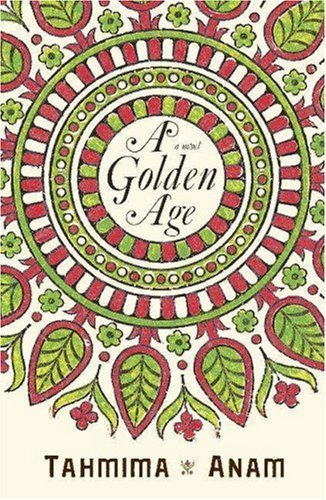
A Golden Age
Author: Tahmima Anam
First published: 2007
Genre: Historical Fiction
In 1971, East Pakistan declared independence. What followed was a brutal nine-month war and the birth of Bangladesh.
A Golden Age tells that history through Rehana Haque, a widowed mother whose greatest concern has long been keeping her family together. But when her children become involved in the independence movement, the war enters her home and forces her to decide what she is willing to risk.
Tahmima Anam writes in English, and A Golden Age is the first part of her Bengal Trilogy. Of all the books here, this may be the most obvious choice if you want to understand the Liberation War through an intimate family story rather than a conventional historical account.
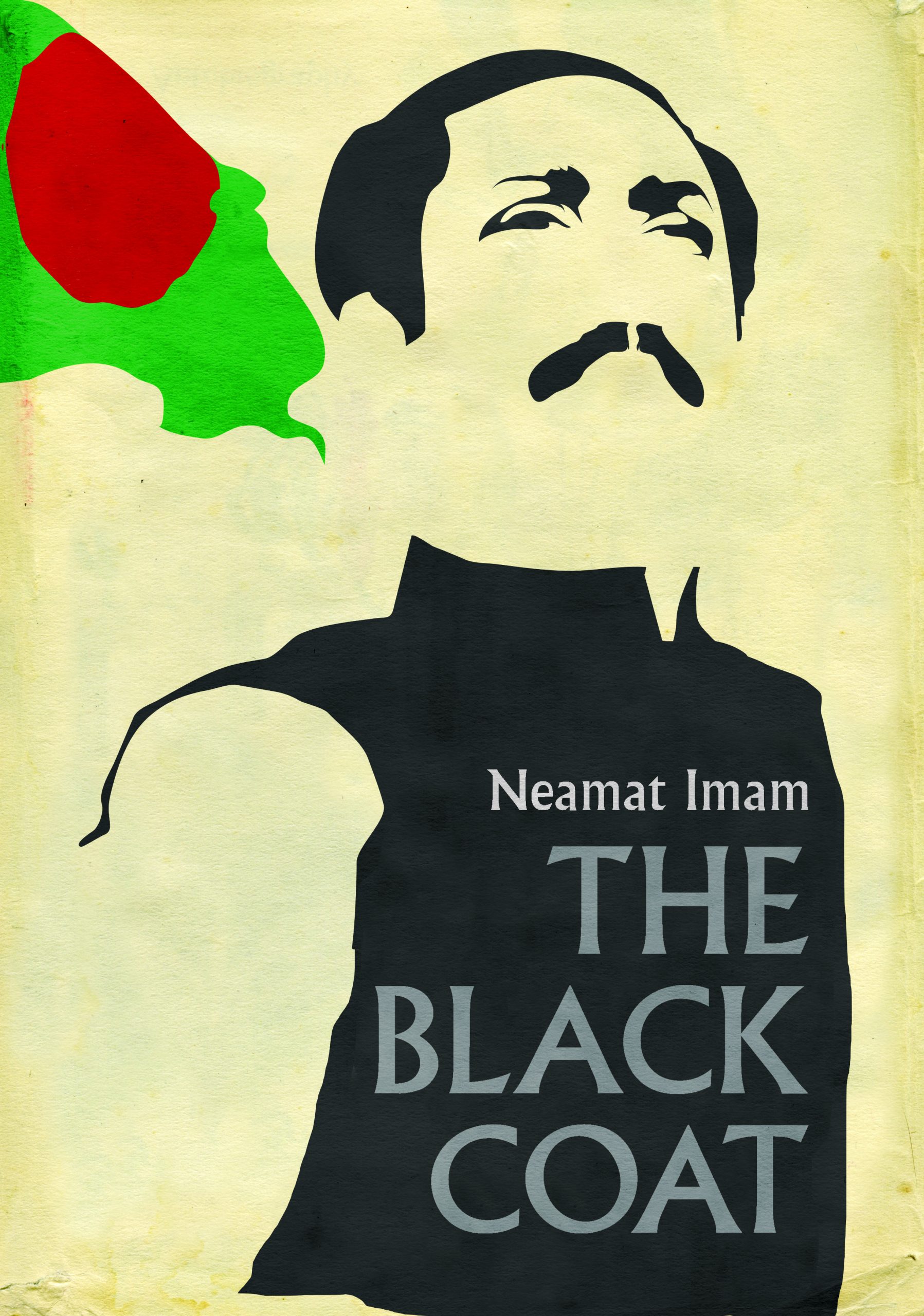
The Black Coat
Author: Neamat Imam
First published: 2013
Genre: Historical Fiction / Political Fiction
Independence did not magically solve Bangladesh’s problems.
The Black Coat takes us into the difficult years after 1971. Journalist Khaleque Biswas loses his job after criticising the new government and eventually discovers an unusual way to make money: he hires a man who resembles Sheikh Mujibur Rahman, Bangladesh’s founding leader, and sends him out to deliver the leader’s famous speeches.
What begins almost comically becomes increasingly dark.
This is one of the reasons I wanted The Black Coat on the list. Where several books deal with the struggle to create Bangladesh, this one asks what happened after the dream of independence became a political reality.
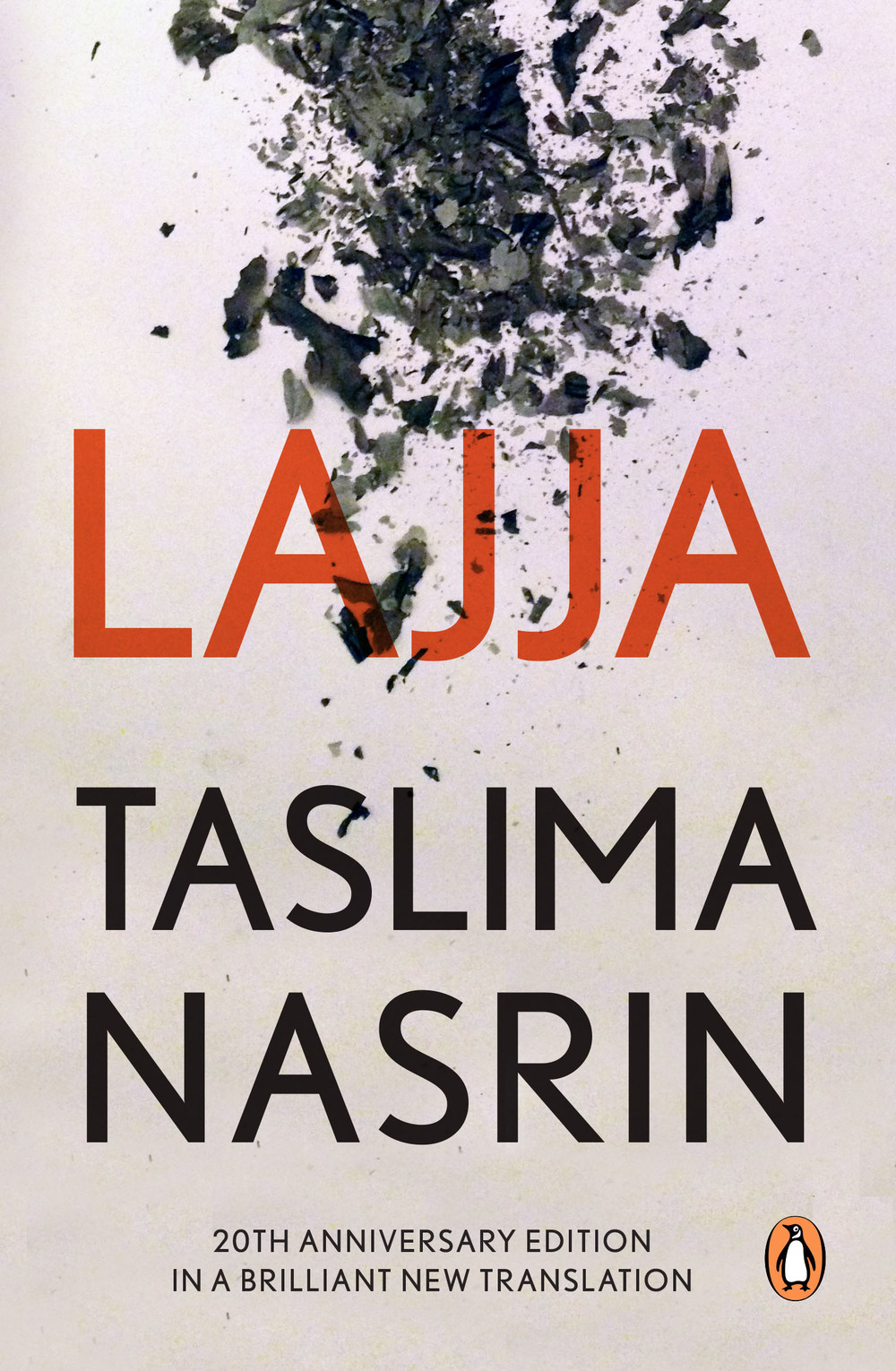
Lajja: Shame
Author: Taslima Nasrin
First published: 1993
Original title: লজ্জা (Lajja)
Genre: Literary Fiction / Political Fiction
Taslima Nasrin is one of Bangladesh’s most controversial writers, and Lajja is the book that helped make her internationally famous, and eventually forced her into exile. Several of her books are banned in Bangladesh.
The novel follows a Hindu family in Bangladesh after the destruction of the Babri Masjid in India in 1992 triggers retaliatory violence against Hindus across the border. As the situation deteriorates, the family’s belief that Bangladesh is their home is increasingly tested.
If you are looking for the comfortable choice, this is certainly not it. But it brings religious minorities, secularism and communal violence into a list otherwise dominated by different aspects of Bangladesh’s history.
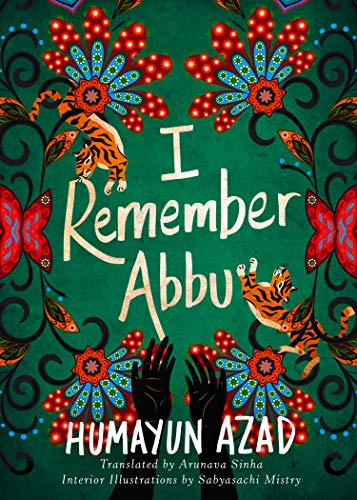
I Remember Abbu
Author: Humayun Azad
First published: 1995
Genre: Literary Fiction / Young Adult
Humayun Azad was a poet, novelist, linguist, critic and outspoken secular intellectual whose writing frequently challenged religious fundamentalism and political authority.
I Remember Abbu approaches Bangladesh from a very different direction. Written for younger readers, it centres on a girl remembering her father, who was killed during the Liberation War.
That makes this another 1971 book, but from a perspective none of the others offer: memory, childhood and the way a national trauma is inherited by the generation growing up afterwards.
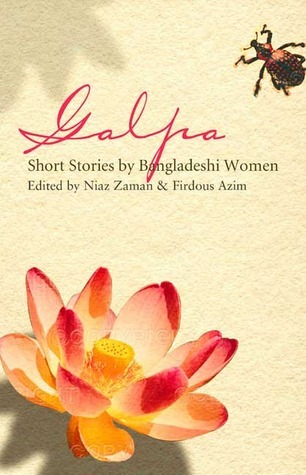
Galpa: Short stories by Bangladeshi Women
Editor: Niaz Zaman
First published: 2005
Genre: Short Stories / Anthology
One of the problems with making a list like this is that many Bangladeshi writers simply aren’t readily available in English as individual books.
This anthology brings together short fiction by Bangladeshi women, providing a much broader collection of voices than any single novel could. The stories explore women’s lives, families, relationships and the social realities of Bangladesh from a variety of perspectives.
For a project like mine, there is something particularly appealing about choosing an anthology like this: instead of meeting one Bangladeshi writer, I would meet many.
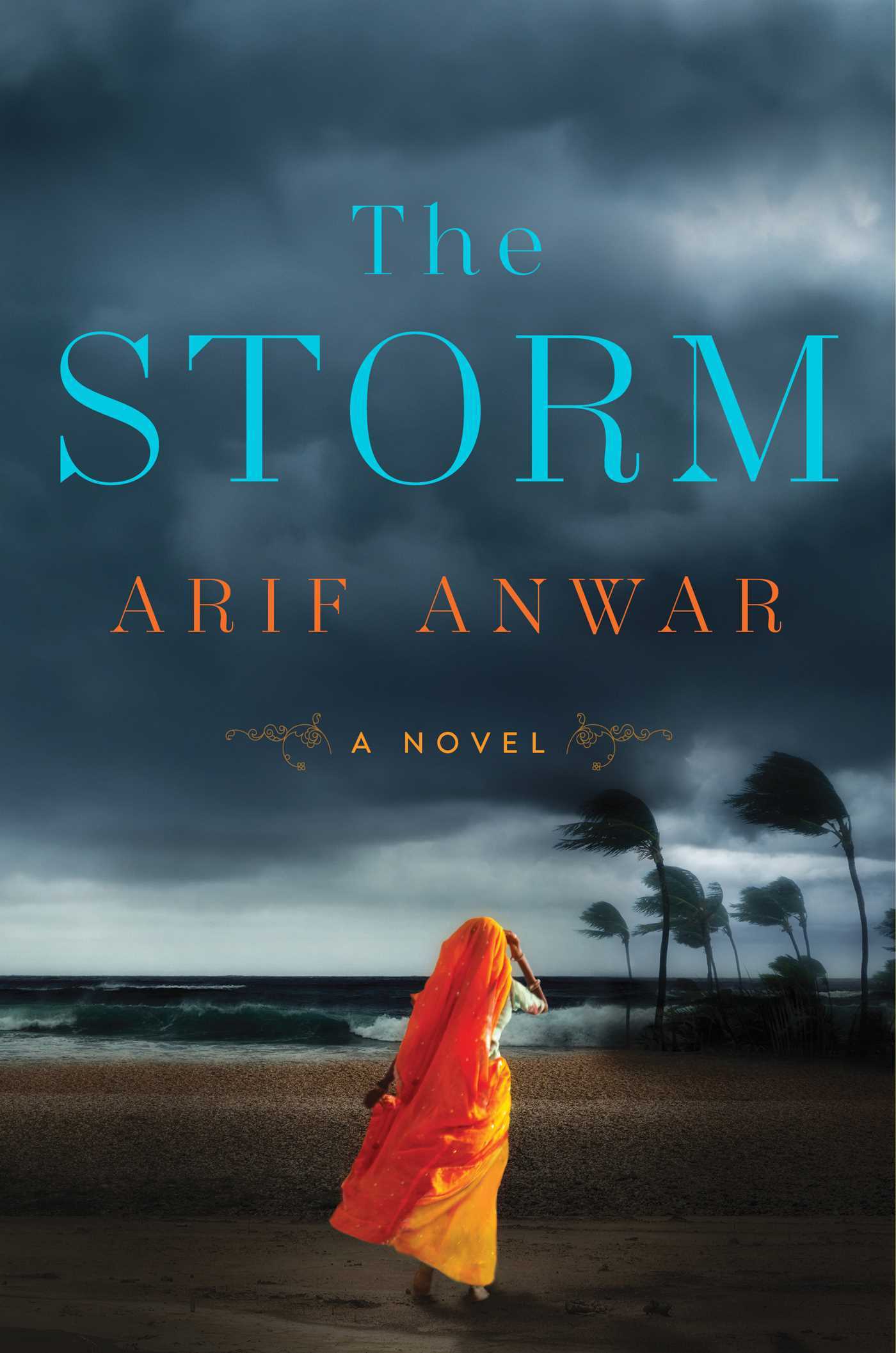
The Storm
Author: Arif Anwar
First published: 2018
Genre: Historical Fiction
The Storm stretches across decades and continents, connecting a series of lives affected by some of the defining events in the history of Bengal and Bangladesh.
The story moves between British India, Partition, the devastating Bhola cyclone of 1970 and modern Bangladesh, gradually revealing the connections between its characters.
Arif Anwar was born in Bangladesh and later moved to Canada, and the novel adds another dimension to the list: Bangladesh as part of a much larger history of migration, displacement and families scattered across borders.
This might be the choice if I want one novel to cover an unusually large sweep of Bangladeshi history.
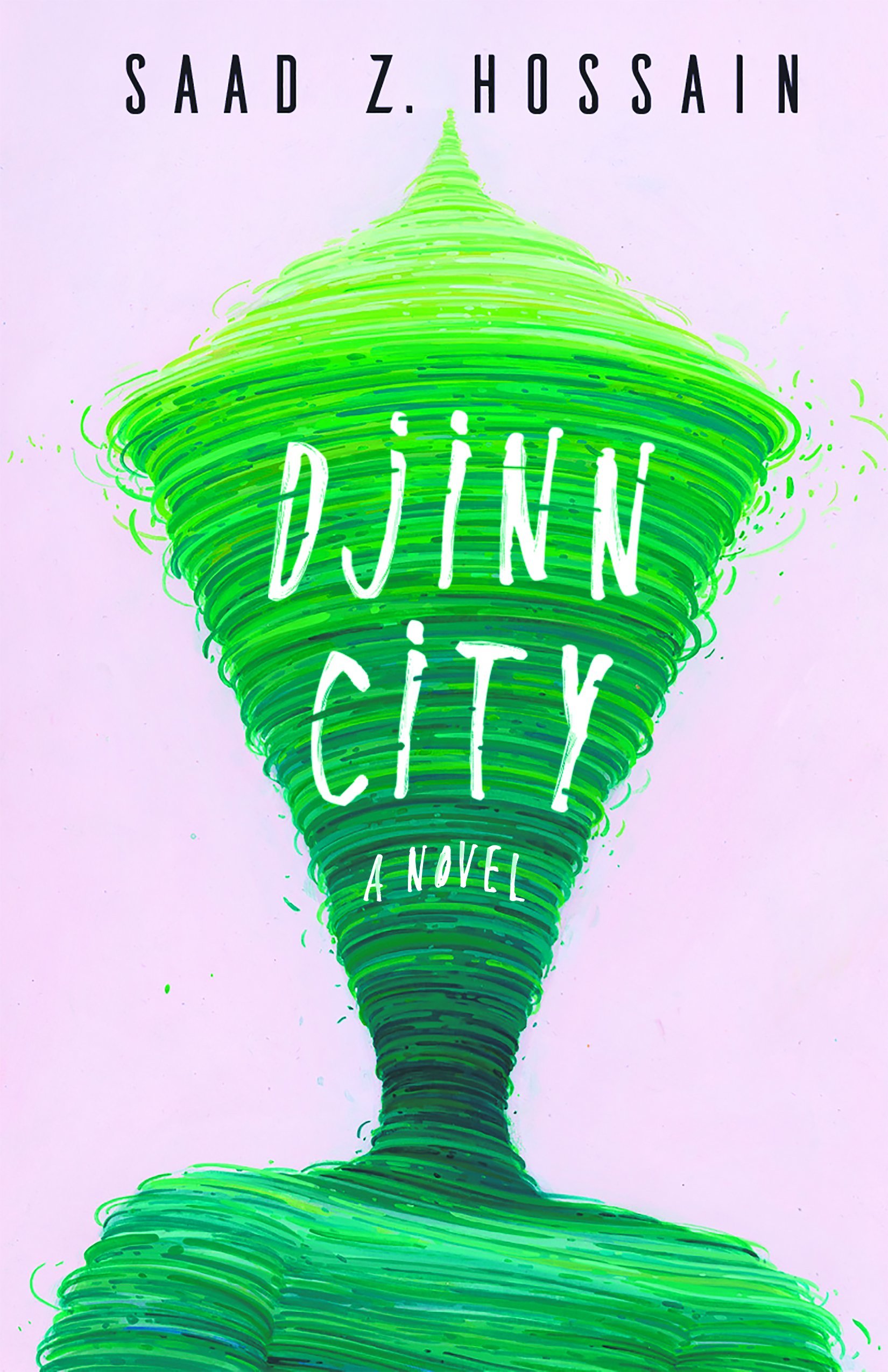
Djinn City
Author: Saad Z. Hossain
First published: 2017
Genre: Fantasy / Satire
And finally, something completely different.
Indelbed is growing up in a crumbling mansion in Dhaka with an alcoholic father when he discovers that his family history is considerably stranger than he realised. Soon we are dealing with supernatural creatures, secret societies and a world of djinn existing alongside modern Bangladesh.
Saad Z. Hossain mixes fantasy with dark humour and social satire, creating a version of Dhaka very far removed from the historical novels that dominate much of this list.
After famine, Partition, war, political upheaval and religious conflict, there is something surprisingly satisfying in ending the list with something like this.
Join me, and read a book from Bangladesh
There is a striking amount of history on this list. Perhaps that is inevitable for a country whose modern existence has been shaped so dramatically by Partition and the Liberation War. Even the contemporary books frequently find themselves looking backwards.
And my choice is not obvious this time. A Golden Age looks like the accessible route into 1971; Tree Without Roots gives me a genuine Bengali classic; Khwabnama may offer the richest literary journey; and Sultana’s Dream is simply irresistible as a piece of literary history.
Then again, there are djinn…