
How heavy are the hands of time
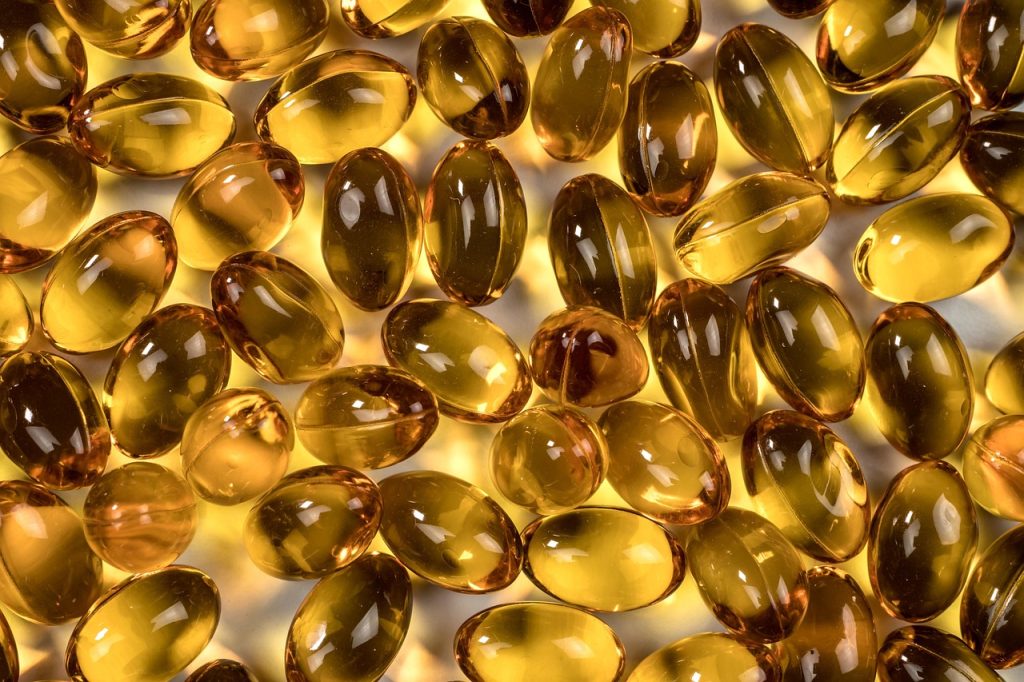
I chose Heaven on Earth for Jordan because the premise sounded right up my street. The story is set in the Jordanian city of Amman in the 2090s, when ageing can be reversed by taking “the golden pill” and growing old has become a choice.
Reading through the Middle East does get a little heavy on the historical fiction, so I jumped at the chance to read something else. Also, I have read books with this same premise of possible eternal youth before, and was very curious to see what a Middle Eastern author would do with that idea.
And he did a lot with it. There are ideas here I’d happily talk about for an evening. What happens to a family when one person wants to die and everyone else thinks they should live? How much of your life would you give up for the chance to start it again? What part does religion play in someone’s life, if said life can be prolonged indefinitely? Should it be considered suicide if you refuse to live forever, and should this be illegal?
So. Some interesting thoughts overall.
it proved to me sadly that putting an end to honor crimes would be infinitely harder than getting rid of old age.
But sadly, I spent much of the book being extremely annoyed with the characters and their unfathomable choices.
The story starts with Jamal, someone who helped make eternal youth possible through his scientific work, deciding he doesn’t want it for himself. He refuses to take the golden pill, and dies of old age early in the book. Which is a bit of a bummer, because he is the person I would most have wanted to learn more about.
But instead the main character of the book is Janna, his sister, and to me she was just a much less interesting character.
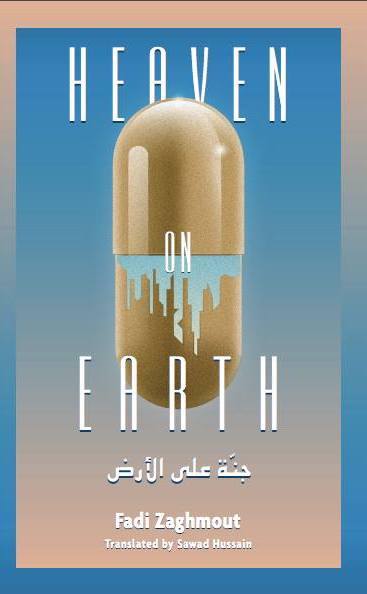
Jamal’s death gives the family the right to bring one new person into the world. Janna, for her part, wants to use this right to give birth to a clone of her own mother, while Jamal’s formidable ex-wife (called hell-woman by Janna), who left him when he decided to grow old and die, wants to secure the right for her son. Much of the book consists of general hostility between these two women.
Meanwhile Janna’s husband Zaid has decided that he wants to go back to being ten years old. Because yes, that is also possible in this world. And he makes this decision with not a single thought given to the fact that Janna will the be his mother more than his wife.
Janna on the other hand is distracted by a young man who is identical to (or possibly a clone of?) a man she was in love with 50 years ago.
The sheer selfishness of every single person in this book had me rolling my eyes. Even more so did the hilariously flawed descriptions of female sexuality and childbirth.
Man is strange: despite his feats of scientific and societal progress, his search for the best the earth has to offer, his construction of skyscrapers, his control over the diseases that used to wipe us out, and his escape from the short life that used to define his existence on earth, here he is, still prisoner to ideologies able to move him from heaven to hell in the blink of an eye.
Weirdly enough a reality show on TV ends up being the most believable scenario. A group of poor or otherwise unfortunate adults goes back to infancy for the chance to start life again with money, and the rest of the country gets to watch. Emotional exploitation for money. Fun for the masses. I could absolutely see this being exactly what would happen. Felt a little tame, even.
There were some fun futuristic details like food printers and e-lenses which can tell you everyone’s name, age and marital status, but generally the world-building felt a little disjointed to me. Except for the medical advances it did not really feel like the future.
And mostly, the lingering feeling was that the main characters annoyed me to no end, and how severely disappointed I was in several character arcs.
I really wish I’d liked this more.

Aw, too bad! It looked so promising. I’m to the point where I’d rather read a book set during horrible times with characters I like (who don’t all die) than a nice book with frustrating or unlikable characters.
I’d already thought of a few things that would change if I were living forever, but usually I’m thinking of just one person living forever, not most people. In the latter scenario, you don’t have to hide your lack of aging, and language might change more slowly. So you don’t have to figure out how to secretly get new IDs all the time, and it wouldn’t be so important to keep up with which language is going to be the next lingua franca (knowing Latin today is not that helpful). Perhaps self-defense classes (which I’m blowing off) would still be important. I’d want investments to be even more diversified (oh, wait, I already do!). Not all that long before my time, all the rich people in the US were investing in railroad stocks. Now there’s no one obvious type of stock but entire markets of stock. And back in the era of Jane Austen, all the British rich people had an ‘income’ from their land holdings (and all the people working those).
Still, I hadn’t thought about the fighting that of course would happen when a family gets the chance to bring a new life into the world. (Also cloning, yikes! What if they’d cloned people like Jamal who, the first time anyway, had made it clear they didn’t want to live forever.) I’d think the dying person would get to decide that in their will. But that could also cause trouble with bribes, fake wills, perhaps murders (I’m not clear on if that’s still possible in this world).
I’ve already chosen a different book (actually, two, oops) but haven’t finished either yet. You’ll be hearing from me about those later!
With all of your thoughts here I actually think you should read this one 😆
It does have some very interesting things to think about. It’s just that the execution could have been a little better.