I didn’t want her to have milk from a mother who didn’t want to live
To tell you the truth, I had a bit of a rocky start with this one. I picked it up, got severely confused and frustrated, put it down for a week looking for something else, and returned to this to unexpectedly have it pull me in completely.
The initial frustration came from the structure: the narrative in this book shifts between a mother and daughter, both speaking in first person and in almost the same voice. Often you need a few paragraphs to figure out who’s speaking. But once I learned to lean into that blurring rather than fight it, the story opened up and became far more powerful than I expected.
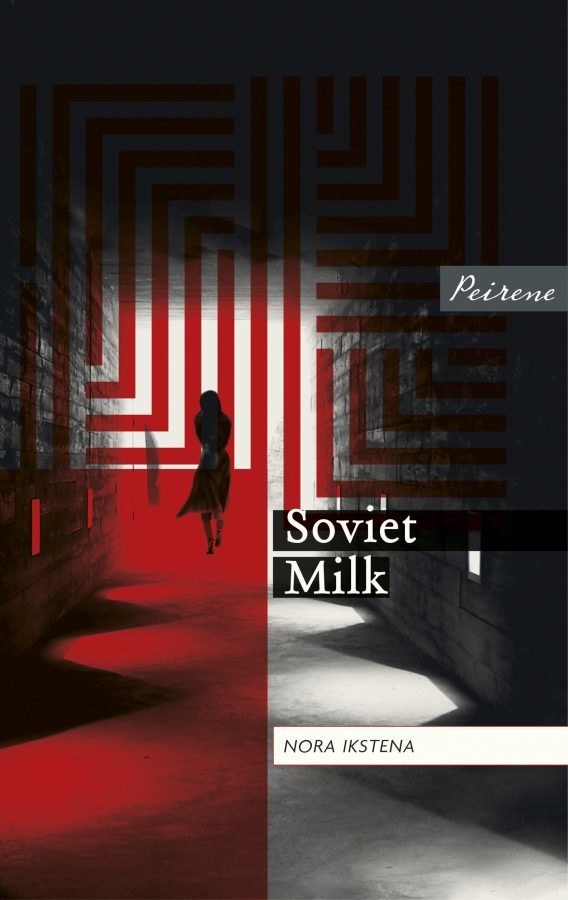
Soviet Milk follows three generations of unnamed Latvian women from the 1940s to the late 1980s, casting their private lives against Latvia’s broader twentieth-century history. Latvia was occupied by the USSR in 1940, briefly taken by Nazi Germany, and then absorbed into the Soviet Union again from 1944 onward. So for decades, Latvians lived under strict ideological control, censorship, and Russification policies. The book’s timeline ends when the Baltic independence movement gained momentum in the late 1980s and Latvia finally regained its sovereignty in 1991.
Gradually I got used to my new life, to my mother’s good and bad moments, and stays with my grandparents that were marked by sad farewells. I was still young, but I sensed that on the inside I was growing up. I was responsible for my mother. No one knew her light and dark sides better than I did. No one else stood ready to catch the next moment when she would want to leave her life behind.
At the centre of the story is the mother, a gifted young doctor, who is sent to Leningrad for training. But after an act of rebellion, she’s exiled to a small village in rural Latvia to provide medical services to the women there. An event that alters the course of her life.
The mother never really recovers. Her world narrows, her hope dims, and she slips into a deep depression and a long, slow retreat from everything that might anchor her. Her daughter grows up caught between her mother’s emotional distance and the steady warmth of her grandmother and step-grandfather, who provide the stability her mother can’t.
So, much more than a story of a country under soviet rule, this novel is about the complex and uneasy bonds between mothers and daughters. The political backdrop shapes their lives, of course, but it’s never entirely clear what part of the mother’s decline comes from Soviet repression and what stems from her own inner wounds. And the men in this book are shadowy figures, almost irrelevant, and when they do appear it is generally (with one notable exception) in a less than positive light: bullying, controlling, drunk.
And the symbolism is strong with this one. Sometimes honestly borderline too heavy-handed for me. It would be a great book for a book club though.
The titular milk appears everywhere: mother’s milk withheld, milk forced on schoolchildren, even water repeatedly described as “warm as milk.” It becomes an image of nourishment and connection, and the ways these can fail. In several translations, including my native Danish, the title of the book means “Mother’s milk”.
I disappeared for days so I wouldn’t have to feed my child. My milk was bitter: the milk of incomprehension, of extinction. I protected my child from it.
Motifs of cages and confinement also recur throughout the book, like when the daughter’s hamster eats its own young, and the mother explains it was to free them from captivity. Late in the story, the mother trades her Moby Dick for a battered fragment of 1984, reading it compulsively and seeing herself in Winston’s defeated resistance. A woman once reaching outward now folding inward, unable and unwilling to connect with her child, her parents, or with the world at all.
Once I found my footing between the two voices in the narrative, I ended up far more invested in this story than I ever imagined. For such a slender novel, Soviet Milk carries an astonishing emotional weight.
A brief note on the author: Nora Ikstena is one of Latvia’s best-known contemporary writers and a co-founder of the Latvian Literature Centre. Soviet Milk is part of Latvia’s centenary writing project and became something of a landmark work at home. It is a novel that opened up conversations about trauma, silence, and generational memory in a country still processing its Soviet past.
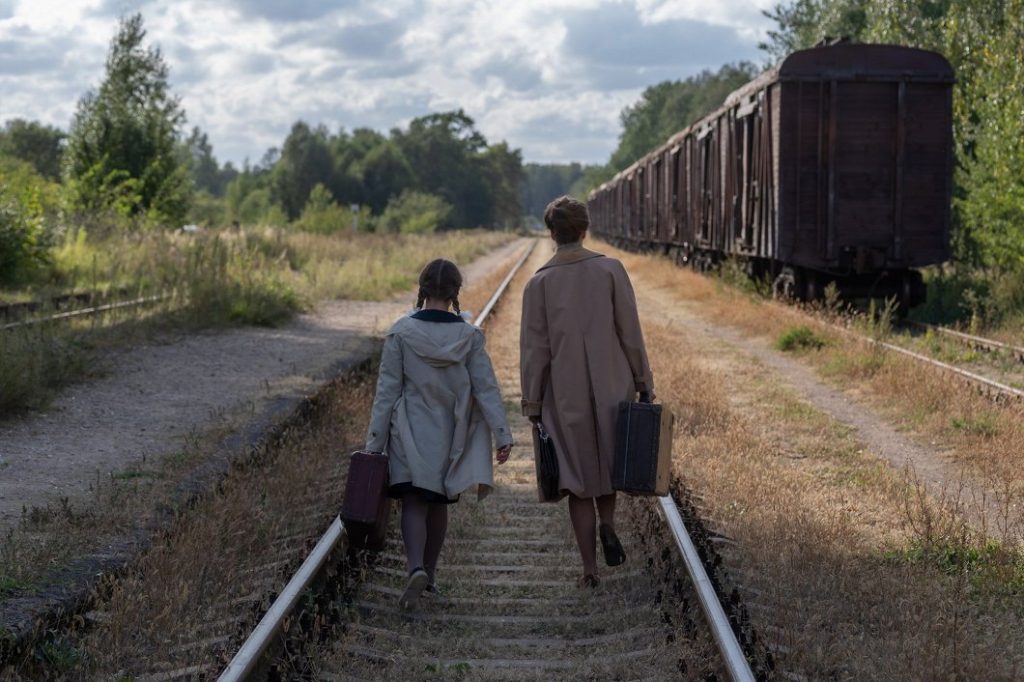
The cover photo of this post is a screenshot from a Latvian film based on the novel, released in 2023. You can watch a trailer for it here.
And if this is too heavy for you, here are some other options for books from Latvia.