Sometimes the hardest place to exist is inside your own head
This one really wasn’t my usual kind of read.
I’ve read quite a lot of Korean novels by now, and I’ve definitely settled into a certain comfort zone with them. So I decided to shake things up a bit and picked this instead. A psychological thriller. Borderline horror. Not my usual territory at all!
And it was definitely different.
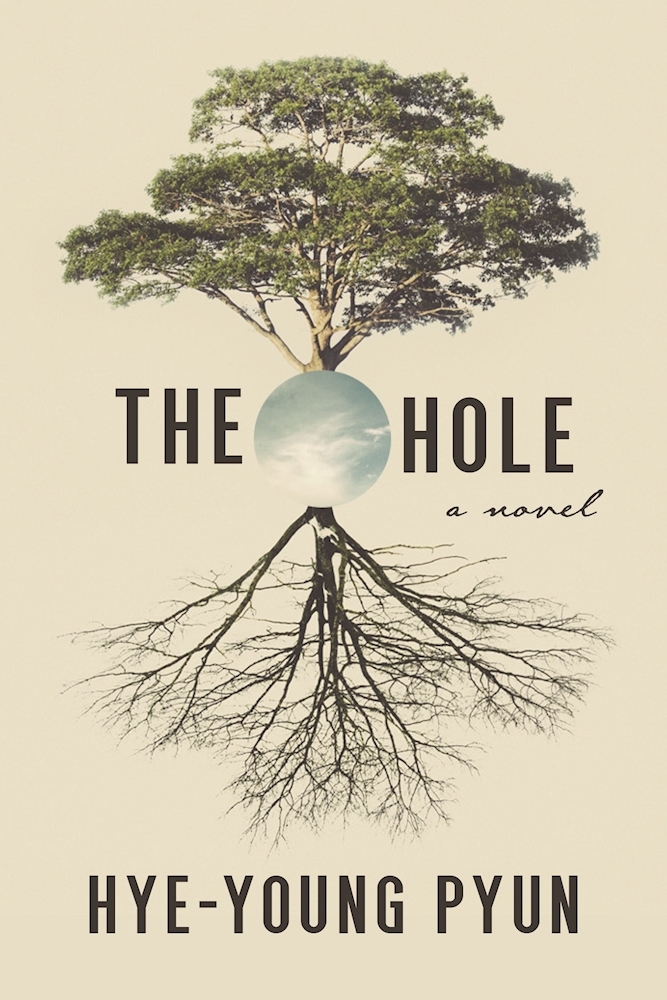
The story follows Oghi, who wakes up in a hospital after a car crash that killed his wife and left him completely paralysed. He can’t move, can’t speak, and he is entirely dependent on others. Eventually, he’s taken home and cared for by his mother-in-law.
Which is already an uncomfortable setup. And it only gets worse from there …
On one hand, Oghi’s mother-in-law takes good care of him in the most intimate, exhausting ways. Changing catheters, preventing bedsores, keeping him alive, basically. On the other hand, she slowly starts to isolate him. The in-house help is fired. His therapist disappears. His rehabilitation stalls, and there’s just generally a creeping sense of dread running through the whole thing.
And Oghi can’t do anything about it.
That feeling of being trapped, completely dependent, completely voiceless, is uncomfortable in a very real, physical way. It is claustrophobic and relentlessly helpless.
The forties were a turning point, as it were, the decade of your life in which you either learned to fit in or dropped out completely
As the story progresses, we start to get more insight into Oghi’s life before the accident. His family, his marriage and the quiet (and not so quiet) cracks in it. The things he did wrong, his affair with a colleague, and the things he didn’t notice, or didn’t want to notice, about his wife and their relationship. The hints are dropped sparingly and scattered, and you feel like a bit of a detective trying to uncover what really happened in that car crash.
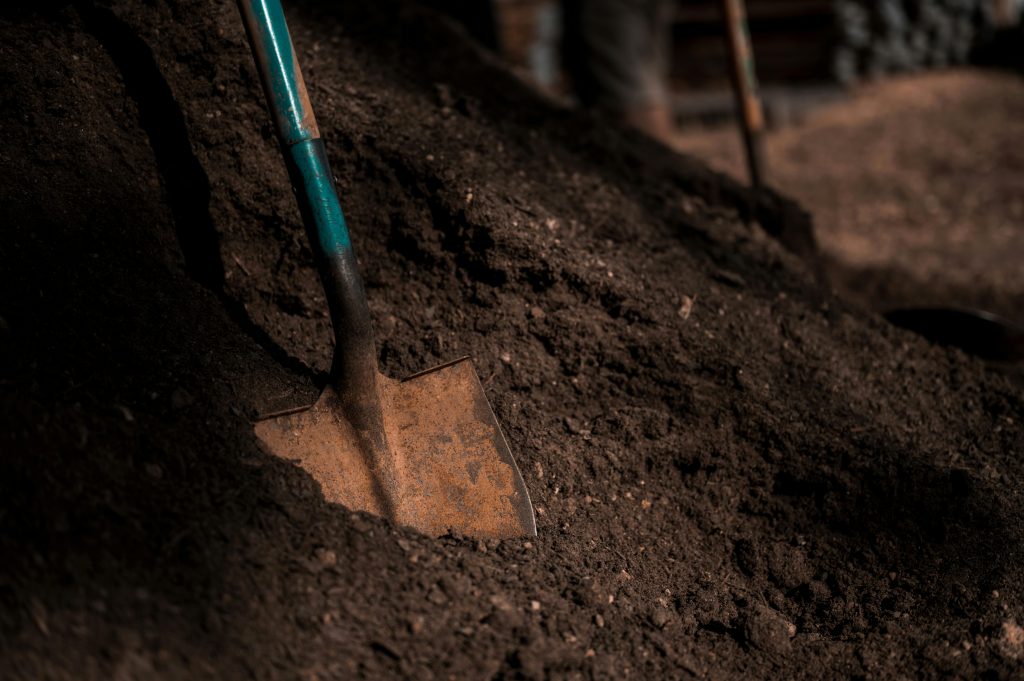
And then there is the garden, which his wife cared for before, and which his mother-in-law now takes over completely. She starts digging a hole, saying she’s finishing something her daughter started. And it was not too difficult to guess where that might lead …
It feels very symbolic, and it also ties into Oghi’s former carreer as a cartographer. This idea of a void at the centre of things, a kind of emptiness that maybe was always there. There is definitely also a point in making the evil mother-in-law Japanese in a novel otherwise filled with Korean characters …
So there’s a lot going on beneath the surface, and I’m sure there’s a lot I didn’t catch.
The world’s oldest map, the Babylonian Map of the World, had a little circle bored through the center. […] That dark, narrow hole went as deep as the memory of an age that no one could ever return to. The only way to reach that lost age was through that hole, but the hole itself could never be reached.
The whole book builds this quiet, creeping tension. But even the most dramatic moments at the end left me feeling rather distanced from the whole thing. I never really connected with Oghi.
The book is less of a thriller than it first appears, and more of a psychological study of isolation, control, and the quiet damage people can do to each other. Which is also a theme in many other South Korean books I have read.
I liked it. And I’m glad I read something a bit outside my comfort zone. But I think I was expecting it to hit a bit harder than it did.
If you’re into slow, psychological horror that leans more towards atmosphere and symbolism than plot, this might really work for you. But if you’re expecting something more intense or more plot-driven, it might feel a bit too quiet.
But then you could go for another book from South Korea, because the opportunities are endless …