Asking for forgiveness requires more courage than firing a gun
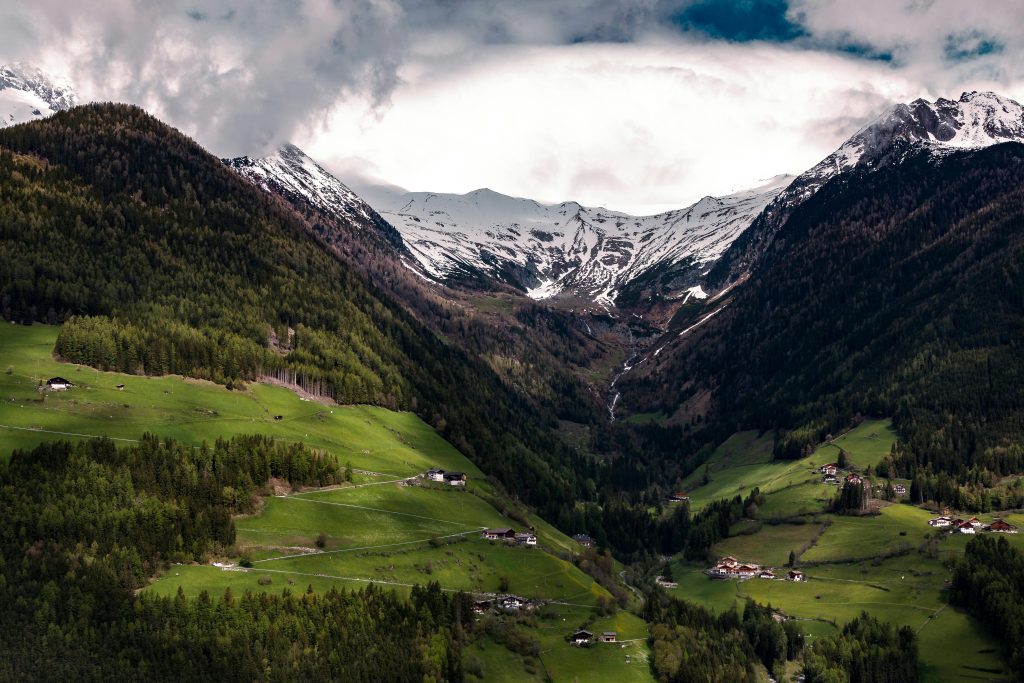
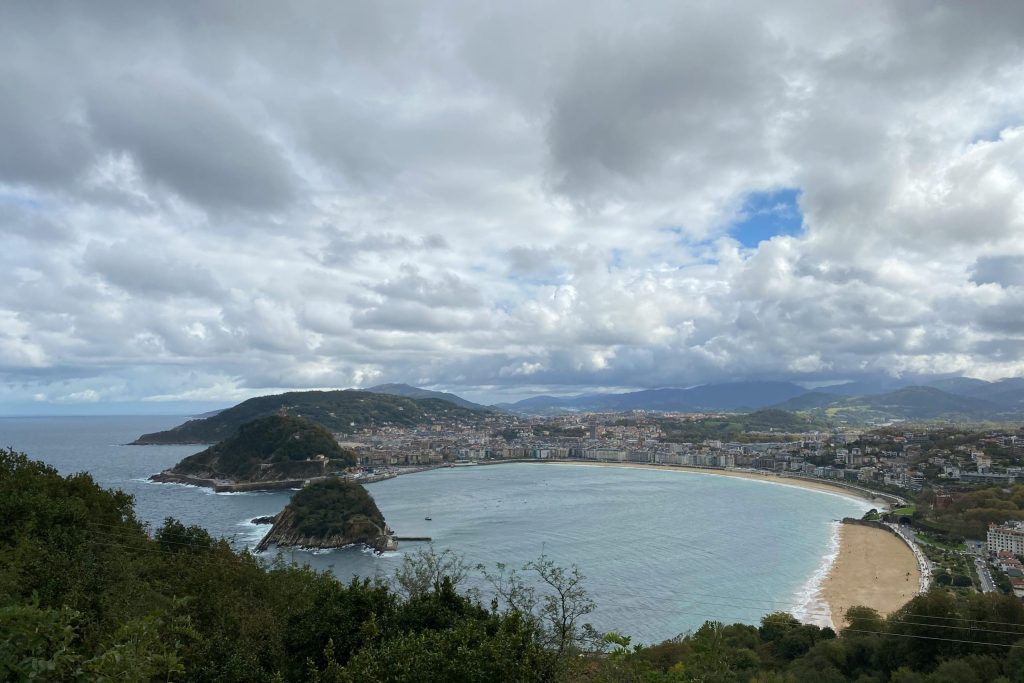
The Basque Country (Euskadi in Basque) is an autonomous community in northern Spain with its own distinct language, culture, and strong sense of identity. While it remains part of Spain, the region enjoys a high degree of self-government, including its own parliament, police force, and tax system. For decades, it was at the centre of a violent separatist conflict led by ETA (Euskadi Ta Askatasuna), a terrorist organization that sought full independence for the Basque people. Though ETA officially disbanded in 2018, the trauma and social rifts it caused continue to shape communities.
And this sets the scene for Fernando Aramburo’s Homeland.
Not your thing? Try another book from Spain.
The novel revolves around two women in a small Basque village, Bittori and Miren, who were once the closest of friends. But after Bittori’s husband, Txato, is murdered by ETA, their lives diverged irreparably. As Bittori returns to the village years later, hoping for closure and reconciliation, she forces everyone, especially Miren and her children, to reckon with the roles they played.
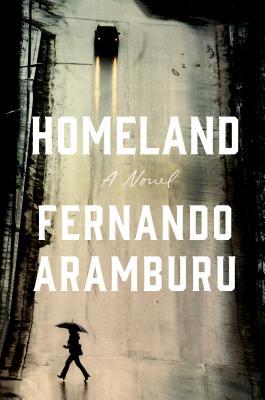
The novel leaps through dozens of short chapters, each shifting in time and viewpoint, moving back and forth over several decades, giving us glimpses into the childhoods of Miren’s and Bittori’s children, the slow radicalization of Miren’s son Joxe Mari, his present day imprisonment, and the quiet unravelling of Bittori’s family in the wake of Txato’s murder. The peculiar writing style switches between past and present tense, and even between first and third person within the same paragraph which I found quite disorienting at times. I do wonder if maybe something is lost in translation from the Spanish here. If you speak Spanish let me know!
The alignment of religious authority with militant nationalism adds another layer of tension and highlights the complex interplay between faith and politics in the community. The local priest stands out as a particularly unlikable figure, offering moral justifications for ETA’s actions and acting as a catalyst for the radicalisation of the young boys.
But there is a lot more to this story. Because beyond Txato’s murder, all the characters endure a soap-opera worthy litany of personal tragedies: strokes, divorces, unhappy children, infidelity, and struggles with sexual identity. To me personally the accumulation of hardships felt increasingly exhausting and pointless as the book went on. The main plot here is interesting enough – I do not get why Aramburo felt the need to also make one of his characters suffer a terrible stroke and leave her paralyzed – or to use so many pages describing the homosexual character’s love interest’s very difficult teenage daughter?
“[God] made us Basques the way we are, tenacious in our purposes, hardworking, and firm in the idea of a sovereign nation. For that reason, I would go so far as to assert that on us has fallen the Christian mission of defending our identity, therefore our culture, and above all our language. … I say to you, completely honestly, our struggle isn’t only just. It’s necessary…”
So. In summary, the premise, the setup and the first half of the book hooked me completely, but around the halfway point, the momentum began to lag. The emotional impact was lost on me in the later sections, where I honestly found myself pushing to get through rather than truly enjoying it.
This was a chapter of Spanish history I knew nothing about, and I picked Homeland to broaden my perspective and read something from a period and a place I wasn’t familiar with. And in that, it certainly delivered.
But that said, unless you like soap operas, I wouldn’t recommend this as the only book you read for Spain. I’ve personally read and adored a wide range of Spanish books before starting the Borderless Bookshelf. You can see my suggestions here, and my recommendations to you would be my all-time favourite The Shadow of the Wind or the classic Don Quixote.