These days most people like to take their coffee vaporised in a sound field
I picked up Bangkok Wakes to Rain by Pitchaya Sudbanthad because it sounded unusual, and because I have been to Bangkok myself. After finishing this book, I can safely say that I have never read anything remotely like it before.
And I absolutely loved it.
At first, I wasn’t entirely sure what I was reading. The opening chapters feel like short stories. We move from one character to another, from one time period to another, and at first there doesn’t seem to be an obvious thread connecting them. But little by little, connections begin to emerge. A passing mention here, a family connection there, a familiar location appearing again decades or even centuries later. The separate pieces slowly weave themselves into a larger tapestry, and I personally found that to be an immensely satisfying experience.
I swallowed, not knowing what I drank, medicine or poison; I only knew that I was thirsty. With every drop, I drew in the spirit of oxen and snakes, great jungle beasts ran inside me, growling. I tasted dirt and rubies and thousands of years of rain.
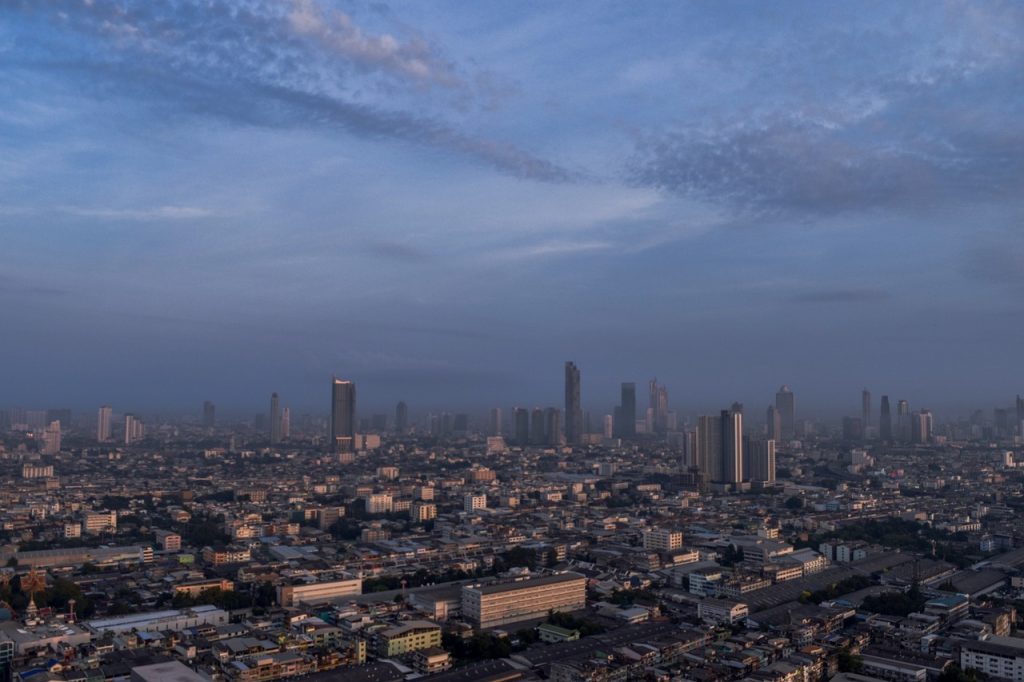
The novel stretches across a large span of time. Some chapters take place in the eighteenth century, while others venture far into Bangkok’s future as rising sea levels have submerged most of the city.
One storyline follows Nee, a young woman growing up in modern Bangkok while struggling with family expectations and social change. Another centres on Sammy, a homosexual American jazz musician who is spending the twilight of his carreer here. A plastic surgeon designs a new face for a teenage girl. We encounter historical figures, children of the future ferry visitors around the submerged city, and people decide on a digital preservation of their afterlife.
There are various detours to Japan, England and the US. And even a chapter from the POV of the birds living around the city.
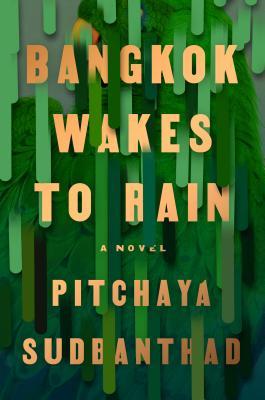
But then again the main character isn’t really any of them. Because the real protagonist of this novel is a house. The narrative keeps returning to a particular building and the land on which it stands.
Or perhaps it is Bangkok itself.
Krungthep, as the locals prefer to call it.
This book will throw you between historical fiction and science fiction with no warning whatsoever. Some sections feel like pure poetry. There isn’t really a traditional plot holding everything together. There are no great revelations. No single protagonist going through a dramatic transformation. Many of the characters only occupy a relatively small part of the book.
Normally, this should not work for me at all.
But somehow it absolutely did.
Truth lingers, unseen like phantoms but there to rattle and scream
wherever people try hardest to forget
There’s something deeply rewarding about gradually realising how the different stories connect. And the sense of place is just immaculate. Sudbanthad captures Bangkok as a living, breathing place full of history, contradictions, beauty, decay, and resilience.
The novel somehow manages to feel intimate and enormous at the same time, and when I finished it, I immediately felt the urge to turn it over and start again from the beginning. I haven’t had that feeling about a book in quite some time.
Bangkok Wakes to Rain isn’t a book I can easily compare to anything else I’ve read. It feels less like a conventional novel and more like wandering through a city, noticing fragments of stories, overhearing conversations, and slowly realising that everything is connected, and that memories remain.
I don’t think this book is for everyone, but it was absolutely for me.
But if you are not sold on the idea, there are a lot of other great options for Thailand!