Deliver us from baldness
Have you ever read a book that left you completely baffled as to why people called it funny? That was my experience with Gerard Reve’s The Evenings.
Blurbs and reviews promised me hilarity, a “comedy of despair,” but instead, I found myself staring into the abyss of post-war boredom, loneliness, and a loathing of life in general. If this is Dutch humor, then I’m sorry to say, I don’t get it.
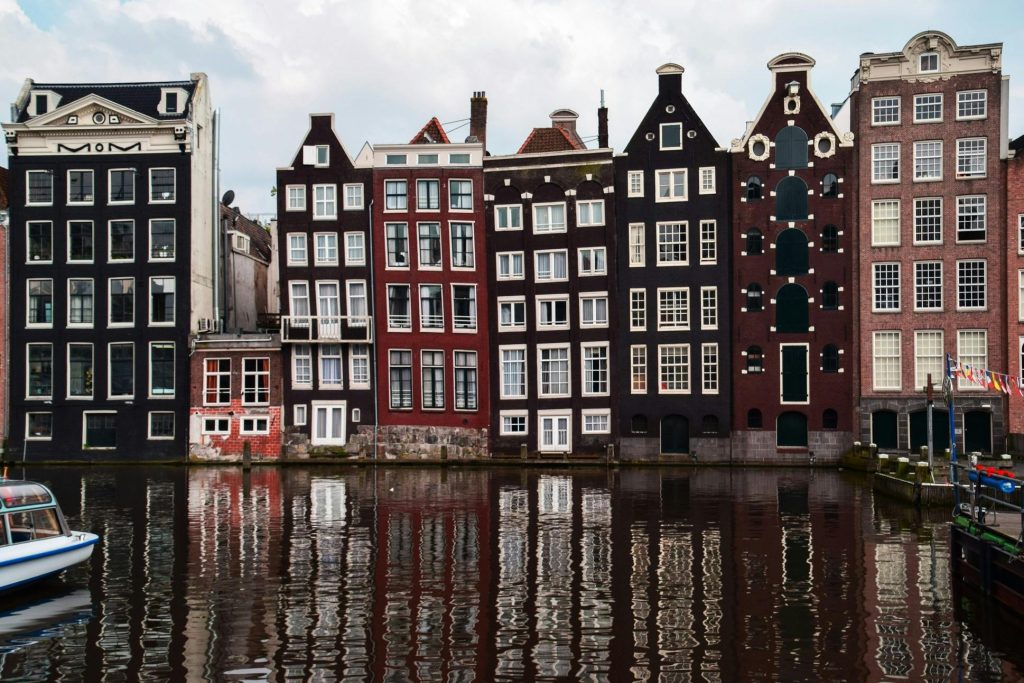
The novel takes place in Amsterdam over the last ten days of 1946. It follows Frits van Egters, a young man in his early twenties, as he aimlessly trudges through life. He visits friends he doesn’t seem to like, mocks his parents silently (and sometimes out loud), and obsesses endlessly over strange, unsettling topics — like his friend’s missing eye or the mechanics of male baldness.
There are several scenes where Frits launches into a bizarre and lengthy monologues about balding, complete with morbid detail and thinly veiled glee. I’m sure it was meant to be funny, but to me it was just … not.
Oh but you are becoming quite bald, listen Joop, without meaning to be nasty your scalp is really almost bare. It will not be long before you can count your hairs on the fingers of one hand …
Frits’ life is monotonous in the extreme. He has an office job, but we are told nothing of what he does there. And his evenings are filled with trivial interactions: stilted conversations with his parents over dinner, awkward silences with friends, and cruel jabs disguised as jokes. Fritz loathes small talk but seems equally terrified of meaningful conversations. And most of his friends seem just as miserable.
But at night he dreams. At night, Frits’ mind erupts into vivid nightmares filled with death, violence, and grotesque imagery. Corpses escaping from coffins, surreal visions of terror and helplessness. The dreams are horrifying in their intensity, especially when contrasted with the dullness of his waking life. It’s as though all the emotions Frits keeps bottled up during the day – fear, rage, despair – burst free at night.
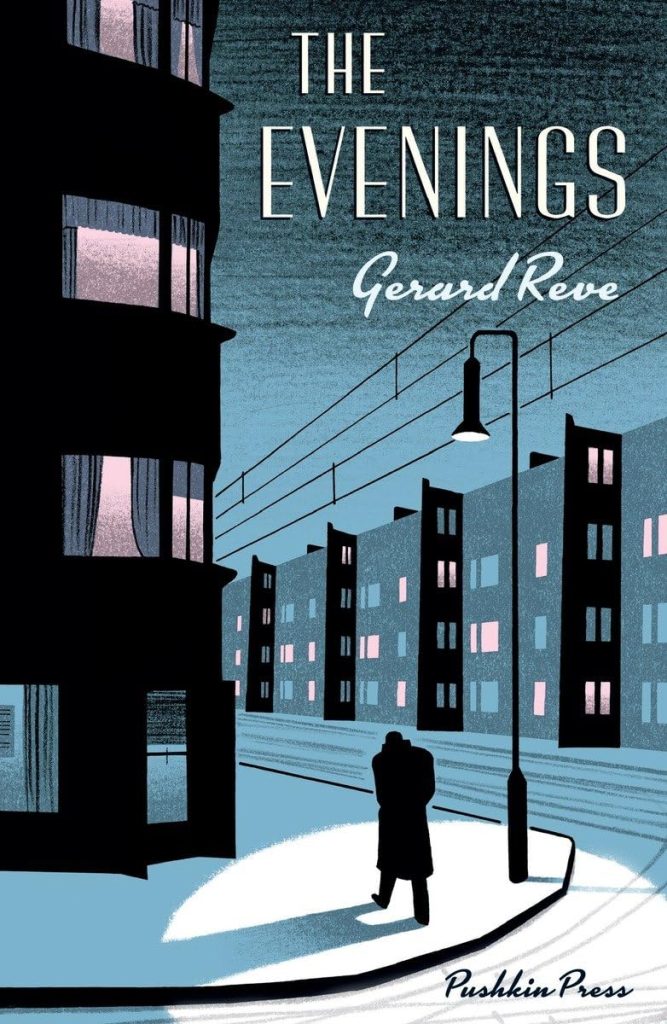
The setting of post-war Amsterdam looms over the novel like a ghost. The war itself is never directly addressed, but its effects are everywhere. In the general discomfort of the characters, in the broken rhythms of their lives, in the stories they tell of people starving, and perhaps even in the way Frits and his friends interact with the world. One of his friends has a glass eye. Was it lost in the war? We’re never told, but you have to wonder.
For all its darkness, though, there is a tiny glimmer of hope in the final chapter. After ten evenings of oppressive dread, Frits experiences a moment of tenderness, hinting that maybe, just maybe, there’s something more to life than this endless cycle of bleakness.
Would I recommend The Evenings? It depends. If you like existential novels about alienation and dread, this might be exactly your cup of tea. If you’re expecting something funny, though, you need a sense of humour different from mine.
Do you count the hairs in your comb each morning? If you did you would see that there are more of them each day. Slowly but surely. I would be horrified to know that I was going bald. I would lose all desire to live. But please don’t misunderstand me, I don’t mean to discourage you.
Personally, I found The evenings depressing and deeply unsettling and not at all what I was expecting. But I can’t deny that it’s kept lingering in the back of my mind like one of Frits’ scary dreams.
Oh, and if you’re sensitive to discussions about male baldness, consider yourself warned.