Until now, Portugal was a literary blind spot for me. I’d never read a single book by a Portuguese author. I did however have a particular Portuguese book on my TBR for years!
But I ran into a challenge I hadn’t anticipated: While Portugal has a rich literary tradition, it was surprisingly hard to find books by Portuguese women available in English translation. They exist, of course, but they’re surprisingly hard to come by compared to their male counterparts.
Still, I’m happy to say, I’ve pulled together a list of ten books that I believe offer a varied and compelling glimpse into Portuguese literature. What emerged is a mix of novels, fragments, allegories, and family sagas. Some classic, some contemporary, and some very difficult to categorize.
These are my suggestions for Portugal:
A list of books to read from Portugal
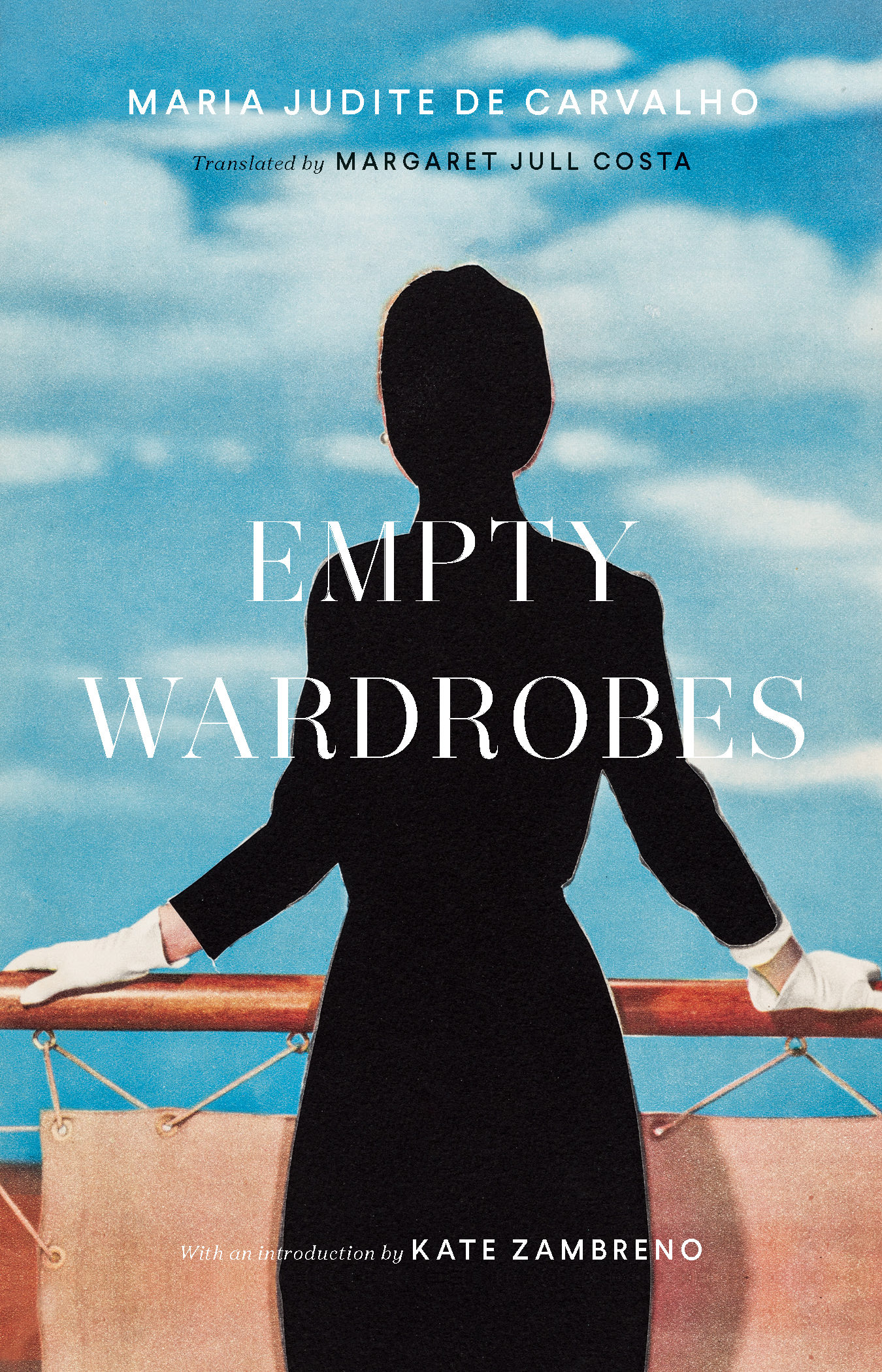
Empty wardrobes
Author: Maria Judite de Carvalho
First published: 1966
Original title: Os Armários Vazios
Genre: Literary fiction / Feminist
We begin with quiet devastation. Set in 1960s Lisbon, this novella paints a bleak yet elegant portrait of a woman who becomes almost invisible after the death of her husband.
Maria Judite de Carvalho is one of the few mid-century Portuguese women writers who has made it into English. This novel — finally translated in 2021 — explores the claustrophobic domestic world of a woman overshadowed by the memory of her supposedly brilliant late husband, peeling back the layers of social expectation with biting irony and subtle feminist insight.
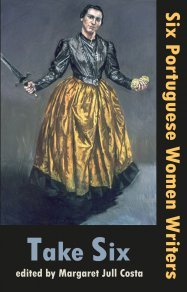
Take six: Six Portuguese Women Writers
Author: edited by Margaret Jull Costa
First published: 2023
Genre: Anthology
If you want to meet more women voices from Portugal, this anthology could be the perfect place to start.
Take six features short stories by six major 20th-century writers: Sophia de Mello Breyner Andresen, Agustina Bessa-Luís, Maria Judite de Carvalho, Hélia Correia, Teolinda Gersão, and Lídia Jorge. The stories vary in style and tone, but together they offer an evocative and multi-faceted portrait of Portuguese womanhood, imagination, and literary artistry.
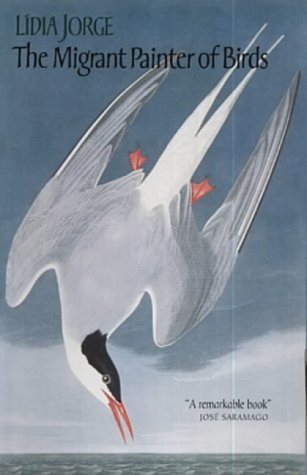
The migrant painter of birds
Author: Lídia Jorge
First published: 1998
Original Title: O Vale da Paixão
Genre: Family saga / Literary fiction
Lídia Jorge’s writing is lyrical and layered, and this novel is considered one of her finest. It centers on a young woman growing up in the aftermath of Portugal’s dictatorship, caught between silence and revelation, family secrets and personal awakening. A meditation on memory, pain, and the elusive nature of truth, wrapped in beautiful prose.
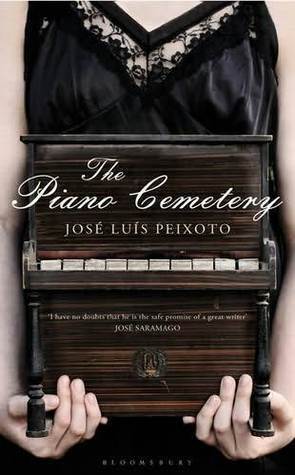
The Piano Cemetery
Author: José Luís Peixoto
First published: 2006
Original title: Cemitério de Pianos
Genre: Historical Fiction / Magical realism
This multi-generational novel blends family drama, lyrical language, and a touch of magical realism.
Peixoto’s novel is about music, memory, and family — following generations of piano builders whose lives are steeped in melancholy and mystery, somewhere between dreams and history. The writing is vivid and strange in the best way — a perfect read for a rainy afternoon when you want to be swept into a ghostly Lisbon.
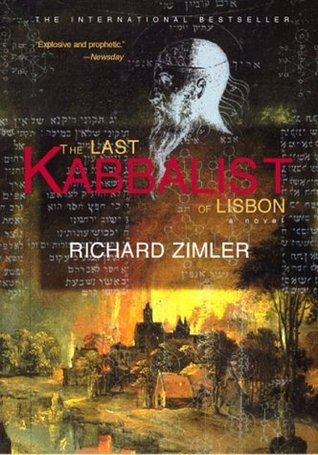
The last Kabbalist of Lisbon
Author: Richard Zimler
First published: 2006
Genre: Historical Mystery / Jewish Fiction
Set during the 1506 Lisbon Massacre, this historical mystery plunges into a brutal and often-overlooked chapter of Portuguese history. A young man’s search for the killer of his uncle — a kabbalist — leads into a world of hidden identities, forbidden knowledge, and religious terror. It’s intense, atmospheric, and brimming with historical insight.
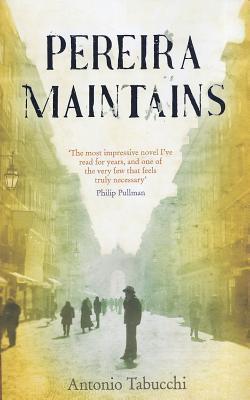
Pereira Maintains
Author: Antonio Tabucchi
First published: 1944
Original Title: Sostiene Pereira
Genre: Historical fiction / Political Fiction
Fast forward to the 1930s: Portugal under the Salazar dictatorship. Pereira is a middle-aged journalist who wants to stay out of politics — but the world won’t let him. What follows is a quietly powerful novel about moral awakening, subtle rebellion, and the cost of looking away.
Tabucchi was Italian, but he lived in Portugal for many years and his deep love of the country permeates this quietly powerful novel.
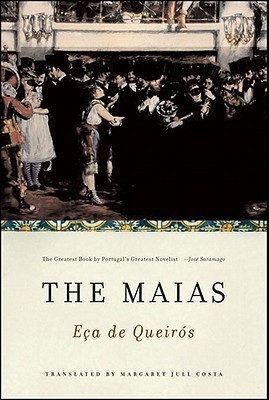
The Maias
Author: Eça de Queirós
First published: 1888
Original title: Os Maias
Genre: Classic / Family saga
Often called Portugal’s great 19th-century novel, The Maias is a rich, ironic portrait of an aristocratic family in decline. A sprawling family saga often compared to Tolstoy or Flaubert. Think The Forsyte Saga, but with Lisbon as its backdrop. It’s long, elegant, and full of biting social commentary — a classic in every sense of the word.
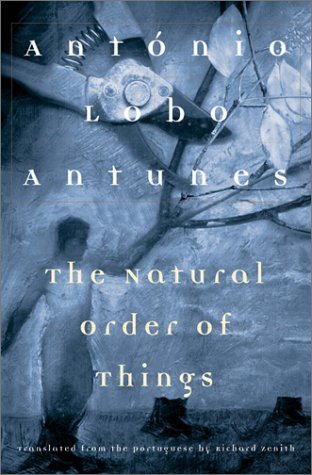
The natural order of things
Author: António Lobo Antunes
First published: 2000
Original Title: A Ordem Natural das Coisas
Genre: Literary Fiction / Historical Fiction
The Natural Order of Things is a tale of two families and the secrets that bind them. The voices of Antunes’ characters – an army officer being tortured in prison on charges of conspiracy; an elderly man, once a miner in Mozambique, now reduced to dreams of “flying underground”; a diabetic teenage girl and the middle-aged husband she despises; the officer’s illegitimate sister, locked away to haunt the house like Bertha Rochester in Jane Eyre – create a portrait of a disintegrating Portugal, a personal political history that attains the brilliance and surreality of Elias Canetti and Nikolai Gogol.
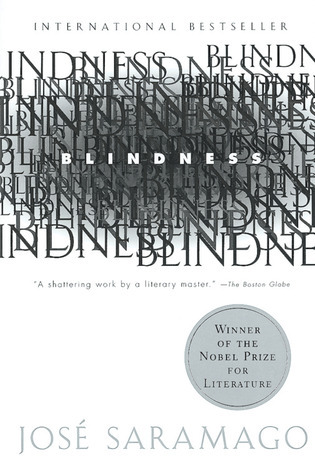
Blindness
Author: José Saramago
First published: 1995
Original title: Ensaio sobre a cegueira
Genre: Dystopian
A strange epidemic of blindness spreads through an unnamed city, reducing its citizens to their most base instincts. It’s grim, it’s challenging, and it reads like a parable for every kind of societal collapse.
Nobel Price winner’s Saramago’s long, breathless sentences take some getting used to, but the story is unforgettable. Philosophical, brutal, and strangely beautiful, it explores the fragility of civilization and the stubborn resilience of human dignity.
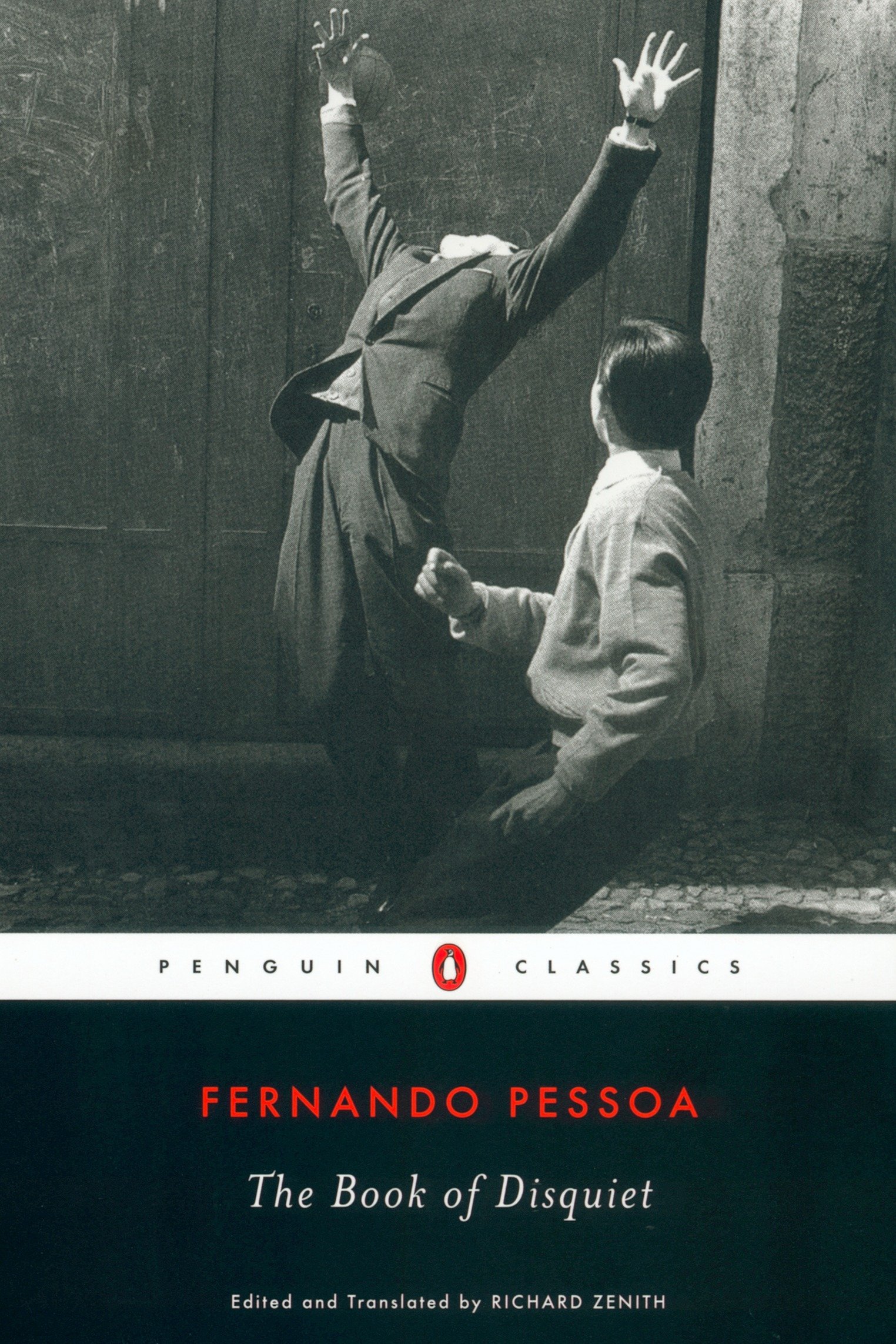
The book of disquiet
Author: Fernando Pessoa
First published: published posthumously, written 1910s-1930s
Original Title:
Genre: Classic
Fernando Pessoa was many writers in one. He attributed his prolific writings to a wide range of alternate selves, each of which had a distinct biography, ideology, and horoscope. When he died in 1935, Pessoa left behind a trunk filled with unfinished and unpublished writings, among which were the remarkable pages that make up his posthumous masterpiece, The Book of Disquiet, an astonishing work that, in George Steiner’s words, “gives to Lisbon the haunting spell of Joyce’s Dublin or Kafka’s Prague.”
Published for the first time some fifty years after his death, this unique collection of short, aphoristic paragraphs comprises the “autobiography” of Bernardo Soares, one of Pessoa’s alternate selves. Part intimate diary, part prose poetry, part descriptive narrative, captivatingly translated by Richard Zenith, The Book of Disquiet is one of the greatest works of the twentieth century.
Join me, and read a book from Portugal
If, like me, you haven’t read much (or anything!) from Portugal before, I hope this list gives you a starting point. Whether you’re drawn to the quiet sadness of Empty Wardrobes or the rich tapestry of The Maias, there’s a lot here to explore.
Have you read any of these? Are there others you’d recommend? Drop a comment or message — I’d love to hear from you. And if you’re on your own literary journey around the world, let me know where you’re headed next!