Be good or I won’t love you
Oh my Lord. This was a tough read.
Not because it’s a bad book. On the contrary I think it is one of the top five books of the journey so far. I genuinely had to check and double-check that this novel was never listed for the International Booker Prize. Because that is a grave mistake.
And I will start by saying that all of the trigger warnings for child neglect and abuse apply for this book. If you are affected by children being mistreated, this book will crush you. Approach with caution!
Or try another book from Slovakia.
I envied children because they didn’t have to worry about anything. All they had to do was cry if they wanted something. Somebody always came. Crying loudly is easy enough, what’s difficult is not crying. What’s difficult is swallowing your sadness and fear and loneliness and insecurity while suffocating with a stoneface, only because there’s no good moment, time or mood for it.
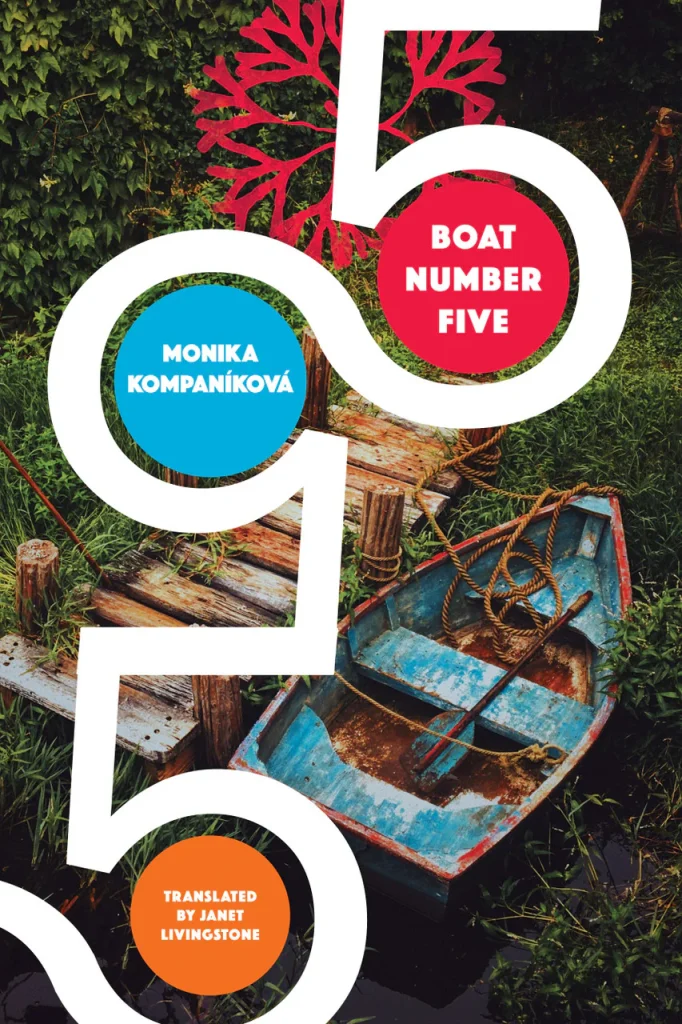
Monika Kompaníková is both an author and a visual artist. She studied painting at the Academy of Fine Arts in Bratislava and has written several books for both adults and children. Boat Number Five, is her debut novel, and it won the Anasoft Litera Prize, Slovakia’s most prestigious literary award, in 2011. The novel has been translated into multiple languages and was also adapted into the award-winning film Little Harbour, which received the Crystal Bear at the Berlinale Film Festival in 2017.
But credentials aside, this is the kind of story that reaches in and grabs you so firmly by the heartstrings that it hurts. The prose is flawlessly poetic, the atmosphere is the almost dreamlike stream of consciousness of a child wise beyond her years. Interspersed with the narrator’s actual recurring dreams and the occasional flash forward to her experiences as an adult.
And it starts with a dead cat.
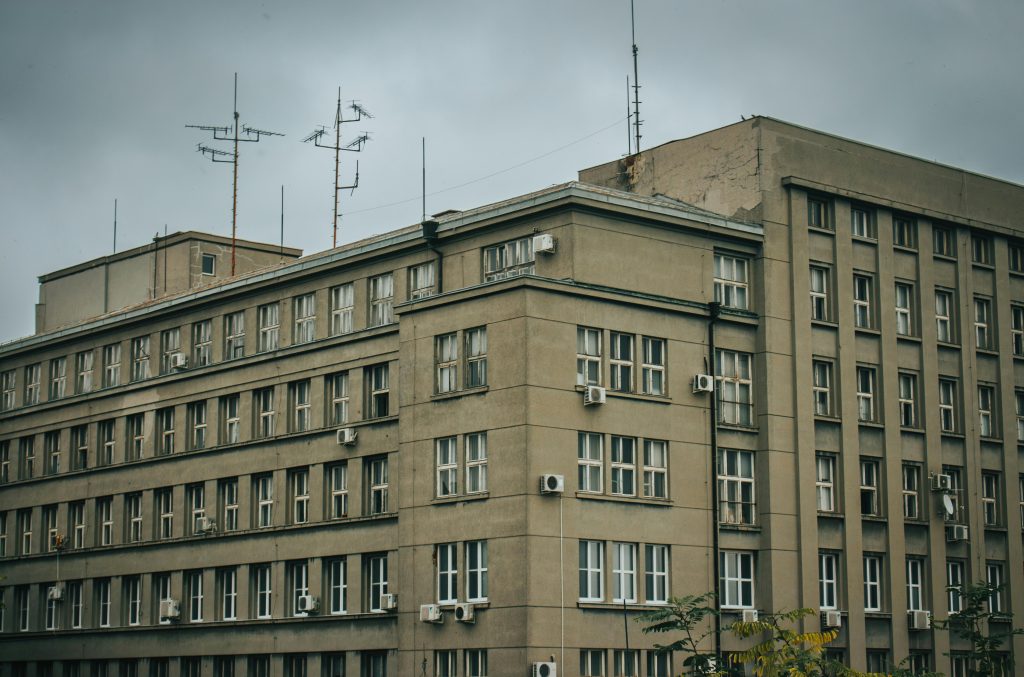
Twelve-year-old Jarka buries it in the garden, because Jarka is used to doing things on her own. In a world where adults are either absent or unreliable, she’s learned not to expect much help. Her young mother drifts in and out of the apartment, more interested in men and parties than in parenting. That leaves Jarka to navigate the crumbling post-communist housing blocks of Bratislava more or less alone.
Her sanctuary is a small garden inherited from her grandfather. A patch of green tucked away from the concrete sprawl, where she can let her thoughts wander. One day, on the way there, Jarka stops at a suburban train station and impulsively walks away with a pair of twin babies.
Children are small and live close to the earth, and much good remains in them from this. For children, everything is big, everything is important. They’ve not heard about the universe yet, they can’t compare anything to it’s endlessness. They have clean souls, soft and fragile like paper made of silk. No one can squeeze them too hard or they’ll be crushed.
What follows is not a kidnapping thriller. It is the story of a lonely and neglected girl desperately trying to build a family out of sheer longing for connection. It’s a story about damage passed down through generations, and about a child who wants nothing more than to love and be loved in return.
It’s impossible not to be pulled under, pun intended. I read Boat number five in almost one sitting, completely mesmerized, and completely undone.
Boat Number Five took my heart hostage in chapter one, and by the end, I felt shattered in a million little pieces. It’s a completely devastating story and yet it is one of the most beautifully written books I have ever come across. I feel like the author’s background as a visual artist is evident on every page, and you should go read Boat Number Five right now.
Have you read anything from Slovakia? I’d love to know if there are other Slovak books out there that hit this hard. Because in that case I’m in!