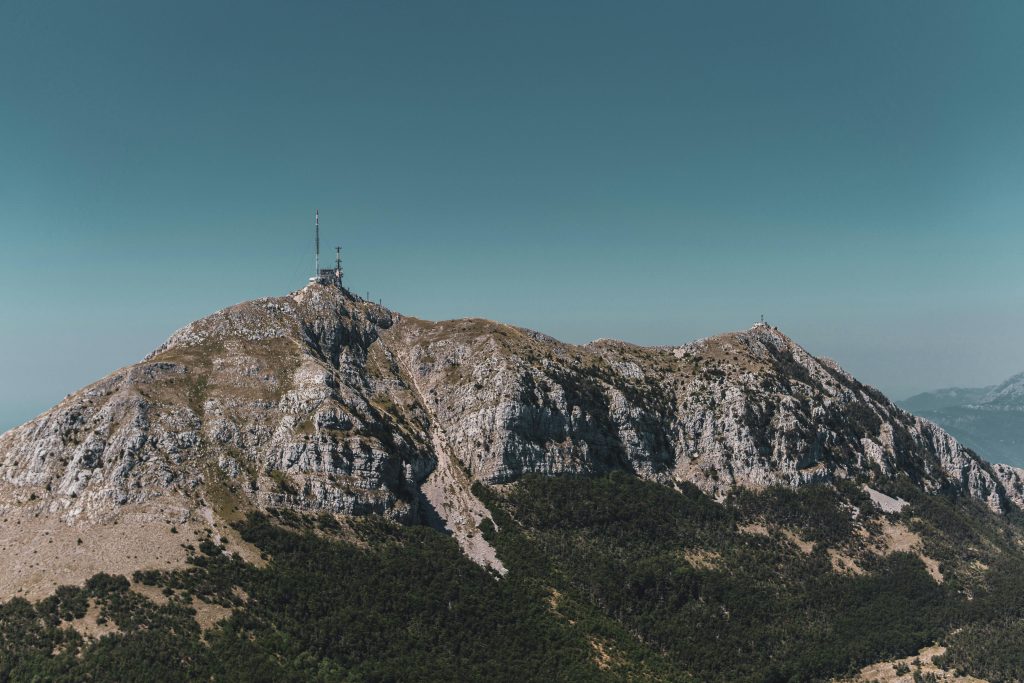
If you’d asked me what I knew about Montenegro before this project, I might’ve mumbled something vague about the name meaning “black mountain”.
This country may be small and overlooked, and the amount of literature in English quite limited, but as it turns out, the Montenegrin bookshelf is anything but boring. Tucked between the Adriatic coast and the rugged Dinaric Alps, this tiny country has a dramatic history, which is reflected in its literature. From epic poems and royal memoirs to modern feminist fiction and folklore, the variety of this list surprised me!
A list of books to read from Montenegro
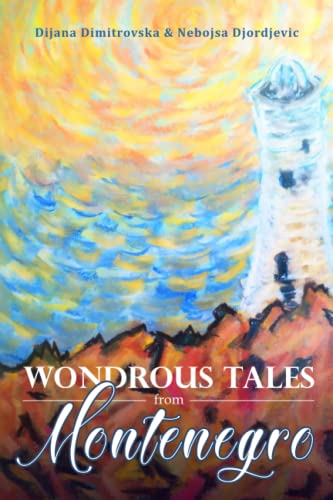
Wondrous Tales from Montenegro
Author: Dijana Dimitrovska Djordjevic
First published: (2021)
Original title: Čudesne priče iz Crne Gore
Genre: Folklore / fairy tales
This is not a history book, but it was written within a historical context. Little threads of Montenegrin past have been woven into every story: sometimes just a pinch of history’s dust was added, at times a pebble, and sometimes even a whole rock.
This book is inhabited by real personages from the past (Saint Vasilije, Jelena Balsic, or Husein-Pasha), lost cities are reborn (Docleia, Svach), times are depicted when works of great artistic and historic value were created (The Gospel of Prince Miroslav, the Monastery of Piva, mosaic in Petrovac), old legends continue their journeys (Cadmo and Harmony in Budva, the swimming horses in Herceg Novi), and new legends are formed. The past is unavoidable, the present insurmountable, and this is why in these stories real people and real destinies are shown (Stana Cerovic, the last Montenegrin virgina, Baba Koya in Zabljak), true and great woks of art are displayed (the painting of Naod Zoric) – and they all point to the lush fields of gifted painters of Montenegro.
The only aim of this book is to perhaps make some reader doze off by its pages, listening to the murmur of the sea, the gurgling of the rivers and the songs of the woods, only to wake up wondering if a more beautiful world exists anywhere else. We believe that paradise exists and that it is around us and within us, that it is here.
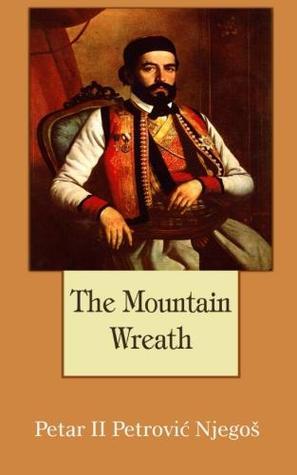
The mountain wreath
Author: Petar II Petrović-Njegoš
First published: 1847
Original title: Gorski vijenac
Genre: Epic poetry / historical classic
Considered Montenegro’s national literary treasure, The Mountain Wreath is a poetic drama exploring identity, loyalty, and resistance. Set in the 18th century, it dramatizes a controversial episode in which Montenegrins confront internal divisions and religious difference.
Petar II, also a prince-bishop, used this work to unify a fragmented people through mythic storytelling. The text is rich with symbolism and historical resonance, though it requires some patience and context for modern readers unfamiliar with the Balkan past.
Personally I probably won’t choose this one, but it’s pretty much the Bible of Montenegrin literature, so I couldn’t make a list without it!
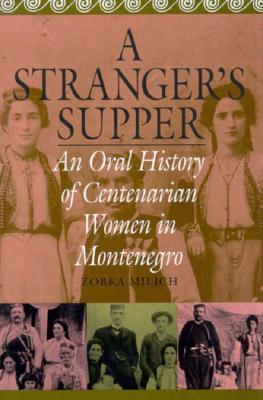
A Stranger’s Supper
Author: Zorka Milich
First published: 2011
Original title: A Stranger’s Supper
Genre: Oral history / Nonfiction
Offers a rare look inside the traditional tribal culture of Montenegro. Interviewed by Zorka Milich, herself a descendant of Montenegrins and a fluent speaker of their Serbian language, these articulate centenarians explain what life was like for the women behind Montenegros warriors.
They talk about their relationship with their husbands, their experience of childbirth (which women often underwent outdoors or in a barn, sometimes alone), the pain of losing a son to war and not being able to grieve openly (pride that he gave his life for Montenegro was the correct response). And they give eyewitness accounts of historic events, the Balkan Wars, World War I, and World War II, as they played themselves out in this remote and barren country the Montenegrins call Crna Gora, or Black Mountain.
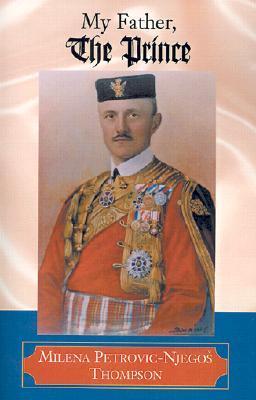
My Father, the Prince
Author: Milena Petrović-Njegoš Thompson
First published: 2003
Original title: My Father, the Prince
Genre: Memoir / biography
Milena Petrović-Njegoš Thompson tells the story of her father, Prince Milo Petrović-Njegoš, who went from Montenegrin nobility to exile in America. Her memoir offers both a personal and historical lens on a fading royal legacy.
Part family portrait, part political reflection, this book provides insight into Montenegro’s royal past and its complex relationship with identity and independence. It’s a rare glimpse into the life of a Montenegrin woman shaped by two worlds.
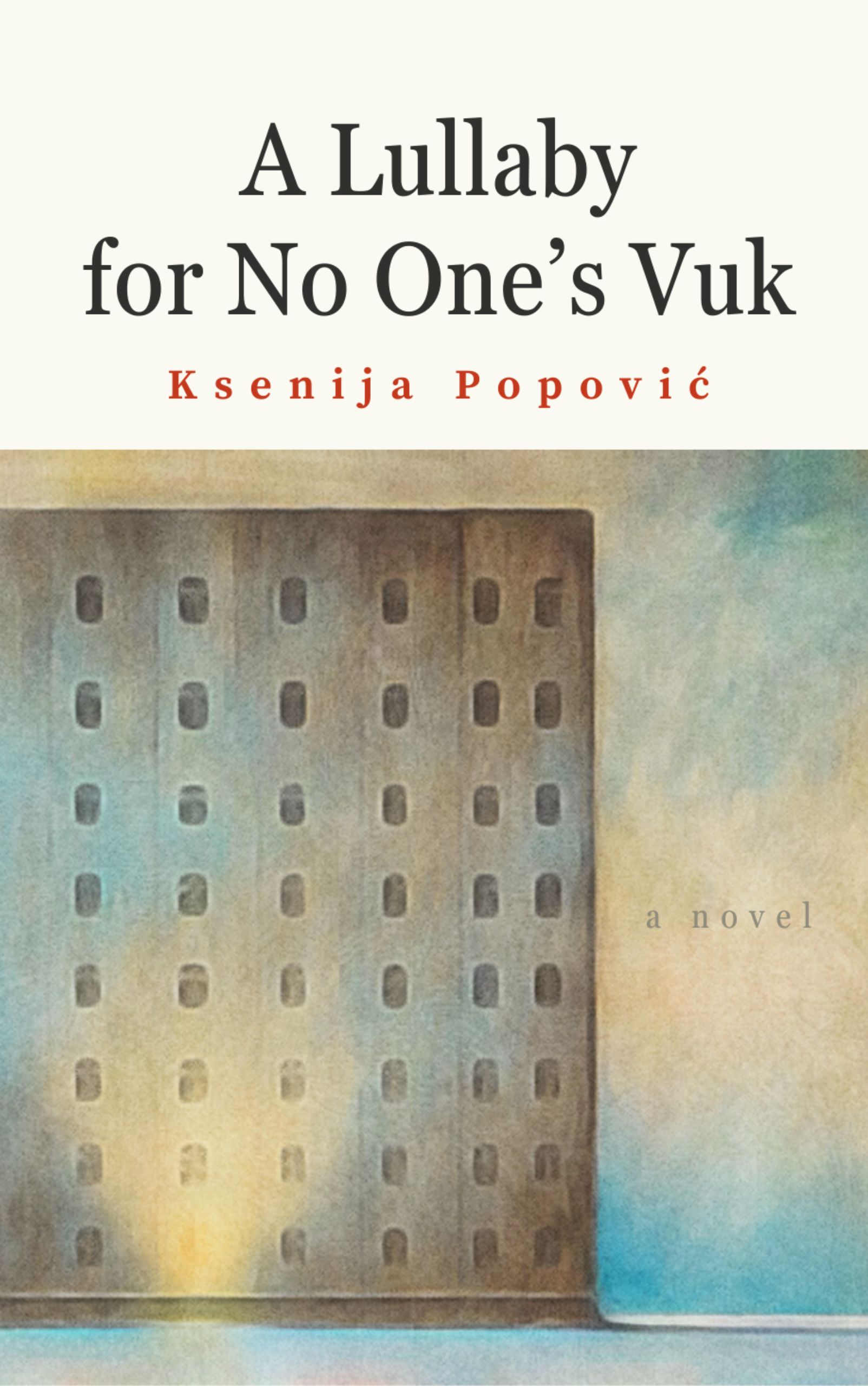
A Lullaby for No One’s Vuk
Author: Ksenija Popović
First published: 2004
Original title: Uspavanka za Vuka Ničijeg
Other titles: A Lullaby for No Man’s Wolf
Genre: Contemporary
Ksenija Popović tells a coming of age tale about young people growing up in a Home for Children without Parental Care, and fighting to defeat the terrible odds that are predetermined for them. Through the tragic events surrounding the true hero of her story, Vuk, a charismatic boy that Klara is unable to not love, she is forced to come to terms with the life she was hiding from, decisions and consequences, and the inevitability and complexity of human interaction.
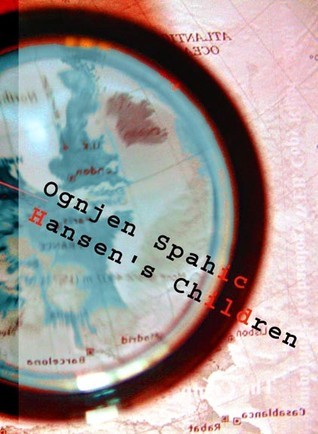
Hansen’s children
Author: Ognjen Spahić
First published: 2004
Original title: Hansenova djeca
Genre: Modern literary fiction
Ognjen Spahić is the best-known member of the young generation of Montenegrin writers to have emerged since the collapse of former Yugoslavia, so I’m including his novel here, even though it is actually set in Romania.
It is the end of the 1980s, and Europe is about to change forever; in a corner of Romania, two men await their fate as their reality literally begins to fall apart. Unafraid to speak the truth, Spahić takes us on a journey through the revolution, changing our way of seeing this chapter of history while simultaneously challenging our own sense of identity. As much about the fall of Communism as it is about the continuing disparity between West and East, Hansen’s Children simply cannot fail to move you.
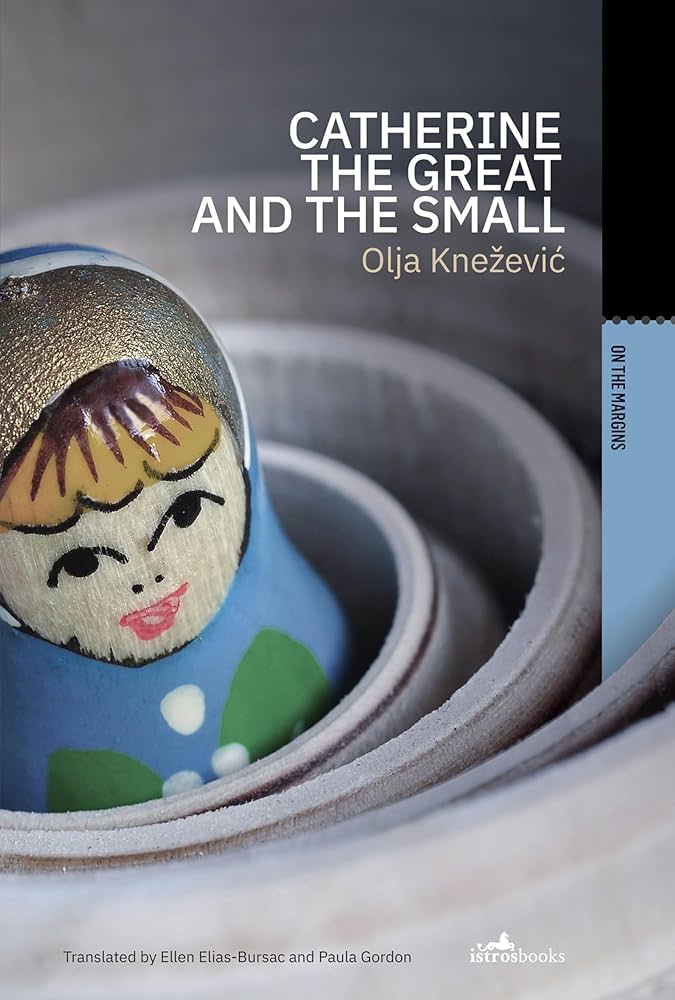
Catherine the Great and the Small
Author: Olja Knežević
First published: 2019
Original title: Katarina Velika i mala
Genre: Contemporary feminist fiction
Catharine’s tragectory in life is accompanied by failures in love, family traumas and an incredible romance with handsome Sinisa. The novel takes us through turbulent times in the Balkan region, from the eighties to the present day, portraying growing up in the twilight of communism, and giving intimate insights into all that happened to the region after that.
Carefully crafted characters and masterful, dynamic storytelling place Catherine the Great and the Small in the company of the very best of novels, which speak about the reality of their geographic setting and are remembered for their convincing, strong, maladjusted characters. Catherine is certainly one of them: a powerful female voice seeking her place within her family, among friends, in the cities she lives in, and constructing her unique identity as a daughter, granddaughter, friend, mistress, wife and a mother.
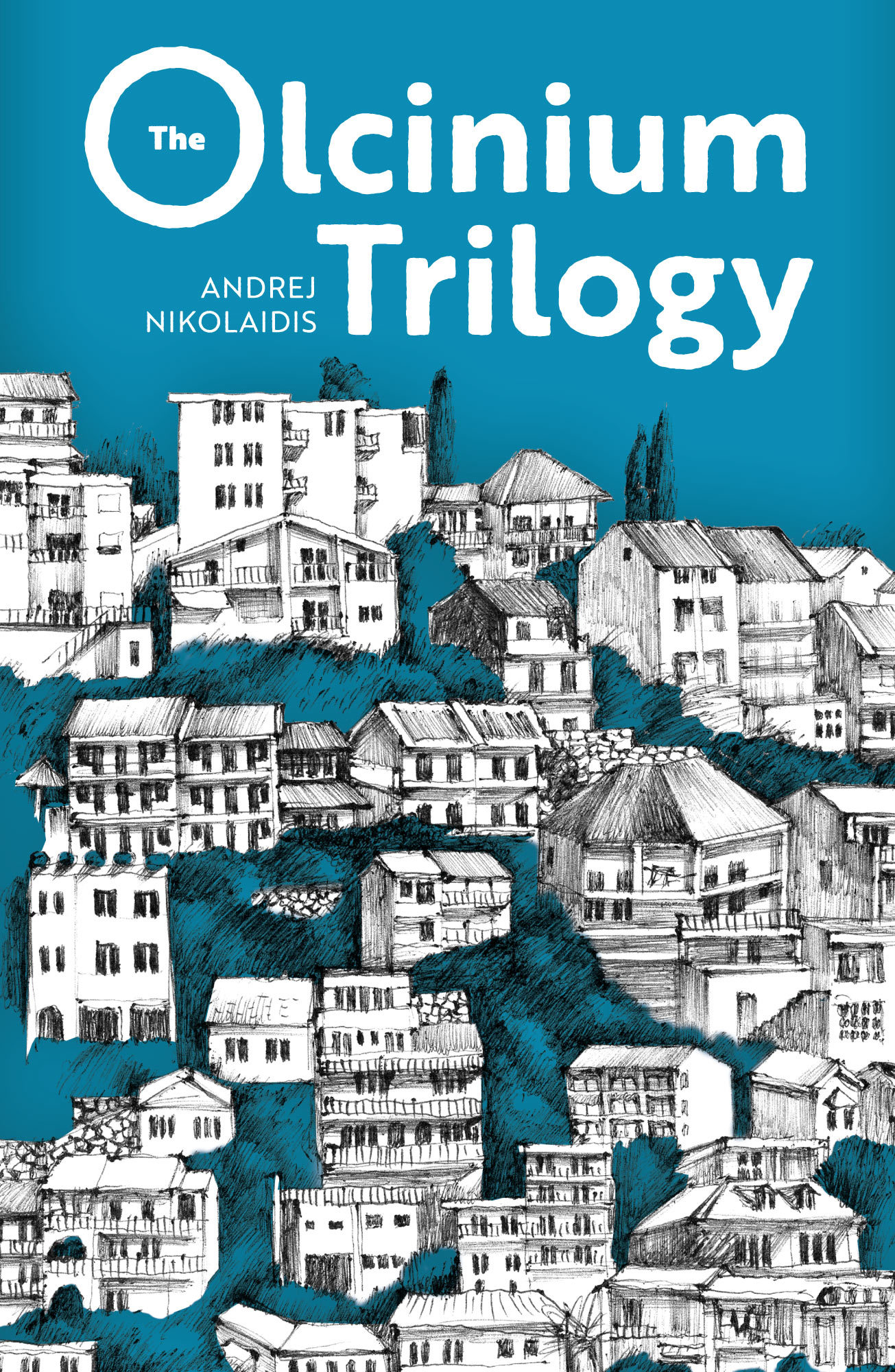
The Olcinum Trilogy
Author: Andrej Nikolaidis
First published: (2009–2014)
Original titles: Mimesis, Son, Till Kingdom Come
Genre: Contemporary fiction / noir / philosophical
The Olcinium Trilogy brings together three of Nikolaidis’ short novels: The Son, The Coming and Till Kingdom Come, which together encompass an apocalyptic vision of the ancient town coastal town of Ulcinj, a faded resort full of secrets, cynicism, and ghosts — literal and metaphorical. A town where mystics have prophesized, regimes plotted against their citizenry and ordinary people resorted to crime and deceit in order to survive.
Andrej Nikolaidis was born in 1974 in Sarajevo, to a mixed Montenegrin-Greek family. Until the age of six, he lived in the city of Ulcinj, where he returned in 1992 after the war in Bosnia erupted. Like his literary hero, Thomas Bernhard, Nikolaidis’ prose is precise and bitingly funny and his protagonists hopeless misanthropes: from the local sleuth who sacrifices truth for the sake of telling his clients the stories they want to hear to the local reporter who discovers that his own past was concocted by Yugoslav secret services and enters a state of time-traveling paranoia.
Join me, and read a book from Montenegro
Montenegro wasn’t really on my radar before this project, but now I’m genuinely torn about which book to choose. Do I go with darkly philosophical noir? A royal memoir? A feminist story with bite? There’s something oddly satisfying about discovering such a wide range of voices from a place I previously knew nothing about. That is why I love my Borderless Bookshelf!
If you love it too, if any of these books spark your interest, or if you’ve already read something from Montenegro that you’d recommend, I’d love to hear about it. I’ll be picking just one to read, so feel free to help me decide!