
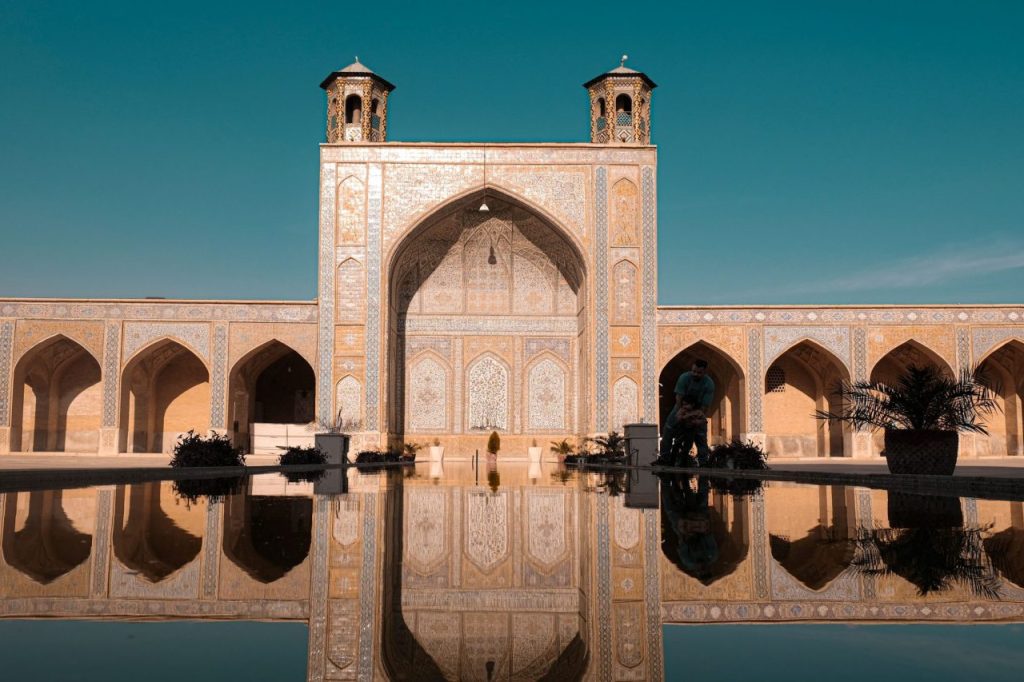
For most of my lifetime, Iran has appeared in the news through revolution, protests, nuclear negotiations, sanctions, religious rule and conflict. But countries are never just their headlines, as became abundantly clear when I started putting together my Iranian bookshelf.
Iran has an extraordinary literary tradition to explore.
I deliberately went looking beyond the Iranian books that are most visible in the West. Some of the writers below have left Iran, while others spent their lives writing and publishing there. Some are internationally famous; others are enormously important within Persian literature but far less familiar to English-speaking readers.
The result takes us from surrealist nightmares and sprawling family comedy to wartime Shiraz, working-class Ahvaz, Armenian life in Abadan, forbidden love, ghosts, political prisoners and a secret literature class in Tehran.
Here are ten very different ways into Iran.
A list of books to read from Iran
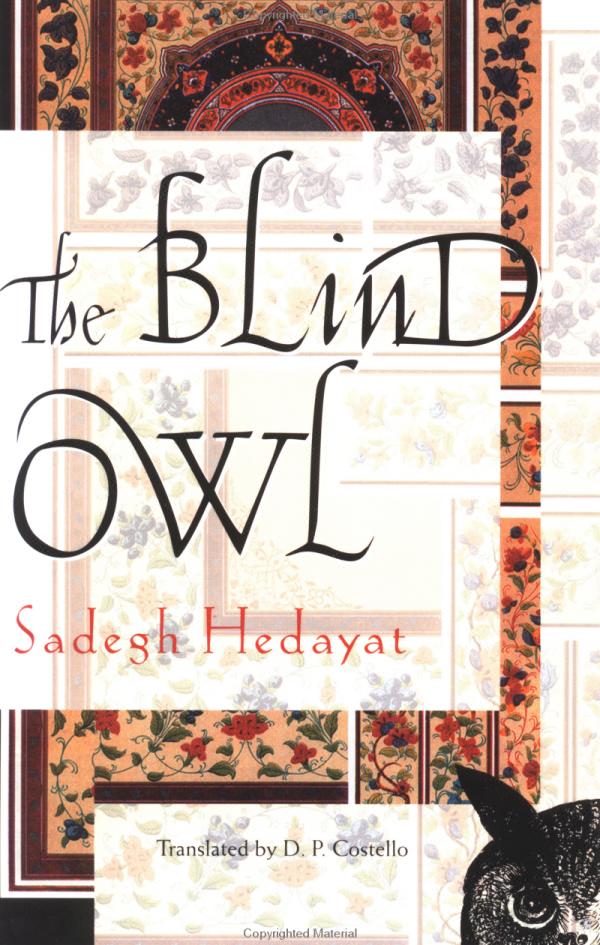
The Blind Owl
Author: Sadegh Hedayat
First published: 1937
Original title: Buf-e Kur (بوف کور)
Genre: Modernist / Surrealism / Psychological
Few journeys through modern Iranian literature can avoid The Blind Owl. First published in the 1930s, Hedayat’s short, strange novel has become one of the landmarks of twentieth-century Persian literature.
Its unnamed narrator is an isolated pen-case painter haunted by recurring images: a beautiful woman, an old man, a cypress tree. Reality, memory and hallucination begin bleeding into one another in a story filled with obsession, death, opium and madness.
At barely more than 100 pages in many editions, it certainly isn’t the biggest book here. It may well be the weirdest.
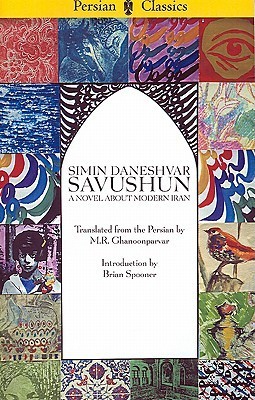
Savushun
Author: Simin Daneshvar
First published: 1969
Original title: Savushun (سووشون)
Genre: Historical Fiction / Social Realism
If you like historical fiction where enormous political events are experienced through one family and, particularly, through the women trying to hold that family together, this could be the one to reach for.
This takesus to Shiraz during the Allied occupation of Iran in the Second World War.
Zari wants to protect her home and family while her idealistic husband, Yusof, increasingly refuses to cooperate with the foreign forces and local authorities around him. Politics gradually becomes impossible to keep outside the walls of their home.
Published in 1969, Savushun was the first novel published by an Iranian woman and became one of Iran’s most widely read novels.
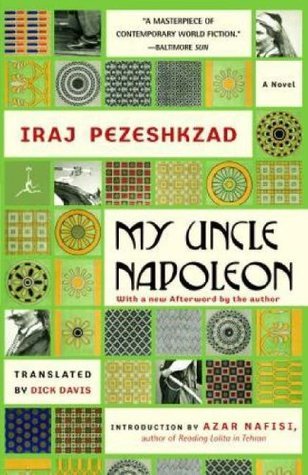
My Uncle Napoleon
Author: Iraj Pezeshkzad
First published: 1973
Original title: Dā’i Jān Nāpoleon (دایی جان ناپلئون)
Genre: Satire / Comic
Time for something considerably less solemn.
Set largely within the homes and gardens of an extended Tehran family, My Uncle Napoleon is narrated by a teenage boy who has fallen hopelessly in love with his cousin. Unfortunately, the adults around them are busy feuding, scheming, falling in and out of love and indulging the increasingly ridiculous convictions of the family patriarch: Dear Uncle Napoleon.
He is obsessed with Napoleon Bonaparte and convinced that the British are behind practically everything that has ever gone wrong in his life.
It’s a comedy of family, class, sex, paranoia and Iranian society, and its enormously popular television adaptation helped turn its characters and expressions into part of Iranian popular culture.
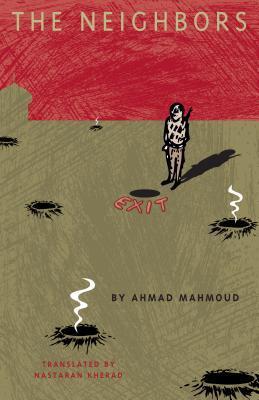
The Neighbors
Author: Ahmad Mahmoud
First published: 1974
Original title: Hamsāyeh-hā (همسایهها)
Genre: Social Realism / Coming-of-age / Political Fiction
Now we leave Tehran behind and head south to Ahvaz.
Khaled is a young man growing up in a crowded house shared by several families. His world gradually expands beyond his immediate neighbourhood as he encounters poverty, inequality, political activism and the turbulent politics of 1950s Iran.
Ahmad Mahmoud was known particularly for writing about working-class life in southern Iran, making The Neighbors a useful counterweight to the more comfortable households elsewhere on this list.
This is both a coming-of-age story and a portrait of a society changing around its young protagonist.
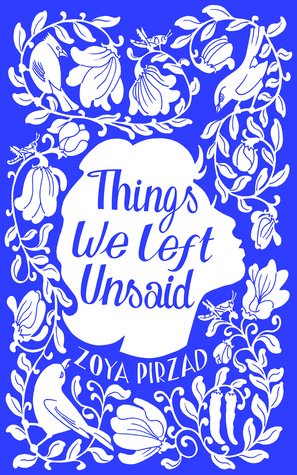
Things We Left Unsaid
Author: Zoya Pirzad
First published: 2001
Original title: Cherāgh-hā rā man khāmush mikonam (چراغها را من خاموش میکنم)
Genre: Literary Fiction
We stay in southern Iran, but move from working-class Ahvaz to a very different world in Abadan.
Clarisse is an Armenian-Iranian wife and mother whose days revolve around her husband, three children, mother, sister, friends and household routines. Then a new family moves in across the street, and the arrival of an attractive widower begins to disturb the careful balance of her life.
Originally published in Persian as I Will Turn Off the Lights, Zoya Pirzad’s novel became a bestseller in Iran. Its focus on the Armenian community also introduces a minority perspective missing from the other books here.
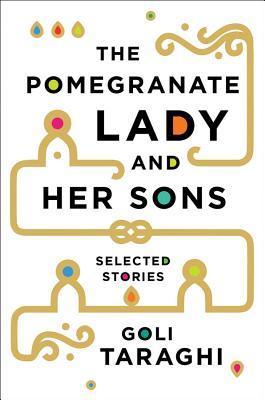
The Pomegranate Lady and Her Sons
Author: Goli Taraghi
First published: 2007 (Persian collection)
Original title: Anār Bānu va pesarhāyash (انار بانو و پسرهایش)
Genre: Short Stories / Literary Fiction
Goli Taraghi’s stories move between Tehran, Paris and elsewhere, drawing on childhood, revolution, migration, memory and return. Her characters are funny, frustrating, melancholy and wonderfully eccentric.
In the title story, a woman travelling from Tehran to Paris finds herself responsible for an elderly Iranian woman trying to reach her fugitive sons in Sweden; elsewhere we meet a remarkably courteous thief and a woman who encounters her former maid under dramatically changed circumstances.
Together, the stories offer glimpses of Iranian lives rather than one grand narrative of the country.
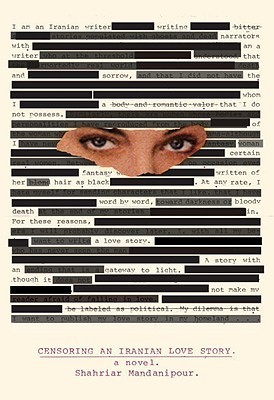
Censoring an Iranian Love Story
Author: Shahriar Mandanipour
First published: 2009
Original title: Censoring an Iranian Love Story
Genre: Literary fiction / Romance / Metafiction
Sara and Dara are trying to fall in love in Tehran.
Unfortunately, their author is trying to write about them.
And the censor is watching.
Shahriar Mandanipour builds a love story while simultaneously showing us the story being altered, deleted and negotiated. The young lovers communicate through coded messages and the internet while their fictional creator worries about what he can actually put on the page. Mandanipour himself had periods when his fiction could not be published in Iran.
The result is romance, satire and metafiction rolled together.
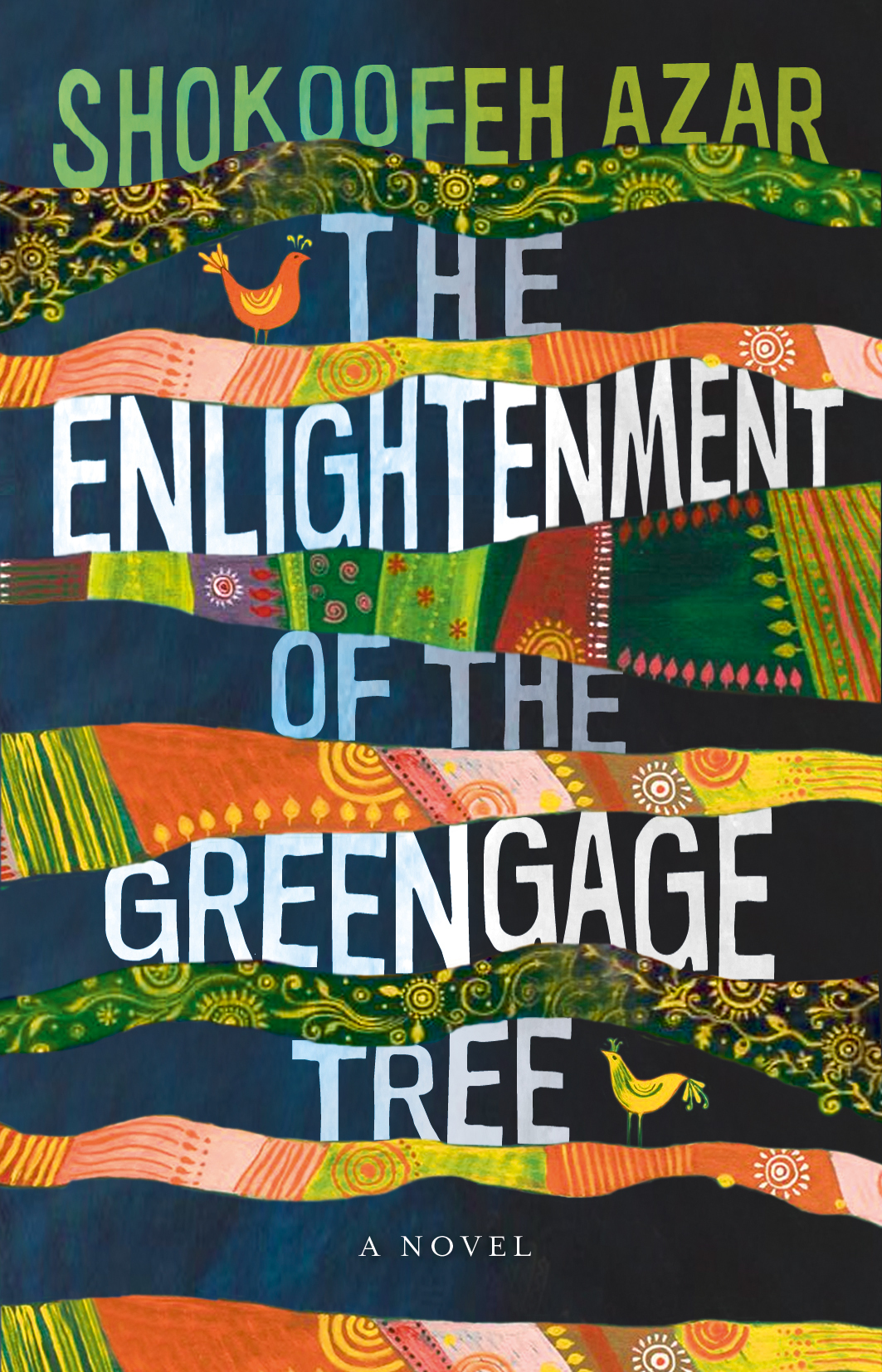
The Enlightenment of the Greengage Tree
Author: Shokoofeh Azar
Genre: First published: 2017
Original title: The Enlightenment of the Greengage Tree
Genre: Magical realism / literary fiction / historical fiction
And now things get considerably stranger again. If you like magical realism, folklore and novels where ghosts are every bit as real as the living, I’ve got just the one for you!
After the 1979 Revolution, a family flees Tehran for a village in northern Iran. Their story is narrated by thirteen-year-old Bahar — who happens to be dead.
From there, The Enlightenment of the Greengage Tree mixes the upheavals of modern Iranian history with ghosts, jinn, mythology, magical transformations and Persian storytelling traditions. Written in Persian by Shokoofeh Azar, it was later published in English in an anonymous translation and shortlisted for the International Booker Prize.
This is Iranian history seen through a decidedly magical lens.
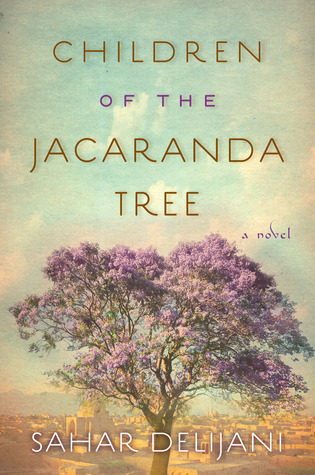
Children of the Jacaranda Tree
Author: Sahar Delijani
First published: 2013
Original title: Children of the Jacaranda Tree
Genre: Historical fiction / Family Saga
The Revolution and its aftermath also sit at the heart of Sahar Delijani’s Children of the Jacaranda Tree, but here the focus is on what political violence leaves behind.
The novel begins inside Tehran’s Evin Prison, where women give birth while incarcerated and young children are separated from imprisoned parents. It then follows the next generation as they grow up carrying memories, silences and losses that began before they were old enough to understand them. Delijani drew partly on her own family’s experiences as political activists and prisoners in Iran.
This one is slightly different for me because I actually read it many years ago. And it has apparently stayed with me enough that, when I began putting together this list, I knew I wanted to include it.
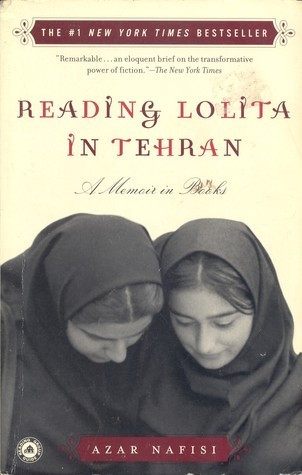
Reading Lolita in Tehran: A Memoir in Books
Author: Azar Nafisi
First published: 2003
Original title: Reading Lolita in Tehran: A Memoir in Books
Genre: Nonfiction / Memoir / Literary Criticism
Every Thursday morning, literature professor Azar Nafisi gathered seven of her former female students in her Tehran home. There, away from the university and its restrictions, they could remove their veils, drink tea, talk freely and discuss books by writers including Nabokov, Fitzgerald, James and Austen.
But Reading Lolita in Tehran reaches far beyond those meetings. Nafisi looks back at her years teaching literature before and after the Iranian Revolution, living through the Iran-Iraq War and watching the freedoms of women increasingly restricted. At the centre of it all are books: what we find in them, how differently we read them depending on the world around us, and whether fiction can offer a kind of private freedom when public freedom is limited.
It’s also an interesting counterpoint to the fiction elsewhere on this list. Here, Western classics become a way of exploring Iranian lives rather than Iran itself being turned into the subject of a novel.
Join me, and read a book from Iran
So, what is Iran behind the headlines?
There is Hedayat’s dark and surreal Iran, Daneshvar’s wartime Shiraz and Pezeshkzad’s gloriously ridiculous Tehran family. There are workers and political activists in Ahvaz, Armenian housewives in Abadan, young lovers trying to evade a censor, ghosts wandering through the aftermath of revolution, children inheriting their parents’ losses and a literature professor teaching girls forbidden literature.
Some of these books were hugely successful inside Iran. Others were written from exile or became much better known internationally. Some confront politics directly; in others it sits quietly in the background while people fall in love, argue with their families, become bored with their marriages or try to get an elderly lady and her luggage onto the right plane.
What will it be? Which one would you choose?


For Iran, so far I’ve only read Marjan Kamali’s Together Tea: A Heartwarming Debut of a Mother and Daughter’s Journey Through Persian Culture to Love and Understanding. I bet this is one of ‘the Iranian books that are most visible in the West’ you were talking about. I liked that it shows life in Iran before and during the revolution and then 18 years later (the mother and daughter were in the US in between) and I was surprised at how many freedoms they had had before.
I’m looking forward to choosing one of the ten books you’ve highlighted to read. Once again, some enticing ones are in my library!