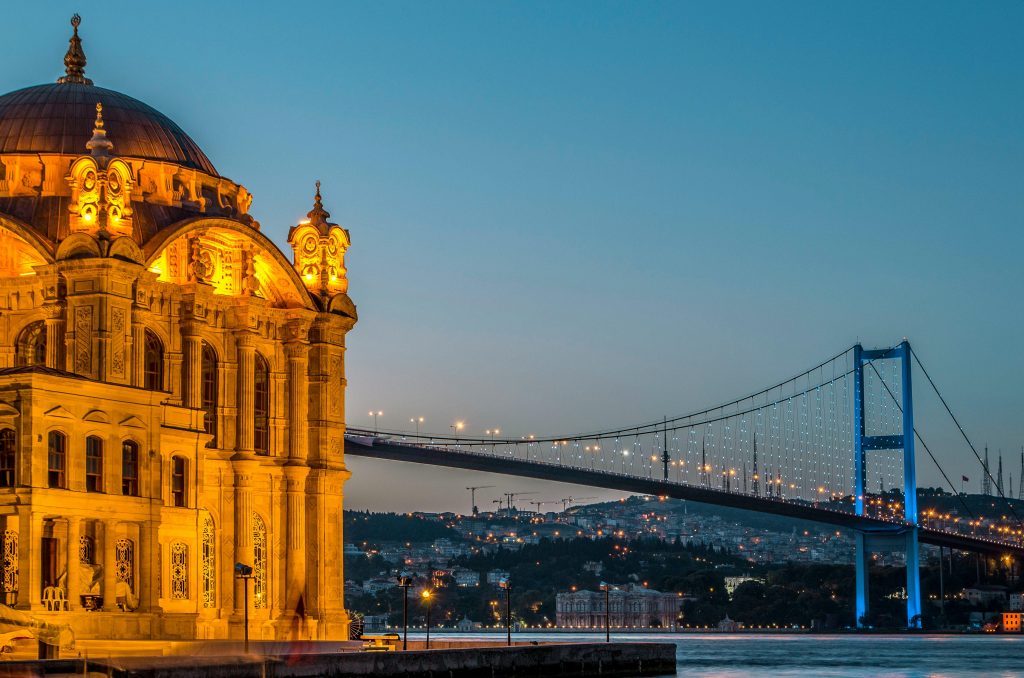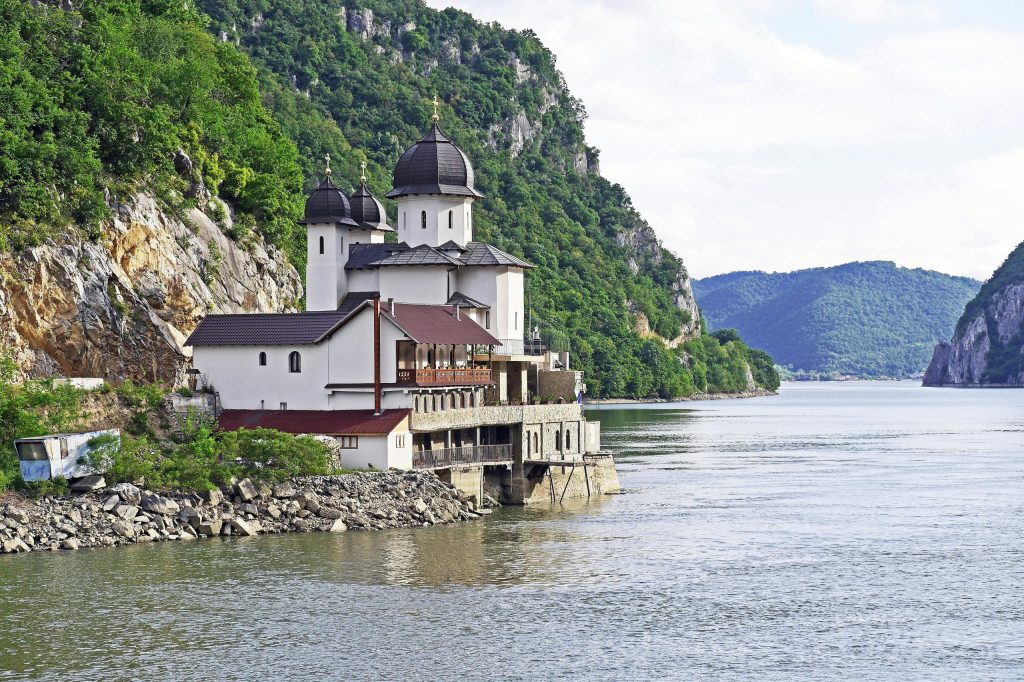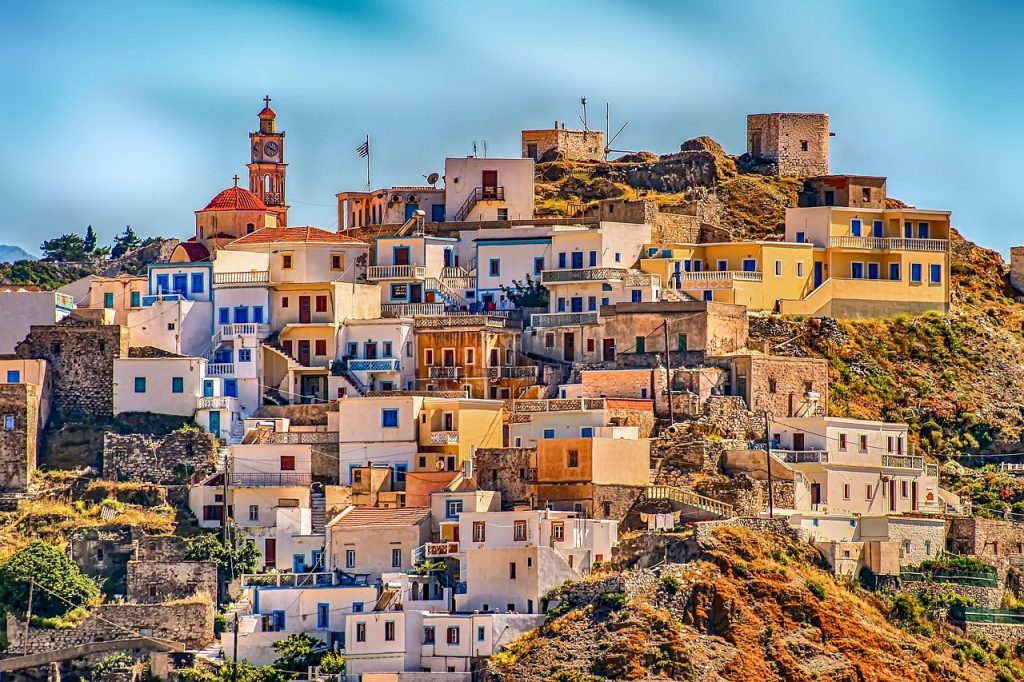
After wandering through the shifting borders and tangled histories of the post-Yugoslav countries, it’s time to complete my journey through the Balkans and Southeastern Europe. It’s a bit of a hotchpotch region really, but I’ve grouped these five countries together to finish up this corner of the world for myself.
So join me this coming month as I read books from Romania, Bulgaria, Albania, Greece and Cyprus.
I’ve actually stood in some of these places myself: I have gazed up at Dracula’s castle in Romania, and soaked in the sun on the Greek islands of Crete and Santorini. Albania, Bulgaria, and Cyprus, on the other hand, are completely blank pages in my mind. And when it comes to books, I can’t recall having read a single one from this part of the world (unless you count the ancient Greeks force-fed to me in high school).
So where exactly are we going?
We’re heading to the southeastern corner of Europe. The region stretches from the Carpathian Mountains of Romania down to the Aegean islands of Greece and Cyprus, with Bulgaria and Albania tucked in between.
To the north lies the Danube River, which has long marked a rough boundary between Central Europe and the Balkans. To the east, the Black Sea connects Romania and Bulgaria to wider trade routes, while to the south the Aegean and Mediterranean Seas wash up against Greece and Cyprus, and Albania looks westward across the Adriatic toward Italy.
In other words: these are lands perched at the crossroads of Europe, Asia, and the Middle East, a meeting point of mountains, seas, and cultures.
Romania
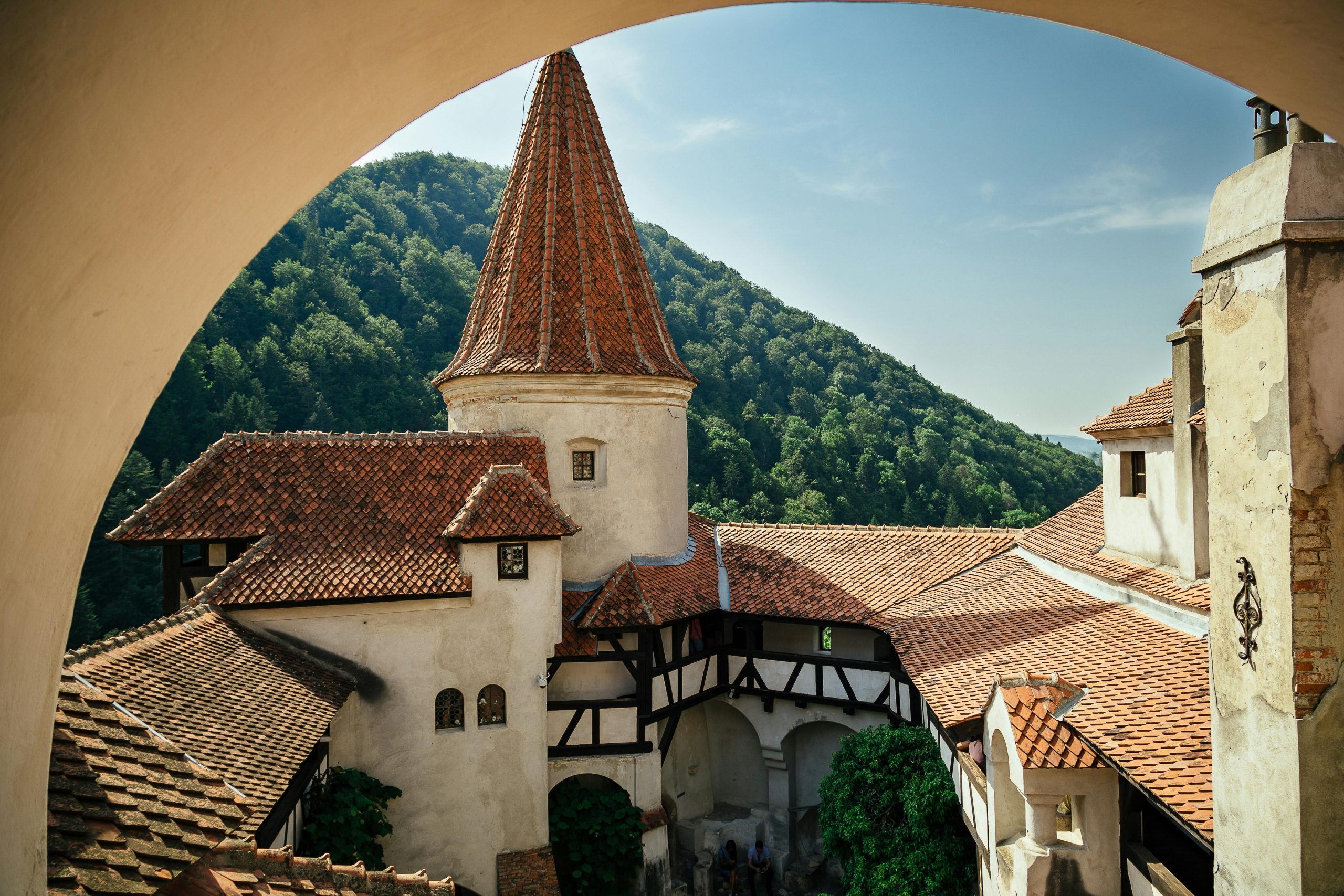
Home to the Carpathian Mountains and the region of Transylvania, Romania is often wrapped in gothic mist and Dracula lore. But it’s also a country of medieval towns, painted monasteries, and wide stretches of the Danube Delta.
Its language is a Romance one, closer to Italian than its Slavic neighbors. Romania’s literature often weaves together folklore, rural life, and reflections on its communist past.
See my suggestions for books to read from Romania here!
Bulgaria
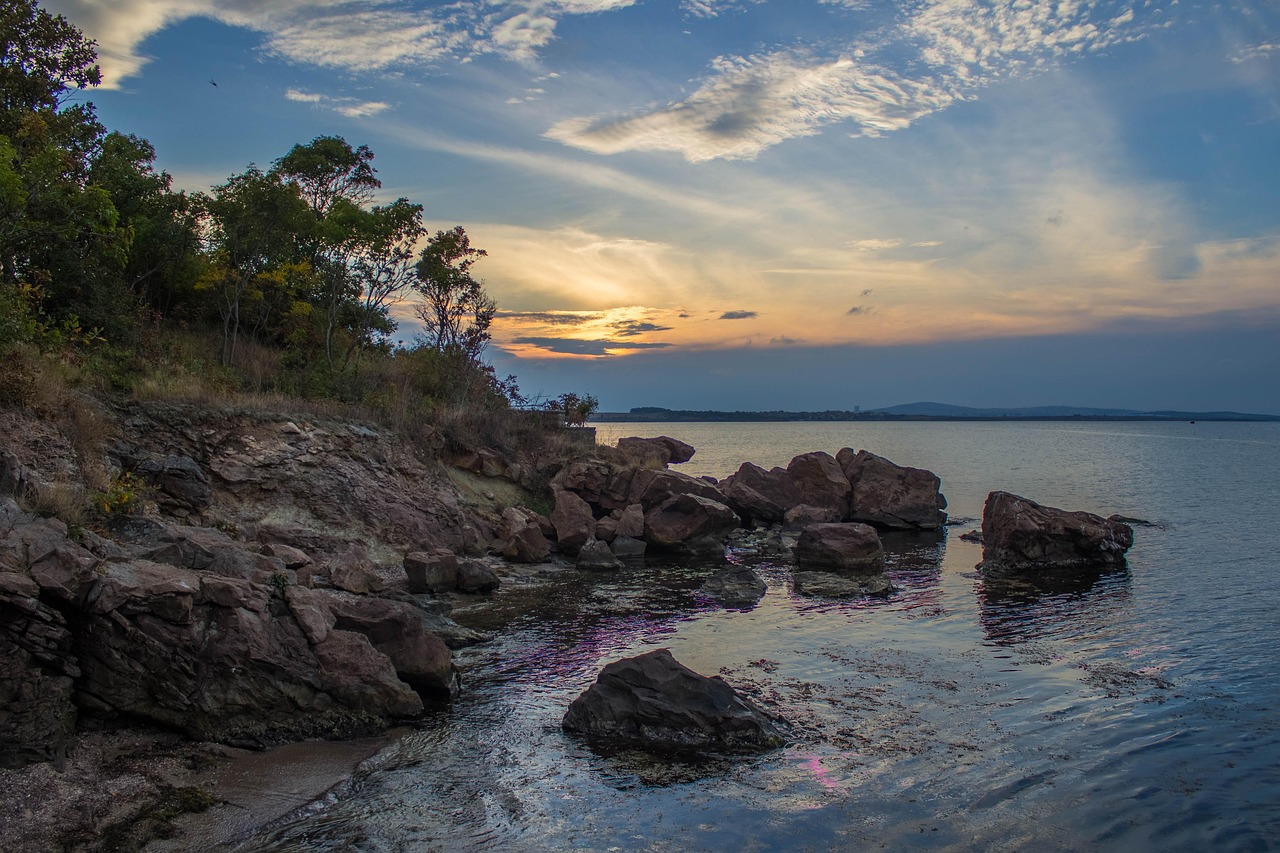
Bulgaria is one of Europe’s oldest states, tucked between the mountains and the Black sea. Sofia, its capital, has Roman ruins running under its metro stations, and the countryside is dotted with rose fields (Bulgarian rose oil is world-famous). Cyrillic script was first developed here in the 9th century, spreading across much of Eastern Europe.
See my suggestions for books to read from Bulgaria here!
Albania
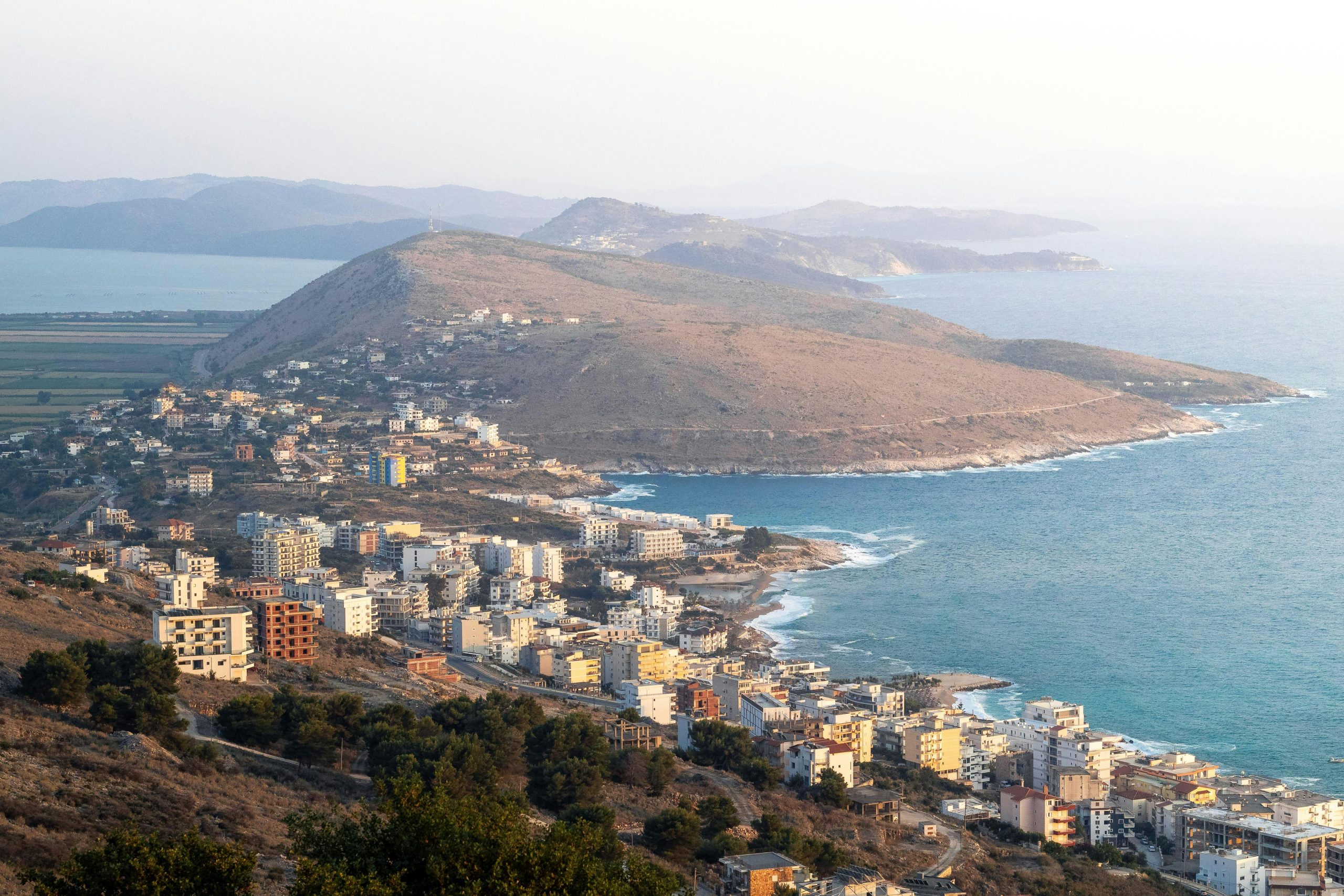
For much of the 20th century, Albania was almost completely closed off under an isolationist communist regime, but now its beaches are beginning to attract more tourists. Today it’s known for its dramatic mountain landscapes, Ottoman towns, and a rich tradition of epic poetry and storytelling.
See my suggestions for books to read from Albania here!
Greece
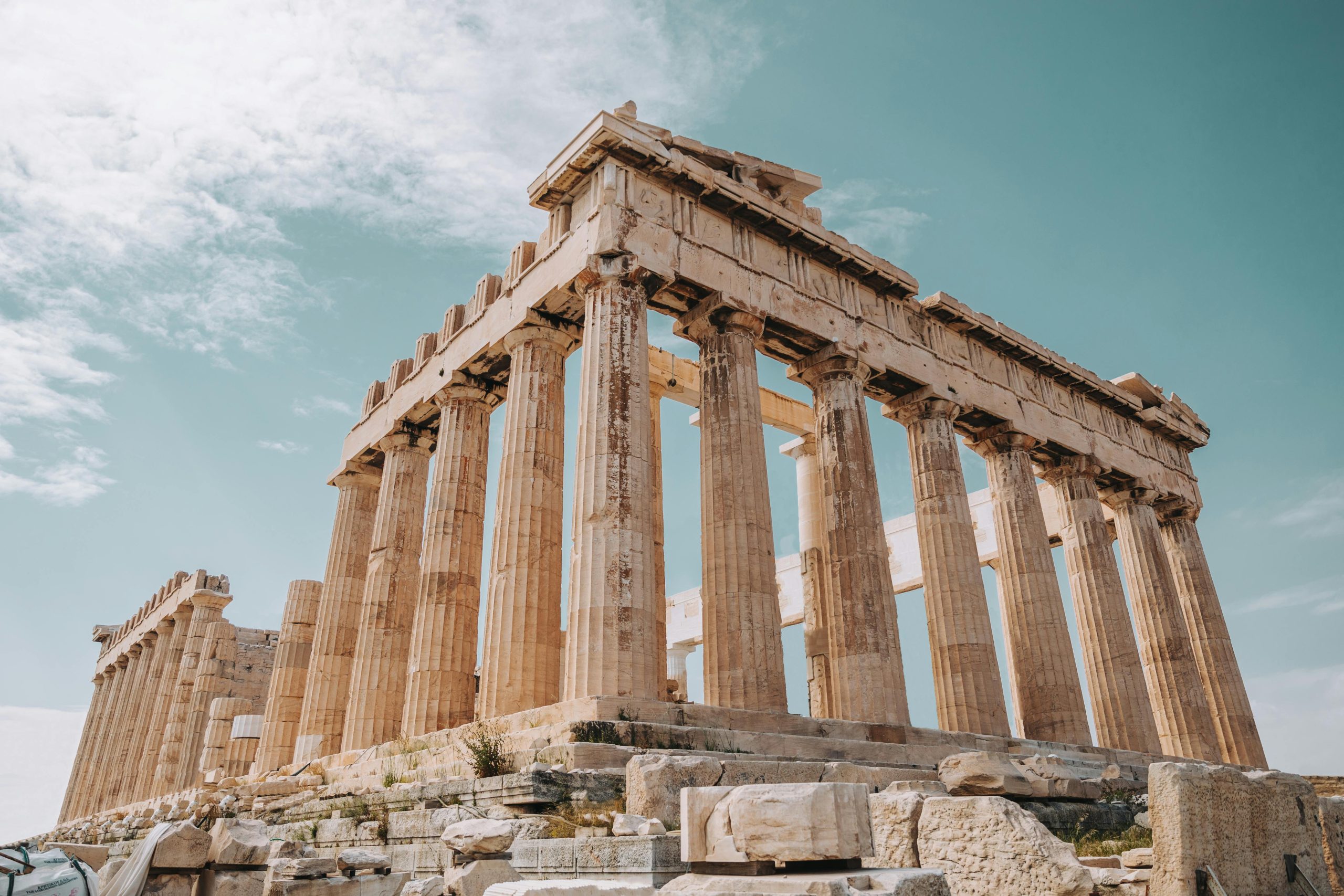
Greece hardly needs an introduction. The birthplace of democracy, philosophy, and much of what we call “Western culture,” Greece is a country of ancient ruins, and a patchwork of islands, languages, and histories. Modern Greek literature captures everything from the trauma of war to the everyday rhythms of island life.
See my suggestions for books to read from Greece here!
Cyprus
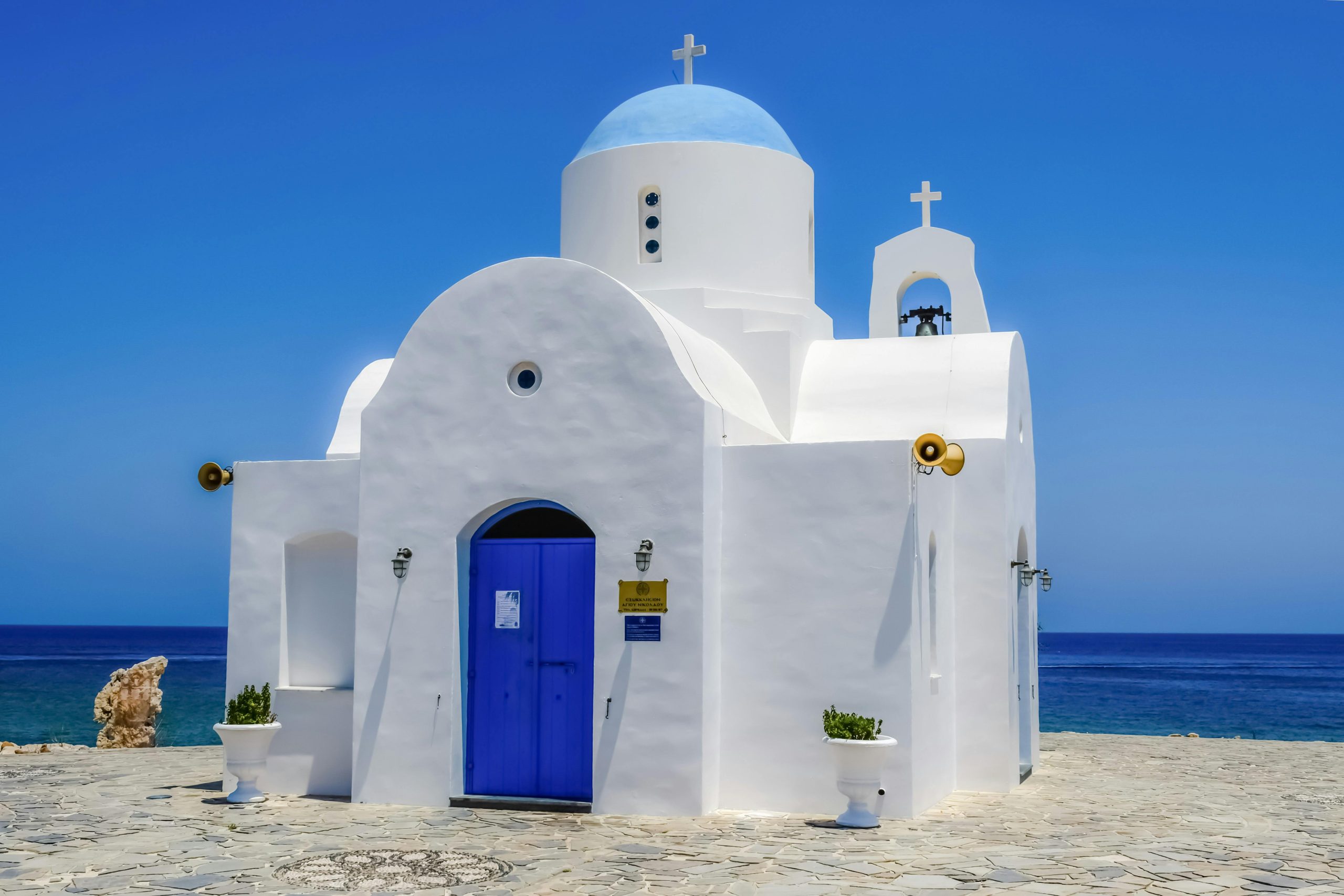
And finally to wrap up this corner of the world, I will visit Cyprus. An island at the crossroads of Europe, Asia, and Africa, shaped by Greek and Turkish cultures, and by centuries of outside rule, from Venetians to Ottomans to the British. Since 1974, it has been divided into a Greek Cypriot south and a Turkish Cypriot north. Its literature often reflects this divided identity, along with the island’s Mediterranean traditions. Technically Cyprus is geographically in Asia, but its close ties to Europe made me include it here.
See my suggestions for books to read from Cyprus here!
A very brief history of the region
I usually start these region intros with a little history section, but trying to write a neat history of this corner of Europe is almost impossible. It’s a patchwork of peoples and powers, more often divided than united, and every border shift has left its mark. Still, a few threads do run through the story.
The Byzantine Empire once tied much of the region together, with Constantinople (today’s Istanbul) as its center. When Byzantium fell, the Ottoman Empire swept in, ruling over Bulgaria, Albania, Greece, and parts of Romania for centuries. Ottoman legacies still linger in food, architecture, and music in all of this region.
To the north, the Austro-Hungarian Empire extended its reach, while Russia often loomed as an outside influence. In the 19th and early 20th centuries, national independence movements reshaped the map: First Greece in the 1820s, Then Romania and Bulgaria, Albania at the start of the 20th century, and Cyprus only in the 1960s. Each of these countries has wrestled with what it meant to be itself after so long under foreign rule.
The 20th century brought new upheavals. Wars and shifting alliances left deep scars. Most of these nations spent decades under communist regimes and authoritarianism. From Ceaușescu’s Romania to Enver Hoxha’s isolated Albania.
Greece, in contrast, experienced a brutal civil war and a military dictatorship before returning to democracy. And Cyprus faced division along ethnic lines, leaving the island split to this day.
It’s a history of crossroads: empires clashing, faiths coexisting uneasily, and small nations caught in the struggles of larger ones. Which makes the literature of the region a mix of looking both inward, at village life and family memory, and outward, at the weight of history pressing in.
Join me as I explore this region
Over the coming five weeks, I’ll be exploring each of these countries in turn. As always starting with a book list and then reading one title from each. So come along as we close the chapter on the Balkans and step into the bright, complicated mosaic of South Eastern Europe.
If you have suggestions for books from the region, that you think I should include, don’t hesitate to tell me in the comments or send me a message!
Let’s put South Eastern Europe on the Borderless Bookshelf one book at a time.