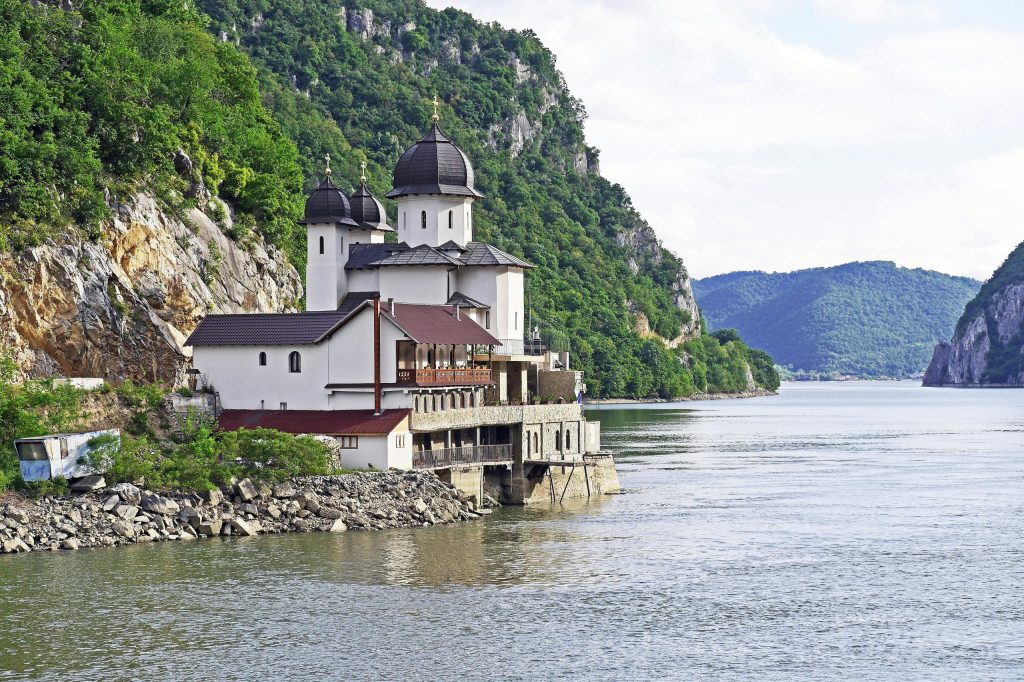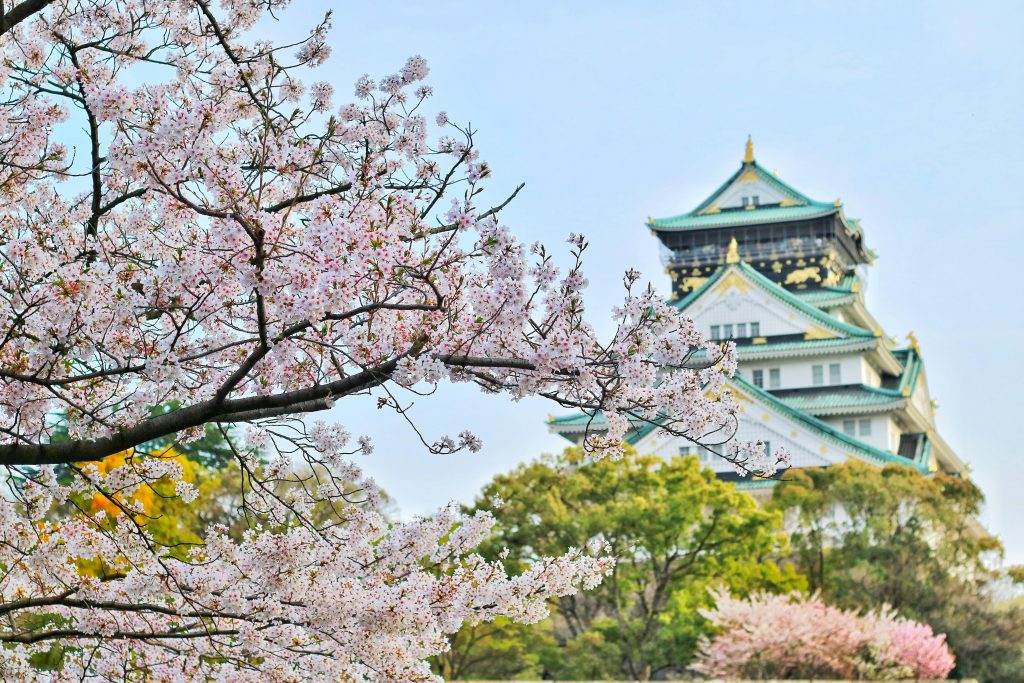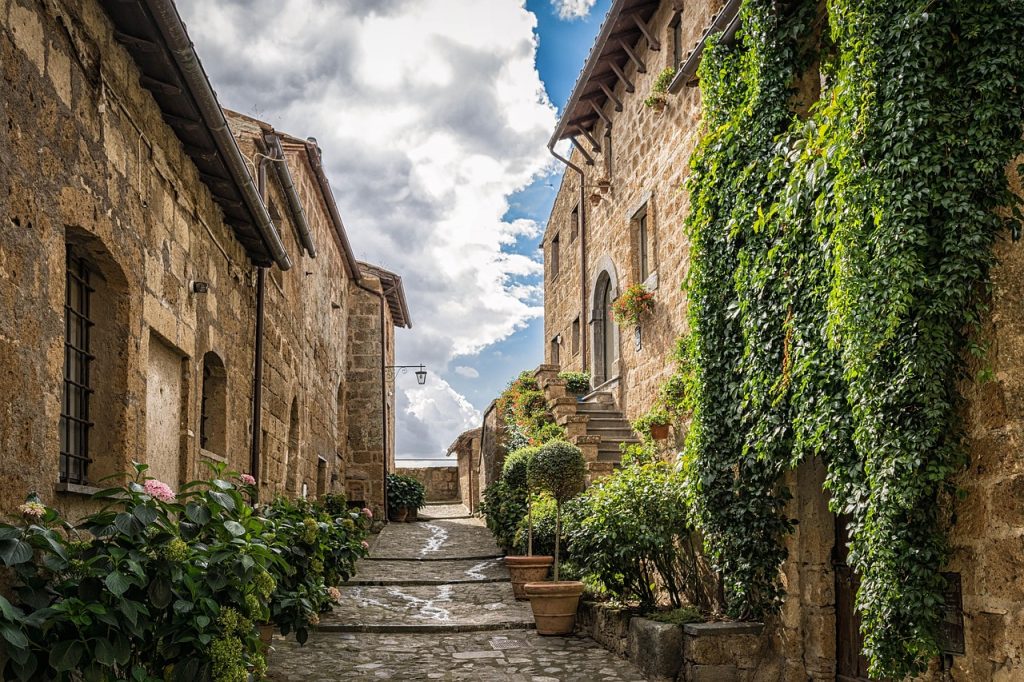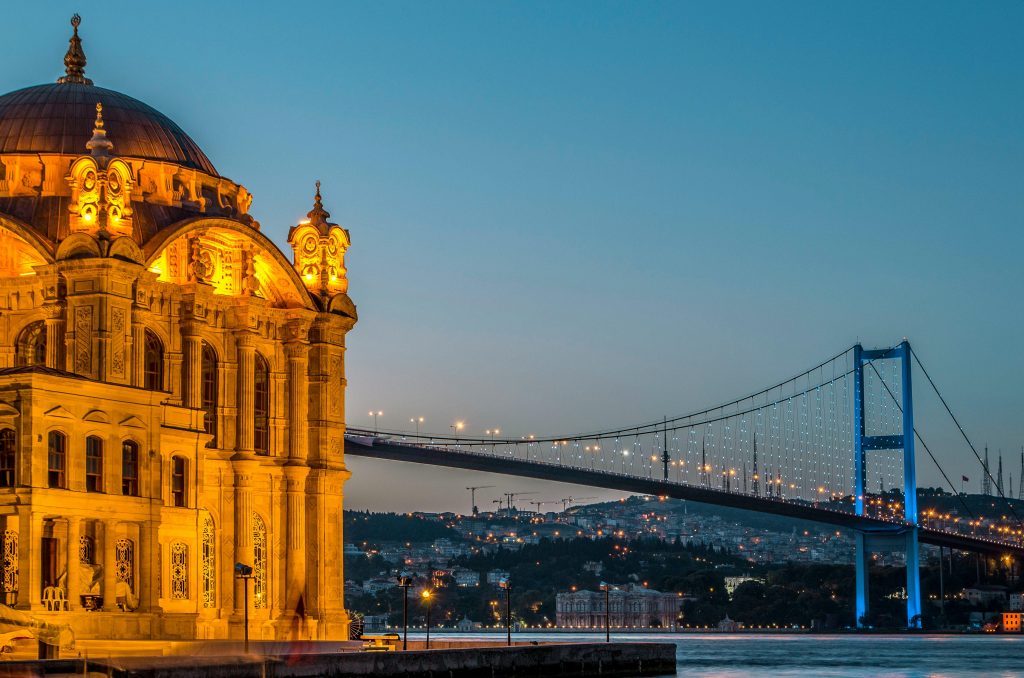
For the next leg of our reading journey, we’re heading somewhere a little hard to pin down on a map.
Welcome to what I’ve decided to call the Transcontinental Mosaic: five countries that sit astride continents, cultures, and histories — Russia, Georgia, Armenia, Azerbaijan, and Turkey (Türkiye).
All of them, in one way or another, exist in the in-between: geographically, culturally, or historically. So grouping them together makes … somewhat sense? Honestly I just had to start somewhere, and a region spanning both continents seems like a good start, no?
This transcontinental region is defined by crossroads and mountain ranges, clashing empires and layered identities, complicated histories and cultural overlaps. It is messy, fascinating, and anything but simple.
I’ve been to both Russia and Turkey in person, and books from these countries have long had a place on my shelves. Georgia, Armenia, and Azerbaijan, on the other hand, were complete blank spots for me until now. They are three countries I couldn’t even confidently locate on a map before I started researching them. I can now, though!
So where exactly are we going?
Geographically, this region sits along the seam where Europe meets Asia. A boundary that’s more conceptual than cartographic.
Russia, the world’s largest country, stretches from Eastern Europe all the way to the Pacific. To the south, the Caucasus Mountains rise like an ancient stone wall, separating Russia from Georgia, Armenia, and Azerbaijan, which cluster together between the Black Sea and the Caspian Sea. All three were once Soviet republics, yet each has developed a strong and distinct identity of its own.
Then there’s Turkey.
I went back and forth for a long time on where to place it. Europe? Asia? The Middle East? Or in a category entirely of its own? In the end, that uncertainty became the reason it belongs here. Turkey doesn’t fit neatly anywhere — and neither does this region. Straddling the Bosphorus, shaped by both East and West, it feels like a natural part of this transcontinental puzzle.
(Also, I reminded myself, literally not a single person will care where I place Turkey).
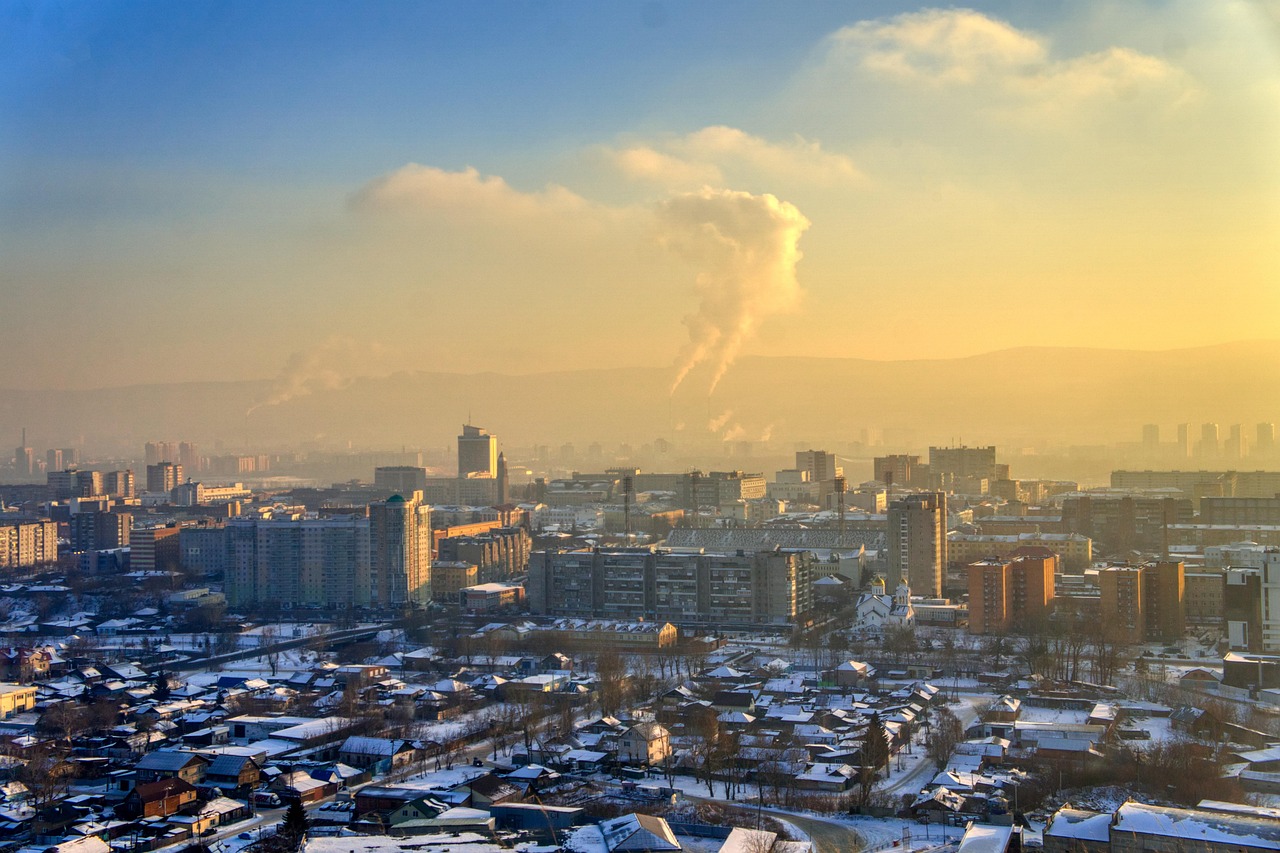
Russia
Russia is a land of extremes. Not just in size, though it is the largest country on earth, covering more than one-eighth of the world’s inhabited landmass, but in landscape and scale. From arctic tundra to endless forests and enormous river systems, it is a country that feels almost impossible to fully grasp. And I know this personally, because I once spent a week on a train traversing most of it!
Russian literature, of course, hardly needs an introduction. Few countries have a canon as monumental as Russia’s: Pushkin, Tolstoy, Dostoevsky, Chekhov. I’ve already read many of the Russian classics, so I may be looking toward more modern voices this time around.
Georgia
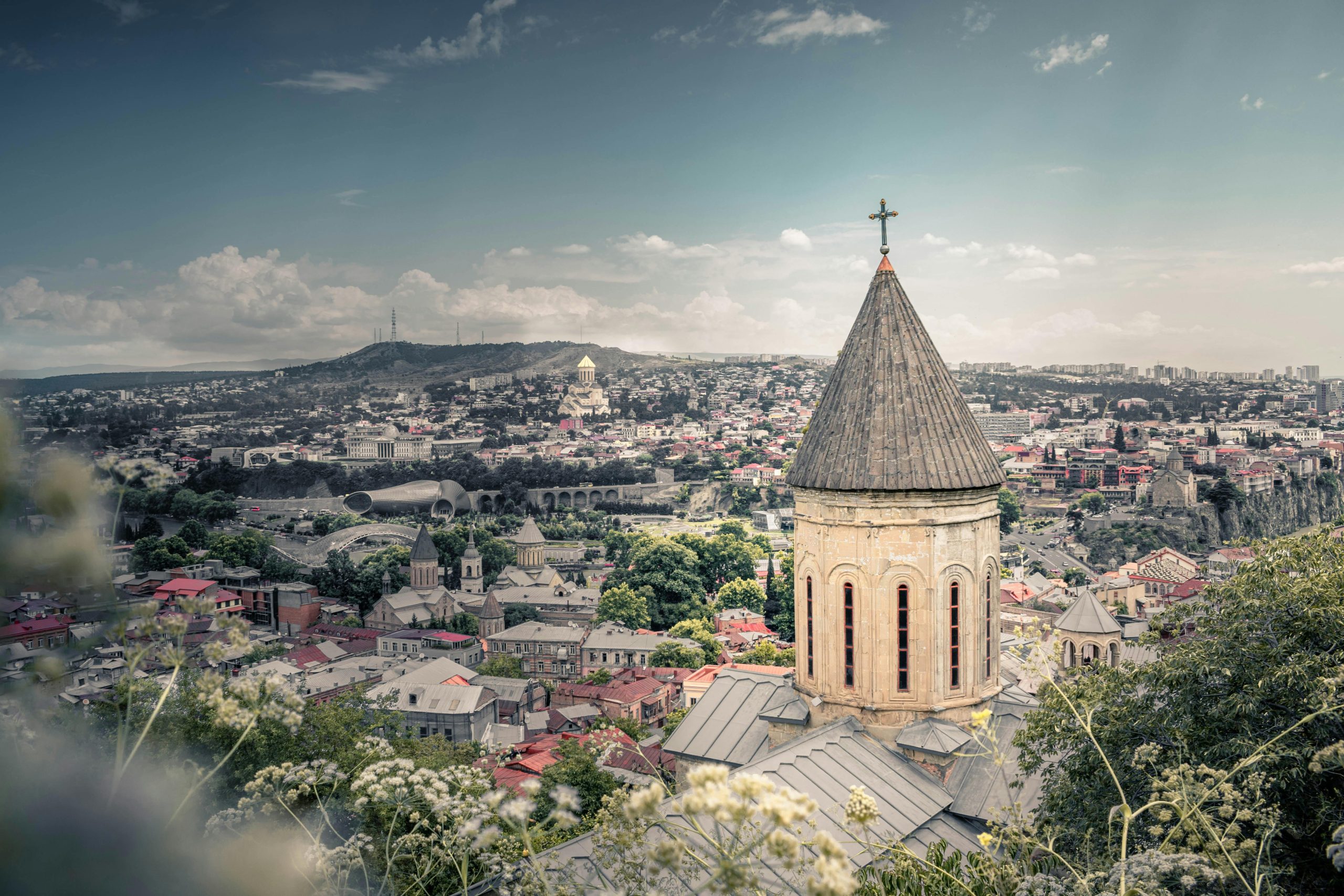
Georgia is one of those countries that seems small on the map but feels vast once you start learning about it. Its landscapes alone are astonishingly varied: the country contains 12 different climate zones, the deepest cave in the world, and Europe’s highest permanently inhabited settlement, the ancient mountain villages of Ushguli at 2,100 metres above sea level.
It’s a place shaped as much by geography as by culture, where mountains have preserved traditions and created a strong sense of identity. And as a historical footnote: Joseph Stalin was born here.
I’ve never read a book from Georgia before, but one has been on my radar for years, so this feels like the perfect opportunity to finally change that.
Armenia
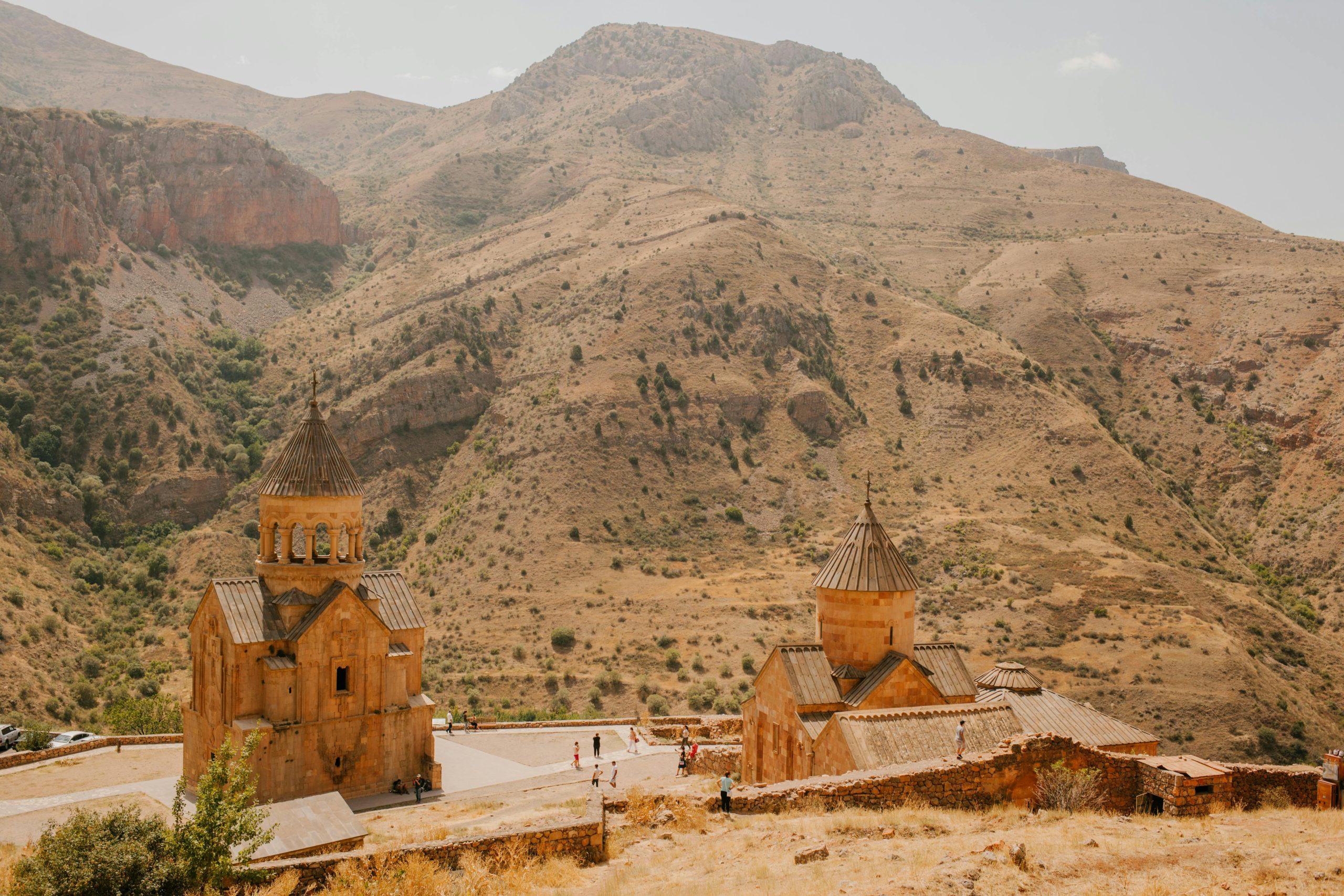
Armenia immediately stands out for one remarkable fact: it was the first nation in the world to adopt Christianity as a state religion. Much of the country lies at high altitude, giving it a rugged, mountainous character that has shaped daily life for centuries.
Its modern identity is also inseparable from the Armenian Genocide of the early 20th century — a defining historical trauma whose impact still shapes Armenian culture, memory, and the way the country understands itself today.
Despite its size and challenging geography, Armenia has shown a striking resilience. It has managed to maintain a functioning democracy and a market economy, while also navigating complex relationships with much larger neighbouring powers. Somehow staying friends with both Russia, Iran and the US is no mean feat!
Azerbaijan
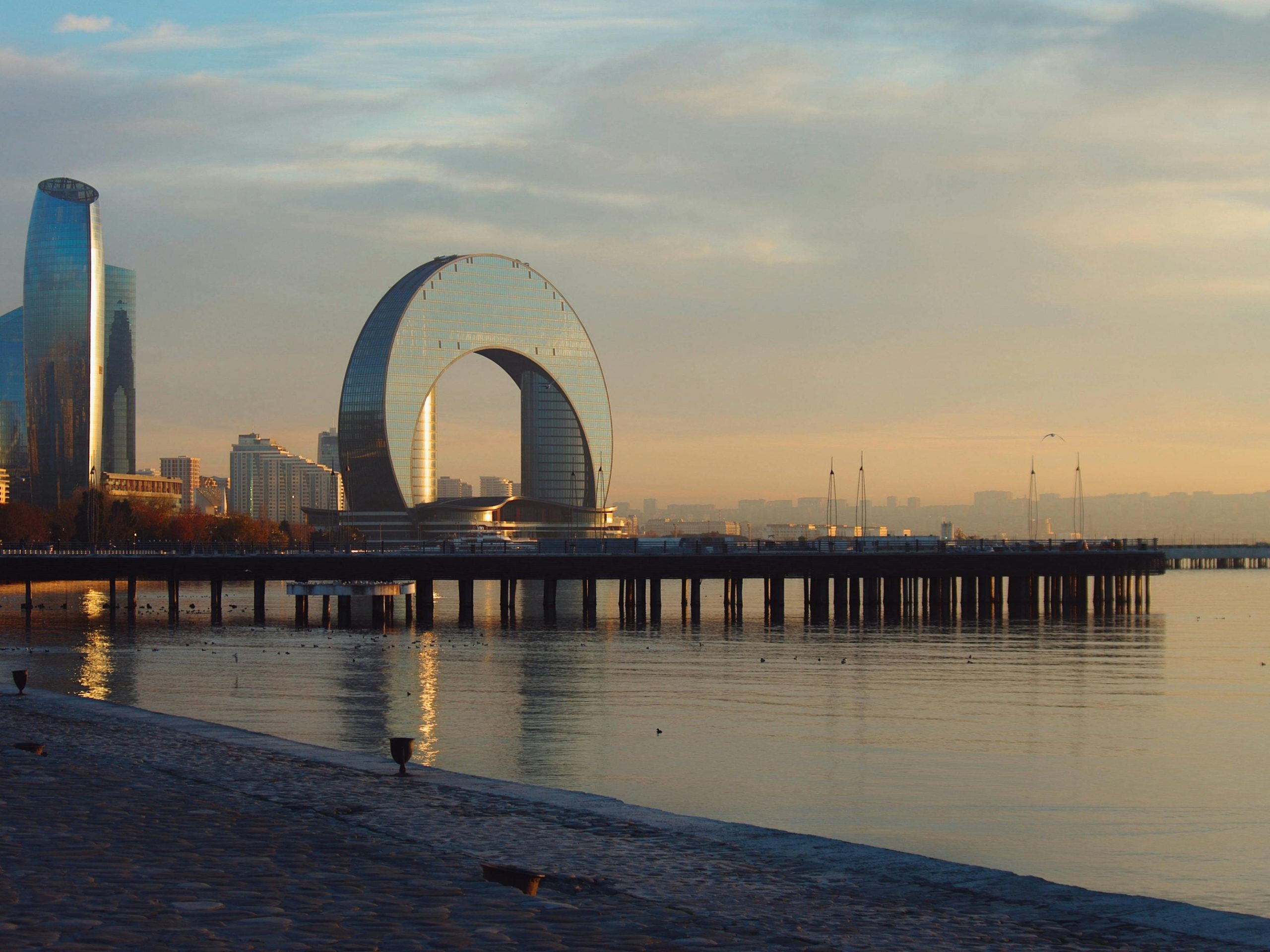
Azerbaijan sits at a cultural crossroads, blending Turkic heritage with a strongly secular state structure. The majority of the population is Muslim, but religion plays a limited role in public life, giving the country a distinctive character within the region.
It’s also a place full of small, surprising details — like the fact that its capital, Baku by the shores of the Caspian sea, is home to the world’s largest collection of tiny 2 mm books. Yes, really.
To me it somehow feels like the first truly Asian country of this journey, and I am very excited to explore.
Türkiye (Turkey)
Turkey (or Türkiye as they like to call it themselves) is, undeniably, the outlier of this group, and yet it fits perfectly.
Straddling Europe and Asia, shaped by both the Ottoman Empire and the modern republic, Turkey has long occupied a space between worlds. Culturally, historically, and geographically, it resists simple classification. It is European, Middle Eastern, and something entirely its own.
The Anatolian peninsula is among the longest continuously inhabited regions on Earth, home to ancient civilisations, biblical landscapes such as Mount Ararat, two of the Seven Wonders of the Ancient World, and Cappadocia’s surreal rock formations which famously inspired the landscapes of Star Wars’ Tatooine.
It’s also a country I’ve visited myself, so it is one I associate with colour, texture, and atmosphere: bustling bazaars, dramatic coastlines, and food I still think about. I’ve read several Turkish novels already, so returning here feels a little like revisiting an old friend.
A very brief history of the region
Long before modern borders were drawn, this part of the world functioned as a meeting point between civilizations. The lands stretching from Anatolia through the Caucasus have always been shaped by movement: traders, armies, religions, and ideas passing through rather than settling neatly in one place.
For centuries, the region sat at the intersection of competing powers. Persian, Byzantine, Arab, Ottoman, and Russian influences all left their mark, creating a landscape where languages, faiths, and traditions layered on top of one another rather than replacing what came before.
By the 19th and early 20th centuries, much of the Caucasus had been absorbed into the Russian Empire, and later into the Soviet Union. Borders hardened, movement was restricted, and local identities were often suppressed in favour of a unified ideology. When the Soviet Union collapsed in 1991, the newly independent states were left to navigate sovereignty, unresolved conflicts, and the challenge of redefining themselves after decades of central control.
Turkey’s path was different. Never part of the Soviet sphere, it emerged from the Ottoman Empire in the early 20th century as a modern republic, deliberately oriented toward Europe while retaining deep cultural ties to the Middle East and Central Asia. Its history runs parallel to the rest of the region rather than directly alongside it, which is precisely why it belongs here, in this in-between space.
The Transcontinental Mosaic is not a region that lends itself to neat definitions. It is shaped by geography, by history, and by its position between worlds: European and Asian, Christian and Muslim, imperial and post-Soviet.
Join me as I explore the countries on the border between Europe and Asia
Five countries. Two continents. A region that refuses to fit neatly into any category.
I’m stepping into this reading journey with a mix of familiarity (Russia and Turkey) and complete discovery (Georgia, Armenia, Azerbaijan), which feels like exactly the right balance. Beginning to read from this region feels a bit like walking into a room where conversations have been going on for thousands of years. You’re late, but everyone still has something to say.
Let me know in the comments if you’ve read books from this region before, or which country you are most excited for?
I’m ready to begin my reading journey of 2026 in this continent-spanning region of the world.
Are you coming along?