Only two more regions to go, and The Borderless Bookshelf will have covered the entirety of Europe!
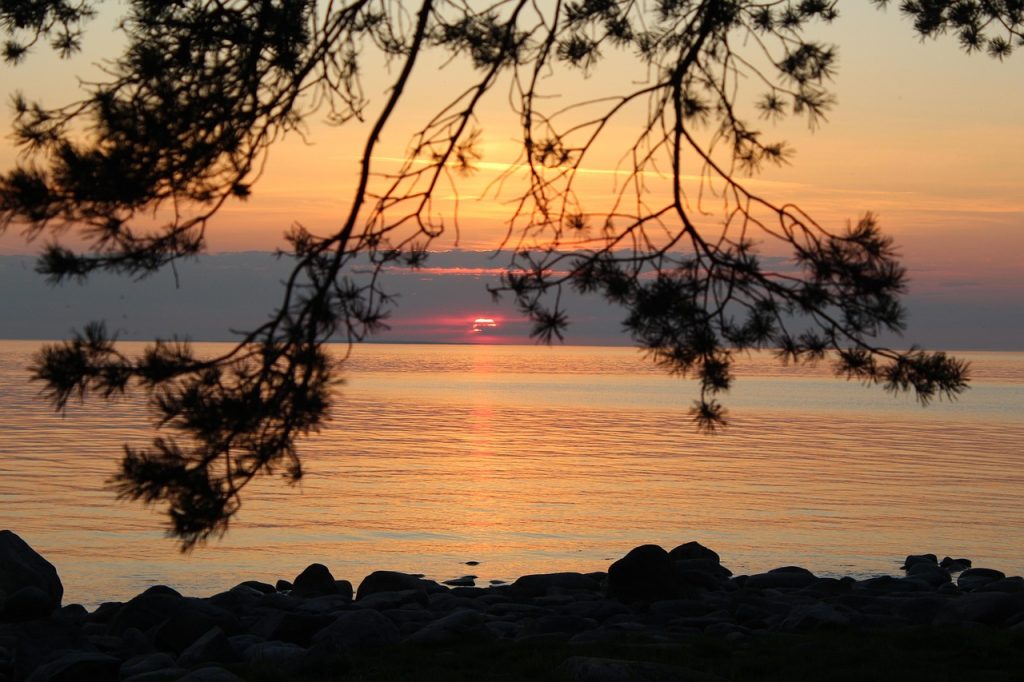
This region is a small one with only the three Baltic countries: Estonia, Latvia and Lithuania. If you look at a map of Europe, they form a neat little stack along the eastern shore of the Baltic Sea, squeezed between Scandinavia and Russia. They’re small, green, and quietly self-assured, shaped by forests, folklore, and centuries of balancing between bigger powers.
Though they share a history of occupation and a name that lumps them together, each of the three has its own language, culture, and identity. Together, they form one of Europe’s most fascinating border regions, northern in climate and temperament, but distinctly Central European in heart.
Estonia
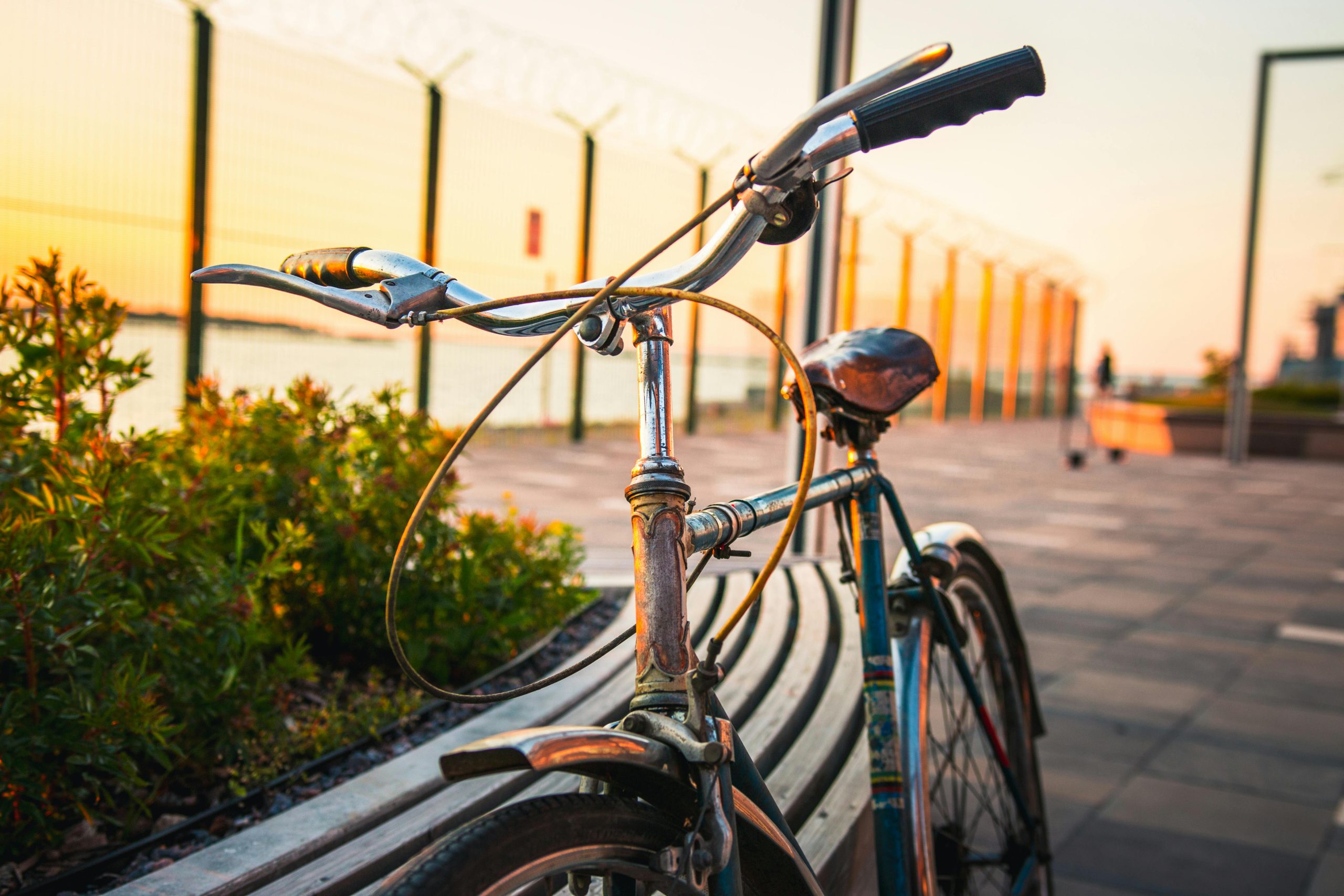
The most Nordic of the trio, Estonia, is a tidy, tech-savvy, and sparsely populated country, with more start-ups than cows (or so the locals say …). The language is closely related to Finnish, and so is the fondness for saunas and lakeside cabins. I already discovered that a lot of authors span the border between Finland and Estonia. And behind the modern digital society lies a strong streak of mythology: ancient song festivals, forest spirits, and epic poetry that’s still recited today.
Latvia
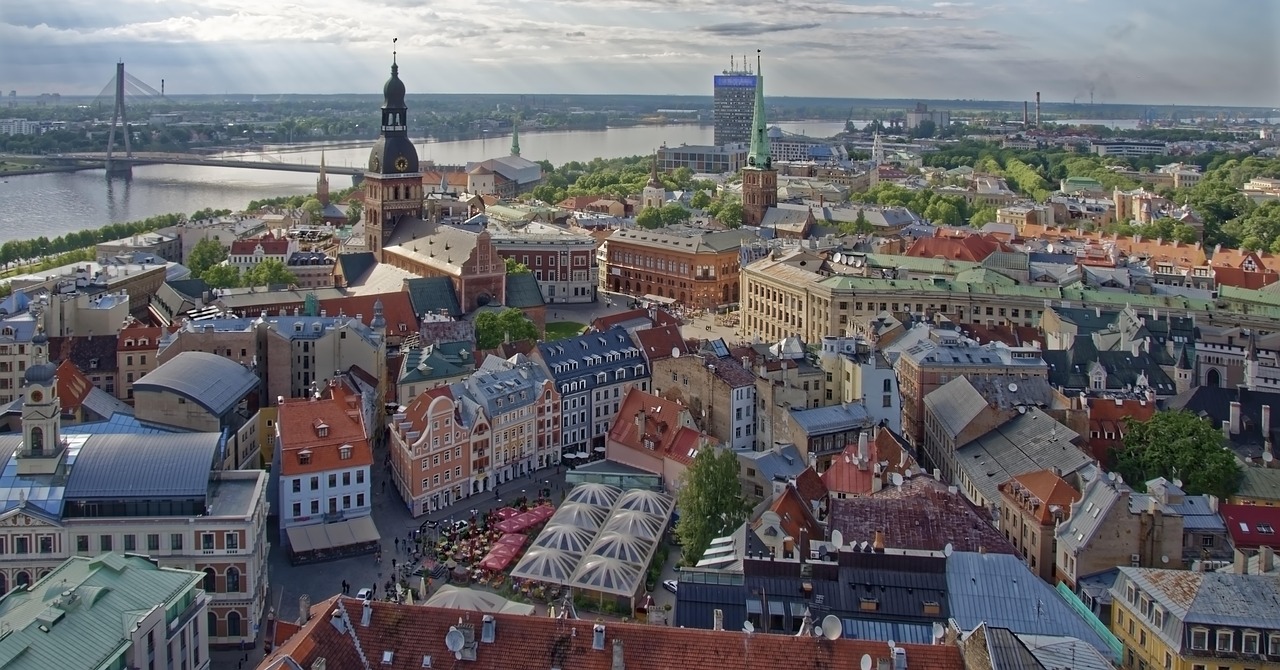
In the middle, Latvia blends Baltic melancholy with a surprising dose of Art Nouveau flair. Its capital, Riga, boasts one of Europe’s best-preserved historic centres, where medieval spires meet pastel façades.
The Latvian language is a distant cousin to Lithuanian, and the people are known for their midsummer bonfires, intricate folk costumes, and love of choir singing: a national passion that once helped fuel political revolution.
Lithuania
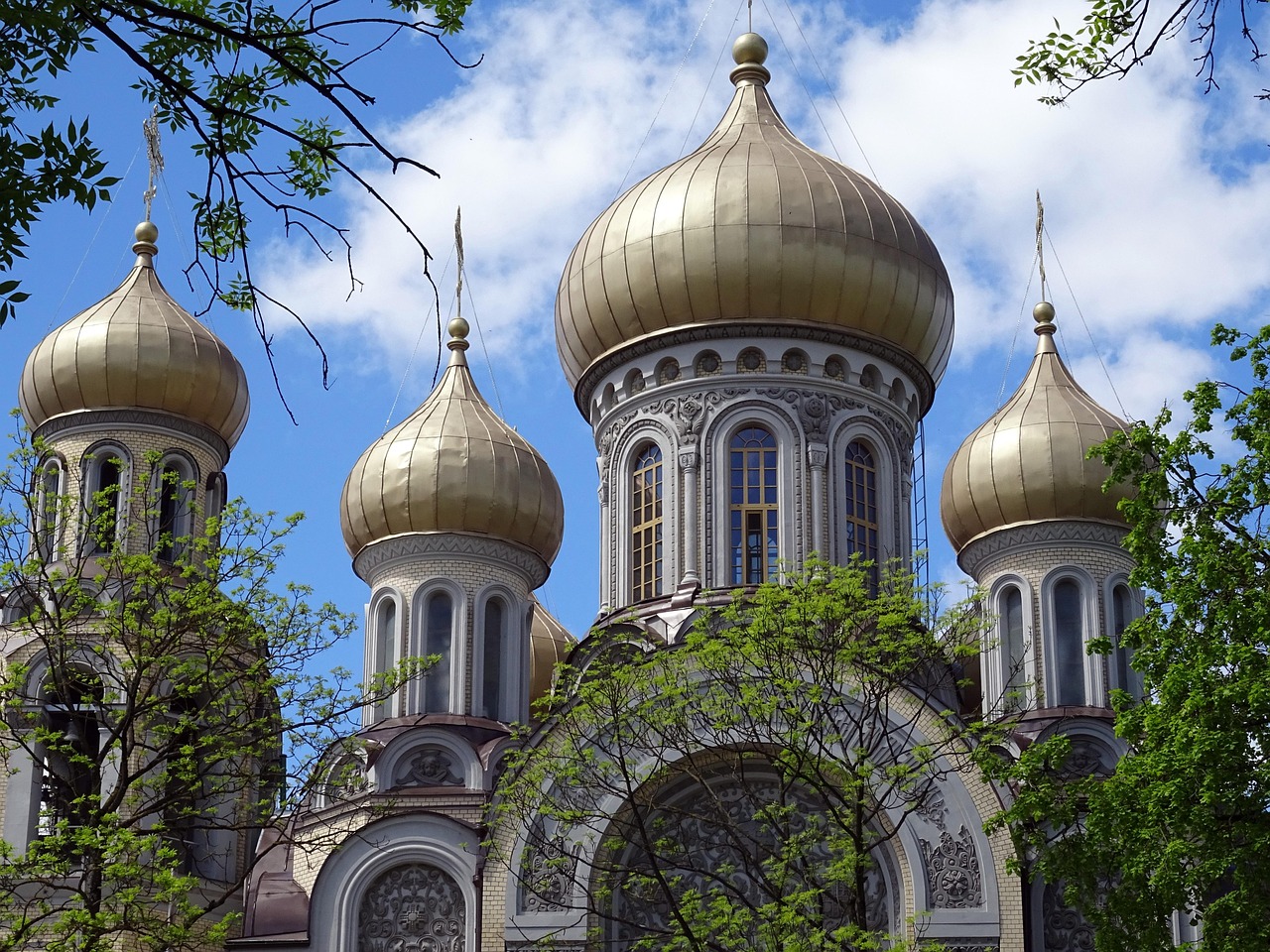
The southernmost and most Catholic of the three, feels a touch more Slavic. It was once the heart of a mighty empire stretching to the Black Sea, and its capital, Vilnius, is famous for its baroque architecture and the eccentric self-declared “Republic of Užupis.”
The country has a strong literary and artistic tradition, which carries an undercurrent of resilience and dark humor.
A very brief history of the region
The lands along the Baltic coast have always been a crossroads, and a prize. Vikings once sailed here for trade and conquest, followed by crusading German knights who converted and subdued the pagan tribes in the 13th century. For centuries afterwards, the region shifted hands between the Teutonic Order, Poland-Lithuania, Sweden, and Russia, each leaving behind layers of language, architecture, and faith.
Lithuania enjoyed a golden age in the 14th and 15th centuries as part of the vast Grand Duchy of Lithuania, later uniting with Poland in a powerful commonwealth. Meanwhile, Latvia and Estonia were absorbed into the German-dominated Baltic provinces under Swedish and later Russian rule.
Across all three countries, rural life revolved around the manor and the church, who kept the native populations under foreign control well into the 19th century.
The end of World War I finally brought independence to Estonia, Latvia, and Lithuania, who experienced a brief but brilliant interwar period when culture, literature, and national identity flourished. But World War II brought first Soviet occupation, then Nazi invasion, and finally another wave of Soviet control that lasted for nearly fifty years.
Under Soviet rule thousands of Baltic citizens were deported to Siberia while others fled west. Yet, though it all the Baltic peoples preserved their languages and traditions, often through song and poetry, when political speech was forbidden.
In the late 1980s, as the Soviet Union fell apart, it was the Baltics who led the push for freedom. The “Singing Revolution” saw entire nations gather peacefully to sing their independence into being, culminating in the 1989 “Baltic Way”, a 600-kilometre human chain linking Tallinn, Riga, and Vilnius. By 1991, all three countries were free and independent again.
Today, Estonia, Latvia, and Lithuania are firmly part of the European Union and NATO, and very proud of their regained independence. Their literature often reflects the pull between the old and the new, the trauma of memory, and the quiet strength of small nations that have learned to survive through song.
Join me as I explore The Baltics
There you have it. The next three stops on my Borderless Bookshelf adventure will take me through the three Baltic States. I’ll read one book from each, hoping to get a sense of what makes them unique and what ties them together. And hoping for some good stories!
If you’d like to travel along, keep an eye out for the upcoming book lists and reviews from Estonia, Latvia, and Lithuania.
If you already have favorites from the Baltics, I would love to hear about them!