And just like that, I have arrived in the last region of Europe! Only three countries to go, and I will have reached my goal of reading a book from every single country in Europe! I was debating whether I should include the four countries (Russia, Armenia, Georgia and Turkey) which all span the continental border between Europe and Asia, but have decided to save them for later.
So the last three countries on the Borderless Bookshelf this year will be: Belarus, Ukraine, and Moldova.
These three countries sit right on Europe’s eastern edge, where cultures overlap and borders have shifted again and again. All three countries were under Soviet rule during the 20th century, and one of them is, of course, experiencing a brutal war today.
So, where exactly are we going?
Geographically, these three countries form a long arc stretching from the Baltic forests down toward the foothills of the Carpathians and the Danube.
Culturally, they bridge the Slavic world and Central Europe, blending Orthodox traditions with traces of Polish, Romanian, and Jewish heritage. It’s a region where languages coexist, where villages still keep old customs, and where literature often grapples with identity, memory, and resilience.
Belarus
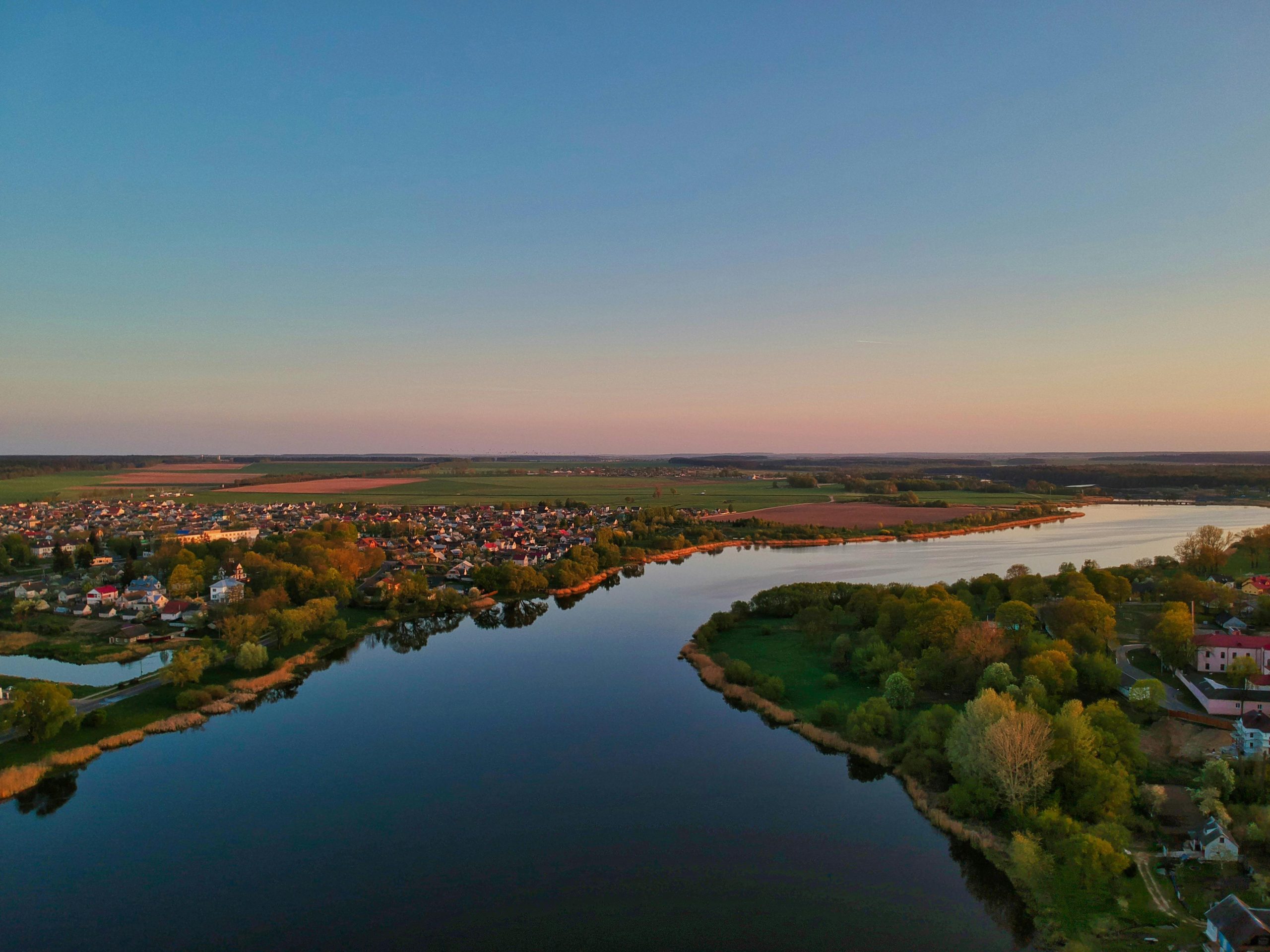
Belarus is often called “Europe’s last forest frontier”. It is a landlocked and mostly flat country, of which nearly half is covered in woodland. Belarus is home to the last remaining section of primeval forest in Europe, the Białowieża Forest, shared with Poland, where bison still roam.
Belarusian and Russian are both official languages, though Belarusian has seen a cultural revival in recent years.
Minsk, the capital, was almost completely rebuilt after World War II and is known for its wide boulevards and Soviet architecture.
Ukraine
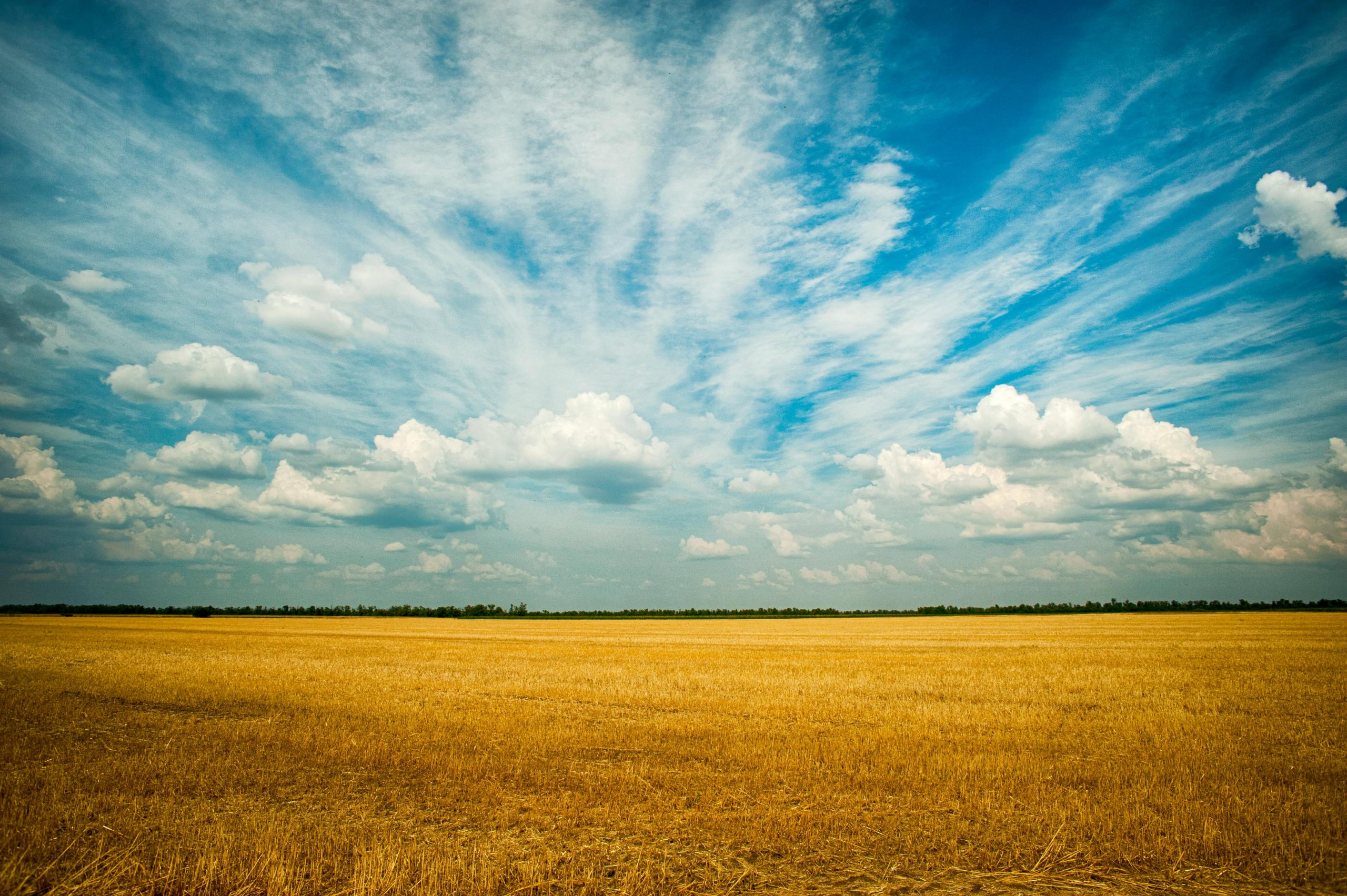
Ukraine is the second-largest country in Europe and one of the most agriculturally rich. Its black fertile soil (“chernozem”) is legendary.
It’s a country of remarkable regional variety: from the Carpathian Mountains in the west to the steppe and the Black Sea coast in the south. Ukrainian culture blends Slavic roots with strong influences from Poland, Crimea, the Caucasus, and the Jewish communities that once flourished here.
Its capital, Kyiv, is one of Eastern Europe’s oldest cities, famous for golden-domed churches, underground monastic caves, and a long tradition of literature and scholarship.
Moldova
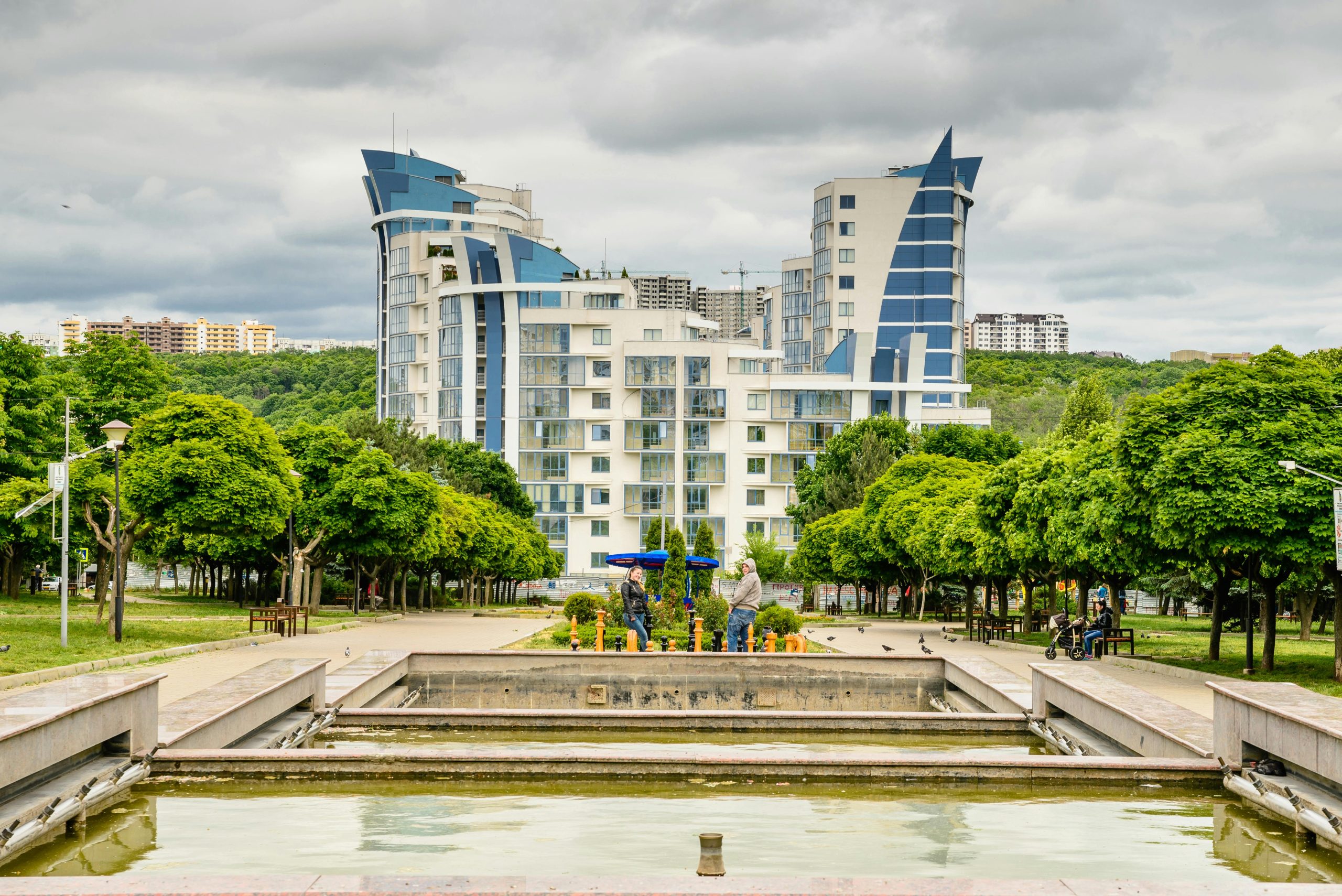
Tucked in between Romania and Ukraine, Moldova is one of Europe’s least-visited countries, and also deemed the poorest and the most unhappy. But it is also one of the most wine-loving countries of Europe. Its vineyards stretch across rolling hills, and it famously has enormous underground wine cellars big enough to drive through.
Moldovan culture is closely connected to Romania through language (Moldovan is essentially Romanian, which I was surprised to learn), while also carrying traces of Russian and Ottoman influence.
The small breakaway region of Transnistria, with its frozen-in-time Soviet aesthetic, adds yet another layer to the country’s complicated story.
A very brief history of the region
For centuries, this region has sat at the crossroads of competing empires. The lands that are now Belarus, Ukraine, and Moldova were once part of the medieval state of Kievan Rus’, a loose federation of Slavic and Finno-Ugric tribes that laid the cultural foundations for the East Slavic world. After its decline, these territories were absorbed into a shifting patchwork of powers: the Grand Duchy of Lithuania, the Polish–Lithuanian Commonwealth, the Ottoman Empire, and the Russian Empire.
By the 18th and 19th centuries, most of the region had been pulled firmly into Russian imperial rule. Ukrainian, Belarusian, and Romanian-speaking Moldovan cultures continued to develop, but often under pressure: local languages were discouraged, and Russification policies reshaped education, administration, and public life.
The early 20th century brought upheaval. After World War I, Ukraine experienced a brief and chaotic period of independence before being absorbed into the Soviet Union. Belarus also became a Soviet republic, and Moldova (then known as Bessarabia) shifted between Romanian and Soviet control before becoming the Moldavian SSR in 1940.
The Second World War devastated all three countries: entire towns were destroyed, Jewish communities were annihilated, and millions of people were displaced or killed.
Soviet rule lasted until 1991 and left a complex legacy. Industrialization brought development of cities and infrastructure, but it also imposed censorship, collectivization, and political repression.
Many people grew up bilingual in Russian and their local language, and national identities were often suppressed and sometimes reshaped by Soviet policies. Yet despite all this, cultural traditions survived, often quietly, in kitchens, churches, and songs.
With the collapse of the USSR, all three countries became independent and began navigating their own paths. Moldova has since grappled with ethnic and political divisions that eventually led to the frozen conflict in Transnistria. Belarus took a more authoritarian direction, maintaining very close ties to Russia. Ukraine experienced waves of protest and reform, culminating in the Revolution of Dignity in 2014 and of course the full-scale invasion by Russia in 2022.
Join me as I explore the Borderlands
These are the final three countries on The Borderless Bookshelf in 2025. I am so close to reaching the goal I have been working towards this entire year, and now I believe I can do it.
Belarus, Ukraine, and Moldova are all completely new territory for me, so I’ll again be starting from scratch, searching for recommendations, choosing a book from each, and seeing what their literature can show and teach me about this part of the continent.
If you’d like to follow along as I reach the end of the European chapter of the Borderless Bookshelf, keep an eye out for the upcoming book lists and reviews!