
Jerusalem. Bethlehem. Beirut. Damascus. The Dead Sea. The River Jordan.
For such a small part of the world, the Levant contains an extraordinary number of places that feel instantly familiar. Some from Bible stories I have known since childhood. Others from history lessons or travel documentaries. And far too many from news reports showing war and destruction.
Right now, that is especially true of Israel and Palestine.
The Hamas-led attacks on Israel on 7 October 2023, and the devastating Israeli war in Gaza that followed, have once again put this small region at the centre of world attention. Even after the October 2025 ceasefire ended the period of large-scale fighting, Gaza remains devastated and the Israeli-Palestinian conflict painfully unresolved.
There is no sensible way to introduce this region in 2026 without acknowledging that reality.
But I also don’t want war to take up all the space.
So where exactly are we going?
Welcome to the Levant.
The word itself comes from the French lever, “to rise”, referring to the lands towards the rising sun. Exactly what counts as the Levant depends on who is drawing the map, but for my purposes I will be travelling through Lebanon, Syria, Israel, Palestine and Jordan.
Together, these 5 countries occupy a surprisingly small area. You could fit all four comfortably inside Germany. Yet within that space are Mediterranean beaches, snow-covered mountains, fertile valleys, deserts, ancient cities and the lowest exposed point on Earth.
Lebanon
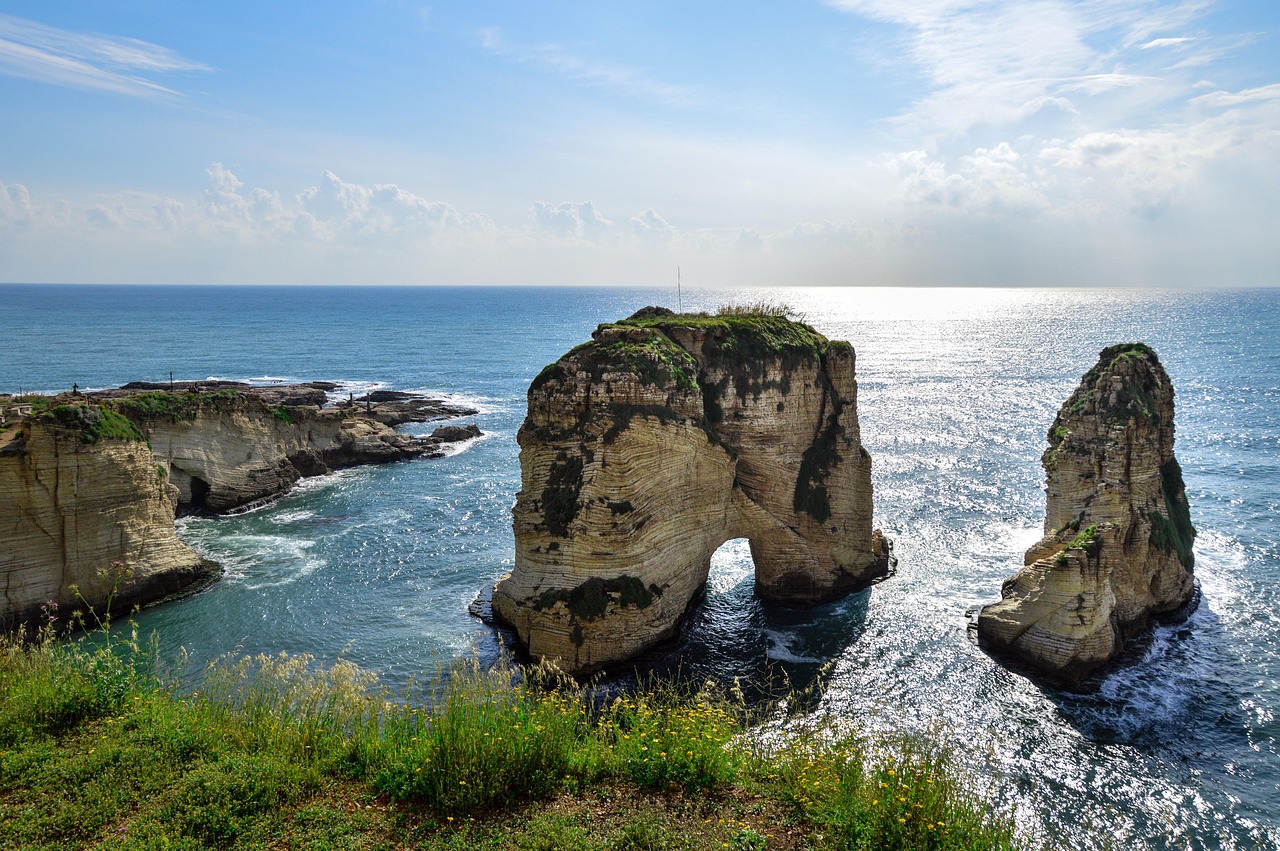
We begin on the Mediterranean in tiny Lebanon, a country smaller than Northern Ireland but packed with coastline, mountains and valleys.
Beirut sits on the coast, while mountains rise dramatically behind it. In winter there is enough snow for skiing, while down below the Mediterranean remains comparatively mild. Lebanon is sometimes promoted as somewhere you can ski and swim in the sea on the same day. Possible, apparently, although it sounds exhausting.
Then there are the famous cedars. Lebanese cedar timber was traded across the ancient Mediterranean, the tree appears on the national flag, and remnants of the forests still survive in the mountains.
Lebanon also has an enormous diaspora: there are more people of Lebanese descent living outside the country than within it.
Syria
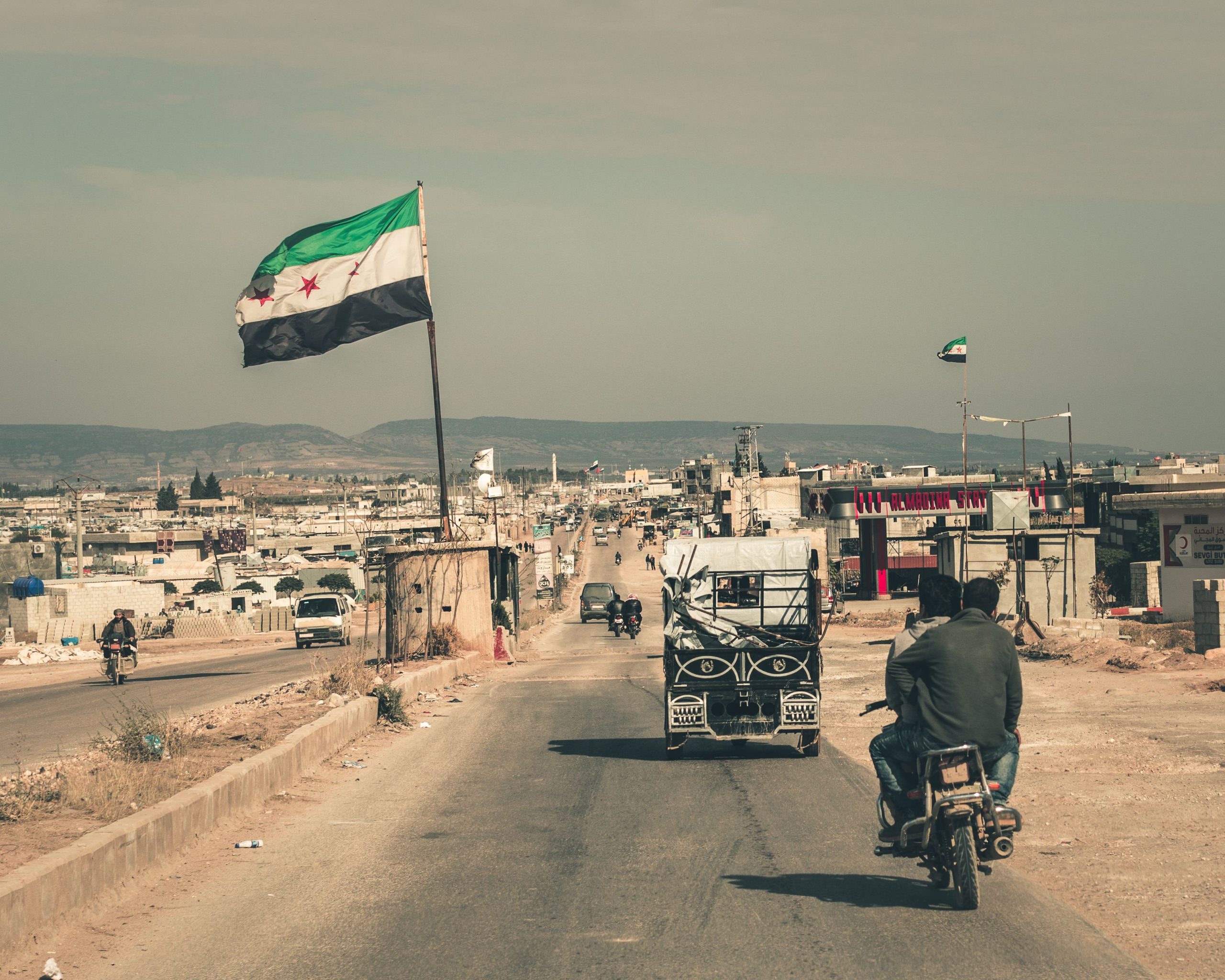
Next door is Syria, stretching from a short Mediterranean coastline through greener western mountains and plains into the vast Syrian Desert.
Its capital, Damascus, has a claim to being one of the oldest continuously inhabited cities in the world. Further north is Aleppo, famous for its old covered souk and the olive-and-laurel-oil soap that still carries the city’s name.
For more than a decade, however, Syria became synonymous with civil war. The conflict that began after the 2011 uprising killed hundreds of thousands and displaced millions. Bashar al-Assad’s government finally fell in December 2024, leaving Syria in a new and still uncertain political era.
Behind all of that is a remarkably diverse country of Arabs, Kurds, Armenians, Assyrians and others, and of Muslims, Christians, Druze and several smaller religious communities.
Jordan
From there we go south to Jordan.
Almost 90 percent of Jordan is arid or semi-arid, and much of the country is desert plateau. But there is also the fertile Jordan Valley, the spectacular red landscape of Wadi Rum and the Dead Sea, more than 400 metres below sea level.
And Petra.
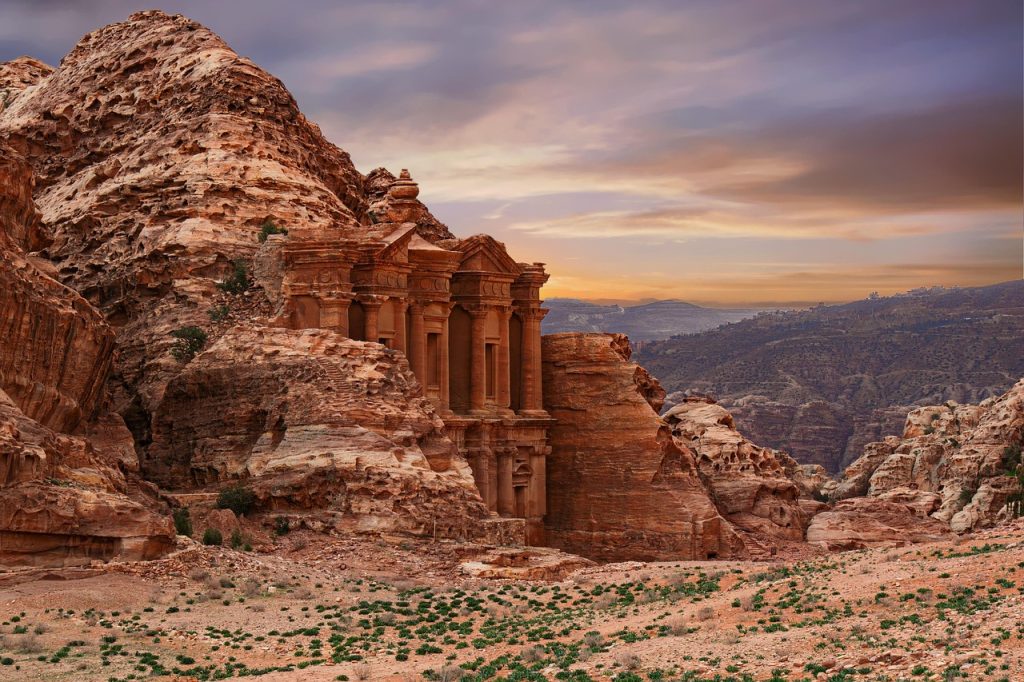
Its famous Treasury – the bit everyone recognises from photographs and Indiana Jones and the Last Crusade – is only one part of an enormous Nabataean city carved into the rock.
Modern Jordan has also been shaped by everything happening around it. Waves of Palestinians, Iraqis and Syrians have sought refuge there, and people of Palestinian origin form a substantial part of its population.
See book suggestions for Jordan here.
Israel
Head west and we reach Israel.
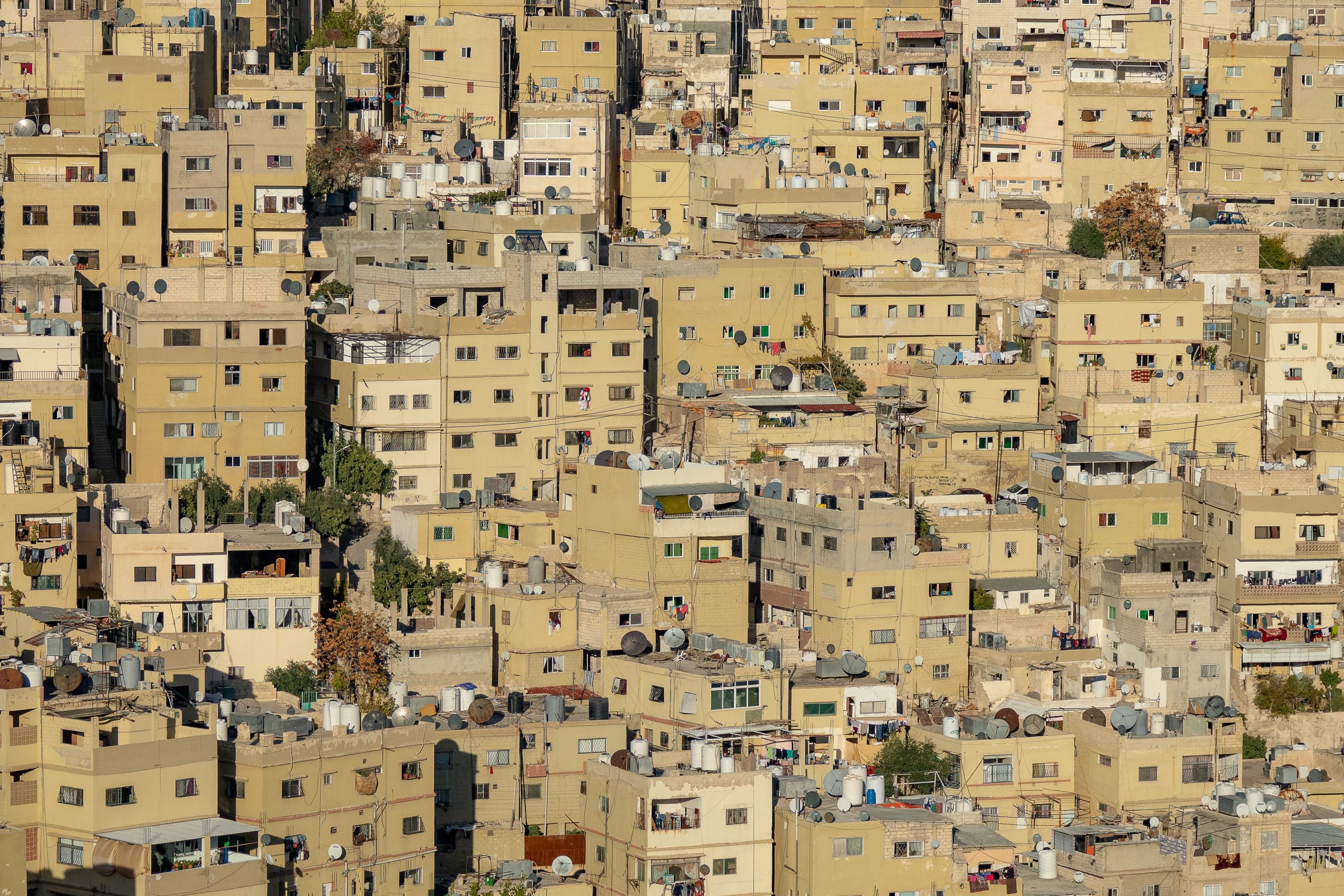
It is another small country with surprising geographical variety: Mediterranean beaches, greener hills in the north, the Negev desert in the south and the Dead Sea to the east.
Tel Aviv is the modern coastal metropolis, while less than 70 kilometres away sits Jerusalem, sacred to Jews, Christians and Muslims and claimed as a capital by both Israelis and Palestinians.
Modern Israel is also remarkably diverse. Its Jewish population has family roots across Europe, the Middle East, North Africa, Ethiopia, Central Asia and elsewhere, while roughly one fifth of Israeli citizens are Arab.
The distances here are tiny. Jerusalem and Tel Aviv are less than an hour apart by train. In places, you can cross much of the country in the time it takes to make a fairly ordinary commute.
The political distances are considerably greater.
See book suggestions here! Coming soon.
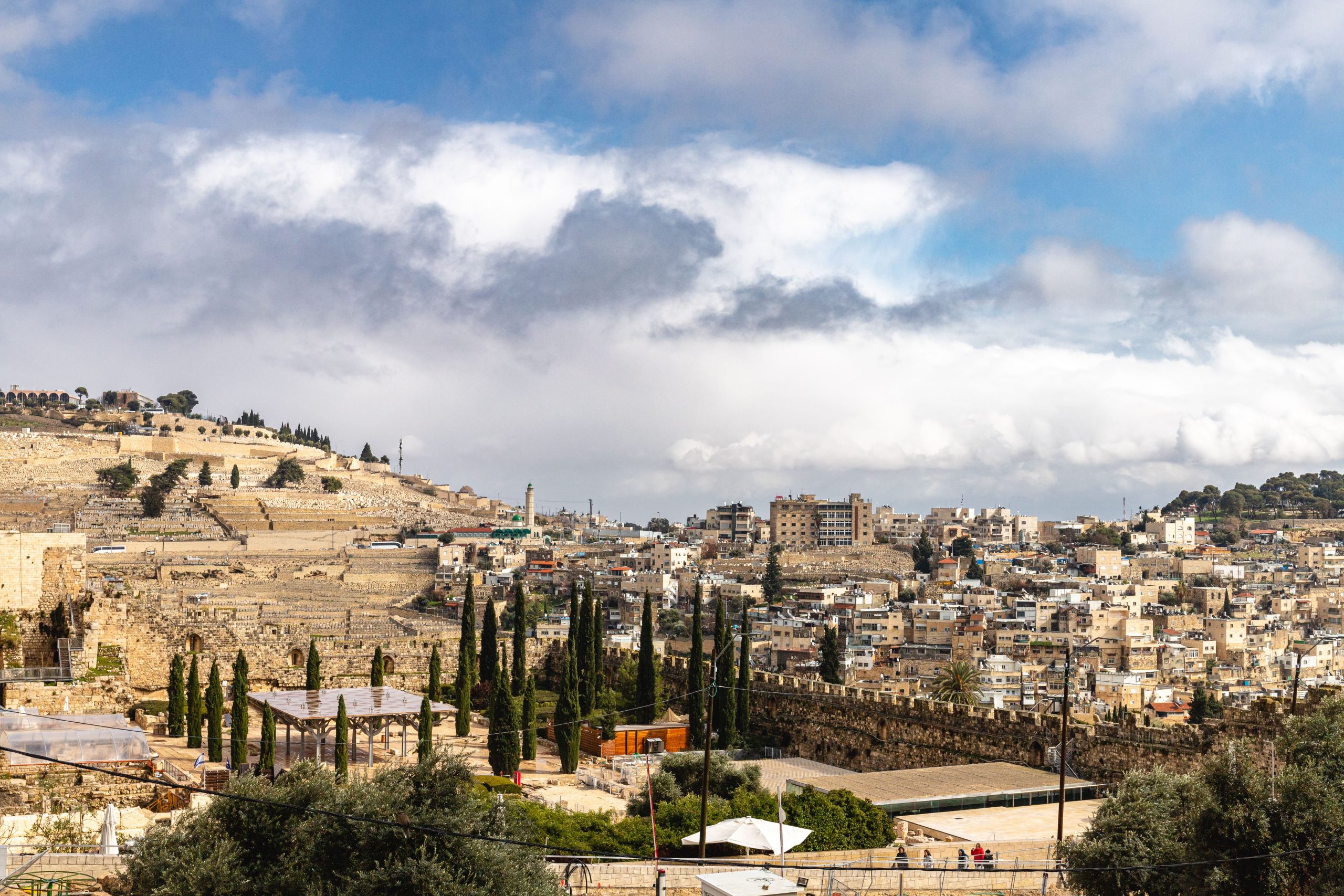
Palestine
Palestine consists today of two geographically separate territories: the West Bank, between Israel and Jordan, and the tiny Gaza Strip on the Mediterranean.
The West Bank contains cities including Ramallah, Nablus, Hebron, Jericho and Bethlehem, surrounded by a landscape of hills, olive groves, valleys and desert. Jericho is regularly described as one of the oldest continuously inhabited cities in the world.
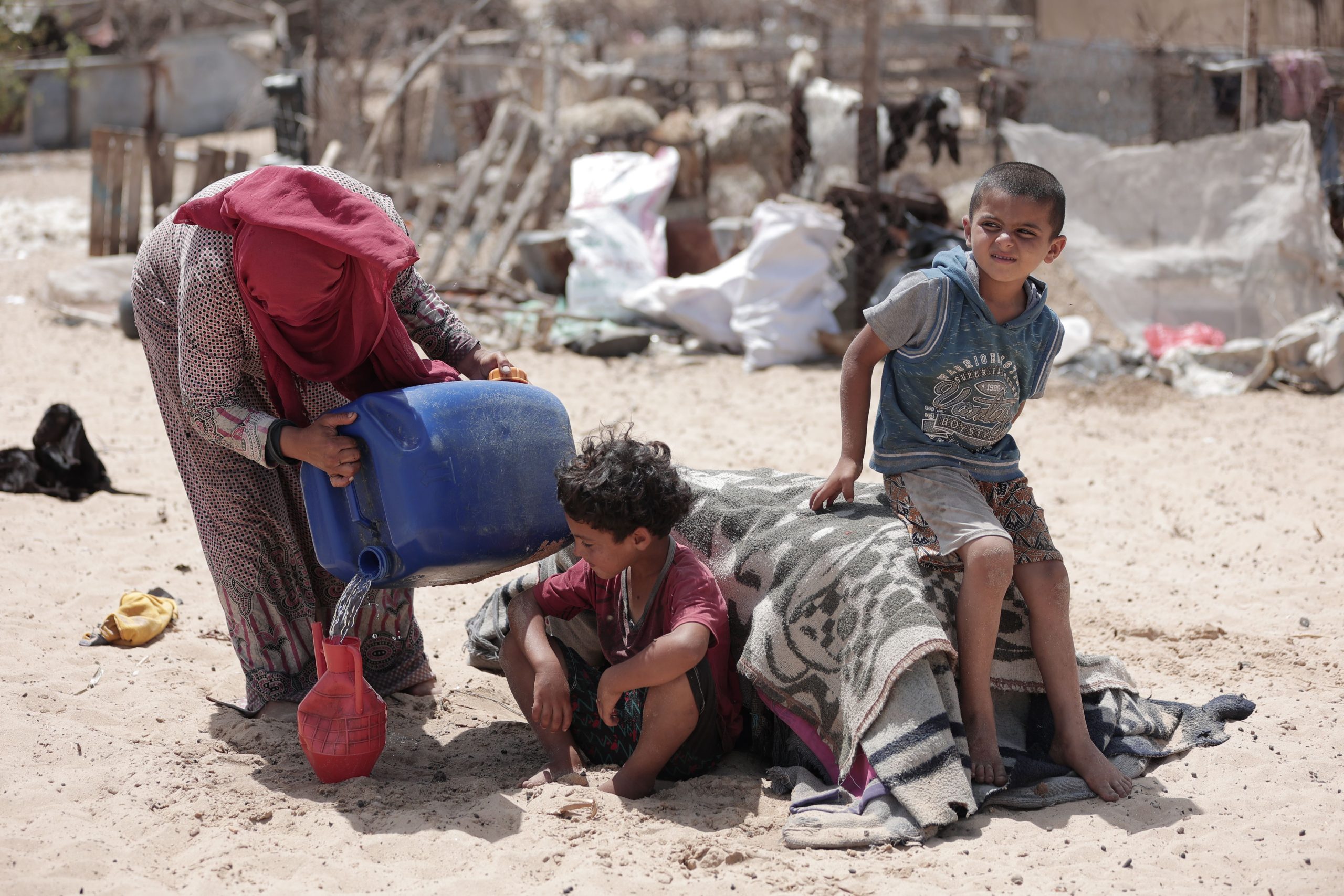
Gaza, meanwhile, has been devastated by the war. Most of its roughly two million inhabitants have been displaced, huge areas have been destroyed, and severe restrictions continue to shape access to land, aid and basic services.
The West Bank has also seen increasing displacement, settlement expansion and Israeli military operations. Israeli settlements there are considered illegal under international law.
Those realities cannot be separated from Palestinian life. But neither are they the entirety of Palestinian life.
See book suggestions here! Coming soon.
A very brief history of the region
I honestly don’t know why I do this, because aiming to tell the history of the Levant in a few paragraphs is more than slightly ridiculous.
But anyway …
Some of the world’s earliest permanent settlements appeared here in the Levant. Over thousands of years, Canaanites, Phoenicians, Israelites, Moabites, Arameans and others established cities and kingdoms here.
Then came Egyptians, Assyrians, Babylonians, Persians, Greeks and Romans.
Judaism developed here. Christianity began here. Following the Arab conquests of the seventh century, Islam became another defining force in the region. Islamic dynasties, Crusader states and Mamluks came and went before most of the Levant became part of the Ottoman Empire in the sixteenth century.
It remained so until the First World War.
After the Ottoman collapse, Britain and France divided much of the region into mandates. France controlled Syria and Lebanon; Britain controlled Palestine and Transjordan. The borders of today’s states began to emerge.
Lebanon became independent in 1943 and Jordan in 1946. The British Mandate in Palestine ended in 1948 with the establishment of Israel and war between Israel and neighbouring Arab states. Hundreds of thousands of Palestinians fled or were expelled from their homes in what Palestinians call the Nakba. In the following years, large numbers of Jews also left or were expelled from countries across the Middle East and North Africa, with many settling in Israel.
War in 1967 brought the West Bank, East Jerusalem and Gaza under Israeli occupation. Lebanon descended into civil war in 1975. Syria spent decades under the Assad family before the 2011 uprising developed into a catastrophic civil war.
And then, on 7 October 2023, Hamas and other Palestinian armed groups attacked southern Israel, killing around 1,200 people and taking roughly 250 hostages. Israel responded with a military campaign in Gaza that killed tens of thousands of Palestinians and destroyed large parts of the territory.
A ceasefire in October 2025 brought the large-scale phase of that war to an end, but not the conflict itself. As I begin exploring the Levant, its consequences are still unfolding.
Which makes this an unusually difficult region to approach.
There will be histories here that overlap without agreeing with one another. The same city, border, year or patch of land can occupy very different places in different people’s stories.
Perhaps literature is particularly useful in a place like this.
Join me as I explore the Levant
So the Borderless Bookshelf is ready to head into Lebanon, Syria, Jordan, Israel and Palestine.
Five places clustered around the eastern Mediterranean. Close enough to share foods, landscapes, languages and centuries of history, yet separated by borders that have become enormously consequential.
So familiar. And yet so foreign to me.
Time to start filling in some of the gaps with stories other than the ones you see in the headlines.

I was surprised to see that I’ve read at least part of one book for each of these countries.
Lebanon
* Part of Julian Rathbone’s With My Knives, I Know I’m Good (1969) is set in Lebanon. It’s about a traveling knife thrower. I remember liking this book, but I don’t remember much about it. The author is British.
Syria
* Dorothy Gilman’s Mrs. Pollifax Unveiled (Mrs. Pollifax #14) (2000) – Mrs. Pollifax is an older lady with silly flowery hats who gets easy courier jobs with the US’s CIA, then something goes wrong, but she and her colleagues and/or new friends handle it. These are unlikely and yet also serious, and the American author does at least visit the countries she writes about and sets scenes in real places. In this one, Mrs. Pollifax is to see if she can find out what happened to someone who disappeared. Mostly I liked the first books in this series best, but I also remember liking this one.
* Nel Yomtov’s Syria (Enchantment of the World series) (2013) – I love the kids’ books in this series that have a lot of general information and nice photos. I know nothing of this author except that she’s written more than one volume in this series.
Israel
* Anat Talshir’s About the Night (2014) – Two folks fall in love in 1947 right when Jerusalem is being divided. One is a Jew living on the western side, one is a Christian Arab on the eastern side, and it was educational but not fun. The author is an Israeli journalist. (I also read several nonfiction books about Israel as a kid for various school projects.)
Palestine
* Suad Amiry’s Sharon and My Mother-in-Law: Ramallah Diaries (2003) – A biography based on diaries and emails (1981-2004) of an architect living in the West Bank, written by a fellow Middle Eastern architect. I did not really enjoy this book.
Jordan
* Dorothy Gilman’s Mrs. Pollifax, Innocent Tourist (Mrs. Pollifax #13) (1997) – In this one Mrs. Pollifax is to help an old CIA colleague smuggle out a manuscript but right away they are being followed. This one is not one of the better Mrs. Pollifax books, but we did get to tour Petra, which I’d never even heard of before!
For my reading project, I also plan to read a book for Phoenicia, which showed up in history classes in school as a big power in the Mediterranean for a while.
I’m also looking forward to trying some of your recommendations.