Ten books from India.
A country which has more than a billion people, 22 officially recognised languages and literary traditions stretching back thousands of years. Bengali literature is not Hindi literature. Tamil literature is not Malayalam literature. The Northeast has stories and histories very different from those of Kerala or Rajasthan. Add caste, religion, colonialism, partition, enormous cities, remote villages and everything that has happened since independence …
Choosing ten books starts to look fairly ridiculous, no?
So rather than trying to find ten books that somehow represent India, I tried to think of them as ten different doors into it. As diverse as I could possibly make the list, while still choosing 10 books I would genuinely pick up myself.
Six of these books were originally written in Indian languages: Hindi, Bengali, Kannada, Malayalam, Tamil and Marathi. The remaining four were written in English, but take us somewhere the others do not. Together they travel from Kerala to Arunachal Pradesh, from the Sundarbans to Bangalore, and from the nineteenth century all the way into an imagined Indian future.
It is obviously nowhere near enough, and books from India alone could fill up a year-long side quest for me.
But here goes.
A list of books to read from India
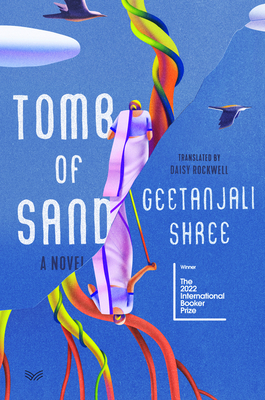
Tomb of Sand
Author: Geetanjali Shree
First published: 2018
Original title: रेत समाधि [Ret Samadhi]
Genre: Literary fiction / Historical Fiction / Contemporary
When her husband dies, an eighty-year-old woman retreats to her bed, turns her back on her family and seems determined to stay there. Then something changes. She gets up. She becomes increasingly independent, befriends a transgender woman and eventually decides to travel to Pakistan, forcing her family, and herself, to confront a past stretching back to Partition.
Originally published in Hindi, Tomb of Sand became the first novel translated from an Indian language to win the International Booker Prize in 2022.
At more than 600 pages, this isn’t the smallest door into India on this list, but an elderly woman refusing to behave as expected while literally crossing one of the most politically loaded borders in the world? That is difficult to resist for a Borderless Bookworm.
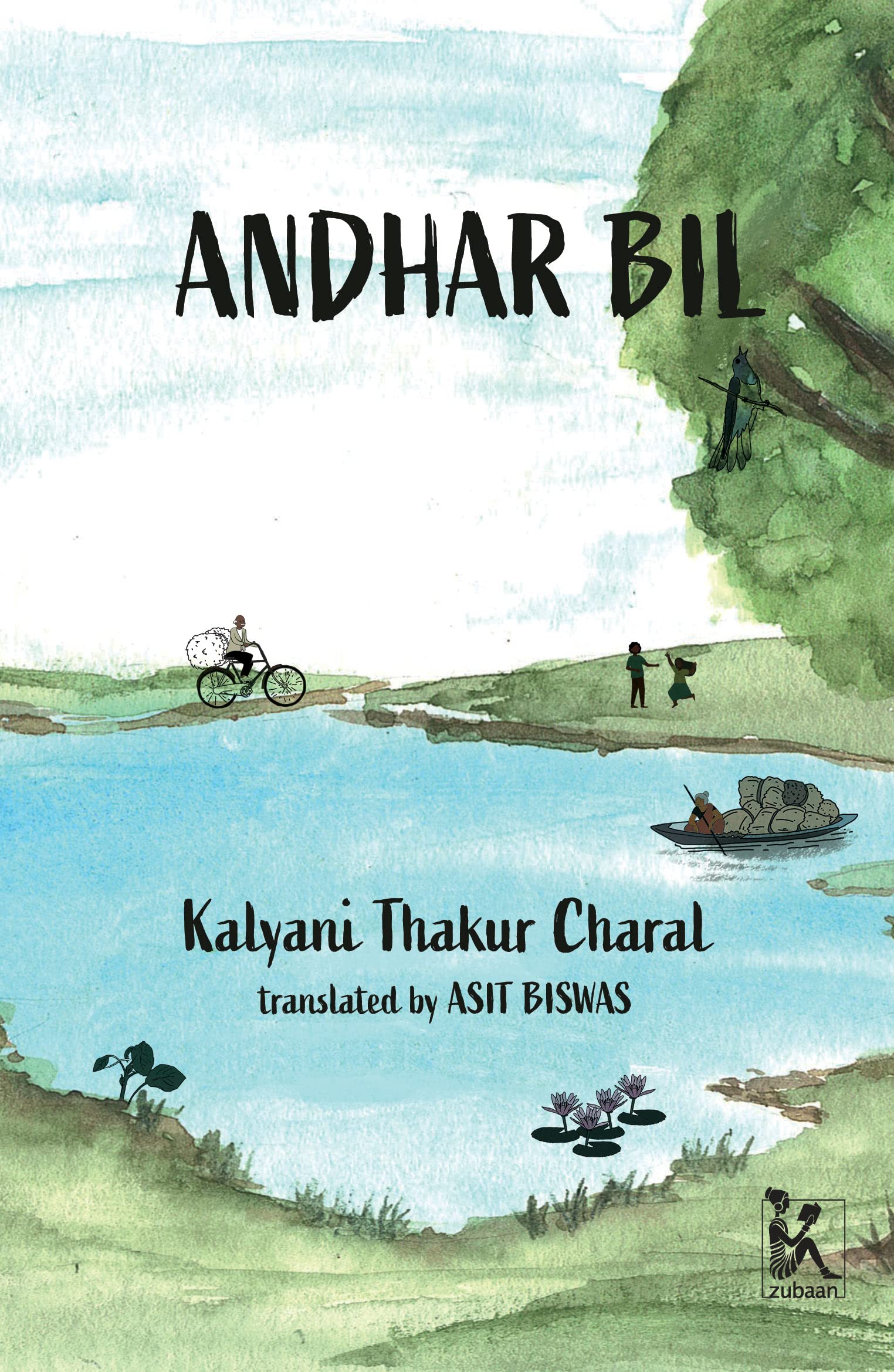
Andhar Bil
Author: Kalyani Thakur Charal
First published: 2022
Original title: Andhar Bil
Genre: Literary fiction
This is one of the newest English translations on the list, and one I might never have encountered without deliberately looking beyond the obvious choices.
Kalyani Thakur Charal is a Bengali Dalit feminist writer, and Andhar Bil tells the story of Dalit refugees from the Matua community who cross from what is now Bangladesh into India in the upheavals surrounding Partition and 1971. They settle beside a bil, a body of water that reminds them of the home they have left behind, and slowly begin building another life.
As children play in and around the bil – the central ‘character’ in the novel – people seek out varieties of fish and cook them in ways that recall the flavours of home, festivals and boat races take place, jute is farmed and sold, floods arrive and push people to high ground, marriages happen and property disputes unfold. The still waters of the bil absorb and hold all these stories and the boroi tree stands in the centre of the bil, a silent witness to everything.
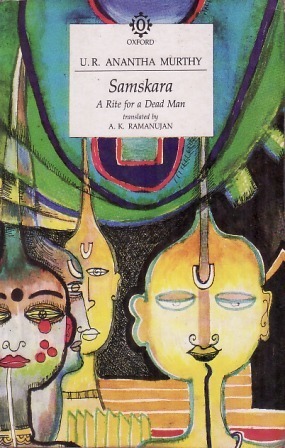
Samskara: A Rite for a Dead Man
Author: U.R. Anantha Murthy
First published: 1965
Original title: ಸಂಸ್ಕಾರ
Genre: Classics / Religion
A man is dead. Unfortunately, nobody knows what to do with his body.
Naranappa was born a Brahmin but spent his life openly breaking the rules of his community: drinking alcohol, eating meat, living with a lower-caste woman and generally scandalising his neighbours. Now the Brahmins of his village cannot decide whether someone who rejected their values still deserves a Brahmin funeral.
They turn to Praneshacharya, a deeply devout scholar, for an answer. He doesn’t have one. Meanwhile, the corpse is still there. In the heat. And things are beginning to go rather badly.
Originally published in Kannada in 1965, and made into an award-winning film in 1970, Samskara uses this rather wonderful predicament to examine caste, purity, religion, desire and hypocrisy.
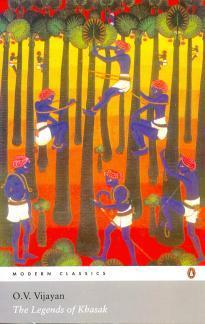
The Legends of Khasak
Author: O. V. Vijayan
First published: 1969
Original title: ഖസാക്കിന്റെ ഇതിഹാസം
Genre: Classics / Magical Realism / Literary Fiction
Haunted by guilt, Ravi abandons the possibility of an academic career and travels to the remote village of Khasak in Kerala, where he becomes the teacher at a tiny school.
Khasak is populated by children, elders, toddy-tappers, shamans, stories, dreams and legends. The longer Ravi stays, the more the boundaries between the everyday and the mythical seem to blur. But Ravi has not escaped his past simply by travelling somewhere else.
Originally published in Malayalam in 1969 and later translated into English by Vijayan himself, The Legends of Khasak is regarded as a landmark of Malayalam fiction. And it sounds fascinating for someone (like myself) who tends to gravitate towards books that are slightly off-centre.
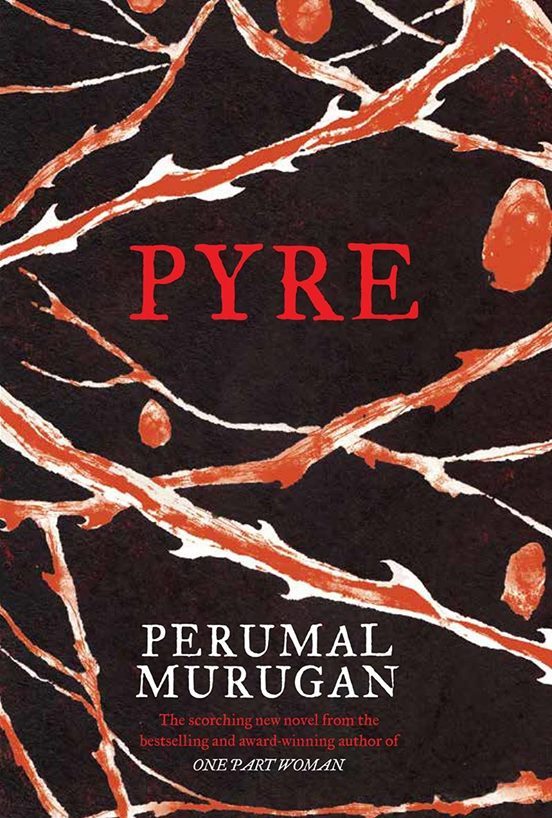
Pyre
Author: Perumal Murugan
First published: 2013
Original title: பூக்குழி
Genre: Literary Fiction / Contemporary
Saroja and Kumaresan are in love. After a hasty wedding, they arrive in Kumaresan’s village. There is just one problem: their marriage is an inter-caste one, likely to upset the village elders should they get to know of it.
Kumaresan is naively confident that all will be well. But nothing is further from the truth. Despite the strident denials of the young couple, the villagers strongly suspect that Saroja must belong to a different caste. It is only a matter of time before their suspicions harden into certainty and, outraged, they set about exacting their revenge.
Originally written in Tamil, Pyre is a devastating tale of innocent young love pitted against chilling savagery.
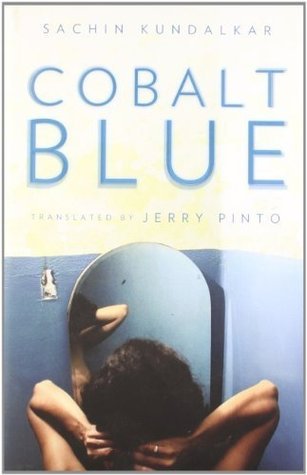
Cobalt Blue
Author: Sachin Kundalkar
First published: 2006
Original title: Cobalt Blue: The Novel
Genre: Contemporary / Romance / LGBTQ
A mysterious young man rents a room from the Joshi family. He has no surname, apparently no family and very little interest in explaining where he came from. And both Tanay and his sister Anuja fall in love with him.
Cobalt Blue tells the story of the same relationship from the perspectives of the two siblings whose lives have been turned upside down by their enigmatic lodger.
At its centre is queer love in a traditional Indian family, but also desire, jealousy, heartbreak and the uncomfortable discovery that the person you thought belonged to you had an entirely separate relationship with someone you know very well.
Originally written in Marathi, this seems like one of the smaller and more personal and intimate doors into India.
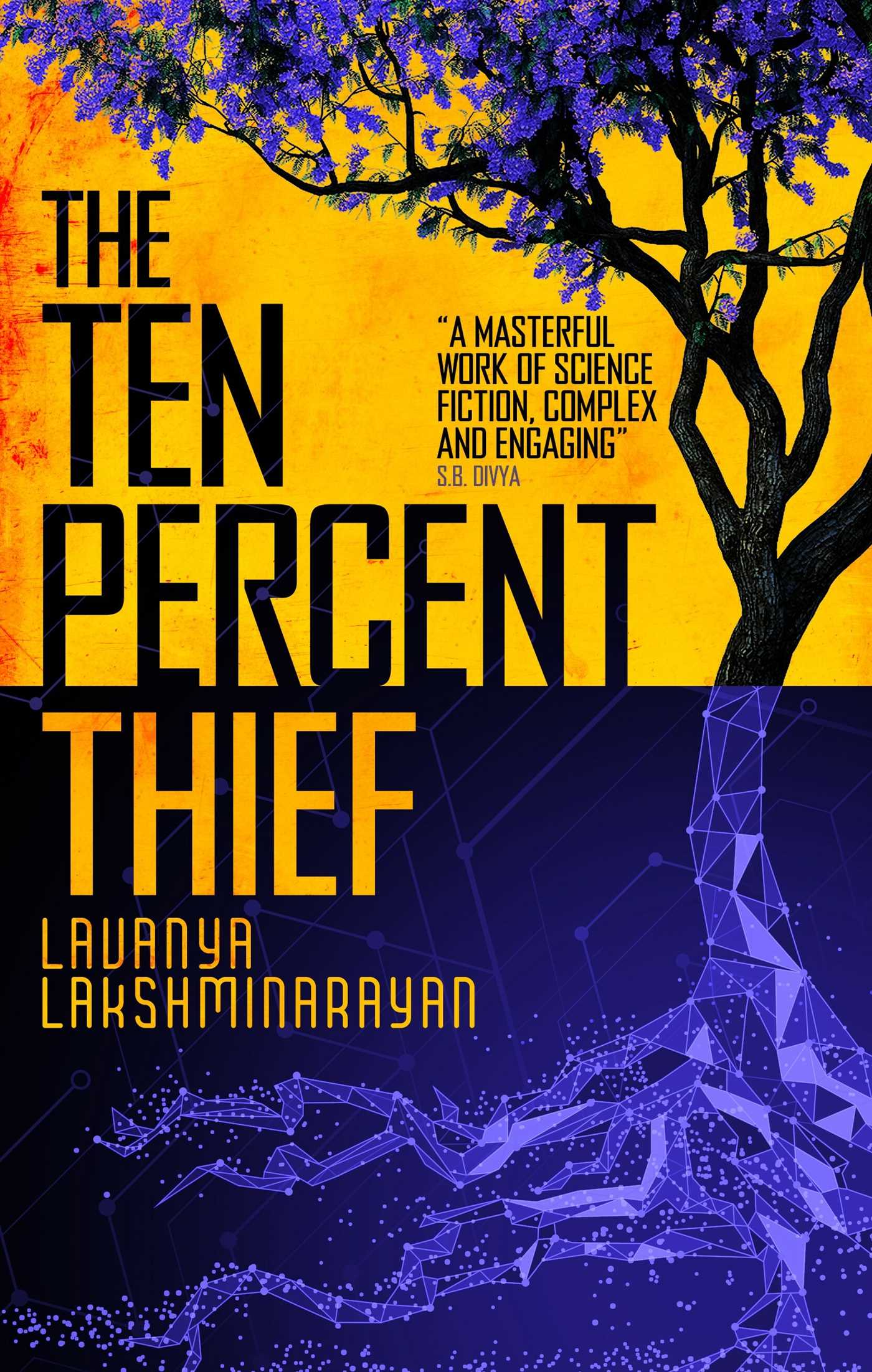
The Ten Percent Thief
Author: Lavanya Lakshminarayan
First published: 2020
Original title: Analog/Virtual
Genre: Dystopia
Sometimes the most interesting way to understand a country is to ask what its writers think its future might look like. And this particular writer imagines a technocratic dystopia set in what used to be Bangalore.
In this imagined future, society is organised according to a Bell Curve. The most successful citizens become Virtuals, rewarded with technology, comfort and status. At the bottom are the Analogs, denied even basic necessities such as electricity and running water. Then someone steals a jacaranda seed from the Virtual world and plants it where it doesn’t belong.
Originally published accross South Asia as Analog/Virtual, Lavanya Lakshminarayan’s linked stories take the technology, inequality and relentless competition of contemporary Bangalore and push them into a dystopian future.
I particularly wanted this on the list because looking at India only through its past would feel like missing something enormous. This is one of the world’s major technology centres imagining where technology, climate pressure and extreme inequality might take it next.
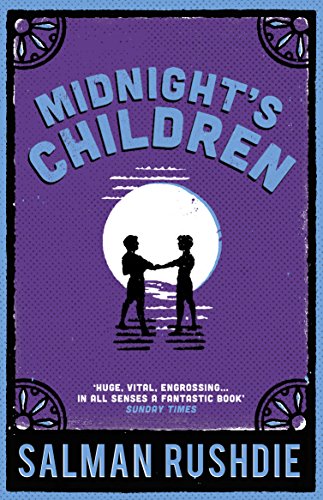
Midnight’s Children
Author: Salman Rushdie
First published: 1981
Original title: Midnight’s Children
Genre: Magical Realism / Classics
You already knew Rushdie had to be here somewhere, didn’t you? And this particular one has in fact been on my TBR since I first attempted to read the world 10 years ago, and somehow I have yet to pick it up …
Saleem Sinai is born at the stroke of midnight on August 15, 1947, the very moment of India’s independence. Greeted by fireworks displays, cheering crowds, and Prime Minister Nehru himself, Saleem grows up to learn the ominous consequences of this coincidence.
His every act is mirrored and magnified in events that sway the course of national affairs; his health and well-being are inextricably bound to those of his nation; his life is inseparable, at times indistinguishable, from the history of his country. Perhaps most remarkable are the telepathic powers linking him with India’s 1,000 other “midnight’s children,” all born in that initial hour and endowed with magical gifts.
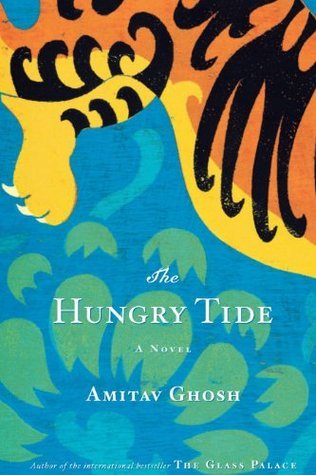
The Hungry Tide
Author: Amitav Ghosh
First published: 2004
Original title: The Hungry Tide
Genre: Literary Fiction
Off the easternmost corner of India, in the Bay of Bengal, lies the immense labyrinth of tiny islands known as the Sundarbans, where settlers live in fear of drowning tides and man-eating tigers.
Piya Roy, a young American marine biologist of Indian descent, arrives in this lush, treacherous landscape in search of a rare species of river dolphin and enlists the aid of a local fisherman and a translator.
Together the three of them launch into the elaborate backwaters, drawn unawares into the powerful political undercurrents of this isolated corner of the world that exact a personal toll as fierce as the tides. This is India seen from its watery edge, where human survival, wildlife and politics are all competing for the same shrinking ground.
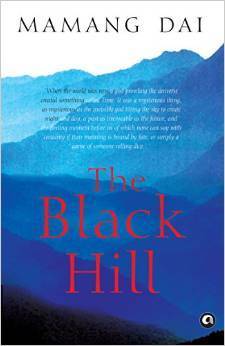
The Black Hill
Author: Mamang Dai
First published: 2014
Original title: The black hill
Genre: Historical Fiction
And finally we travel northeast to a region of India which can very easily disappear completely from a list of Indian literature, if you don’t deliberately go looking for it.
Set in the nineteenth century in the region that now stretches between Assam and Arunachal Pradesh, The Black Hill takes place as the East India Company begins pushing into territories inhabited by Indigenous communities determined to keep outsiders away.
Gimur, a young woman from the Abor community, runs away with Kajinsha, a Mishmee man, and settles with him near the Tibetan border. At the same time, French missionary Father Nicolas Krick is attempting to travel through the region to Tibet.
The local people understand something Krick does not: missionaries may arrive carrying Bibles, but British soldiers are likely to follow carrying guns.
Mamang Dai, herself from Arunachal Pradesh, has build the novel around the real disappearance of Krick in the 1850s and Kajinsha’s subsequent execution for his murder.
Join me, and read a book from India
I did it.
Hindi. Bengali. Kannada. Malayalam. Tamil. Marathi. Four more books written in English. Rural villages, enormous cities, mangrove islands and Himalayan borderlands. Dalit communities, Brahmins, queer lives, Indigenous peoples, scientists, fishermen, lovers, refugees and one extremely competitive dystopian future.
India before independence. India after independence. India imagined in a future that hopefully never arrives.
Ten books.
A perfectly respectable list.
Until looked at what I had left out …
Stay tuned.