Seems fitting to start Asia with the giant spanning the entire continent, no?
Putting together a list of Russian literature is a daunting task no matter how you approach it. Russian novels tend to loom large. Morally, emotionally, and often physically as well! Over the years, I’ve already read many of the well-known Russian classics, and you can find lists of those anywhere. That was not my aim here. So I spent some time debating myself what my aim actually was …
And in the end this list brings together these kinds of books: Some of the Russian novels I already love, some that have been on my radar for years, and some newer ones that genuinely intrigued me enough to want to spend time with them. Some are obvious choices, some are more obscure. but none of them are here simply because they’re considered “important Russian novels”.
As always on the Borderless Bookshelf, this is not a definitive overview of Russian literature. It’s a personal selection, shaped by curiosity rather than obligation, and I hope you find something that interests you enough to pick it up!
A list of books to read from Russia
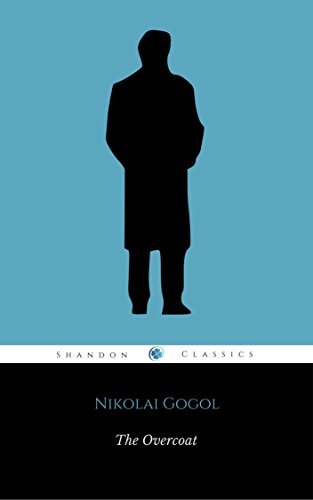
The Overcoat
Author: Nikolai Gogol
First published: 1842
Original title: Шинель
Genre: Classics / Short story
If you want to read a Russian classic without comitting to a 1000-page tome, this could be your pick. The Overcoat is a short story often cited as the starting point of modern Russian literature. It is the oldest book on this list, and it is one of the classics I have yet to read.
The story centers on the life and death of Akaky Akakievich, an impoverished government clerk and copyist in St. Petersburg. Akaky is dedicated to his job, taking special relish in the hand-copying of documents, though little recognized in his department for his hard work. Instead, the younger clerks tease him and attempt to distract him whenever they can. His threadbare overcoat is often the butt of their jokes. Akaky decides it is necessary to have the coat repaired, so he takes it to his tailor, Petrovich, who declares the coat irreparable, telling Akaky he must buy a new overcoat.
Gogol captures bureaucracy, poverty, and human invisibility in a way that feels timeless.
It’s brief, strange, and unforgettable, and hugely influential on later Russian writers.
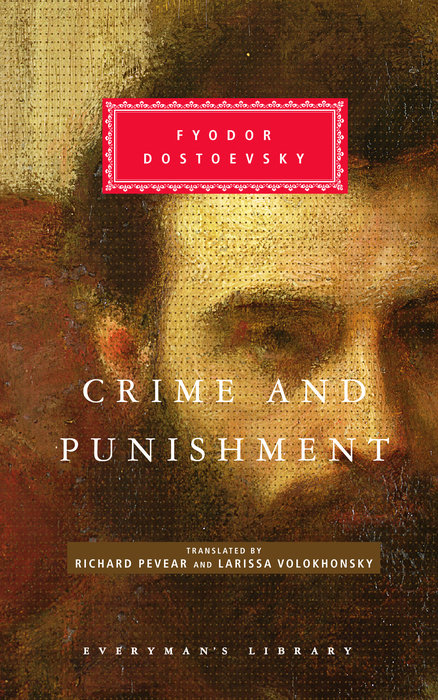
Crime and Punishment
Author: Fjodor Dostovyesky
First published: 1866
Original title: Преступление и наказание
Genre: Classics / Crime / Philosophy
This one is a must-read. There is no getting around it.
Raskolnikov, a destitute and desperate former student, wanders through the slums of St Petersburg and commits a random murder without remorse or regret. He imagines himself to be a great man, a Napoleon: acting for a higher purpose beyond conventional moral law. But as he embarks on a dangerous game of cat-and-mouse with Porfiry, a suspicious detective, Raskolnikov is pursued by the growing voice of his conscience and finds the noose of his own guilt tightening around his neck. Only Sonya, a downtrodden prostitute, can offer the chance of redemption. As the ensuing investigation and trial reveal the true identity of the murderer, Dostoyevsky’s dark masterpiece evokes a world where the lines between innocence and corruption, good and evil, blur and everyone’s faith in humanity is tested.
I read this many years ago, and it is one of the most famous Russian novels for a reason. This is a deep dive into guilt, morality, and the dangerous appeal of grand ideas, filtered through the increasingly unstable mind of its protagonist is a gripping and surprisingly fast-moving read.
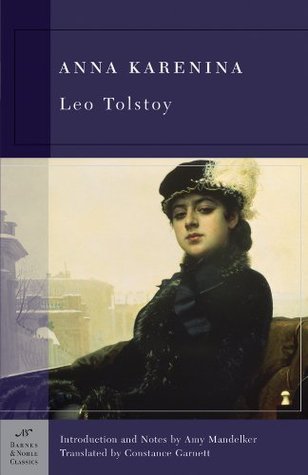
Anna Karenina
Author: Leo Tolstoy
First published:
Original title: 1878
Genre: Classics / Romance / Historical fiction
Acclaimed by many as the world’s greatest novel, Anna Karenina provides a vast panorama of contemporary life in Russia and of humanity in general.
Tolstoy uses his intense imaginative insight to create some of the most memorable characters in all of literature. Anna is a sophisticated woman who abandons her empty existence as the wife of Karenin and turns to Count Vronsky to fulfil her passionate nature – with tragic consequences. Levin is a reflection of Tolstoy himself, often expressing the author’s own views and convictions. Intimate emotional drama with a wide-ranging portrait of Russian social life.
This is a long one, folks, but in my opinion remarkably readable. I read it many years ago, and it could be time for a re-read, now that I’m older and wiser, haha.
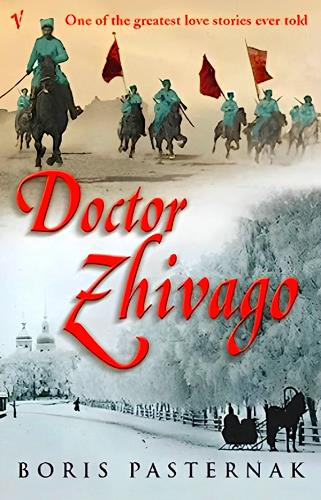
Doctor Zhivago
Author: Boris Pasternak
First published: 1957
Original title: Доктор Живаго
Genre: Historical fiction / Romance
A sweeping novel about the effects of the Russian Revolution and its aftermath on a bourgeois family. It was not published in the Soviet Union until 1987. One of the results of its publication in the West was Pasternak’s complete rejection by Soviet authorities; when he was awarded the Nobel Prize for Literature in 1958 he was compelled to decline it. The book quickly became an international best-seller.
Dr. Yury Zhivago, Pasternak’s alter ego, is a poet, philosopher, and physician whose life is disrupted by the war and by his love for Lara, the wife of a revolutionary. His artistic nature makes him vulnerable to the brutality and harshness of the Bolsheviks. The poems he writes constitute some of the most beautiful writing featured in the novel.
I’ve never actually read this one, but I remember loving the film many years ago.
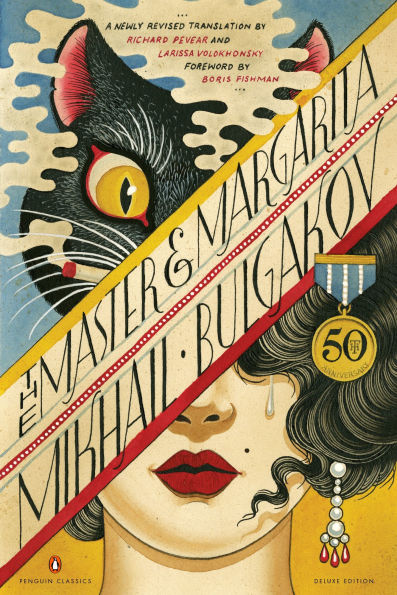
The Master and Margarita
Author: Mikhail Bulgakov
First published: 1967
Original title: Мастер и Маргарита
Genre: Fantasy / Magical realism / Satire
This one has been on my TBR for years. It shows up on every single list of speculative fiction must-reads.
Suppressed in the Soviet Union for twenty-six years, the book is Mikhail Bulgakov’s masterpiece. It is an ironic parable on power and its corruption, on good and evil, and on human frailty and the strength of love. Featuring Satan, accompanied by a retinue that includes the large, fast-talking vodka-drinking black tom cat Behemoth, the beautiful Margarita, her beloved – a distraught writer known only as the Master – Pontius Pilate, and Jesus Christ.
The Master and Margarita combines fable, fantasy, political satire, and slapstick comedy into a wildly entertaining and unforgettable tale that is commonly considered one of the greatest novels ever to come out of the Soviet Union.
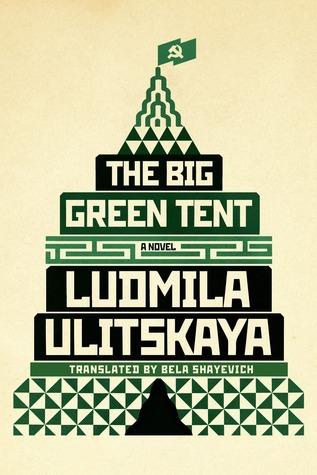
The big green tent
Author: Ludmila Ulitskaya
First published: 2010
Original title: Зеленый шатер
Genre: Historical Fiction / Literary fiction
Now for something more recent! Lyudmila Ulitskaya is a critically acclaimed modern Russian novelist, and several of her novels look very interesting to me. This one is a sweeping saga, in the vein of Dostoyevsky, Tolstoy, and Pasternak, but from a modern perspective.
The big green tent tells the story of three school friends who meet in Moscow in the 1950s and go on to embody the heroism, folly, compromise, and hope of the Soviet dissident experience. These three boys: an orphaned poet; a gifted, fragile pianist; and a budding photographer with a talent for collecting secrets, struggle to reach adulthood in a society where their heroes have been censored and exiled.
Rich with love stories, intrigue, and a cast of dissenters and spies, The Big Green Tent offers a panoramic survey of life after Stalin and a dramatic investigation into the prospects for integrity in a society defined by the KGB. Each of the central characters seeks to transcend an oppressive regime through art, a love of Russian literature, and activism. And each of them ends up face-to-face with a secret police that is highly skilled at fomenting paranoia, division, and self-betrayal.
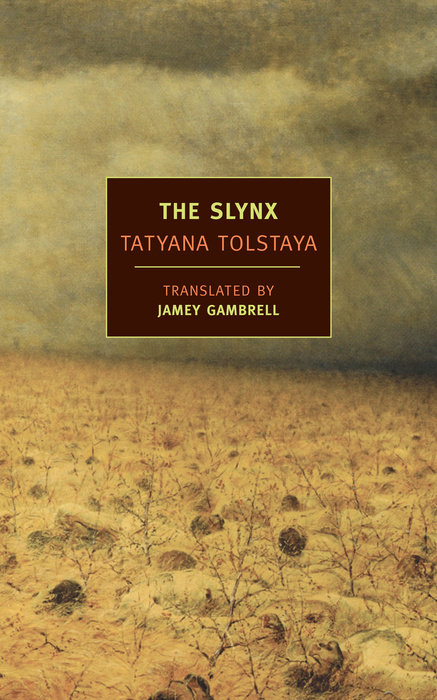
The Slynx
Author: Tatyana Tolstaya
First published: 1999
Original title: Кысь
Genre: Dystopia
Another one, that’s been on my radar for years, without me ever picking it up. The Slynx blends dystopia with folklore, satire, and linguistic play. Society has collapsed, culture has decayed, and language itself is mutating. A grotesque mirror of both past and present Russia.
Two hundred years after civilization ended in an event known as the Blast, Benedikt isn’t one to complain. He’s got a job transcribing old books and presenting them as the words of the great new leader, Fyodor Kuzmich, Gloryb. And though he doesn’t enjoy the privileged status of a Murza, at least he’s not a serf or a half-human four-legged Degenerator harnessed to a troika.
He has a house, too, with enough mice to cook up a tasty meal, and he’s happily free of mutations: no extra fingers, no gills, no cockscombs sprouting from his eyelids. And he’s managed so far to steer clear of the ever-vigilant Saniturions, who track down anyone who manifests the slightest sign of Freethinking, and the legendary screeching Slynx that waits in the wilderness beyond.
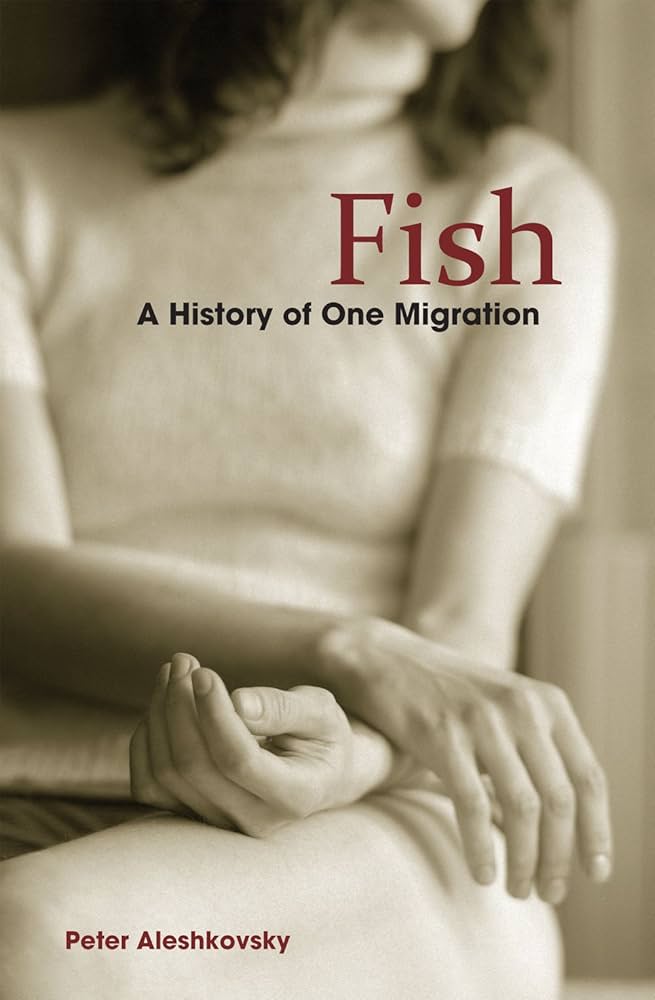
Fish. A History of One Migration
Author: Peter Aleshkovsky
First published: 2000
Original title: Рыба. История одной миграции
Genre: Fiction
In the wake of the Soviet breakup, inexorable forces drag Vera (“Faith” in Russian) from the desert of Central Asia, to exile in Southern Russia, to a remote forest-bound community of Estonians, to the chaos of Moscow. Facing a relentless onslaught of human and social trials, Vera swims against the current of life, countering the adversity and pain she meets with compassion and hope. Suffering through rape, abuse, dislocation and exile, Vera personifies Mother Russia’s torment and resilience amid the Soviet disintegration. Nicknamed “Fish” by her abusive husband, who feels she is cold and unfeeling, Vera in fact discovers she has a powerful gift to alleviate the suffering of others, while she can do little to fend off the adversity that buffets her own life.
Fish is the first Russian novel to grapple with post-Soviet colonial otherness without transposing it into a fantastic, post-apocalyptic realm or reducing it to black-and-white conflicts of the popular detective genres. The male author’s choice of a first-person, female narrator (extremely rare in Russia) makes Fish all the more significant. Aleshkovsky is one of Russia’s most important writers, and Fish was shortlisted for the prestigious Russian Booker Prize.
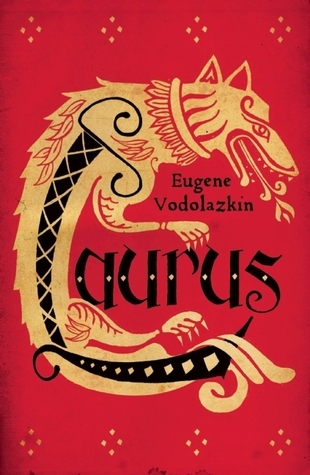
Laurus
Author: Eugene Vodolazkin
First published: 2012
Original title: Лавр
Genre: Fantasy / Historical Fiction
And now for something completely different …
It is the late fifteenth century and a village healer in Russia is powerless to help his beloved as she dies in childbirth, unwed and without having received communion. Devastated and desperate, he sets out on a journey in search of redemption. But this is no ordinary journey: it is one that spans ages and countries, and which brings him face-to-face with a host of unforgettable, eccentric characters and legendary creatures from the strangest medieval bestiaries.
Laurus’s travels take him from the Middle Ages to the Plague of 1771, where as a holy fool he displays miraculous healing powers, to the political upheavals of the late-twentieth century. At each transformative stage of his journey he becomes more revered by the church and the people, until he decides, one day, to return to his home village to lead the life of a monastic hermit – not realizing that it is here that he will face his most difficult trial yet.
A remarkably rich novel about the eternal themes of love, loss, self-sacrifice and faith, from one of Russia’s most exciting and critically acclaimed novelists.
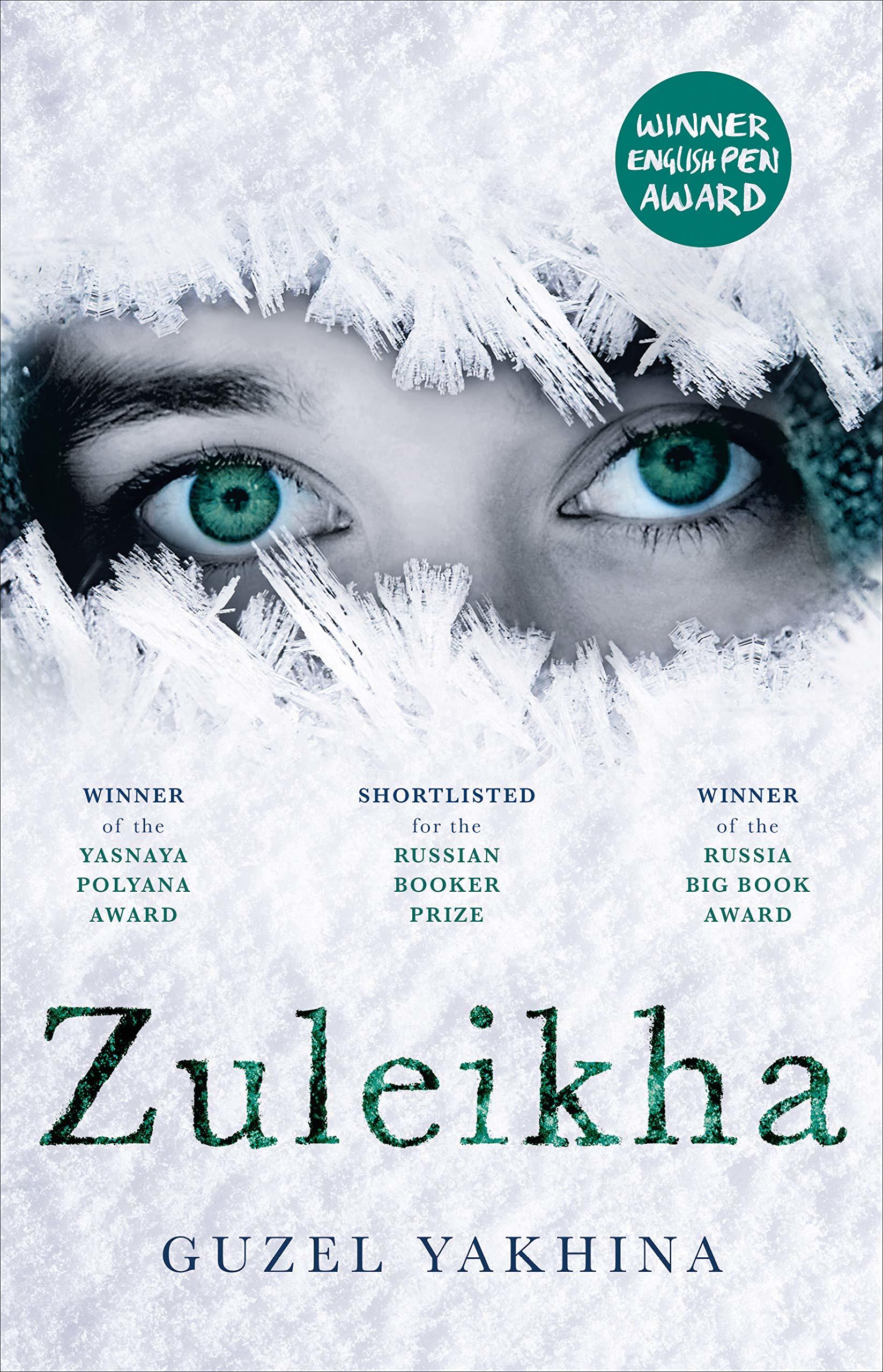
Zuleikha
Author: Guzel Yakhina
First published: 2015
Original title: Зулейха открывает глаза
Genre: Historical fiction
The year is 1930. In a small Tartar village, a woman named Zuleikha watches as her husband is murdered by communists. Zuleikha herself is sent into exile, enduring a horrendous train journey to a remote spot on the Angara River in Siberia. Conditions in the camp are tough, and many of her group do not survive the first difficult winter.
As she gradually settles into a routine, Zuleikha starts to get to know her companions. The eclectic group includes a rather dotty doctor, an artist who paints on the sly, and Ignatov, Zuleikha’s husband’s killer. Together, the group starts to build a new life, one that is far removed from those they left behind.
Guzel Yakhina’s smooth prose describes Zuleikha’s adjustment to a new reality and her discovery of a new form of happiness, and covers a range of cultural, ethnic, religious and socio-political issues. This outstanding debut novel from an exciting new talent has been showered with prizes and is capturing the hearts of readers all over the world.
Join me, and read a book from Russia
There you have it. My take on the daunting task of selcting a list of ten interesting books from the largest country in the world. I feel that they offer many ways of approaching it: through satire and suffering, faith and ideology, private lives and sweeping history. They move across centuries and regimes, from imperial society to Soviet control and into the post-Soviet world.
Some of these books are demanding, others are more approachable. Some I have read, some I have wanted to read for years, and some I had never heard of, but they left me curious. One of them will be my next stop on this reading journey.
Which one would you choose? And which one do you think I’ll end up reading? I’d love to hear your thoughts in the comments!