I’m stepping into this next stretch of my reading journey with a mixture of curiosity and humility. I’ve never read any literature from this part of the world before, and truth be told, starting this I knew very little about the seven countries that once made up Yugoslavia, and the war-torn history of this region.
So I started by diving into Wikipedia articles, and I’ll tell you what I found, if you want to read along!
So where exactly are we going?
This is a region where history is recent and raw. In the 1990s, the former Yugoslavia disintegrated into a series of brutal conflicts that redrew borders and reshaped lives. Today, seven independent nations remain: Slovenia, Bosnia and Herzegovina, Croatia, Montenegro, Serbia, North Macedonia and Kosovo. Each has its own identity, but they are also deeply connected by a shared past, and I’ve already found that it can be difficult to place a book in one of these seven countries because the stories overlap.
But to draw out the places we’ll be visiting during the next two months or so:
Slovenia
Slovenia is bridge between the Alps and the Balkans. It’s often seen as the most “Western” of the former Yugoslav republics. It was also the first to break away from the union, and its separation was brief and relatively peaceful. Slovene literature has strong ties to Central European traditions, and its capital, Ljubljana, is a UNESCO City of Literature – with dragons, bookstores, and coffee shops aplenty.
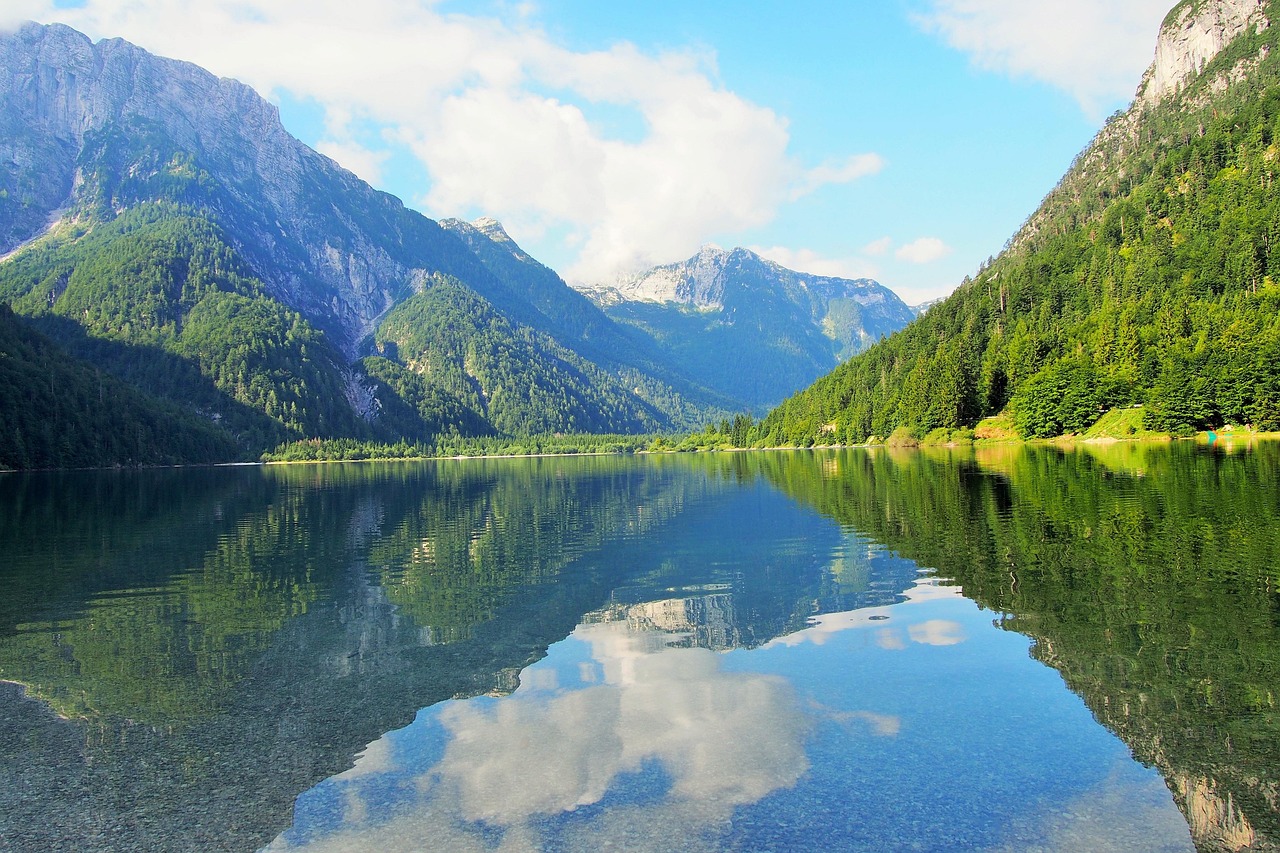
And just searching for images from Slovenia, I’m completely blown away by the natural beauty of this country with its lush forests, emerald rivers, and fairy-tale towns, I have to go there some time!
Croatia
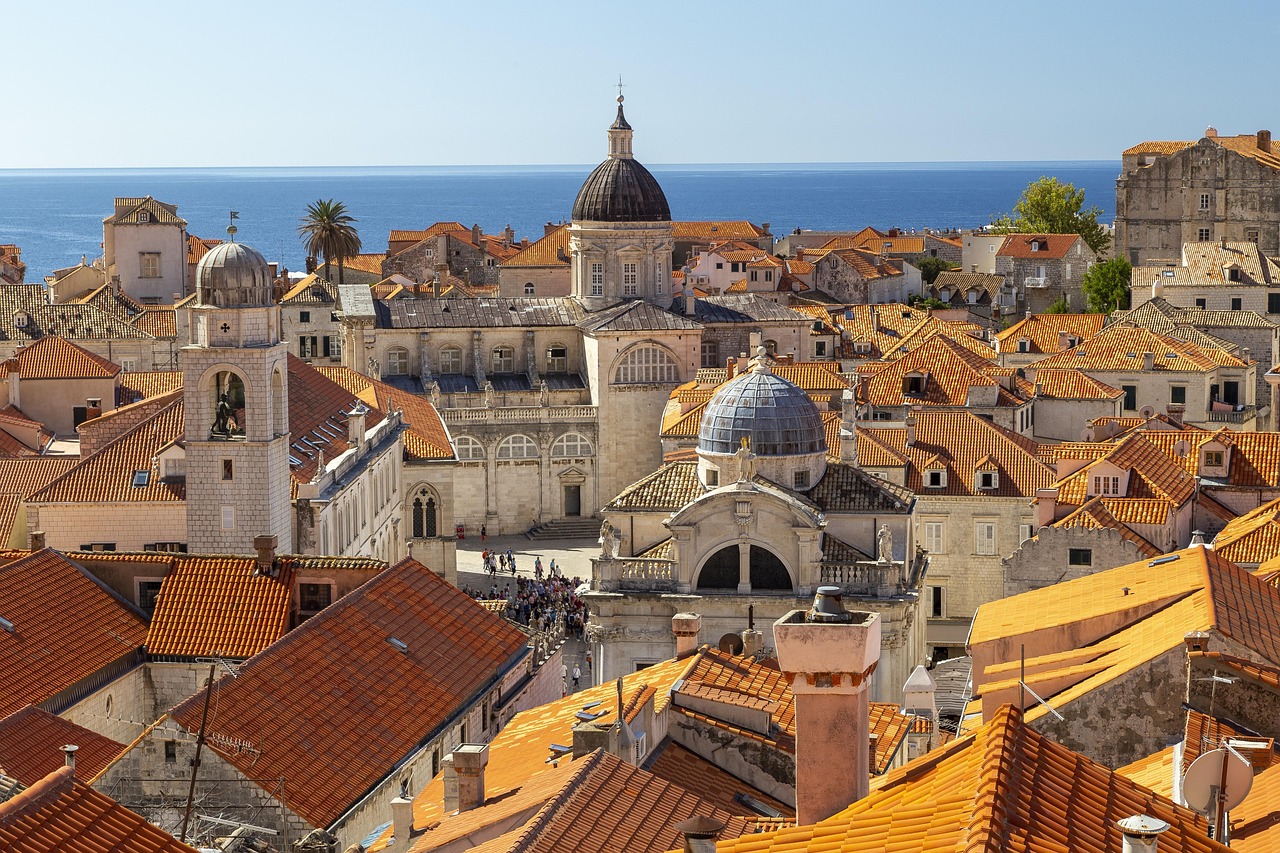
Stretching along the glittering Adriatic coast, Croatia blends Mediterranean charm with Central European influence. It’s famous for its beaches, Roman ruins, and medieval walled cities, most notably Dubrovnik, now forever linked to Game of Thrones. Croatia joined the EU in 2013 and has become a major travel destination, but just beyond the postcard views lies a complex history and the scars of war.
Bosnia and Herzegovina
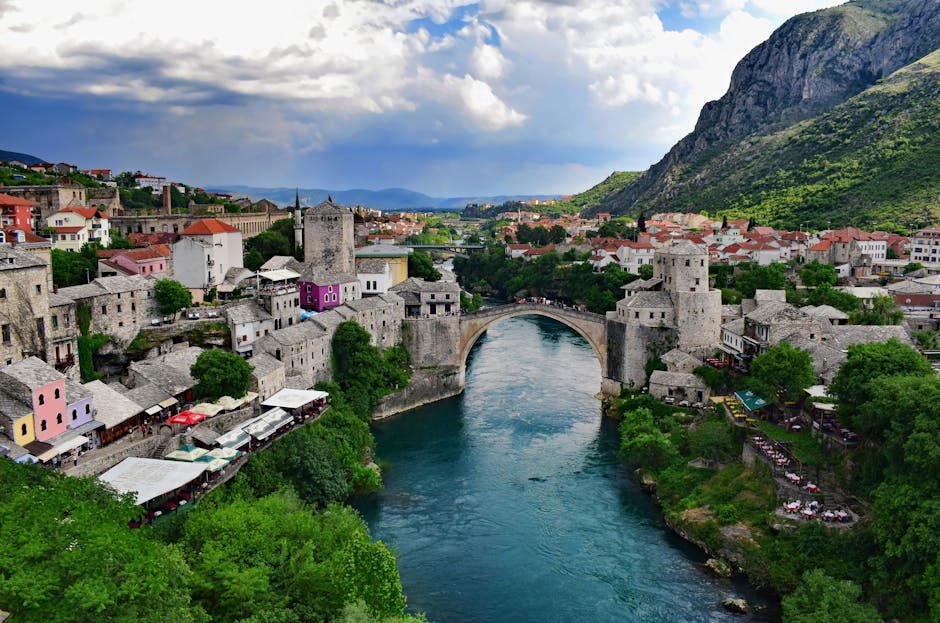
A land of mountains, rivers, and the famous Ottoman-era bridge in Mostar, Bosnia and Herzegovina is one of the most ethnically and religiously diverse countries in the Balkans. Sarajevo, its capital, is often called the “Jerusalem of Europe” for its mix of mosques, churches, and synagogues, all within walking distance. It’s also the place where Archduke Franz Ferdinand was assassinated, triggering World War I. The scars of the 1990s war are still very visible, but so is the resilience of a people rebuilding their lives and culture.
Serbia
The largest of the post-Yugoslav countries, Serbia lies at the heart of the Balkans, both geographically and historically. It has long been a cultural and political crossroads. A place where Eastern Orthodox Christianity meets Central European and Ottoman legacies, and where empires once collided.
Serbia’s recent history is tangled in the story of Yugoslavia’s dissolution. As the dominant republic in the federation, it played a central role in the 1990s conflicts, and the legacy of those years still shapes both domestic politics and the country’s international relationships.
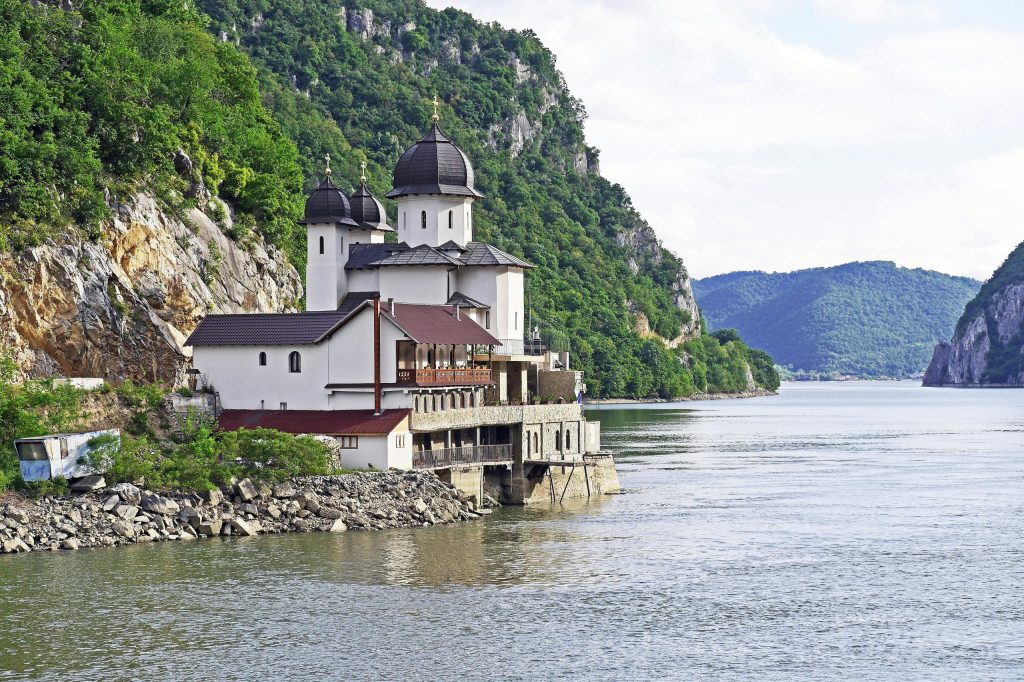
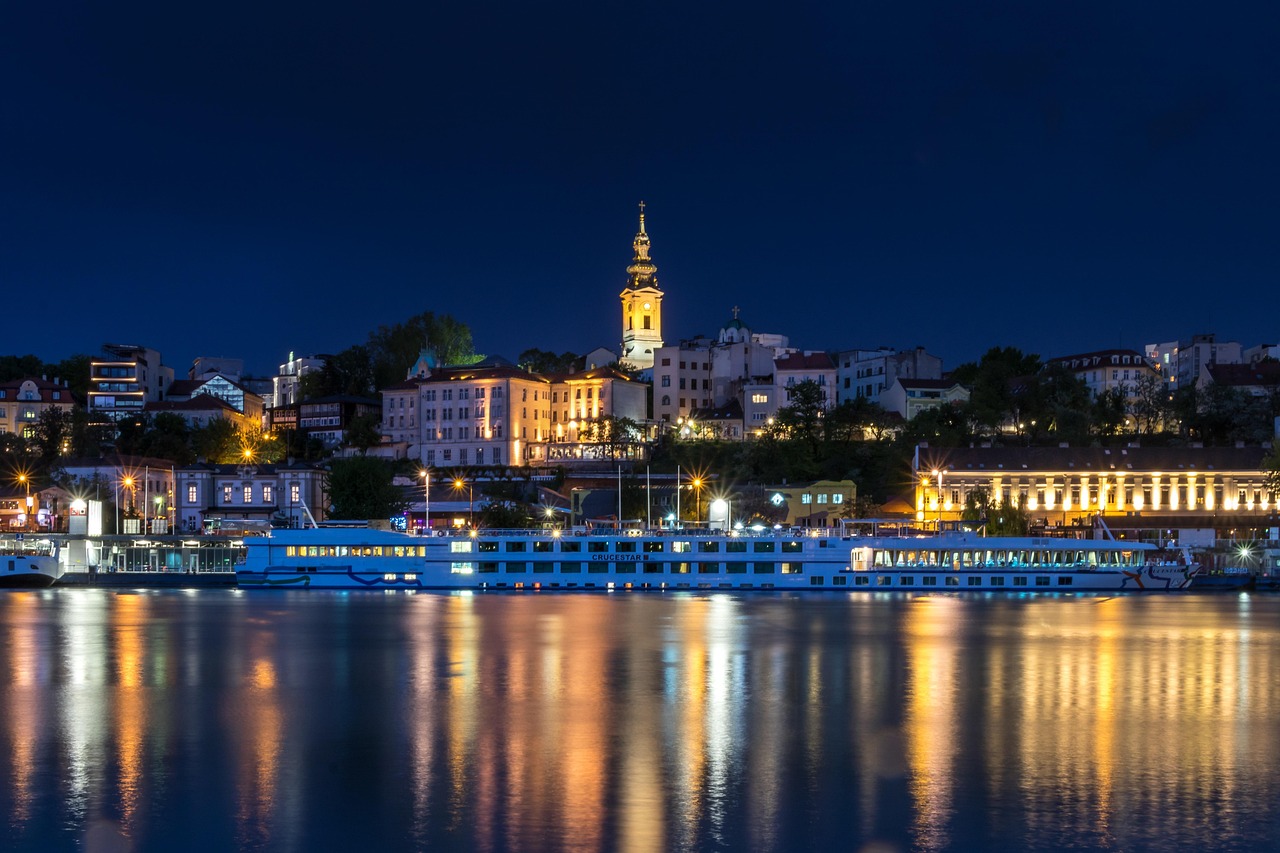
But Serbia is also a place of reinvention. Its capital Belgrade is known for its energetic nightlife, theaters, bookshops, and literary cafés. Outside the capital, historic monasteries dot the countryside, and traditions run deep in rural life.
North Macedonia
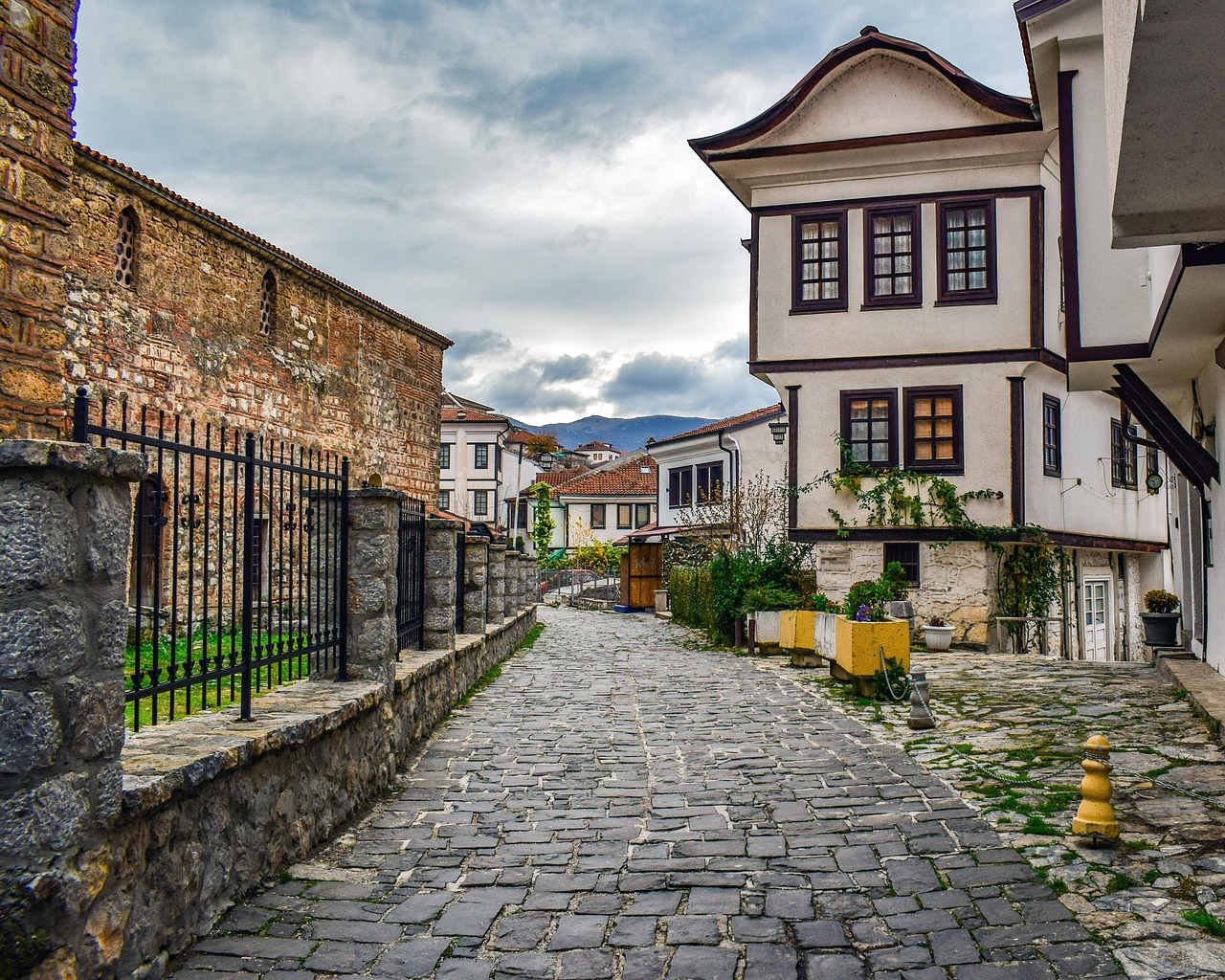
North Macedonia is a landlocked country with a rich blend of Slavic and Balkan cultures. The capital, Skopje, is known for its eccentric mix of architecture: modernist blocks, Ottoman bazaars, and oversized statues. While it has a layered history stretching back to Alexander the Great and the Roman Empire, it’s also carving out a literary and cultural identity of its own in the modern era.
The country had a long dispute with Greece centered on the country’s name and perceived implications for Greece’s own northern region of Macedonia. After years of stalled NATO/EU progress, the two governments finally signed an agreement in 2018, and the country adopted the name Republic of North Macedonia in 2019.
Kosovo
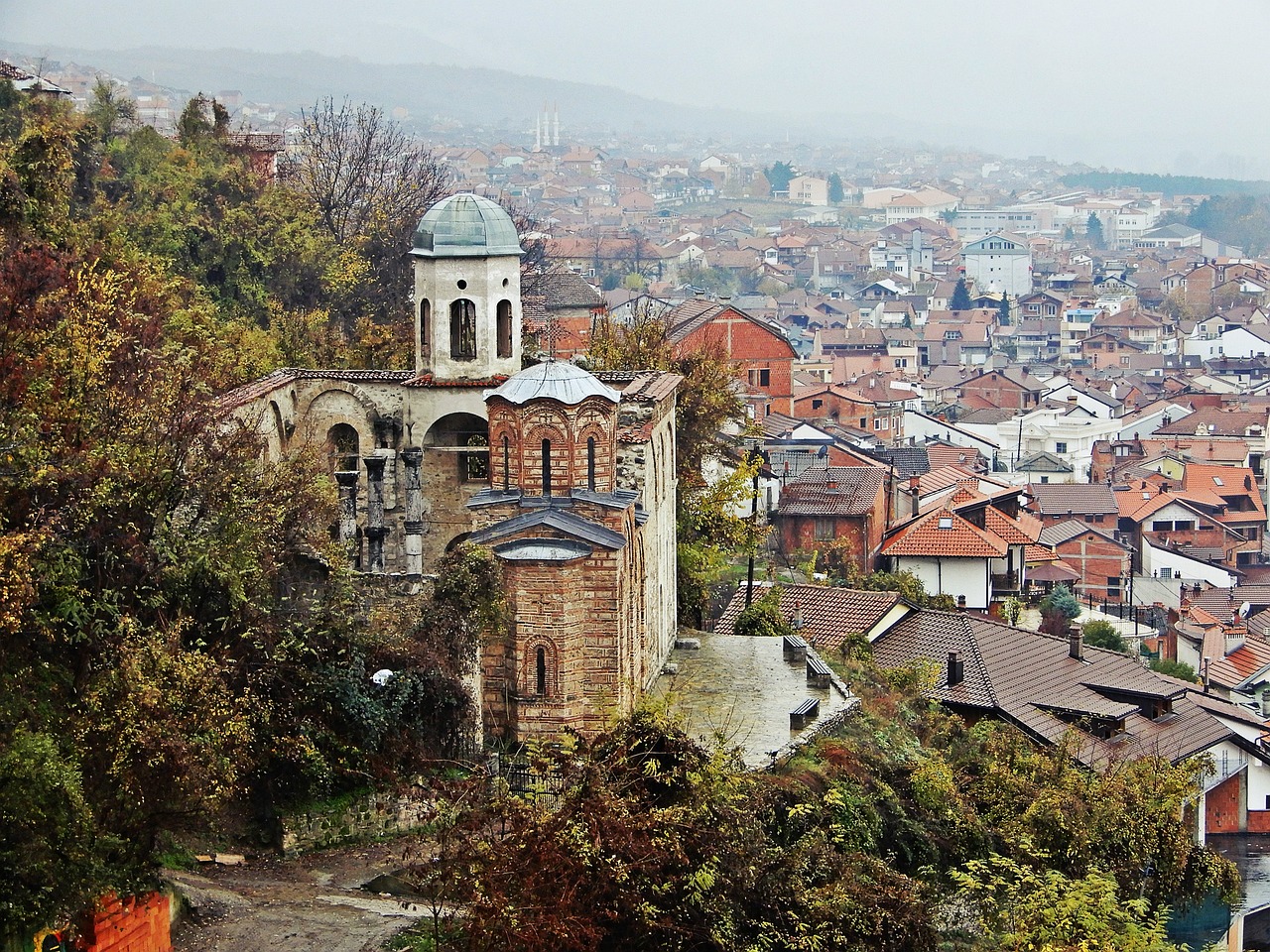
And finally, Kosovo, the youngest country in Europe. Kosovo declared independence from Serbia in 2008, and not everyone recognizes it to this day. Its population is mostly ethnic Albanian, and its culture reflects a mix of Balkan and Albanian heritage.
Despite its small size, Kosovo has a vibrant youth culture, a lively café scene, and a growing literary voice. As is the case in this entire region, it’s a place where the wounds of war are still close, but so is the desire to look forward.
Montenegro
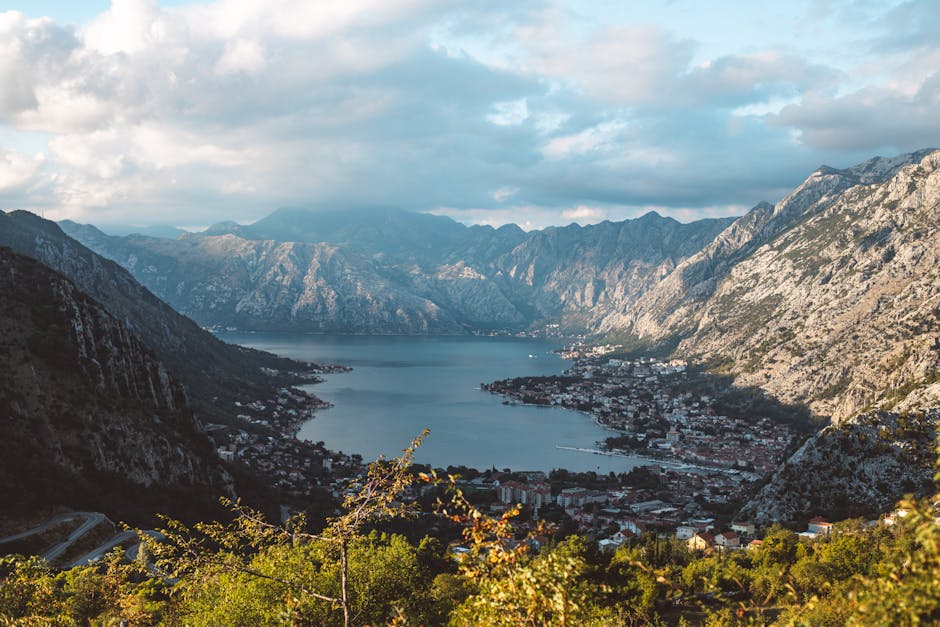
Montenegro packs dramatic mountain ranges, deep canyons, and a striking Adriatic coastline into a small package. The name means “Black Mountain,” and its rugged interior has long symbolized defiance and independence.
Montenegro was part of a joint state with Serbia up until 2006, when it voted to go its own way. It’s a country of dramatic contrasts: ancient monasteries and glitzy beach towns, sleepy mountain villages and buzzing nightlife.
A very brief history of the region
The Balkans have long been a crossroads of civilizations, where East meets West, and empires have come and gone. Ancient Illyrians, Thracians, and Slavs laid the earliest foundations, followed by centuries under the Roman and then Byzantine Empires. Later, the region was shaped by both the Ottoman Empire from the south and the Habsburg Empire from the north. Orthodox Christianity, Catholicism, and Islam all took root here, side by side. It’s a region layered with different languages, faiths, and national identities, where borders have rarely stayed still for long.
After World War I the forming of Yugoslavia was an attempt at unity. It brought together the various South Slavic peoples under one flag, first as a kingdom and later, after World War II, as a socialist federation. Yougoslavia was made up of six republics: Slovenia, Croatia, Bosnia and Herzegovina, Serbia, Montenegro, and Macedonia, plus the two autonomous provinces within Serbia: Kosovo and Vojvodina, home to a wide mix of ethnic groups, languages, and religions.
Under Josip Broz Tito’s leadership, Yugoslavia functioned as a socialist federation, but independent from the Soviet Union, maintaining a careful balance between its diverse populations with a strong central government.
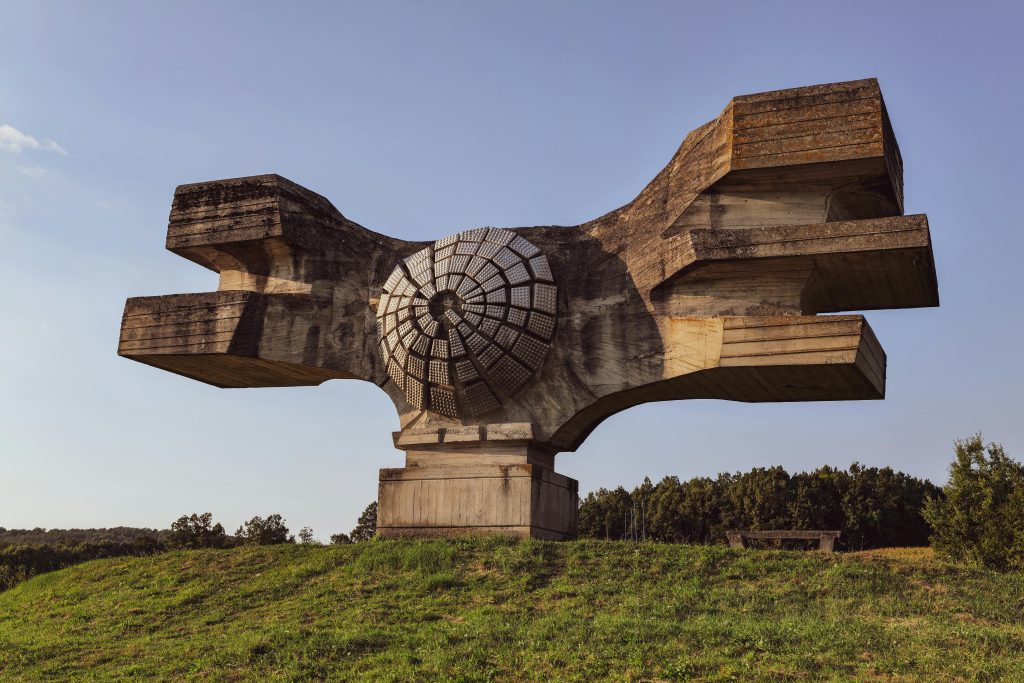
But when Tito died in 1980, the cracks began to show. Economic decline, rising nationalism, and resentment over how power and resources were distributed between the republics created growing tension.
In the early 1990s, as communism collapsed across Eastern Europe, several republics pushed for independence, while Serbia, under nationalist leader Slobodan Milošević, sought to keep the federation intact, or at least maintain control over regions with large Serbian populations.
The result was a series of wars. North Macedonia declared independence in 1991 and withdrew without major clashes, and Slovenia’s breakaway also in 1991 only led to a short, ten-day conflict. But Croatia’s war lasted several years of fighting over ethnically mixed territories, and the war in Bosnia and Herzegovina (1992–1995) was the most brutal, marked by ethnic cleansing, the siege of Sarajevo, and the Srebrenica genocide. Later, in 1999, conflict flared again in Kosovo, where a Serbian crackdown on the ethnic Albanian majority led to NATO intervention and, eventually, Kosovo’s declaration of independence in 2008. Montenegro and Serbia split peacefully in 2006.
Join me as I explore the former Yugoslav countries
This is such an interesting region for me to step into, and I am really looking forward to explore the literature of these seven countries. I’m expecting books that wrestle with memory and identity and echo with loss, but also resilience. Stories marked by the horrors of war, and others that are trying to move beyond it.
And I’m hoping for the unexpected, too. Other regions have surprised me, so who knows what we will find here.
As always, I’ll be reading one book from each country every week and sharing my thoughts along the way. I don’t expect to emerge as an expert, but I do hope to come away with a better understanding of this region and the people who live there.