I’ll admit it right away, Central Europe is completely unfamiliar territory for me. I’ve never read anything from this region, never been there in person and never studied its history in depth. Besides Kafka and the Nobel prize winning Olga Tokcarzuk (both of which I have also never read), I couldn’t name any of the authors of this region off the top of my head.
That, my friends, is about to change. I really have no idea what I’ll find here, but I do hope I’ll manage to choose books I actually enjoy more than my slightly disappointing picks from Southern Europe!
So where exactly are we going?
As ever, before I start reading, I’ll do a brief introduction to the region we are heading into. Mostly for my own enjoyment, but I am happy if you come along!
The four countries of what I choose to call Central Europe sit in the middle of Europe, not quite East, not quite West, and that in-between position has shaped much of their identity. Through history, they have been part of empires, cut apart by borders, and pulled in different directions politically, culturally, and linguistically. In my understanding they share a certain resilience, a capacity for reinvention, and a long history of surviving.
Come along as the Borderless Bookshelf visits Poland, Czechia, Slovakia and Hungary!
Poland:
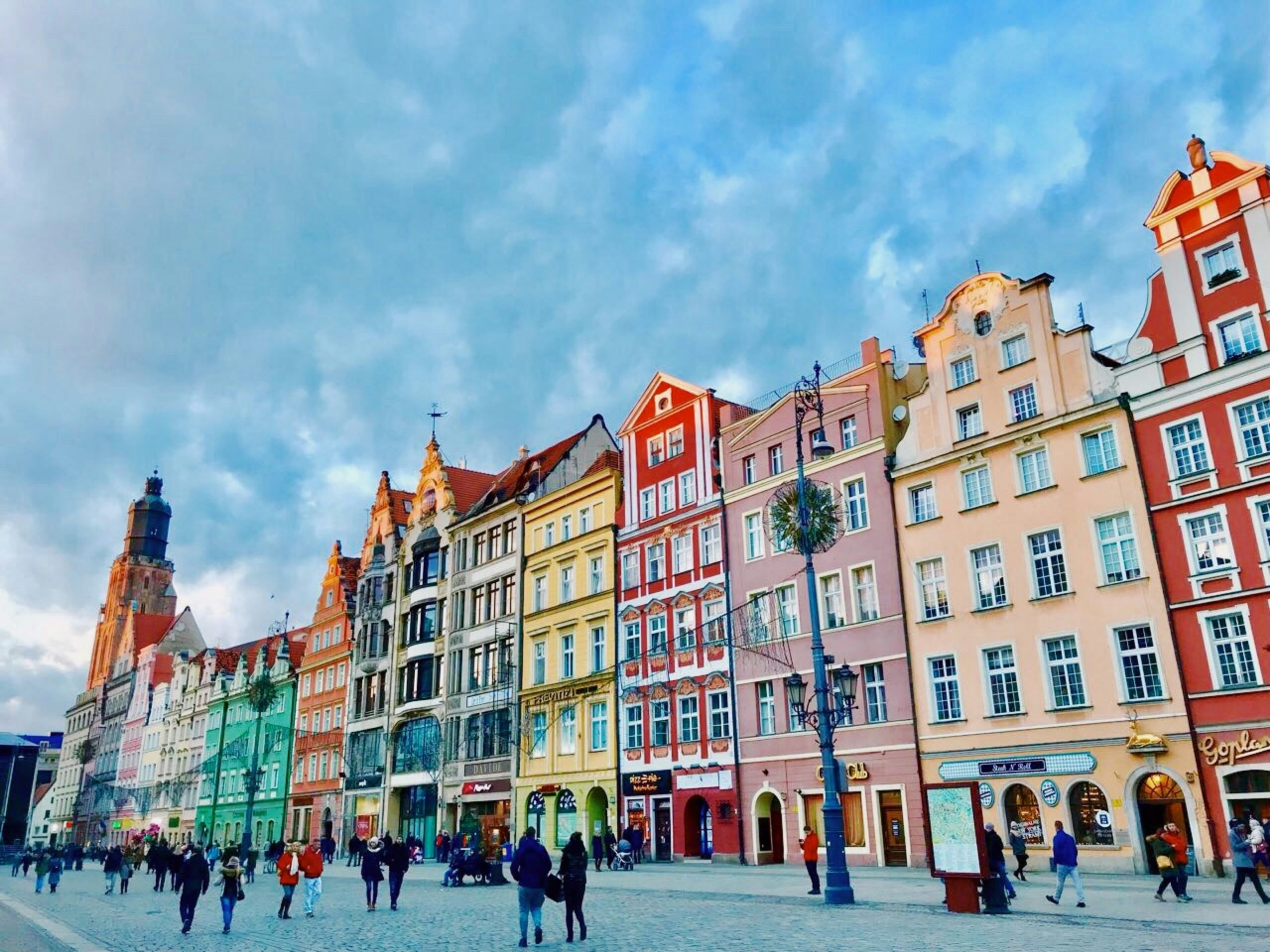
Poland is the largest country in this group and one of the most populous in Europe. Stretching from the sandy shores of the Baltic Sea in the north to the forested Carpathian Mountains in the south, Poland is a land of lakes, medieval castles, beautiful cities like Warsaw, Gdańsk, and Kraków.
The country is known for pierogi, hearty stews, deep-rooted Catholic traditions, and a rich cultural life shaped by centuries of upheaval. And for housing many of the Nazi concentration camps in WWII. I expect to find many Holocaust stories in this part of Europe.
Czechia (Czech Republic)
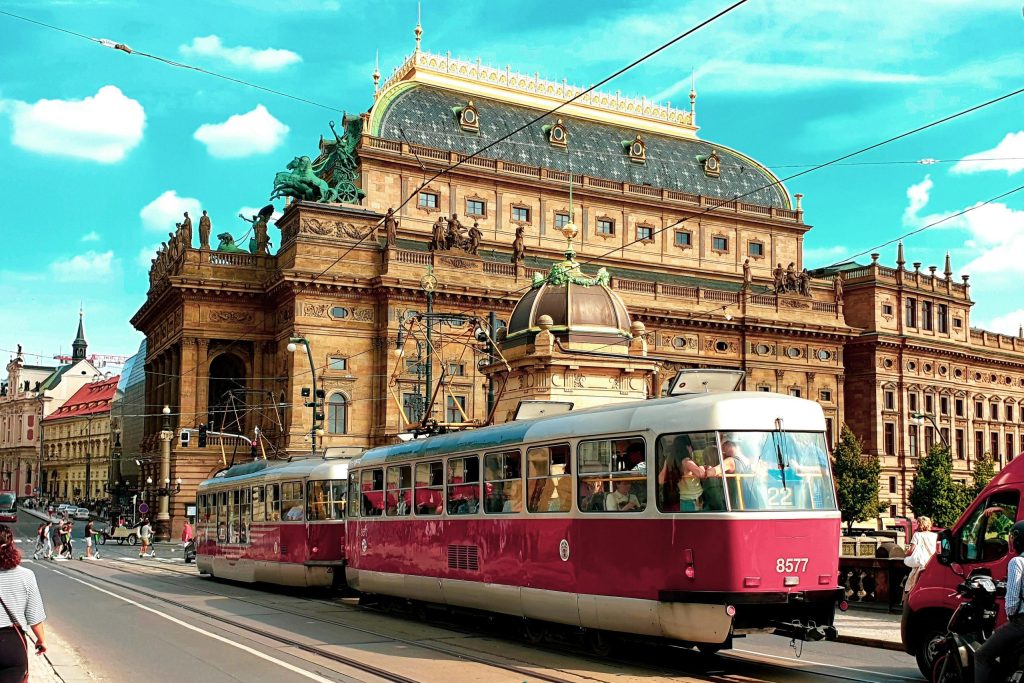
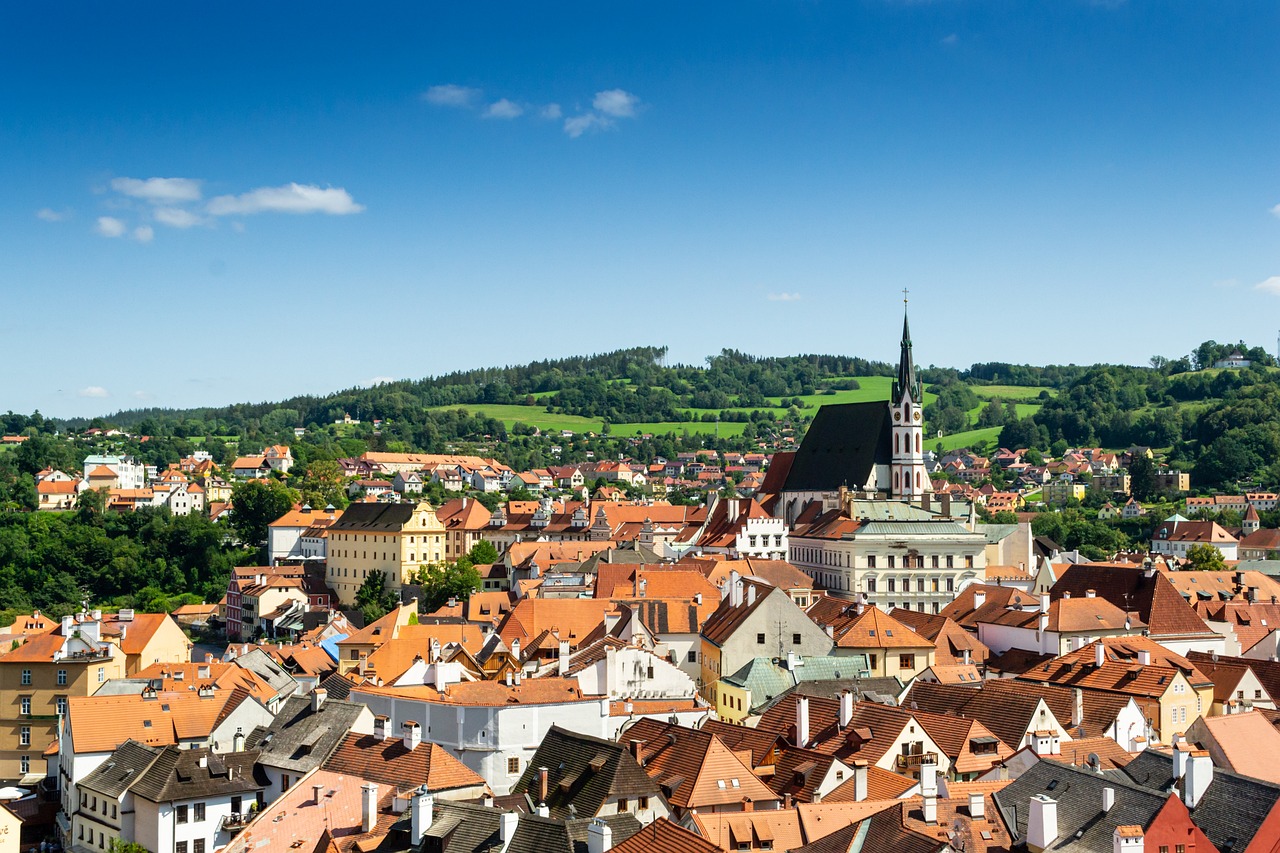
Next we’ll head to Czechia. Think ornate town squares, rolling hills, and the piqtouresque city of Prague with its Gothic spires and astronomical clock.
Many Danish people have spent a holiday drinking beer in Prague at least once, but I have yet to experience that. The Czech people are famously fond of beer (per capita, the biggest consumers in the world) and dry humor. There’s also a proud tradition of puppetry, absurdist theatre, and quiet rebellion. Czech literature, I am told, is often imaginative, ironic, and not afraid to poke at authority. Kafka would of course be the obvious choice here, but I already have my eyes on a few different options.
See book suggestions for Czechia here!
Slovakia
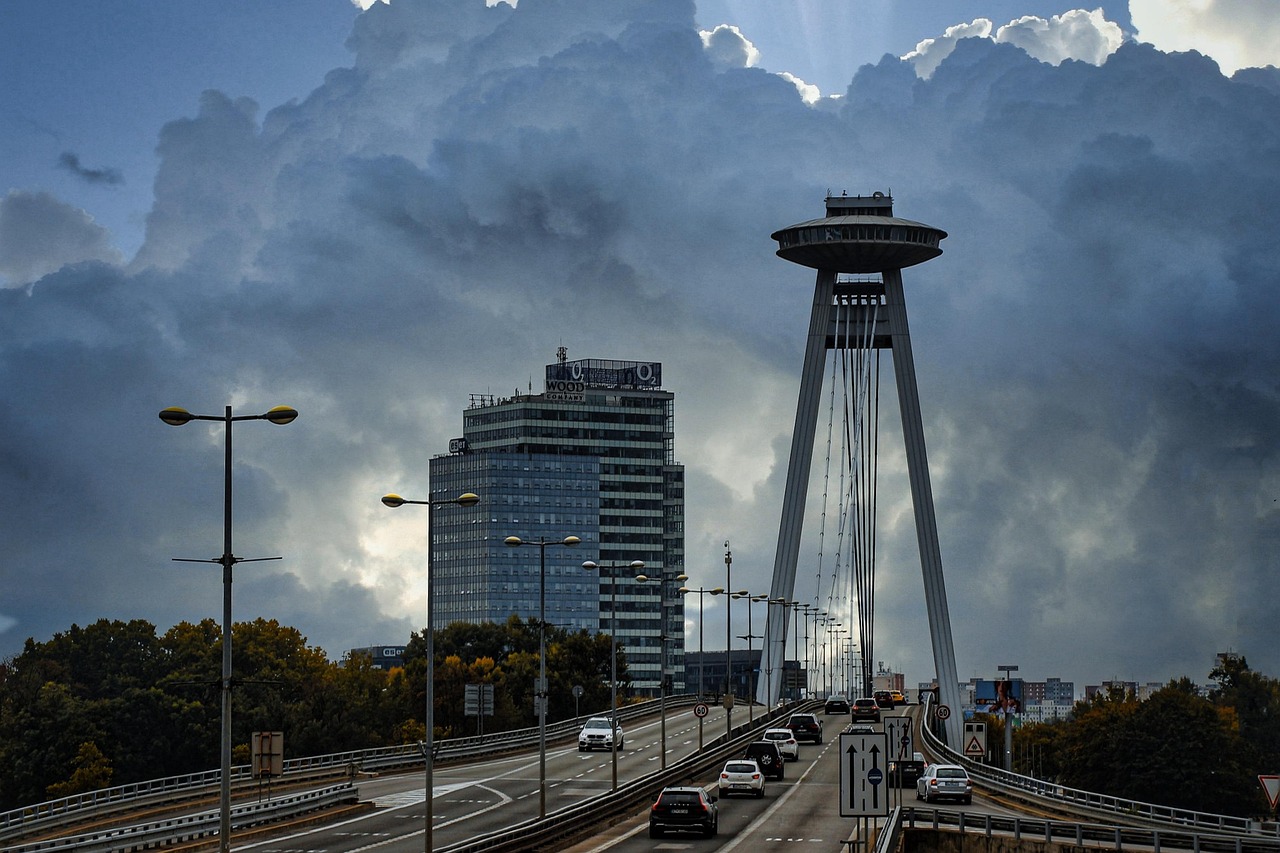
To the east of Czechia we head into Slovakia. From 1918 to 1992 these two were joined in the one country, Czechoslovakia. Slovakia is a place of dramatic natural beauty: jagged mountain ranges, deep river valleys, and an abundance of castles per square kilometer. It is a multilingual and culturally rich nation with strong folk traditions.
Its capital, Bratislava, which sits along the Danube river, boasts a mixture of Austro-Hungarian elegance and post-Soviet grit. Slovak literature appears much lesser known internationally, than the books from its neighbouring countries, and I’m excited to see what I can find here.
Book suggestions from Slovakia here.
Hungary
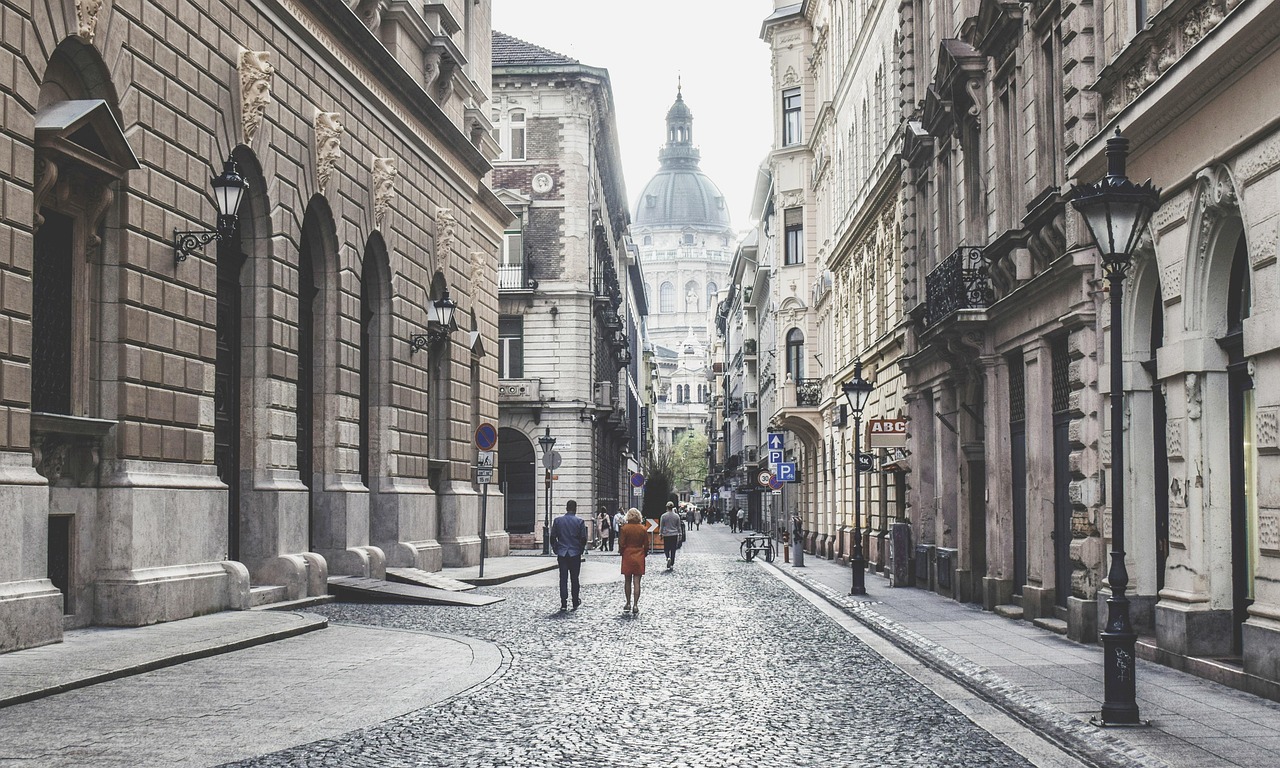
Hungary is geographically distinct, with the vast Great Hungarian Plain dominating the east and the Danube River slicing through its elegant capital, Budapest. It is famous for thermal baths, paprika, and melancholy violin music. Hungarian is a Finno-Ugric language, unrelated to any of the surrounding Slavic or Germanic tongues.
Hungarian literature is so far a blind spot for me, like the other countries in this group, but wikipedia tells me that it has a literary tradition that blends lyrical beauty with existential weight, filtered through a sharp, dark wit.
Book suggestions for Hungary here!
A very brief history of the region
Central Europe has always been a meeting point (or should we say a fault line) of cultures, languages, and empires. These countries (or parts of them at least) were all once part of the Austro-Hungarian Empire, whose collapse after World War I redrew the map dramatically.
Poland only regained independence in 1918 after more than a century of partition between Russia, Prussia, and Austria. At the same time Czechoslovakia was created from the Czech and Slovak lands, while Hungary became a much smaller state than it had been before.
The 20th century brought devastation and dictatorship to Central Europe. World War II began with the German invasion of Poland, and the Holocaust wiped out millions, including a huge portion of this region’s once-thriving Jewish communities. After the war, Soviet influence spread across the area. For the next four decades, these countries lived under communist regimes marked by censorship, repression, and occasional uprisings. The Prague Spring of 1968, for example, was a moment of hope brutally crushed by Soviet tanks.
It wasn’t until 1989, the year of revolutions, that everything began to change. Peaceful protests and political shifts toppled the old regimes one by one, leading to democratic transitions and the eventual integration of these countries into the European Union. But the legacy of empire, war, and authoritarianism is still very present in architecture, politics, public memory, and literature.
Join me as I explore Central Europe
So. I’m stepping into this part of the world with little to no background, and I’m inviting you to come along as we explore Central Europe, one book at a time!
If you have any recommendations, I’d love to hear them! Feel free to leave a comment or send me a message, and stay tuned for my first book selection from Poland!