We are still in East Asia, but moving on the the coastal region containing Japan and the two Koreas. So this time, we’re not looking at sprawling continental giants, but at a much tighter, more contained region.
Compared to some of the regions I’ve covered recently, this one feels almost… manageable? It also seems familiar in some way. Because though I have not actually been to any of these countries, I have already consumed a lot of not just books, but also music, television and movies from this region.
So where exactly are we going?
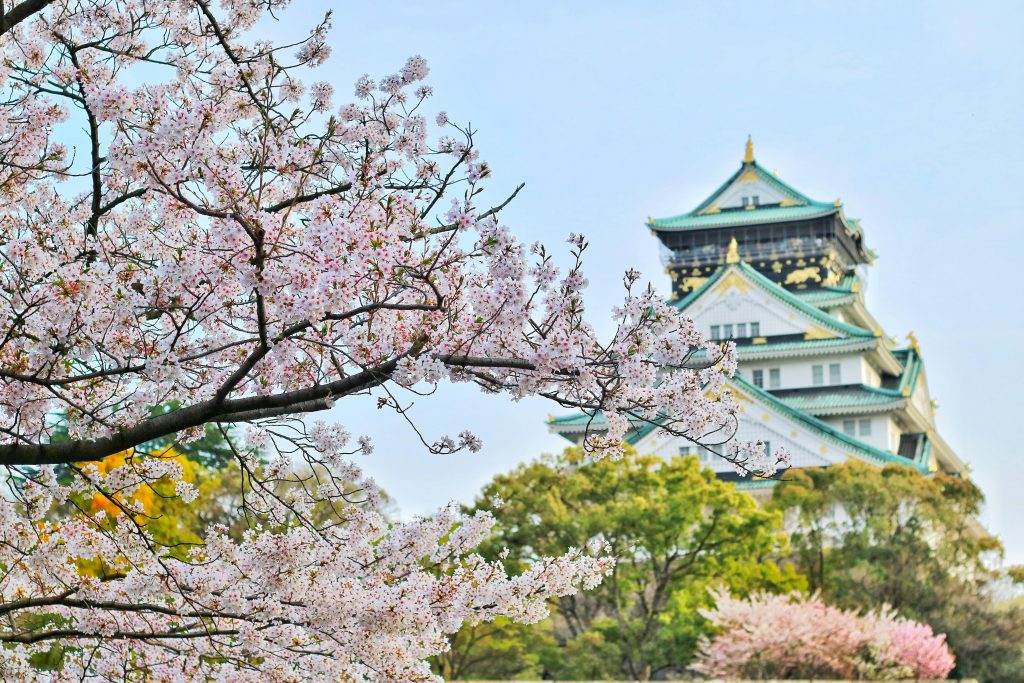
Geographically, we’re looking at a stretch of land and islands along the eastern edge of Asia, facing the Pacific Ocean. Mountain ranges, dense cities, rugged coastlines, and (of course) cherry blossoms drifting through spring air.
Culturally and historically, this is a region shaped by shared influences and deep divides. Chinese philosophy and writing systems once travelled across these lands, but each country developed its own distinct identity over time. Trade, war, occupation, and political tension have left marks that are still very visible today.
It’s a region of contrasts: ancient traditions alongside hyper-modern cities, rigid political systems next to vibrant pop culture, isolation versus global influence.
Japan
Let’s start on the islands.
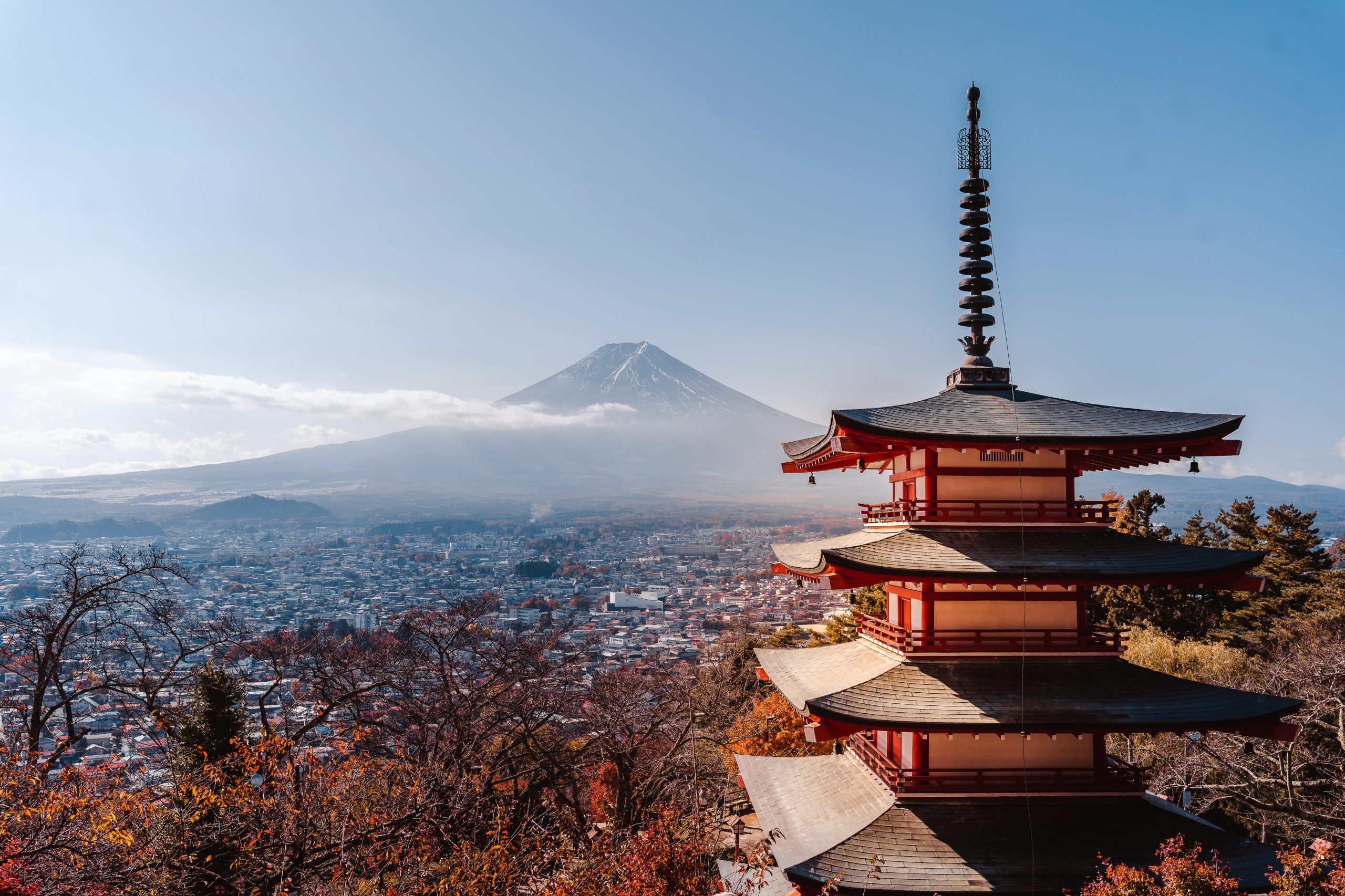
Japan is, in many ways, one of the most recognisable countries in the world, even if you’ve never been there. Samurai, sushi, Shinto shrines, anime, bullet trains, neon-lit cities. It’s a place that exists both as reality and as a kind of global imagination.
Geographically, Japan is an archipelago of more than 6,000 islands, though most people live on the four main ones. Much of the country is mountainous, which has historically limited where people could settle, resulting in densely populated cities along the coasts.
Maybe the most fascinating thing about Japan is the layering of time. Centuries-old temples standing quietly between glass skyscrapers. Ancient rituals preserved with incredible care, while technology pushes relentlessly forward.
Japan also spent long periods relatively isolated from the outside world, particularly during the Edo period, which allowed its culture to develop in very distinct ways. And even after opening up, it has managed to absorb outside influences while still feeling unmistakably itself.
I’ve read quite a bit of Japanese literature over the years, so I’m not quite sure what I’ll be going for this time.
South Korea
Ah, South Korea. This country has a special place in my heart. Over the later years you can say I have had a kind of personal love story with this place.
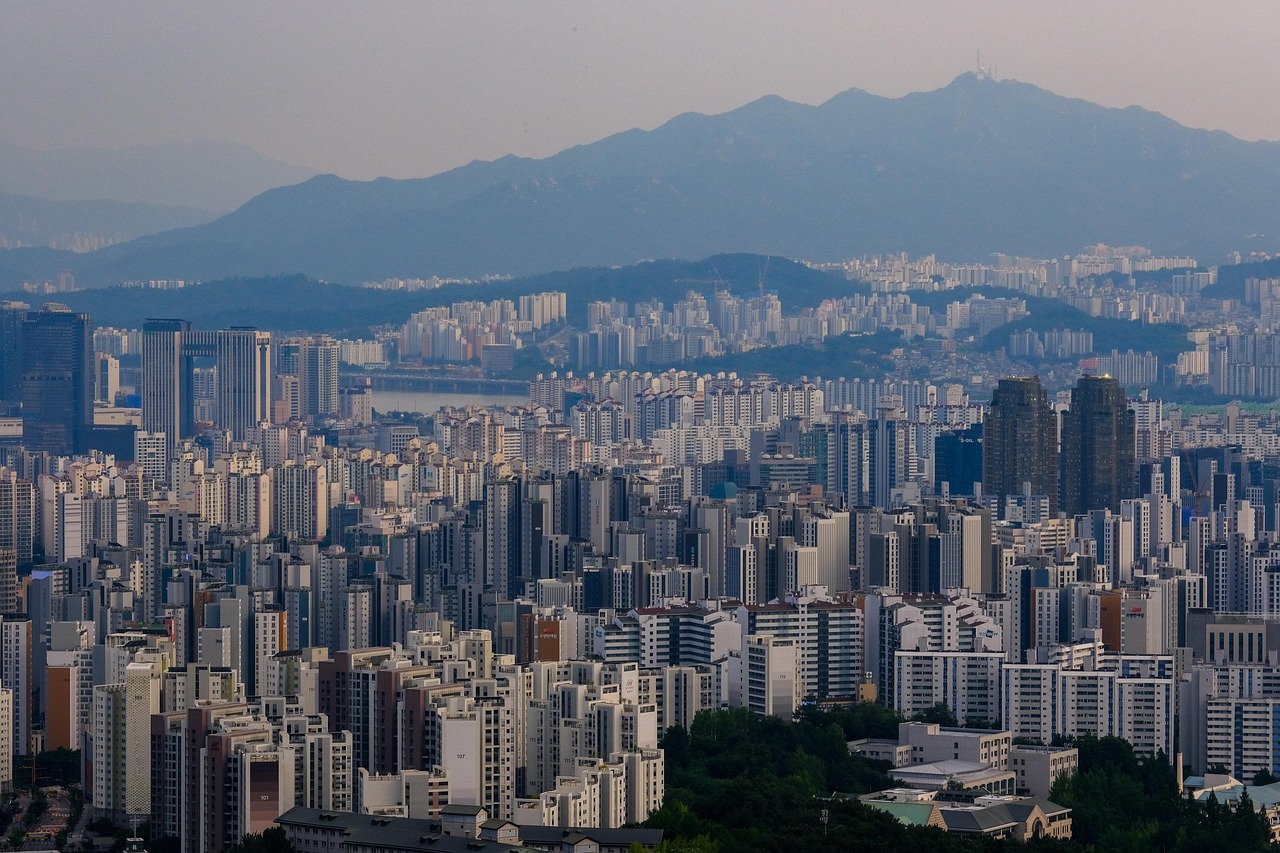
South Korea is one of the fastest-changing places in the world. Within just a few decades, it has transformed from a war-torn country into a global cultural powerhouse. South Korea’s cultural reach today is enormous. Film, music, television, literature, all travelling far beyond its borders. And I have fallen deeply in love with all of it, to the point of actually trying to learn the language for a while.
Seoul, the capital, is a sprawling megacity where high-tech infrastructure, ancient palaces, and busy street markets exist side by side. It’s a place of constant movement and reinvention.
But beneath the modern surface lies a long and complex history. Confucian traditions still influence social structures, family dynamics, and daily life. And the memory of division, of war, of a country split in two, is never far away.
North Korea
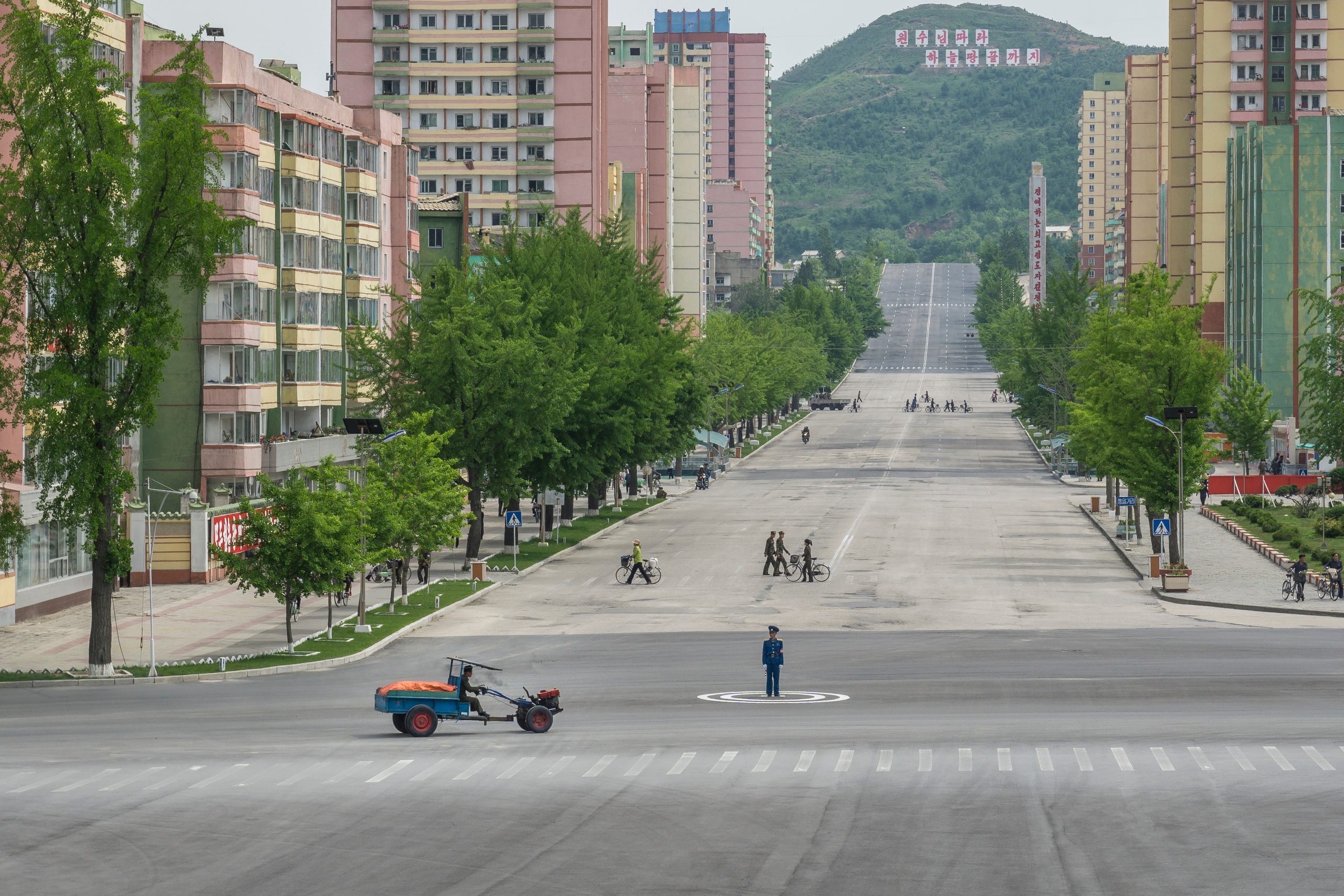
Stepping into a completely different reality, North Korea is one of the most isolated countries in the world, where information is tightly controlled and access is extremely limited. Unlike South Korea, which is highly visible globally, North Korea is largely hidden, known mostly through political narratives, documentaries, and rare personal accounts.
It’s a place shaped by ideology, by control, and by separation. The division of the Korean peninsula after World War II, and the subsequent Korean War, created two countries that have developed in radically different directions.
Much of the literature available is written in exile, or filtered through translation and politics. Which raises the usual question for this project: what counts as a country’s literature? North Korea has fascinated me for a long time, and I’ve already read several of the refugee memoirs available, so it’ll be interesting to see if I can uncover anything other than what I already know.
A very brief history of the region
For centuries, these countries were part of a broader East Asian cultural sphere, heavily influenced by China through philosophy, writing systems, and governance models. Confucianism, Buddhism, and classical Chinese texts shaped education and society across the region.
But despite these shared roots, each developed along its own path.
Japan, as an island nation, experienced long periods of isolation, which allowed it to cultivate a distinct cultural identity. Korea, situated on the peninsula, became both a bridge and a battleground between larger powers, particularly China and Japan.
In the early 20th century, Korea was annexed by Japan, a period that left deep scars and continues to shape relations in the region today.
After World War II, Korea was divided into North and South along ideological lines, leading to the Korean War (1950–1953). The war never officially ended, and the border between the two countries to this day remains one of the most heavily fortified in the world.
Japan, meanwhile, rebuilt itself after the war into a global economic power, while South Korea followed a similar trajectory a few decades later, rapidly industrialising and modernising.
North Korea took a very different path, developing into a highly centralised and isolated state.
So while these three countries share geography and fragments of history, their present realities could hardly be more different.
Join me as I explore …
Three countries of a region that feels both connected and deeply divided.
This will be a mix of familiarity and complete uncertainty. Which, as it turns out, is exactly where I like to be with this project.
Over the next weeks, I’ll be putting together book lists and reading one book from each of these places: Japan, South Korea, and North Korea.
If you have recommendations, favourites, or thoughts about literature from this region, I would love to hear them!
Let’s see where the stories take us 🙂