We’re moving on into a part of the world, which lodged itself in my imagination many years ago. I was quite young when I first read books about people travelling the Silk Road, and ever since, it has hovered at the edge of my curiosity.
Names like Samarkand and Tashkent still carry promises of dust and caravans, of stories carried across deserts, of cultures meeting and changing one another along the way.
In other words this is a region I’m very excited to start reading!
So where exactly are we going?
The region of Central Asia, sometimes folded into Western Asia, sometimes described as the post-Soviet space, or simply referred to as the “Stans”. Kazakhstan, Uzbekistan, Turkmenistan, Tajikistan and Kyrgyzstan.
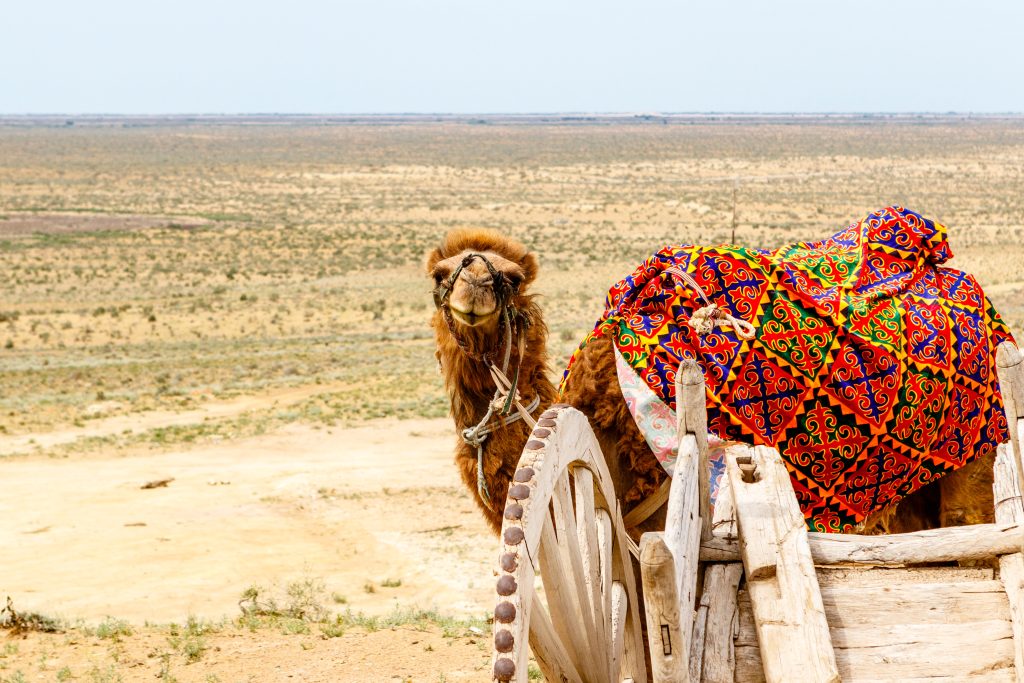
Sandwiched between Europe and China, Russia and the Middle East, for centuries this vast area has been crossed by traders, armies, nomads and travellers moving through rather than settling down. Even today, it can feel like a place the rest of the world looks past or talks around, despite its long history.
In national terms, these countries are very young. Their independence came abruptly with the collapse of the Soviet Union in the nineties. National narratives, borders, and institutions had to be established quickly, without much room to account for what came before.
And what came before was long, layered, very interesting but also way too complicated for me to get into here without writing a dissertation.
But in short, various empires, khans and emirs have crossed and fought over these lands centuries before modern states existed. The Silk Road was not a single route but a shifting network, carrying goods, languages, religions, and stories across enormous distances, and cities emerged because people passed through them.
Instead of starting with the Wikipedia articles, this time I did something I usually don’t do.
I read a book!
Sovjetistan by Erika Fatland became my way into the region, and I learned a great deal from it! I learned about endless steppes, towering mountain peaks, ancient history, borders drawn with little regard for ethnicities, bride kidnapping, devastating enviromental scars, futuristic cities and despotic president cults.. I found the book very engaging and informative, if a little uneven and tangential at times, and I would easily recommend it as an introduction to this part of the world!
But let’s take a look at the countries we’ll be covering this coming month.
Turkmenistan
I’ve seen Turkmenistan described as the strangest country in the world. It is certainly one of the most closed, almost comparable to North Korea. But while the latter is highly visible through news coverage and political theatre, Turkmenistan operates much more quietly. I honestly did not even know there was a country of this name.
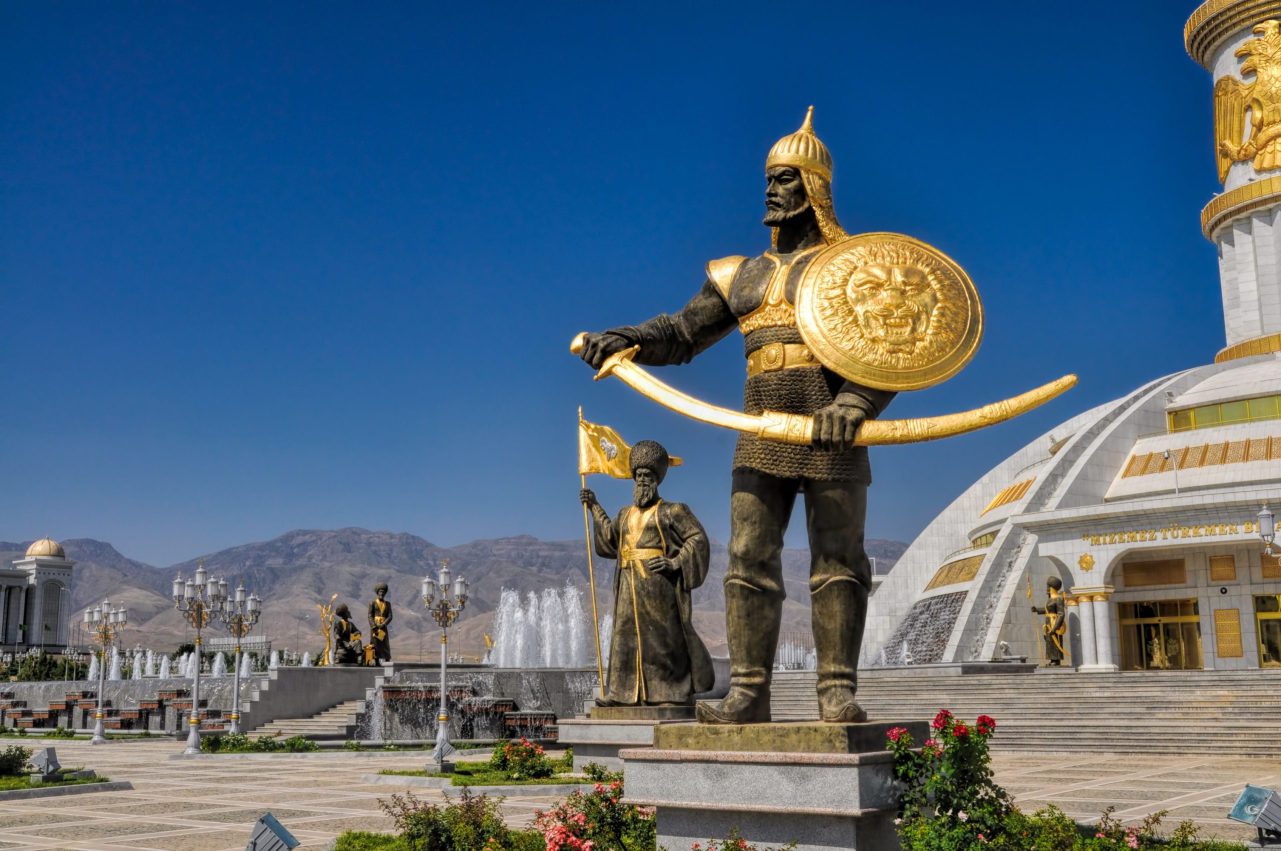
But it is a fascinating place. Cities in Turkmenistan are filled with white marble buildings, wide empty avenues, and monumental statues, most of them dedicated to the country’s leaders. The two presidents who have ruled since the fall of the Soviet Union have rewritten calendars, renamed months after themselves and family members, and published books presented as spiritual and moral guides for the nation. One ordered the construction of a golden statue in his image that rotated to follow the sun. The other (which incidentally was the dentist of the first …) issued bans on makeup and certain hairstyles, while promoting televised displays of physical fitness and himself performing his ode to his favourite horse. Yes, really.
Neutrality is a core part of the state’s identity, but borders are tightly sealed, visas are difficult to obtain, and contact with the outside world is very limited. Information emerges slowly and selectively, shaped by spectacle and control. So I do expect that books from Turkmenistan are going to be difficult to find and most likely from the Soviet period or written by authors in exile.
Kazakhstan
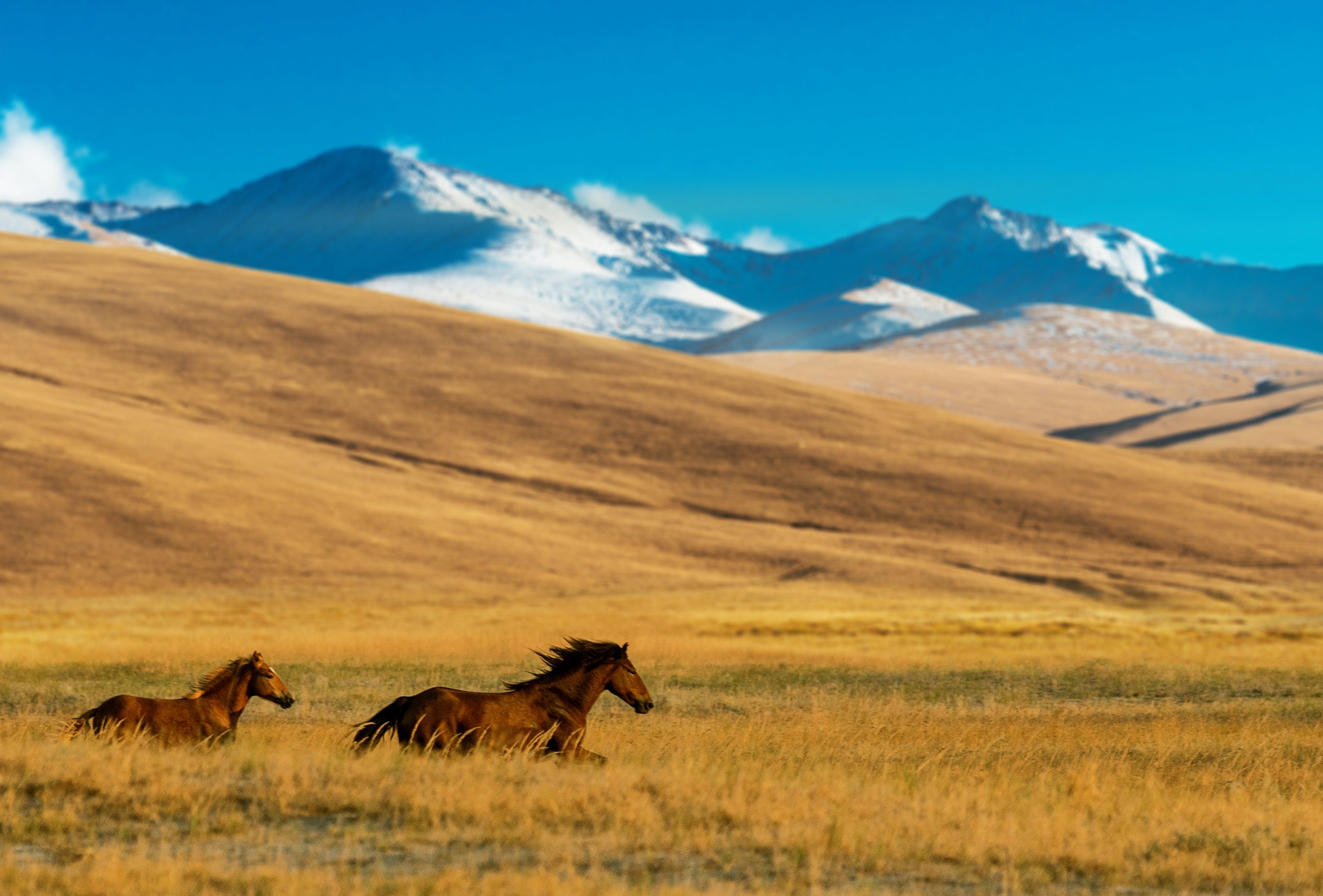
Kazakhstan is the largest country in the region by far, and the ninth largest in the world. stretching from the Caspian sea to China across steppe and desert with very long and empty distances between cities and settlements.
This was where the Soviet Union tested its nuclear weapons for decades, most notably at the Semipalatinsk test site. And it was also where The Aral Sea, once one of the world’s largest lakes, was almost completely drained through failed Soviet irrigation projects, collapsing local ecosystems and livelihoods.
But these environmental scars exist in Kazakhstan alongside a natural wealth, including oil, gas, and minerals, which have shaped the country’s role as one of the region’s richest states.
In recent years, heavy investments have been made in new cities, infrastructure, and international visibility. The capital has been rebuilt more than once, filled with symbolic and futuristic architecture. And, Soviet scars aside, Kazakhstan to this day remains very closely tied to Russia through history, language, and economics.
Kyrgyzstan
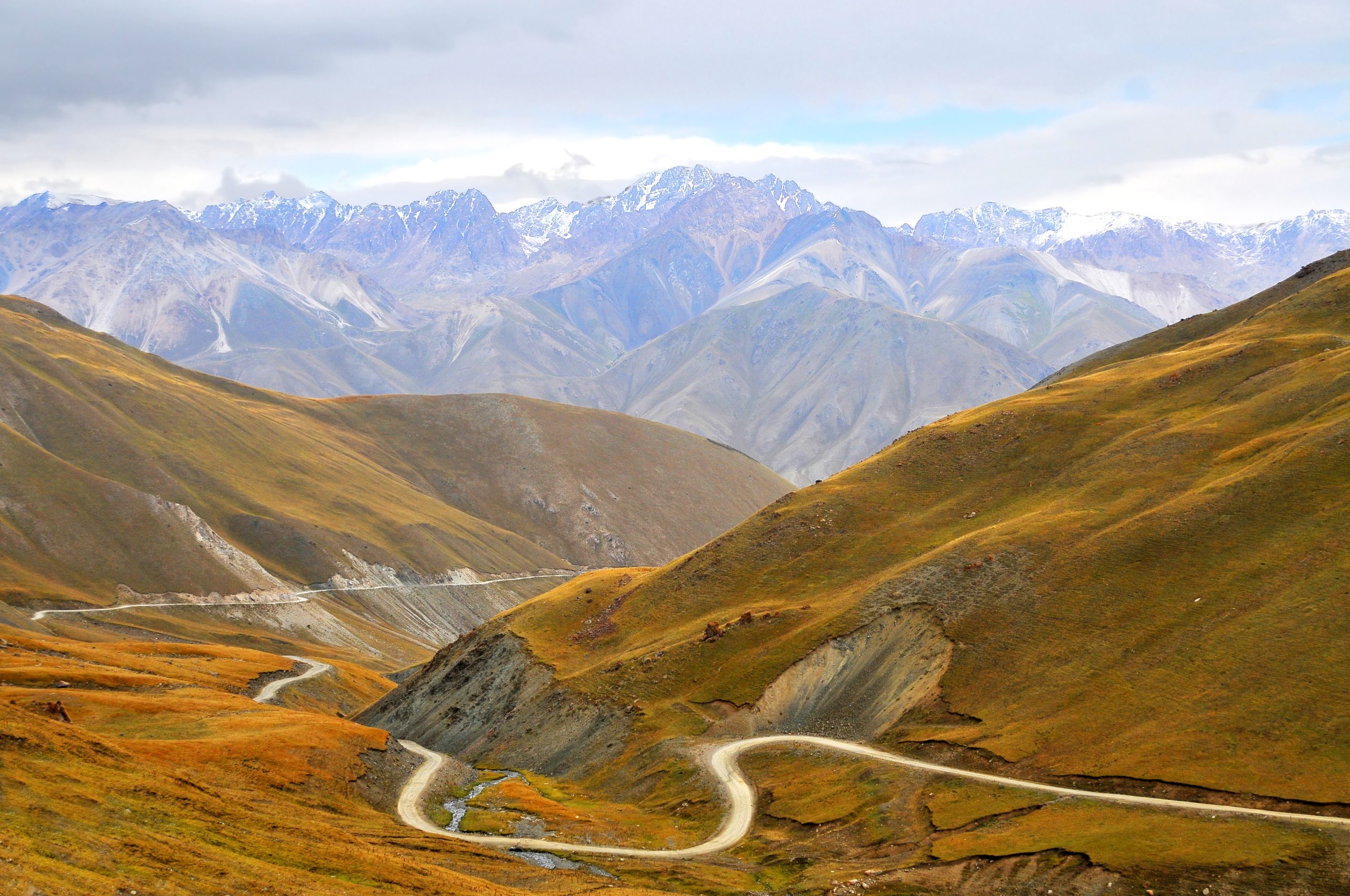
Shaped by mountains and sandwiched between Kazakhstan and China, much of Kyrgyzstan is high, steep, and difficult to cross. This geography has long encouraged mobility rather than settlement, and nomadic traditions remain a visible part of life here.
Once dubbed the “island of democracy” in Central Asia for its relatively open political environment in the 1990s, Kyrgyzstan has since experienced growing authoritarian tendencies. Governments have changed repeatedly, often through protest rather than succession, and public dissent has been more visible here than elsewhere in the region. As a side note, Kyrgyzstan did have the only female president of the region, and notably she was also the only president to hand over power peacefully. Wonder why that is …
Ethnic tensions have periodically surfaced, most violently in clashes between Kyrgyz and Uzbek communities in the south of the country.
The country has few natural resources and relies heavily on citizens working abroad.
Tajikistan
Tajikistan stands apart from the rest of the region through language and cultural inheritance. While its neighbours are largely Turkic, the Tajiks are of Persian origin, with a language closely related to Farsi and Dari.
This connection reaches back far beyond modern borders and aligns the country historically with Iran and Afghanistan as much as with Central Asia. Erika Flatland in Sovjetistan spends an entire chapter explaining how the borders of this region came to be (when the Russian and the British basically split the world between them).
The country, like Kyrgyzstan, is mostly dominated by mountains, and many communities are shaped by isolation. After independence, Tajikistan slid into a violent civil war that lasted through much of the 1990s. The effects of that period are still present. And so is the Soviet inheritance, where borders, infrastructure, and institutions were imposed from outside.
Uzbekistan
And finally, Uzbekistan. The historical heart and the most populous country of the region.
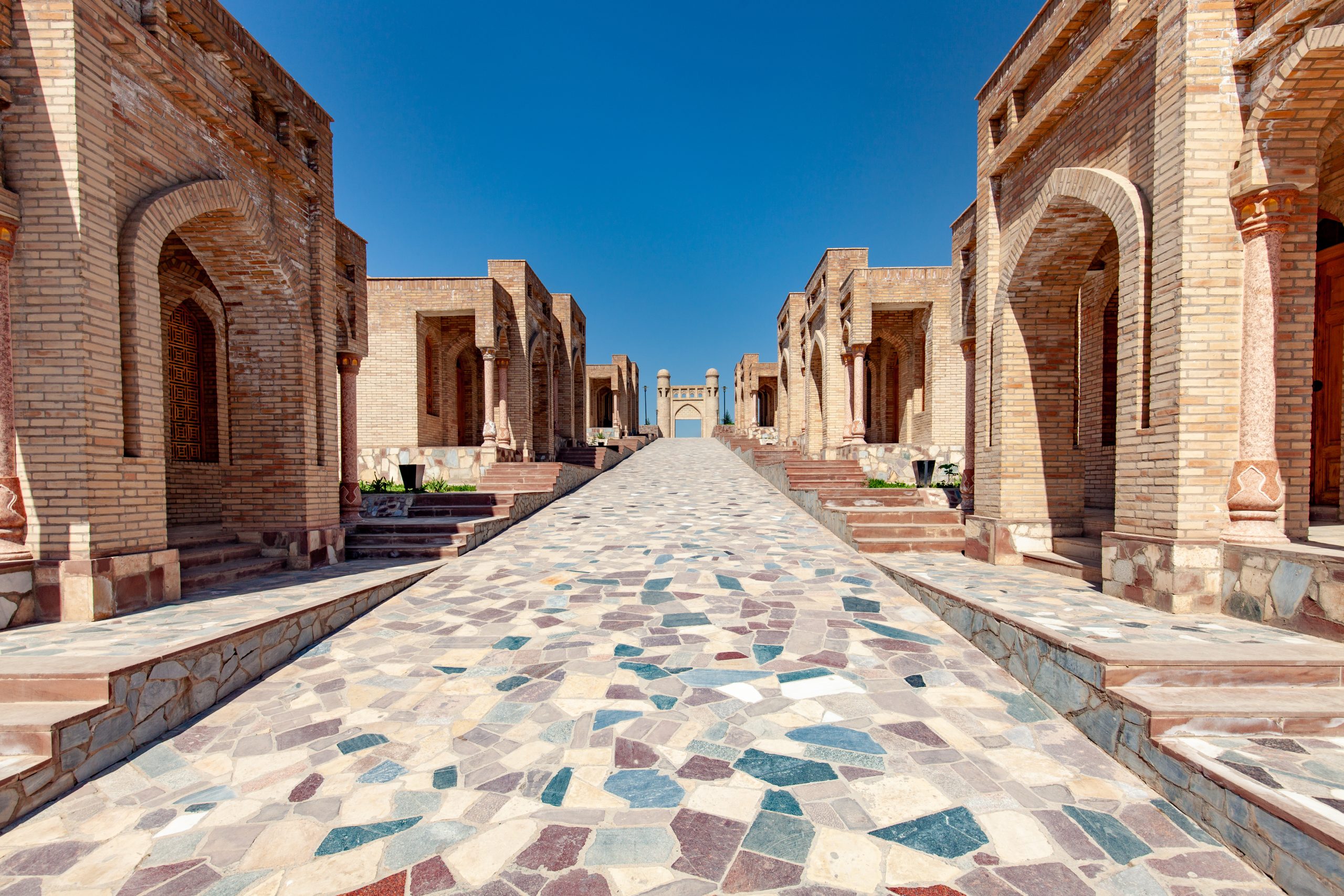
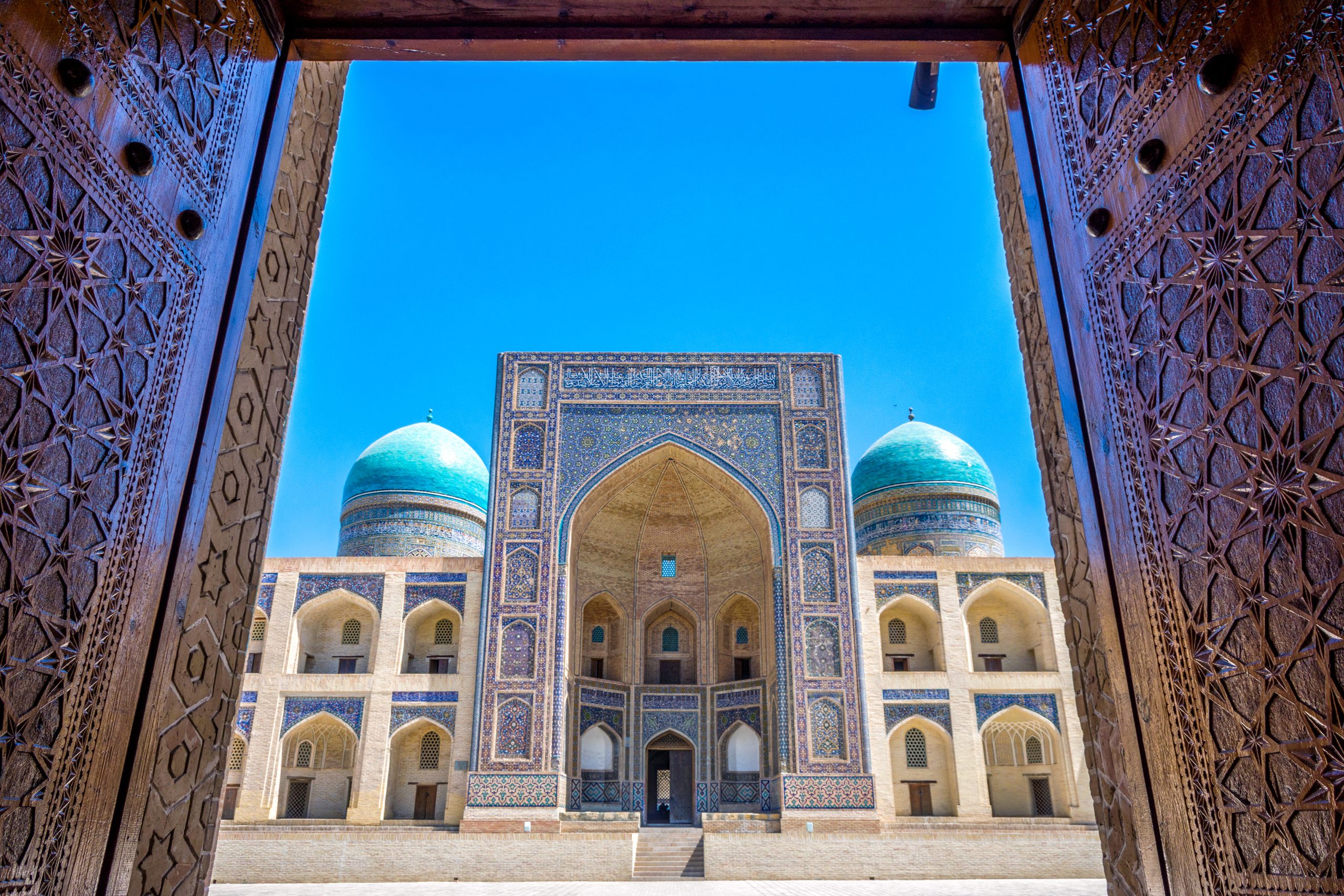
This is where many of the Silk Road routes converged, and where places like Samarkand and Bukhara carried centuries of trade and scholarship. Here were grand cities built on exchange, shaped by merchants, scholars, and travellers. History is very much visible in Uzbekistan through architecture, street layouts, and cultural memory.
But modern Uzbekistan is not only a place of romanticised pasts. It shares some of the region’s most damaging environmental legacies, most notably the destruction of the Aral Sea, devastating ecosystems and communities on both sides of the Uzbek–Kazakh border. What remains is a scarred landscape that cuts across national lines.
Uzbekistan today balances that heavy inheritance with a push toward openness and reform. The weight of history is ever-present, but so is the sense of a country negotiating how to live with it rather than be defined entirely by it.
Join me as I explore Central Asia
Under Soviet rule, the borders between these five countries were drawn with very little regard for language, ethnicity, or local ties. Tajiks, Uzbeks, Kazakhs, Turkmen and a range of other ethnicities who had lived alongside one another for generations were separated or grouped together under administrative logic rather than shared identity. Over time, these borders solidified, even as identities remained more fluid beneath them.
So today many ethnic groups span more than one modern state and languages cross borders. So when choosing books from this region, you quickly encounter for example Tajiks writing from Uzbekistan and Kyrgyz writing from Kazakhstan, and run into the problem of defining what counts as “from a country”. I’ll likely let the borders flow a little.
And of course there is also the problem of the scarcity of translated literature from the region in general and from female authors in particular.
But I shall do my detective best! Over the next month I’ll be diving into Turkmenistan, Kazakhstan, Tajikistan, Kyrgyzstan and Uzbekistan. As always trying to compile a list of books to read from each country, and reading and reviewing one of those myself.
I hope you’ll join me!
If you have recommendations from this region, please don’t hesitate to let me know.
Do you read these region intros at all, I wonder … I do them mostly for myself, but if you enjoy them, I would love to hear it 🙂