Either grant me the bliss of the ignorant or give me the strength to bear the knowledge
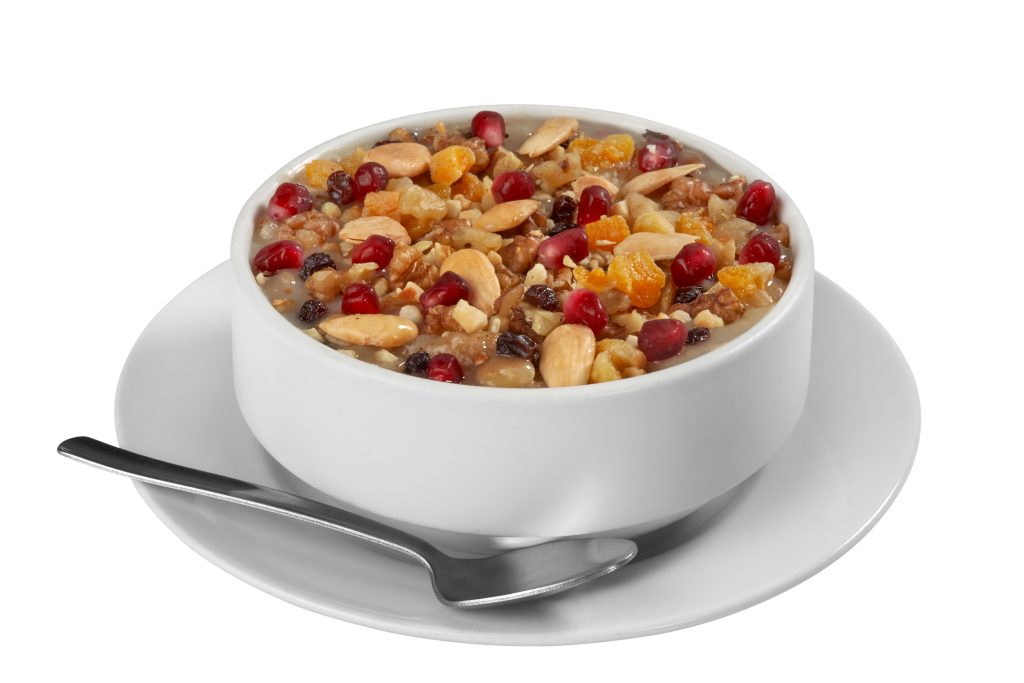
The cover photo of this post is a traditional Turkish dessert called aşure, and yes, there is a reason for that. But to find out, you’ll have to read the book yourself!
Already read it? Try another book from Türkiye!
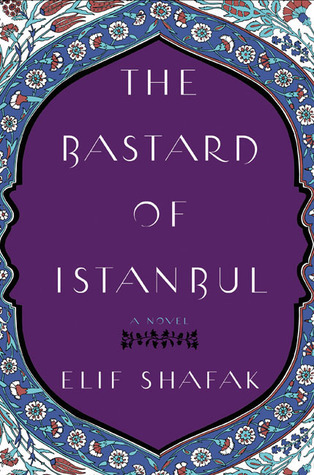
Elif Shafak has been on my TBR for a while. I had read many raving reviews of her books, and I went into The Bastard of Istanbul fully expecting it to be the highlight of this region. Maybe that’s why I’m left with a bit of frustration, because it didn’t quite claim that title for me.
I did enjoy it a great deal, though. It’s an ambitious, lively, sensual, thought-provoking, and often very engaging book. Following the publication of the novel in Turkey, Elif Shafak was accused by the Turkish government of “insulting Turkishness” and faced a potential multi-year prison sentence. The charges were later dropped, but the incident generated international concern.
The plot itself is gripping enough. The story moves between Istanbul, San Francisco, and Arizona, between a Turkish family steeped in secrets and superstition and an Armenian-American family shaped by inherited trauma.
Two teenage girls, Asya and Armanoush, end up at the centre of it all.
“Some among the Armenians in the diaspora would never want the Turks to recognise the genocide. If they do so, they’ll pull the rug out from under our feet and take away the strongest bond that unites us. Just like the Turks have been in the habit of denying their wrongdoing, the Armenians have been in the habit of savouring the cocoon of victimhood. Apparently, there are some old habits that need to be changed on both sides.”
To set the scene: Asya Kazancı is nineteen years old and does not know who her father is. She lives in a house in Istanbul amid a colourful cast of women: her mother, the aggressively rebellious Zehila; Zehila’s three sisters, all of whom Asya calls aunties; and her grandmother and great-grandmother.
The men of the Kazancı family are cursed and all die before middle age. The only surviving male is the brother Mustafa, who moved to Arizona as a young man and never came back. He is now stepfather to the other teenage girl, Armanoush. Her mother is American, and her biological father is Armenian and lives in San Francisco in a no less colourful family, including grandmother Shushan, who is a survivor of the Armenian genocide.
Are you still with me?
Armanoush is searching for her Armenian heritage and identity, and without telling her parents she flies to Istanbul to live with Asya’s family for a while. The two girls quickly bond like sisters, and their meeting slowly unearths a shared past neither family is fully prepared to face.
Asya likes Johnny Cash, calls herself a nihilist, and spends much of her time in Café Kundera, populated with nameless characters referred to only by labels such as the Non-Nationalist Scenarist of Ultranationalist Movies, the Dipsomaniac Cartoonist, the Closeted Gay Columnist, and the Exceptionally Untalented Poet. Each represents a particular ideological stance, contradiction, or tension within modern Turkish society, wrapped in alcoholism and self-loathing.
And this is where Shafak almost lost me. While I can see and appreciate how she has constructed Café Kundera as a compressed version of Turkey’s cultural and political debates, there are only so many times I can read “the Non-Nationalist Scenarist of Ultranationalist Movies” on a page before it becomes exasperating.
Armanoush, on the other hand, spends much of her time in an online chatroom for American Armenians, where Shafak gives us the Armenian perspective on everything. Here too, the characters talk around history rather than through it. They argue passionately and performatively, but nothing comes of it.
Where Shafak also almost lost me was in the relentlessly intellectual way the two nineteen-year-olds think and speak. It simply didn’t feel very believable to me. Teenagers, even clever ones, do not usually sound like this.
“It had just hit her why and how people could fall in love with Istanbul, in spite of all the sorrow it might cause them. It would not be easy to fall out of love with a city this heartbreakingly beautiful.”
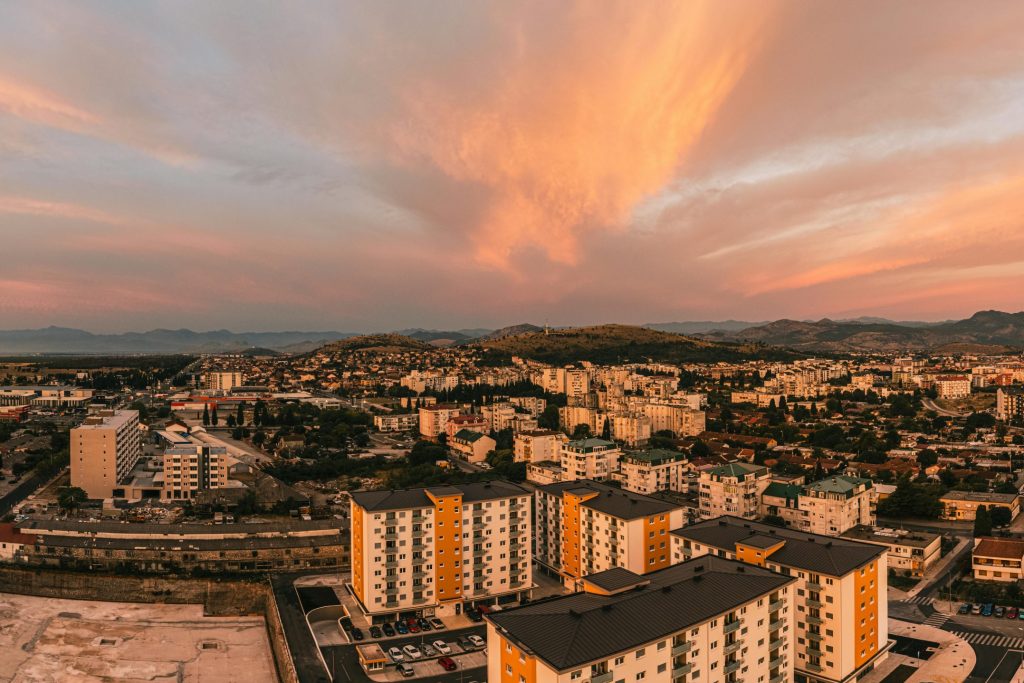
Where the novel really shines is in its sense of place. Shafak’s Istanbul is vivid, noisy, fragrant, and alive. Having been there myself, I loved how easily the city sprang back into existence on the page. I also loved the way Shafak uses magical realism. The most eccentric of the Kazancı aunts, Auntie Banu, is a clairvoyant who is in contact with two supernatural beings, djinn, who live on her shoulders. The way this device is used to reveal essential parts of the past for both the Turkish and the Armenian family is very cleverly done.
The food descriptions are also wonderful, and food plays a very important role in the novel. Chapter titles include “Cinnamon”, “Garbanzo Beans”, “Dried Apricots”, “Pomegranate Seeds”, and many more food-centred names. Each item plays a role in its chapter and often reappears as the story continues. I’m very tempted to tell you the name of the final chapter, but that would spoil too much, I’m afraid.
The final revelations of the book are dramatic and unsettling. I had partly seen the twist coming —I’d guessed the identity of the villain — but not his fate, which genuinely caught me off guard and gave me serious chills.
All in all, The Bastard of Istanbul is a book worth reading. It deals with memory and generational trauma, with Turkish and Armenian identity, and I like how Shafak offers no simple solutions to the historical dilemma, but insists on the importance of discussing it.