Roughly one in every four people on Earth lives in this part of the world.
That is a rather astonishing thought.
The Indian Subcontinent is home to around two billion people, hundreds of languages, countless religions, some of the world’s oldest continuous civilizations, and literary traditions stretching back thousands of years. It is a region of enormous diversity, impossible to summarise in a few paragraphs and probably impossible to understand fully even after a lifetime.
Which makes it an excellent place to continue this reading journey.
I’ve visited Nepal, trekking through the Himalayas back in the nineties, and over the years I’ve read quite a few novels set in India. But beyond that, much of this region remains unexplored territory for me. I’ve never read a book from Bangladesh, Pakistan, Bhutan, the Maldives or Sri Lanka, and I know embarrassingly little about most of them.
So where exactly are we going?
For the purposes of The Borderless Bookshelf, I’m using the geographical and historical concept of the Indian Subcontinent: India, Pakistan, Bangladesh, Nepal, Bhutan, Sri Lanka and the Maldives.
The region is framed by natural boundaries. The towering Himalayas separate it from Central and East Asia, while the Arabian Sea, the Indian Ocean and the Bay of Bengal surround it on three sides. Rivers flowing from the mountains have sustained some of humanity’s earliest civilizations, while the seasonal monsoon rains have shaped agriculture, trade and everyday life for thousands of years.
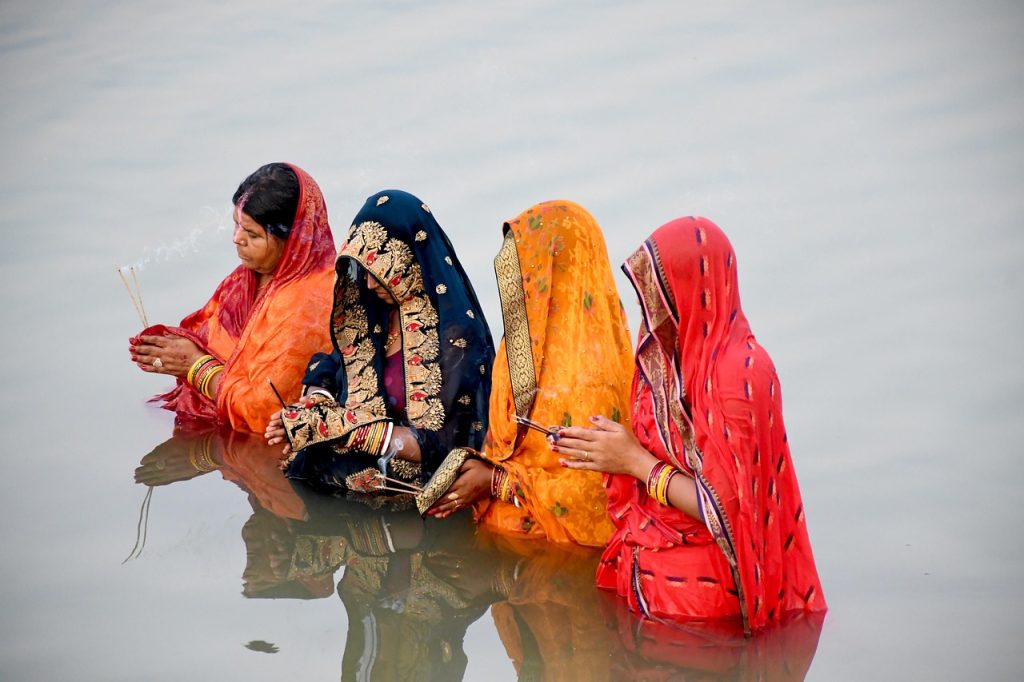
Culturally, these countries remain deeply interconnected despite modern borders. Religions, languages, cuisines, literature and music have crossed mountains and rivers for centuries. Hinduism, Buddhism, Sikhism and Jainism all originated here, while Islam later became deeply rooted across much of the region. Even today, many traditions, stories and family ties extend far beyond national boundaries.
Of course, history has also left its scars.
The partition of British India in 1947 created India and Pakistan and displaced millions of people in one of the largest forced migrations in history. Bangladesh later emerged from Pakistan after a bloody war of independence in 1971. The region continues to carry the weight of these events, and I suspect they will appear again and again in the books I choose.
But before diving into history through literature, let’s take a look at the countries we’ll be visiting over the coming weeks.
India
Well…
Where on earth do you even begin with India?
The world’s most populous country is less a single story than an entire library. Snow-covered Himalayan peaks, tropical beaches, vast deserts, megacities, dense forests and fertile plains all exist within its borders. It is home to more than twenty officially recognised languages and hundreds of others, making it one of the most linguistically diverse places on the planet.
Its literary tradition is equally immense. From ancient epics like the Mahabharata and the Ramayana to Salman Rushdie, Arundhati Roy, Vikram Seth and countless contemporary voices, India alone would offer enough books to occupy this project for years. Compiling a list of ten and choosing only one will be an exercise of restraint for a borderless bookworm!
I’ve already read several novels set in India over the years, but surprisingly few by Indian authors. That definitely feels like something worth correcting.
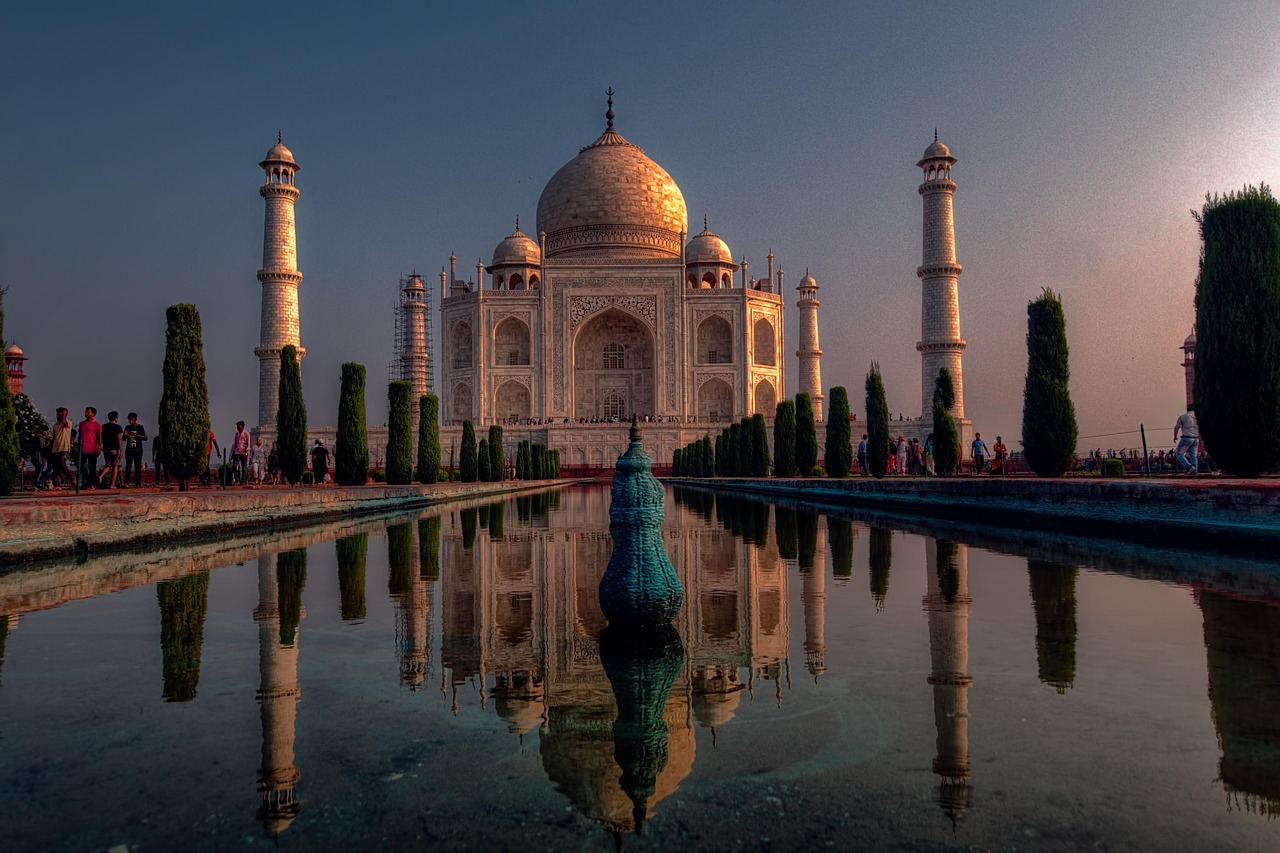
… and also here, because I could not stop …
Pakistan
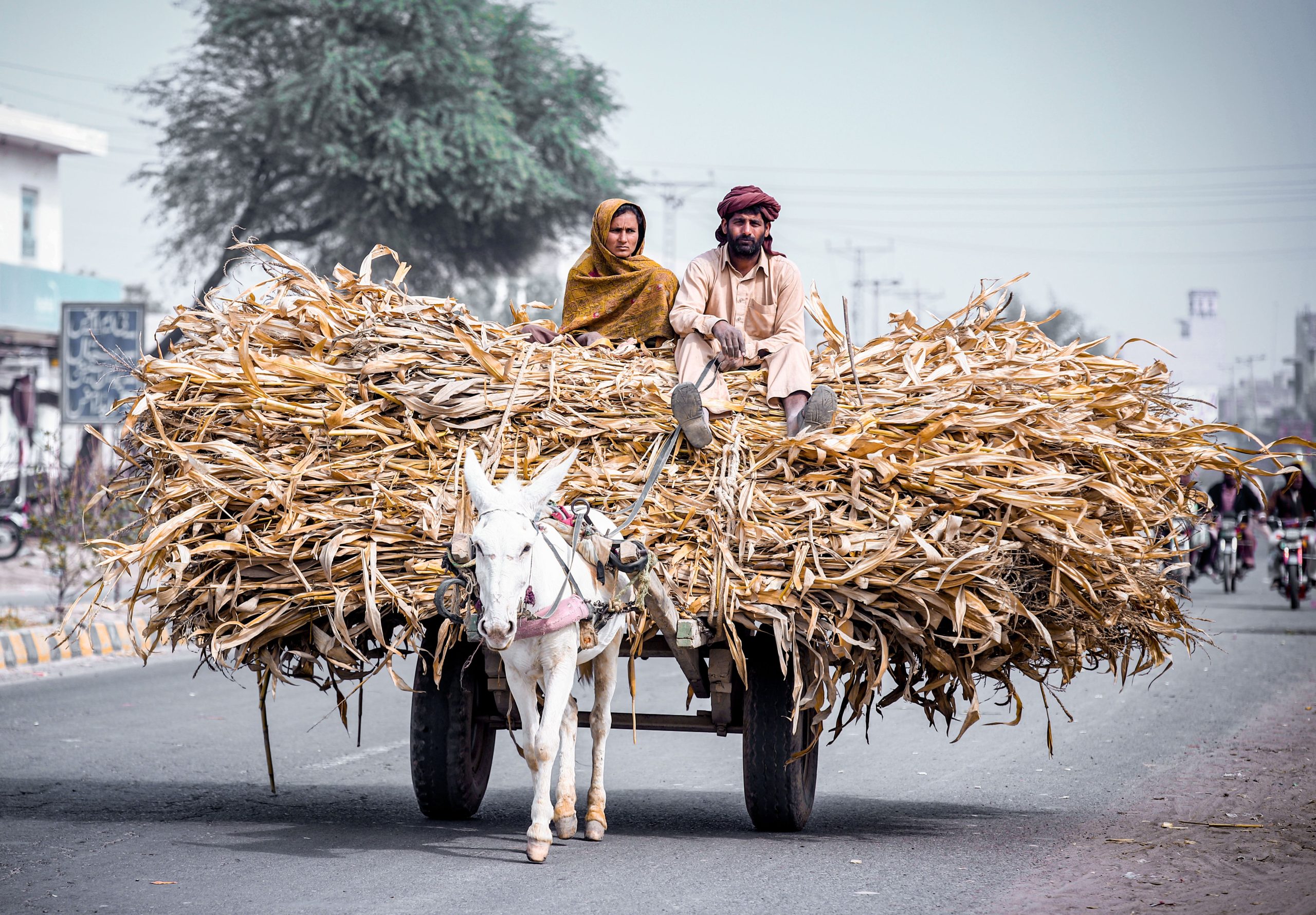
Pakistan was born in 1947 during the partition of British India, an event that continues to shape both its politics and its literature.
Stretching from the Arabian Sea to some of the highest mountains on Earth, it contains remarkable geographical variety. The mighty Indus River runs through the country from north to south, sustaining communities much as it has done for millennia. In fact, one of the world’s earliest urban civilizations, the Indus Valley Civilization, flourished here long before the pyramids of Egypt were built.
Modern Pakistan is often reduced to headlines about politics and security, but its literary tradition paints a much richer picture, exploring identity, family, migration, faith and the lingering consequences of partition.
Bangladesh
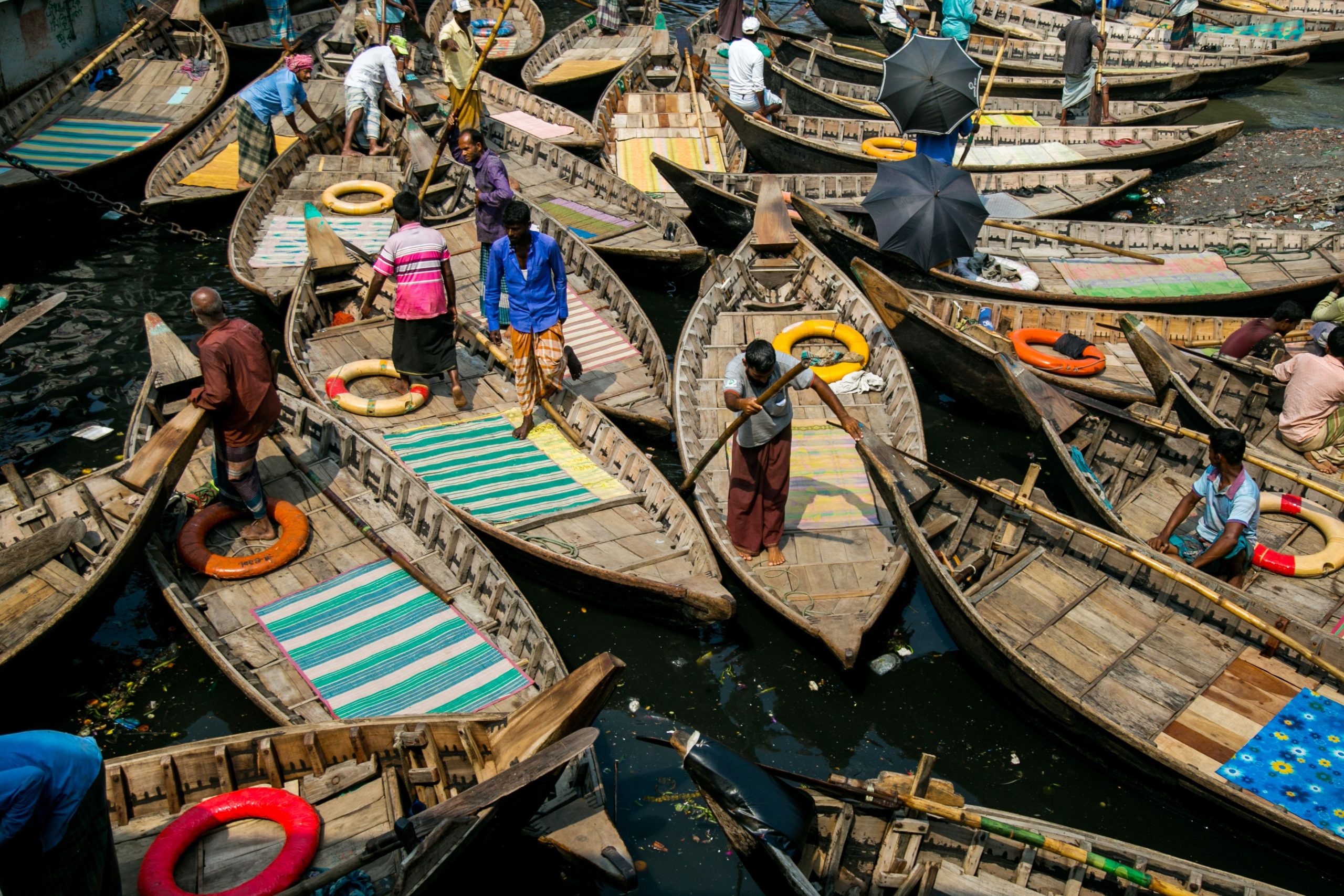
Bangladesh is one of the most densely populated countries on Earth, built on the vast delta where the Ganges, Brahmaputra and Meghna rivers finally reach the sea.
Water shapes almost every aspect of life here. Rivers create fertile farmland but also devastating floods, constantly reshaping both landscapes and livelihoods. It is a country where nature can be astonishingly generous and astonishingly destructive at the same time.
Bangladesh gained independence from Pakistan in 1971 after a brutal war, and questions of language and identity remain central to the country’s national story. Bengali literature, however, reaches much further back than that, with a rich poetic and literary tradition shared across today’s political borders.
Nepal
Nepal is the one country in this region I’ve actually experienced myself.
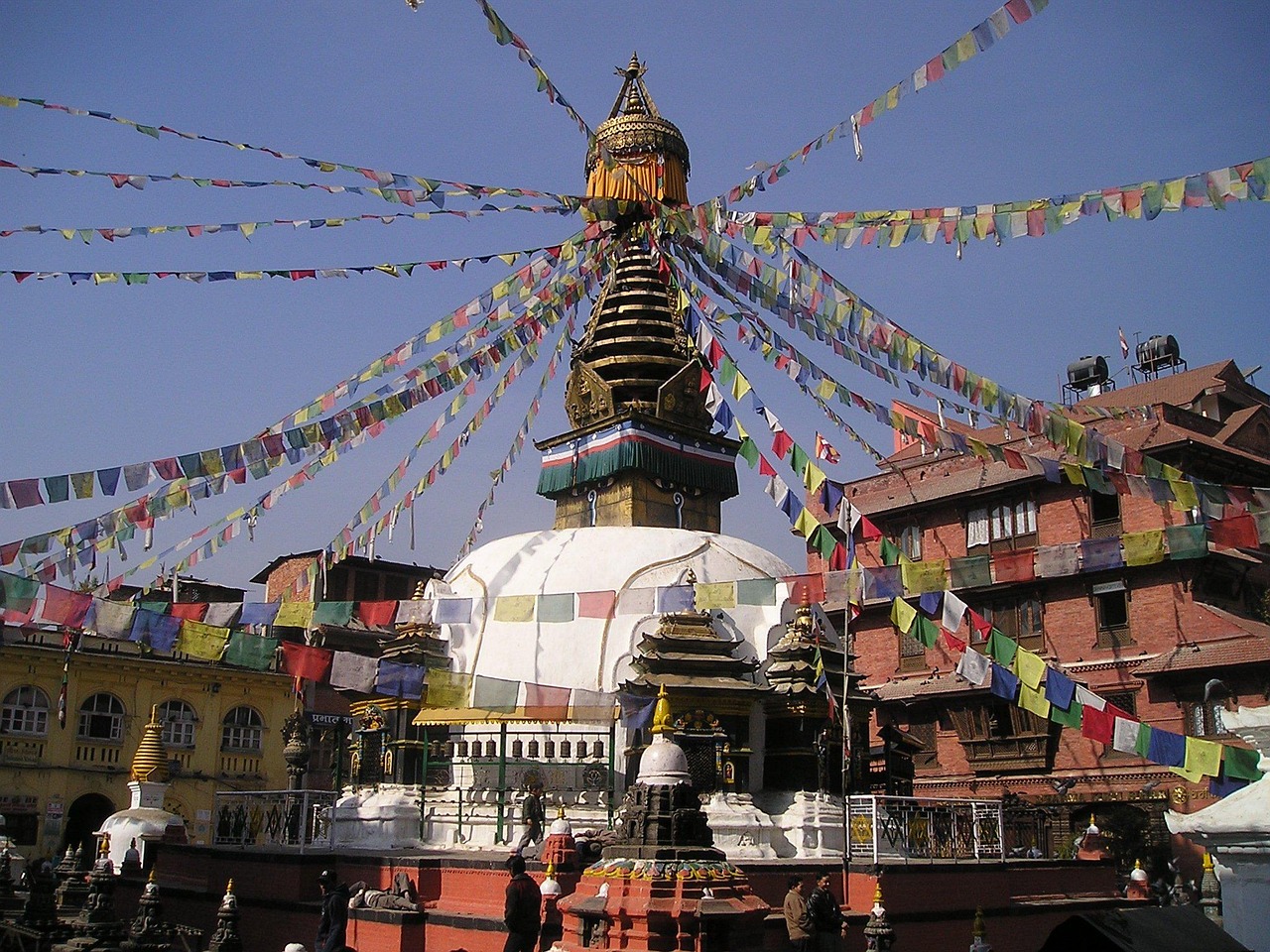
More than thirty years have passed since I spent several weeks trekking there with a backpack, crossing suspension bridges, climbing endless stone steps and waking to views of Himalayan peaks that almost didn’t seem real. It remains one of the most memorable journeys I’ve ever made.
Beyond the mountains lies a country with extraordinary cultural diversity. Nepal sits between two giants, India and China, yet has maintained its own distinct identity through centuries of shifting regional politics. It was also the birthplace of Siddhartha Gautama, the Buddha, making it one of the world’s great centres of Buddhist heritage.
Returning through literature feels a little like revisiting an old friend after a very long absence.
Bhutan
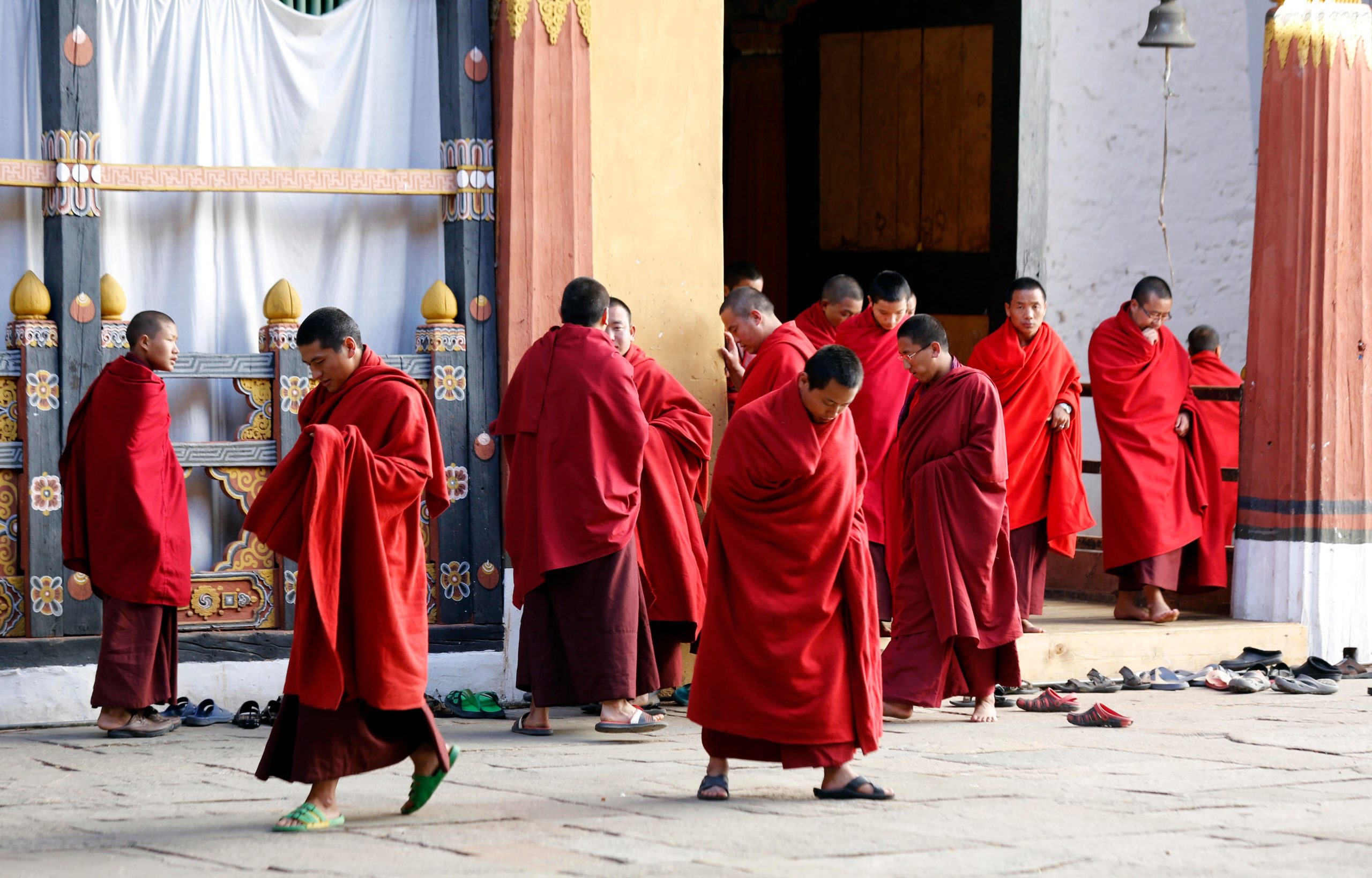
Bhutan often appears in newspaper articles as the country of Gross National Happiness.
While reality is naturally far more complicated than a single statistic, Bhutan has deliberately pursued a different path from many other nations, placing cultural preservation and environmental protection at the centre of national policy. More than seventy percent of the country remains covered by forest, and tourism is carefully managed to limit its impact.
Nestled high in the eastern Himalayas, Bhutan was largely isolated from the outside world until surprisingly recently. That relative isolation also means that translated Bhutanese literature is remarkably scarce, so finding books here may require a bit of detective work.
Which, admittedly, is half the fun of this project.
Sri Lanka
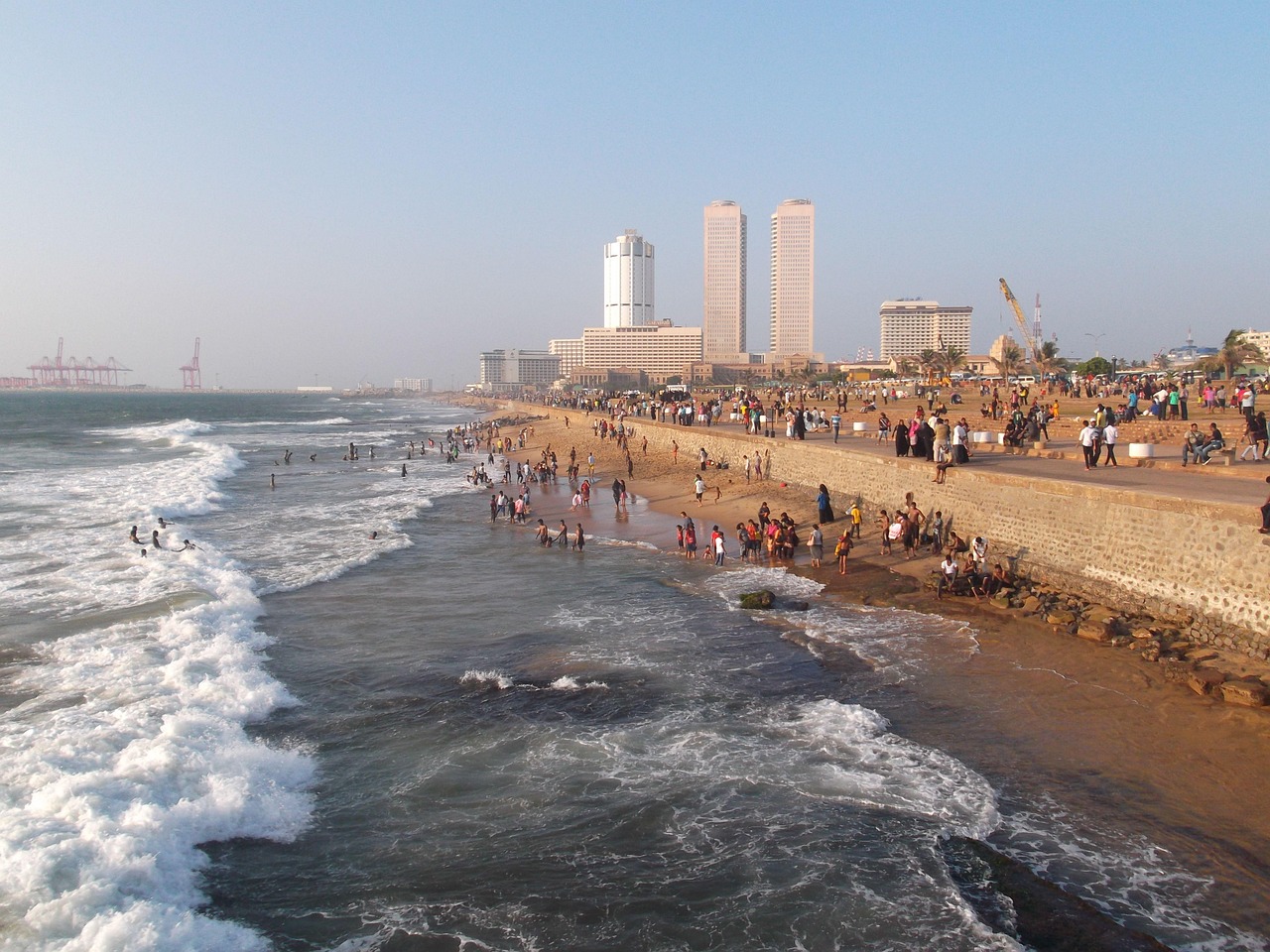
Just south of India lies Sri Lanka, an island whose history stretches back more than two thousand years.
For centuries it occupied a strategic position along the Indian Ocean trade routes, attracting merchants, colonisers and competing empires. Portuguese, Dutch and British rule all left lasting marks before independence arrived in 1948.
More recently, the country endured a devastating civil war lasting nearly three decades, a conflict that has shaped much of its contemporary literature. But Sri Lanka is also famous for tea plantations, ancient Buddhist sites, remarkable wildlife and a literary tradition that extends far beyond conflict.
From everything I’ve seen so far, this may well become one of the strongest literary countries in the region.
Maldives
And finally, the Maldives.
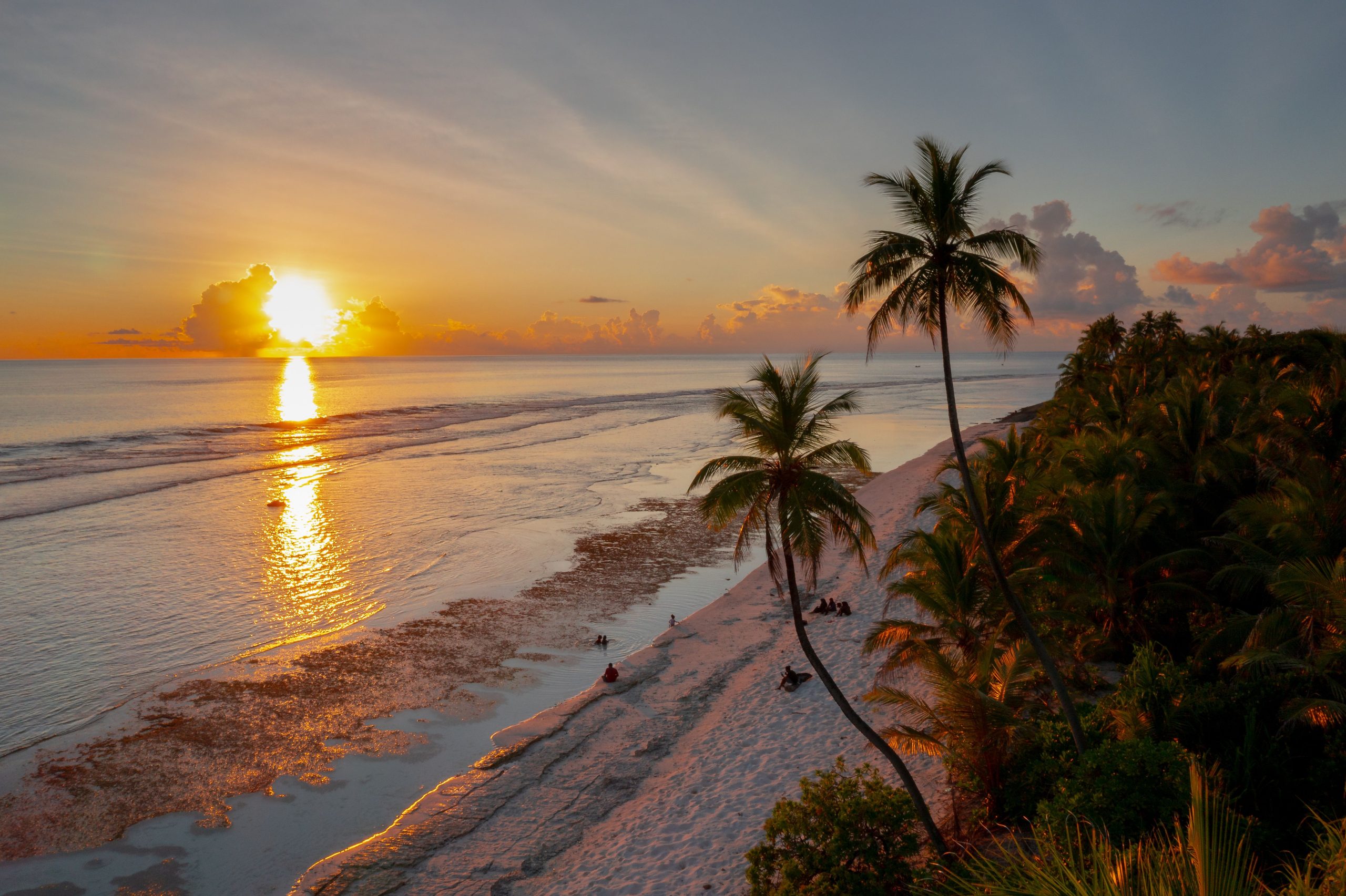
Most people probably picture turquoise lagoons, luxury resorts and overwater villas.
But behind those postcard images lies a country of nearly 1,200 coral islands scattered across the Indian Ocean, making it one of the world’s most geographically dispersed nations. It is also the lowest-lying country on Earth, giving climate change a very immediate and tangible meaning.
Unlike the rest of the region, literature from the Maldives is incredibly difficult to find in translation. I suspect this may become another Liechtenstein or San Marino situation, where simply locating a suitable book becomes part of the challenge.
Join me as I explore The Indian Subcontinent
Few parts of the world have influenced global history quite as profoundly as this one. Religions, mathematics, philosophy, trade, literature and migration have all radiated outward from these lands for thousands of years, while outside empires have repeatedly arrived by sea and mountain pass, leaving their own marks in return.
At the same time, this is one of the regions where national borders often feel younger than the cultures they divide. Languages, traditions and literary histories continue to flow across frontiers that are, historically speaking, remarkably recent.
Over the next seven weeks I’ll be compiling book lists and reading one book from each of these countries: India, Pakistan, Bangladesh, Nepal, Bhutan, Sri Lanka and the Maldives.
I have a feeling this may become one of the richest and most varied regions of the entire project.
If you have favourite authors, hidden gems or recommendations from this part of the world, I’d love to hear them!
The monsoon clouds are gathering …
Let’s see where the stories carry us.