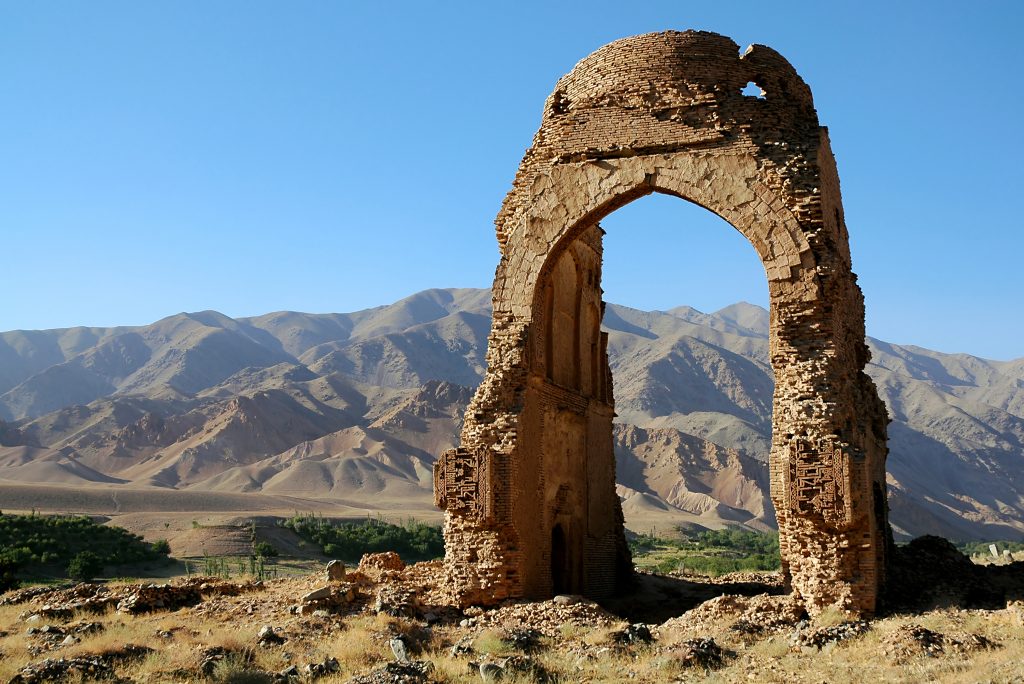
Ask someone to picture Afghanistan, and most people will mention women in blue burqas. Taliban fighters. Dusty mountains. American soldiers. Poppy fields and Kalashnikovs.
For a country most of us have never visited, Afghanistan occupies a surprisingly vivid place in the Western imagination.
But how much do we actually know about life there?
The books on this list definitely took me in directions I did not expect when I started looking. Into a working-class Kabul neighbourhood where a girl sells scorpions and a bonesetter reads poetry to his cat. Across Logar in pursuit of a runaway dog. Into the mountains and storytelling traditions of the Hazara people. Into family homes, carpet workshops and childhood memories, alongside the wars and political upheavals that are impossible to leave out.
So, beyond the burqas, the Taliban and the Afghanistan we think we know, here are ten books offering a few more ways in:
A list of books to read from Afghanistan
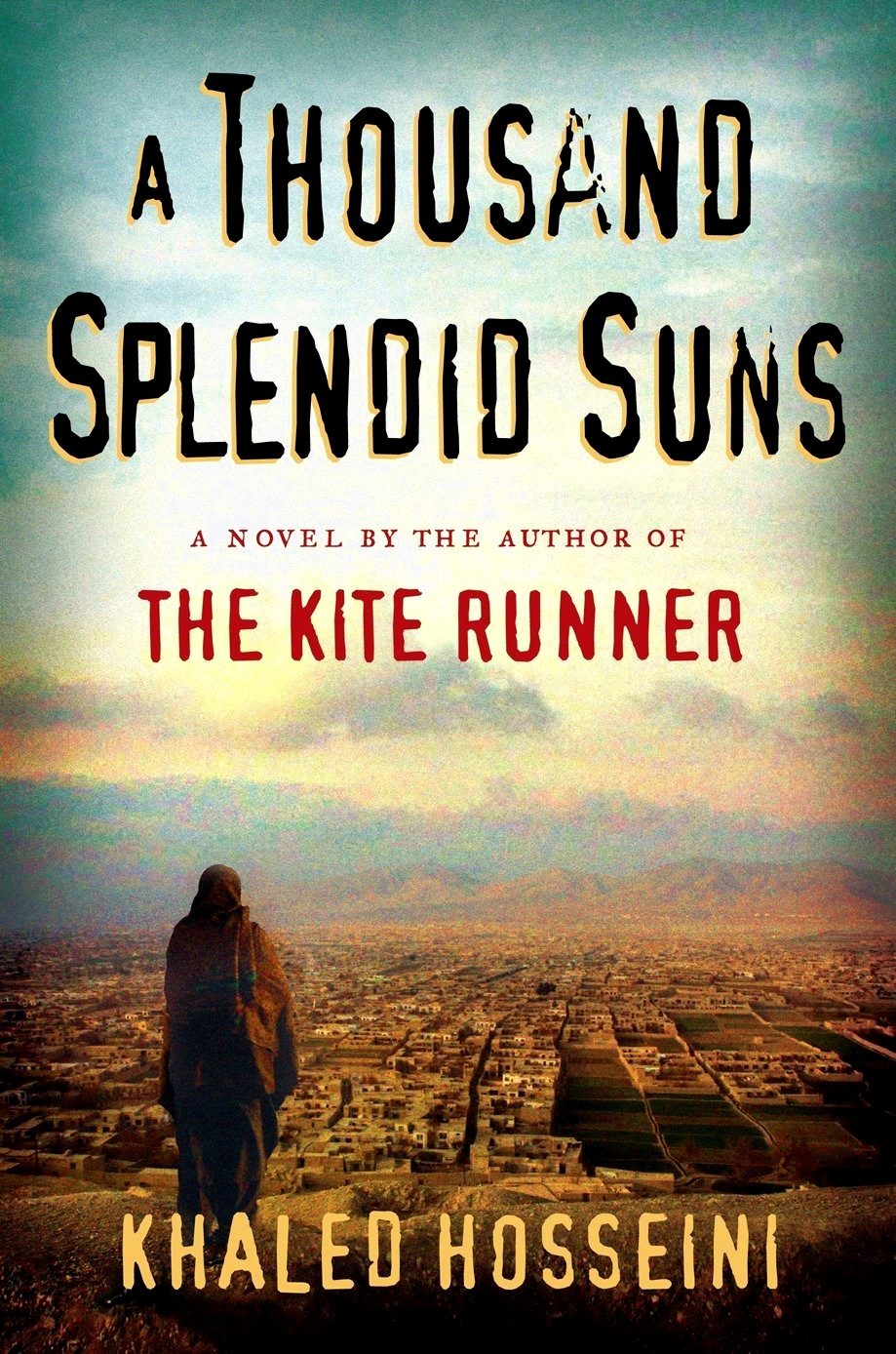
A Thousand Splendid Suns
Author: Khaled Hosseini
First published: 2007
Original title: A Thousand Splendid Suns
Genre: Historical Fiction
It was either this or The Kite Runner … And yes, I’ve read all of Khaled Hosseini’s books already, and in my humble opinion this is by far the best.
Beginning with Mariam’s childhood outside Herat and eventually bringing her life together with that of a younger woman, Laila, A Thousand Splendid Suns follows two women through some thirty years of Afghan history. Revolution, Soviet occupation, civil war and Taliban rule repeatedly reshape their lives, but at its heart this is a story about family, friendship and the relationship that develops between the two women.
Hosseini is easily the most internationally famous Afghan writer on this list, and there is a reason his novels have introduced millions of readers to Afghanistan. Its big, emotional, ocassionally unbearably gruesome, and very accessible family story also provides a broad route through the country’s recent history, making it a natural starting point for readers who want an immediate, immersive introduction.
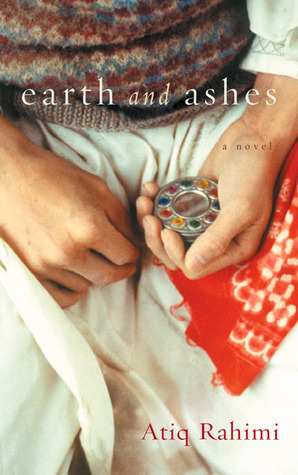
Earth and Ashes
Author: Atiq Rahimi
First published: 1999
Original title: Khâkestar-o-khâk
Genre: Literary Fiction / Novella
At barely a hundred pages, Earth and Ashes is one of the shortest books here. And perhaps one of the bleakest.
During the Soviet-Afghan war, Dastaguir is travelling with his young grandson Yassin to the mine where his son works. Their village has been bombed by the Soviet army, Yassin has been left deaf by the explosion, and Dastaguir must tell his son what has happened to the rest of their family.
Rahimi pares the story down to one journey and three generations of a family. Its concentrated form suits readers who would rather experience Afghan literature through a brief, intense encounter than a sprawling historical epic, while its very different approach offers a stark alternative to Hosseini.
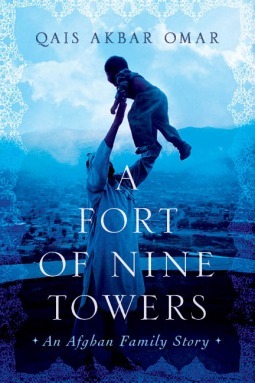
A Fort of Nine Towers
Author: Qais Akbar Omar
First published: 2013
Original title: A Fort of Nine Towers: An Afghan Family Story
Genre: Memoir
Qais Akbar Omar remembers a Kabul childhood of gardens, kites, cousins and a huge extended family. Then civil war reaches the city.
His family’s attempt to find safety takes them across Afghanistan, including a stay in the caves behind the Bamiyan Buddhas and time travelling with Kuchi nomads, before they eventually return to Kabul and face life under the Taliban. Carpet weaving becomes part of Omar’s story too – a skill that ultimately helps him survive.
The memoir contains plenty of horror, but it also remembers the Afghanistan that existed around it: family, storytelling, landscape, traditions and moments of beauty. Its journey across the country makes it especially valuable for readers who want a true story that moves beyond Kabul and shows how different places and communities experienced the conflict.
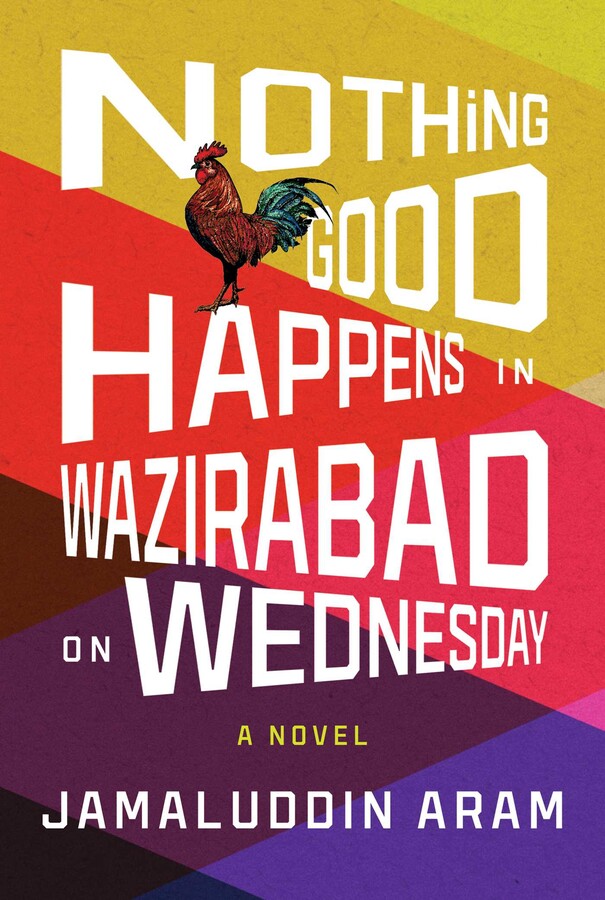
Nothing Good Happens in Wazirabad on Wednesday
Author: Jamaluddin Aram
First published: 2023
Original title: Nothing Good Happens in Wazirabad on Wednesday
Genre: Literary fiction
It is the early 1990s. The Soviet occupation has ended, civil war has begun – and in the working-class Kabul neighbourhood of Wazirabad, life continues anyway.
Fifteen-year-old Aziz worries about burglars. His sister Seema decorates kites with calligraphy and sells scorpions. Shopkeepers try to make a living, militiamen wait for the fighting to begin again, and the local bonesetter reads poetry to his cat. The neighbourhood is filled with rumours, dreams and the small dramas of people who still have ordinary lives even when history is behaving very badly around them.
That focus is exactly what makes this one intriguing. Rather than offering another sweeping account of Afghan war, it provides a close-up of a community, with everyday Kabul, a large cast of characters and a little absurdity alongside the darkness.
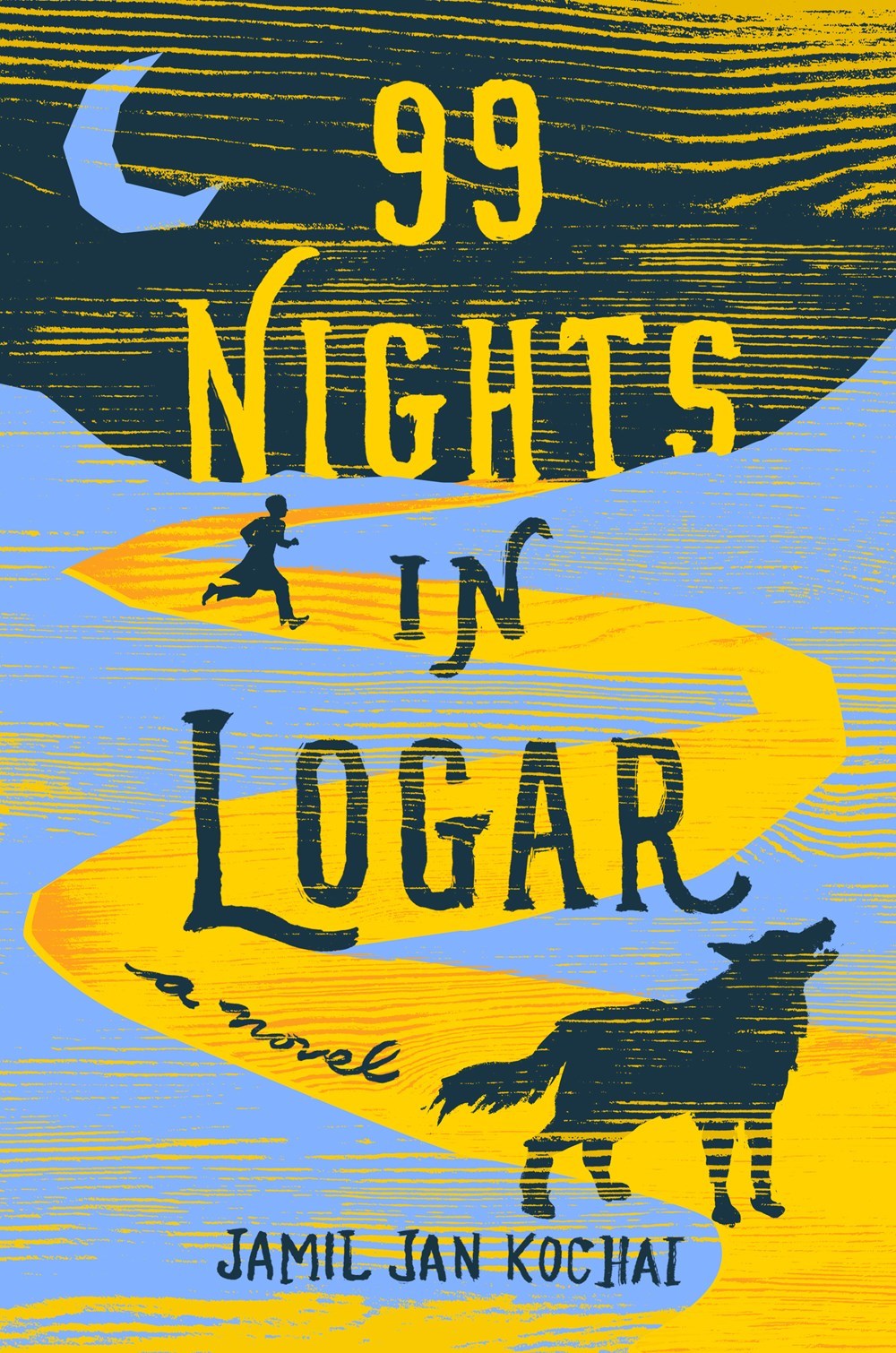
99 Nights in Logar
Author: Jamil Jan Kochai
First published: 2019
Original title: 99 Nights in Logar
Genre: Coming-of-age fiction
In 2005, twelve-year-old Marwand returns from America to spend the summer with his family in Logar. Then the family guard dog, Budabash, bites off the tip of Marwand’s finger and escapes.
Naturally, Marwand decides he has to find him.
The resulting search sends Marwand and his cousins across Logar through floods, family secrets, strange encounters and confrontations with American soldiers. Stories lead into other stories, and Afghan oral storytelling and folklore mingle with the adventures of a boy trying to understand a place that is both home and not quite home anymore.
There is war in the background, but Kochai also gives us mischief, humour and childhood adventure. Its unusual voice and comic, folkloric structure make it especially appealing to readers looking for an Afghanistan novel that sounds quite unlike the books usually recommended about the country.
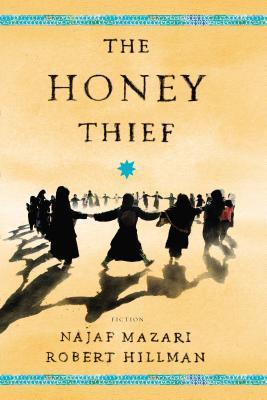
The Honey Thief
Author: Najaf Mazari and Robert Hillman
First published: 2011
Original title: The Honey Thief
Genre: Linked stories / folklore
The Honey Thief takes us into the mountains and the oral storytelling traditions of Afghanistan’s Hazara people.
Najaf Mazari, a Hazara refugee who eventually settled in Australia, told the stories to Australian writer Robert Hillman, who shaped them on the page before taking them back to Mazari. The result is a collection of interconnected tales drawing on myths, legends and stories of everyday life, filled with characters facing love, hardship, an unforgiving landscape and political oppression with ingenuity and humour.
This collection changes the view completely. Here Afghanistan is a place of storytellers and old tales as much as armies and governments, while its focus on Hazara culture offers a perspective that is largely absent from more familiar accounts.
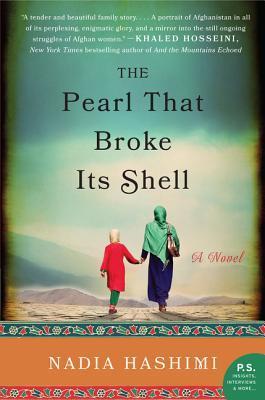
The Pearl That Broke Its Shell
Author: Nadia Hashimi
First published: 2014
Original title: The Pearl That Broke Its Shell
Genre: Historical fiction / family saga
In Kabul in 2007, Rahima lives with her sisters, a drug-addicted father and no brother. Her opportunities are severely restricted until her family turns to the Afghan tradition of bacha posh: Rahima dresses as a boy and is temporarily allowed the freedoms that come with being treated as a son.
But hers is not the first such story in the family.
A century earlier, Rahima’s great-great-grandmother Shekiba also lived as a boy after being orphaned. Hashimi moves between their two lives, separated by generations but connected by the ways each woman attempts to carve out some control over her own future.
The parallel timelines allow the novel to explore both Afghan history and the very different possibilities available to boys and girls. Its combination of family saga and historical fiction makes it a particularly strong route into Afghanistan for readers who prefer to understand a country through generations of one family.
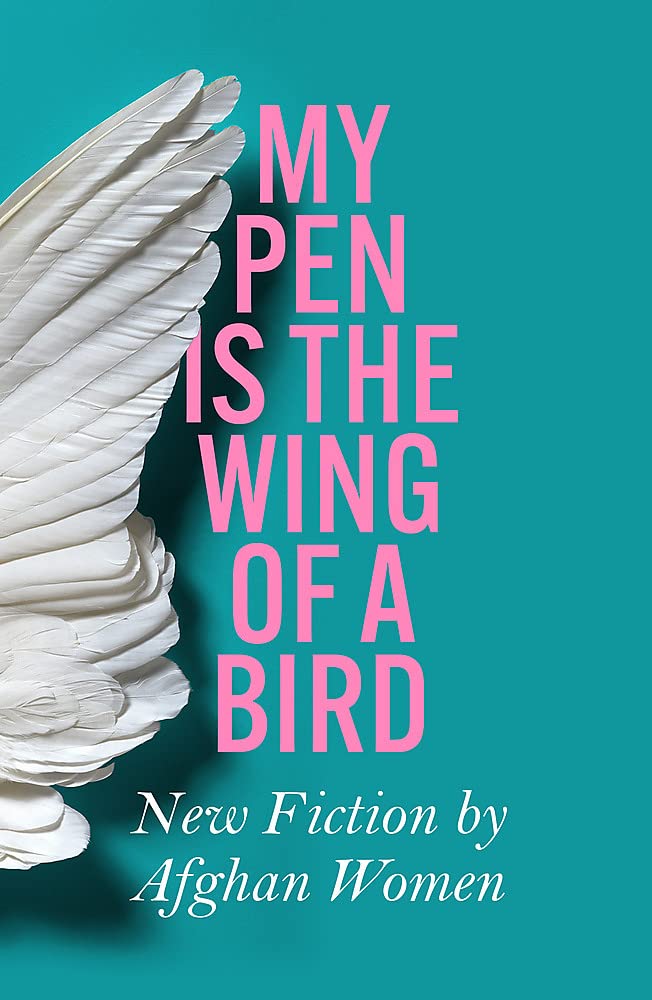
My Pen Is the Wing of a Bird: New Fiction by Afghan Women
Author: Eighteen Afghan women writers
First published: 2022
Original title: My Pen Is the Wing of a Bird: New Fiction by Afghan Women
Genre: Short stories
My Pen Is the Wing of a Bird was the first anthology of short fiction by Afghan women translated from Dari and Pashto into English. Its writers tell stories about family, work, childhood, friendship, gender, cultural traditions and war, with many of the contributors writing from Afghanistan itself.
That makes it particularly valuable on a list like this. Instead of asking one novel to somehow represent millions of Afghan women, we get a chorus of different voices and experiences. Readers interested in contemporary Afghan writers who have received far less international attention than Hosseini or Rahimi will find here a varied and revealing starting point.
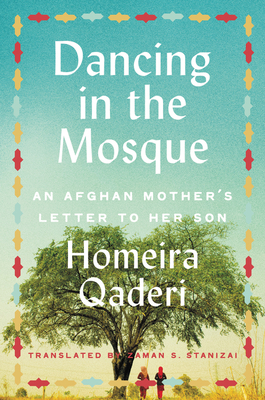
Dancing in the Mosque
Author: Homeira Qaderi
First published: 2020
Original title: Dancing in the Mosque: An Afghan Mother’s Letter to Her Son (written in Dari Persian, but first published in English translation)
Genre: Memoir
Homeira Qaderi writes this memoir to the son she was separated from after losing custody of him.
Her story begins long before that separation, taking us through a childhood in Herat under Soviet occupation and civil war, Taliban rule, education, writing and her determination to claim a life for herself in a society where women’s choices were repeatedly restricted. Qaderi had already published several books in Afghanistan and Iran before Dancing in the Mosque became her first book published in English.
The letter format makes the political intensely personal. It gives the memoir its particular force: this is not simply a book about Afghan women or the Taliban, but one woman’s attempt to explain to her child who she was, what she fought for and how they came to be separated.
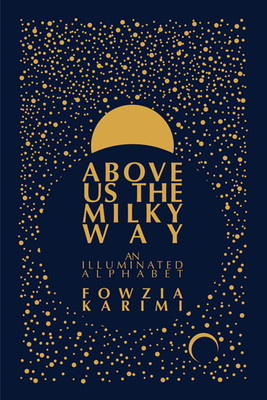
Above Us the Milky Way
Author: Fowzia Karimi
First published: 2020
Original title: Above Us the Milky Way: An Illuminated Alphabet
Genre: Experimental / Illustrated literary fiction
And finally, something completely different.
A young family flees a country devastated by war and begins again somewhere peaceful. Yet the place they left remains constantly present through memory, longing, news from home and the people who did not survive.
Fowzia Karimi, who was born in Kabul and left Afghanistan with her family after the Soviet invasion, tells the story through twenty-six alphabetically structured pieces. Photographs, ghost stories, fairytales and Karimi’s own watercolour illustrations sit alongside the text, blurring the boundaries between novel, family album and artwork.
Its unusual form makes it ideal for readers who are less interested in conventional historical fiction than in the emotional experience of displacement. Rather than explaining Afghanistan, it explores what happens when someone leaves a country physically but continues to carry it in memory.
Join me, and read a book from Afghanistan
It would be very easy to make a list of ten books about Afghanistan that consisted almost entirely of war, the Taliban and women suffering under oppression. Those stories are here because they are part of Afghanistan’s history and present. But they aren’t all that is here, and I have tried to do something else.
Because Afghanistan is also a child chasing a runaway dog through Logar. A bonesetter reading poetry to his cat in Kabul. Hazara folktales passed from one storyteller to another. Kites, carpets, scorpions, family arguments, neighbourhood gossip and memories of gardens that existed before the rockets came.
Perhaps that is the most useful thing these ten books can offer. Not a single alternative story of Afghanistan, but the reminder that there was never only one story in the first place.