I totally meant to post this in december, but life happened, and so you’re getting it now!
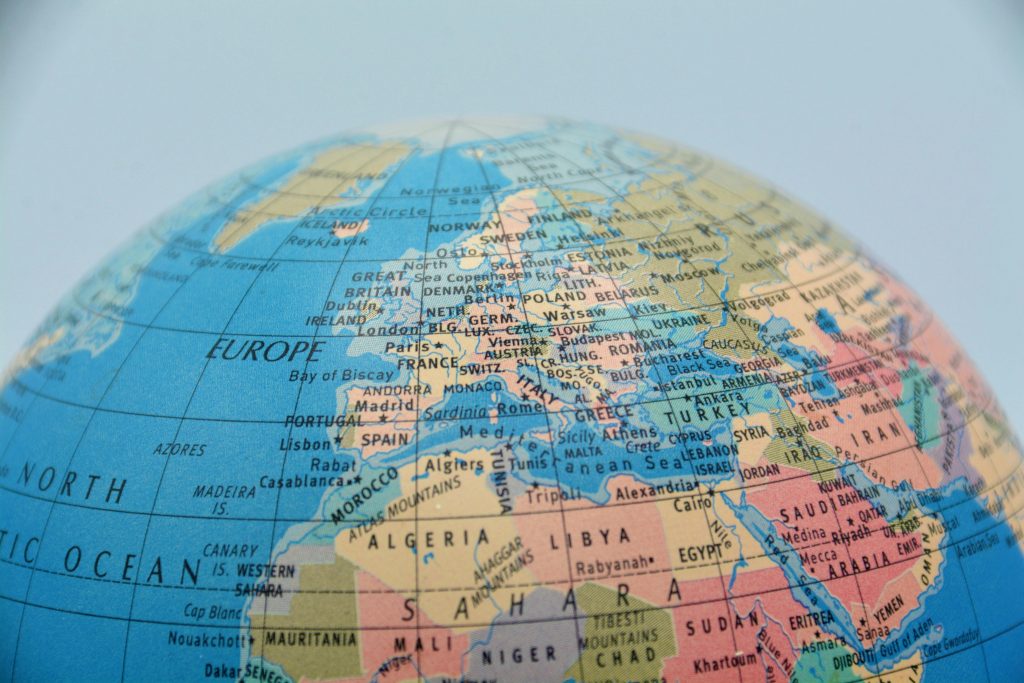
In 2025 I read a book from every single country in Europe, excluding the four that are partially in Asia, but including Cyprus, which is geographically in Asia, and also including Greenland, Svalbard, Faroe Islands and Gibraltar, which are technically not countries.
52 places. 52 books.
This post isn’t just a list of favorites, it is a look back at what a year of reading Europe actually felt like.
Scandinavia and the Islands of the north
I started out from my home in Denmark with a quirky and relatable characters in Mirror, Shoulder, signal, and then covered the rest of Scandinavia. Norway’s Out stealing horses gave me a story steeped in forests and loneliness, where feelings are big, but often not spoken out loud, and Sweden’s Stolen gave me an interesting glimpse into the life of the Samí culture.
My favourite from the region was a total surprise: Finland’s Fishing for the Little Pike was everything I didn’t know I needed: joyfully bizarre, and full of magical creatures. It taught me that Finnish folklore is very much alive, and absolutely not afraid to bite. And that I need to read more Finnish weird!
From there I drifted northward to the islands scattered across icy seas: the Faroes, Iceland, Greenland, and all the way up to Svalbard. The literature of the North felt shaped by weather: harsh, beautiful, solitary.
Iceland’s Karitas, untitled were full of strong women, who have stayed with me, Faroe’s classic Barbara was the highlight I didn’t ecpect to like as much as I did, and Greenland’s Homo Sapienne was the first real disappointment of the project for me.
Reading Christiane Ritter’s A Woman in the Polar Night was a revelation. Her year in a tiny trapper’s hut, surrounded by glaciers and the shifting moods of Arctic light, moved me far more than I expected it to, and reminded me that darkness and light can shape not only landscapes but entire states of mind.
The British Isles
In the British Isles each book left its own distinct trace. Ireland gave me the beautifully maddening experience of Normal People. A frustrating, utterly compelling portrait of two people who cannot communicate yet cannot let each other go. Northern Ireland dropped me into the tension and tragedy of 1970s Belfast, where Trespasses gripped me not for its romance, which was slightly icky, but for its vivid sense of threat and the unforgettable fate of young Davey’s family.
Scotland was my only re-read of the year in the form of Eleanor Oliphant Is Completely Fine, which continues to be one of my favourite books of all time.
Wales pulled me into eerie uncertainty with The Owl Service, a strange, disorienting tale where Welsh myth, class tension, and folk horror twisted together in ways I didn’t fully understand but couldn’t look away from.
And England offered the perfect finale with the classic I somehow managed to never read before: Daphne Maurier’s Rebecca. An atmospheric, haunting, and masterfully written, a slow-burning psychological masterpiece that wrapped up my journey with English elegance and a lingering chill.
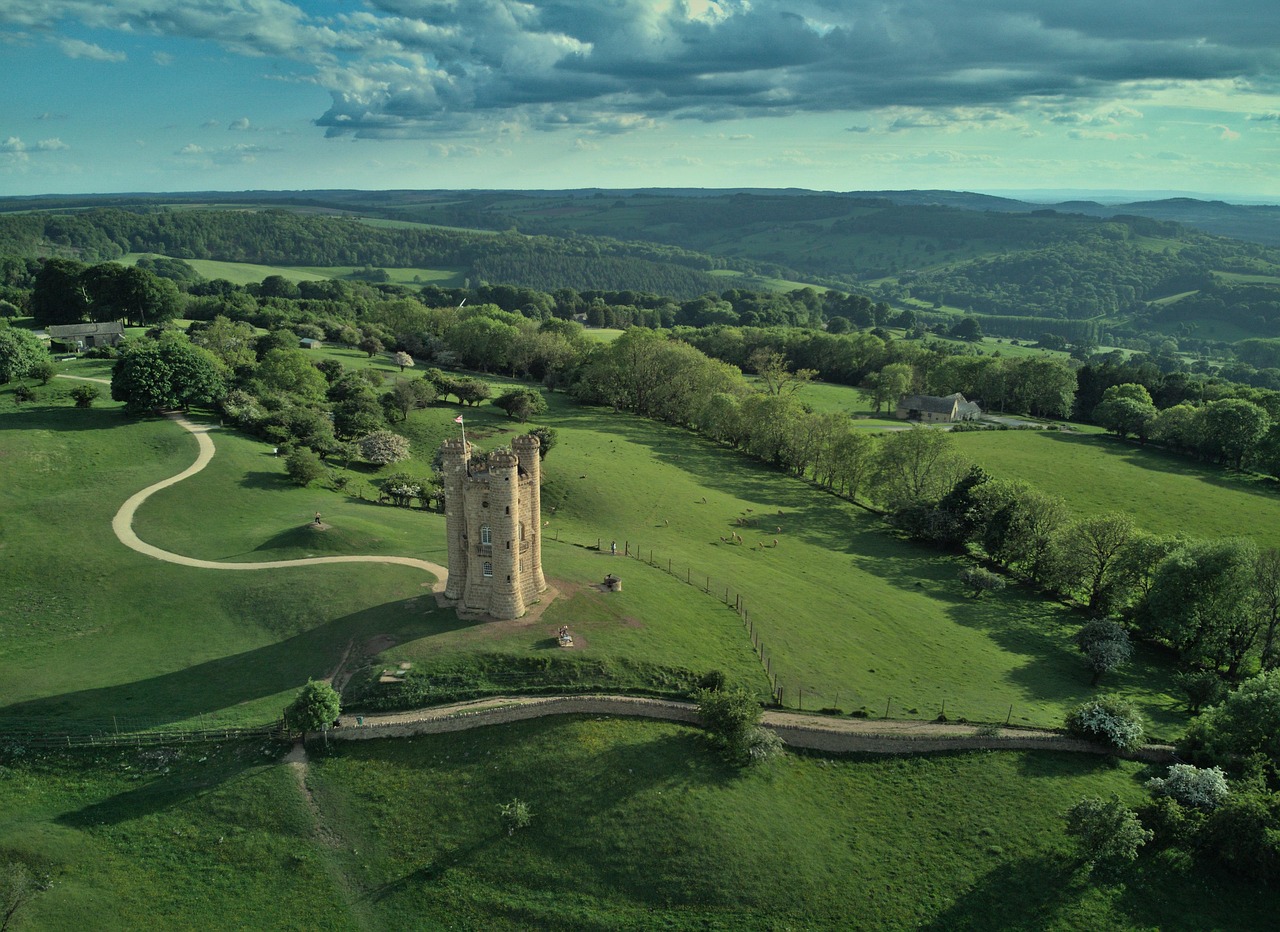
Germanic and Western Europe
Moving into the Germanic countries, in Germany I found About People, a Corona-novel with a friendly neighborhood Nazi, who severely challenged my moral compass and made me desperately want to read more from this author. I also found a quiet tale from A whole life lived in the mountains of Austria, and endless frustration scratching my head over the incomprehensible Dust, which was the only short story I could uncover by a native Liechtensteiner.
The joyous surprise in this region was Switzerland’s Elefant. The story of a pink genetically engineered elephant and a homeless alcoholic, but beneath it: a tender meditation on idealism, greed, and the human longing to protect something small and luminous. And a wealth of anatomical knowledge about elephants that I neither expected nor asked for …
The rest of Western Europe offered me a blend of sentiment and sharpness: books full of emotional complexity, refined melancholy, and more than a little absurdity.
France easily stole my heart with Fresh Water for Flowers, a luminous novel that broke me and healed me in the same breath. But Luxembourg gave France unexpected competition with the delightfully absurdThe Pleasure of Drowning, a cheeky, wickedly inventive collection of twisted fairy tales that packed an enormous imaginative punch.
The region also gave me depressing Dutch humor in The evenings, which I did not get at all, a chance to read the Belgian feminist dystopia everyone was raving about on Instagram: I who have never known men, and a book claiming to be Monaco cool, which I only managed to tolerate because it was from Monaco, and the only alternative was royal gossip …
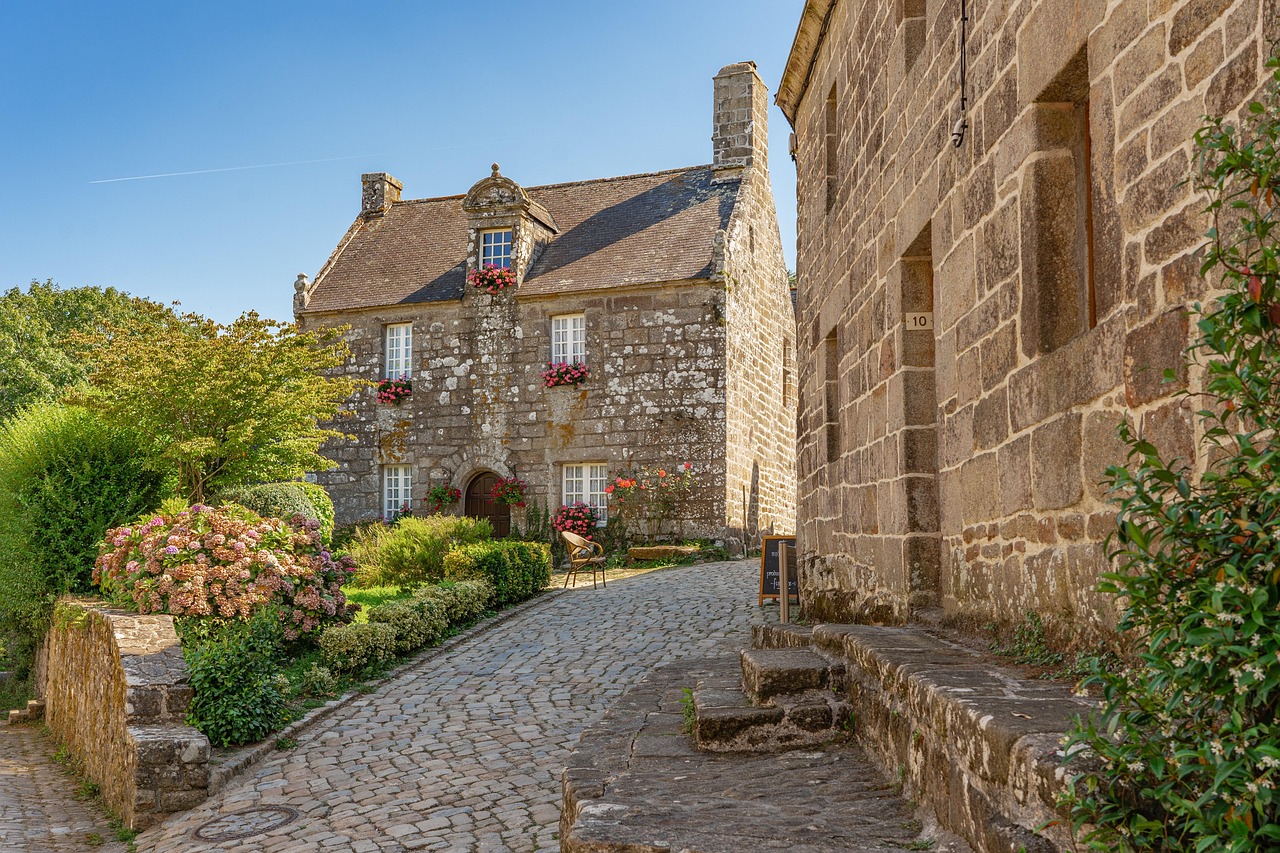
Southern Europe
On the other side of the European mountain ranges, I found more surprises, and some surprising disappointments.
To start with the latter I went in already loving several novels from Italy and Spain, and was very sad to find that the books I chose this time: Homeland and The children’s train did not really live up to my expectations. But even if they did not turn out to be new favourites, they did teach me a lot about historical periods in time of which I knew nothing before. And for this I am thankful.
For Portugal I chose Saramago’s famous dystopia, Blindness, and though I can’t say I enjoyed the obsessive wallowing in filth and excrement, I am happy to finally have crossed it off my TBR.
The real surprise for me in this region was Andorra’s The Phaeton Project, which I chose mainly because it was written by the only native Andorran author in existence. But its chaotic mix of science fiction, myth, religion and philosophical musings, was a wild ride and unexpectedly ended up being my favourite from the region.
But also Jonathan Gallardo from Gibraltar, and Conclave, which I chose for the Vatican, because the real Conclave was taking place at the time, were very rewarding reads, a charming short story from San Marino delighted me by its mere existence, and In the name of the father from Malta was sadly completely forgettable. I actually did forget it in the first draft of this post. I might revisit Malta, when I find a way to get the book I want shipped to Denmark
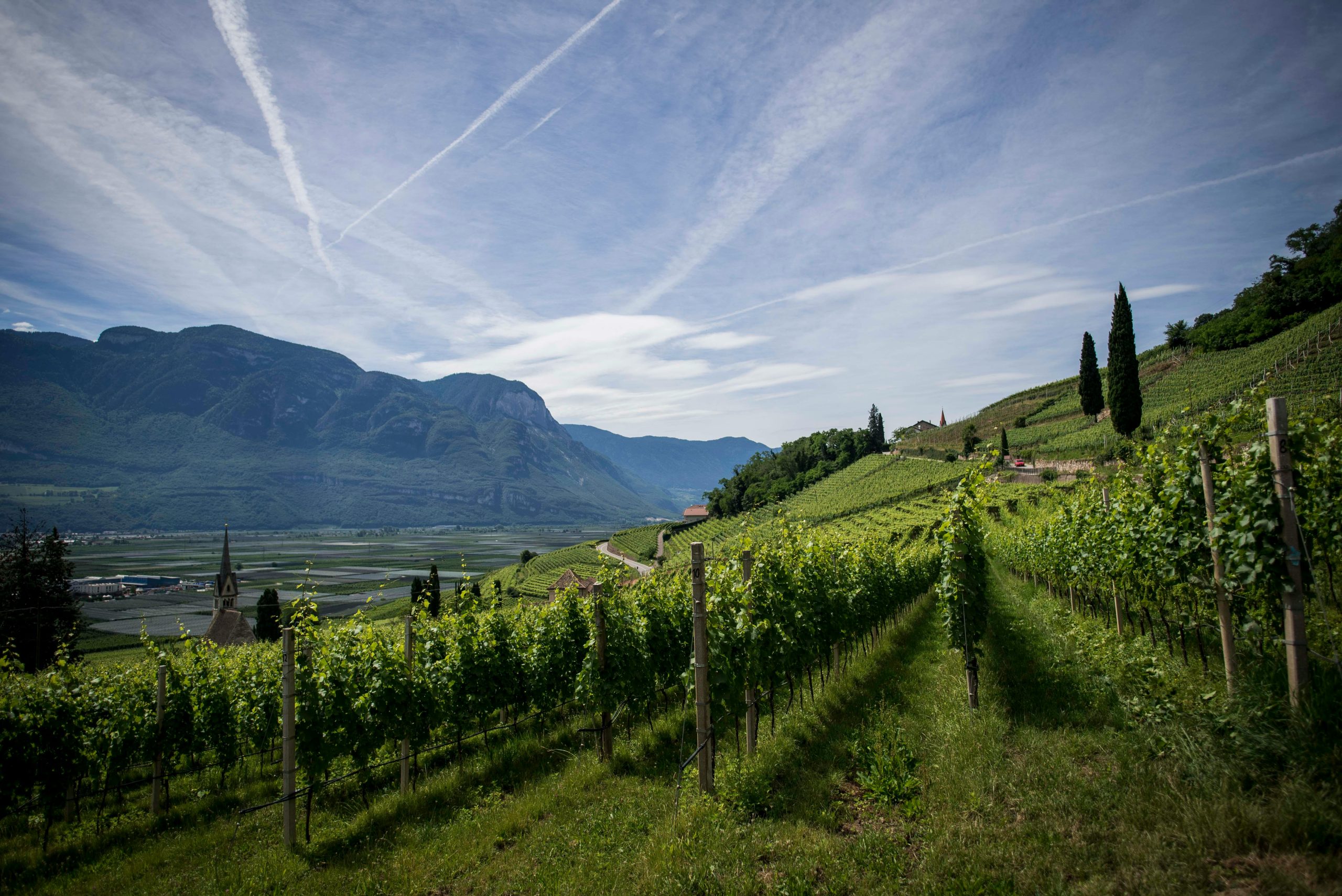
Central Europe
In Central Europe, my reading journey became truly intense.
The Czech classic The Good Soldier Švejk was a strange outlier here with its fun satirical chaos, but the three books that followed moved in a very different register.
Poland, Hungary, and Slovakia each gave me a female character who refused to leave me alone. The eccentric, infuriating and oddly perceptive Janina in Poland’s Drive Your Plow Over the Bones of the Dead. The formidable and almost frightening Emerence in Hungary’s The Door, and finally Jarka in Slovakia’s Boat Number Five, who broke my heart completely: the abused and neglected child trying to assemble a family out of sheer longing.
Not easy reads, those. They were uncomfortable, morally ambiguous, and often painful to sit with. But they are all written with such precision and emotional honesty that choosing a single favourite from this region feels impossible. These are the books I still think about while doing the dishes on a random Tuesday.
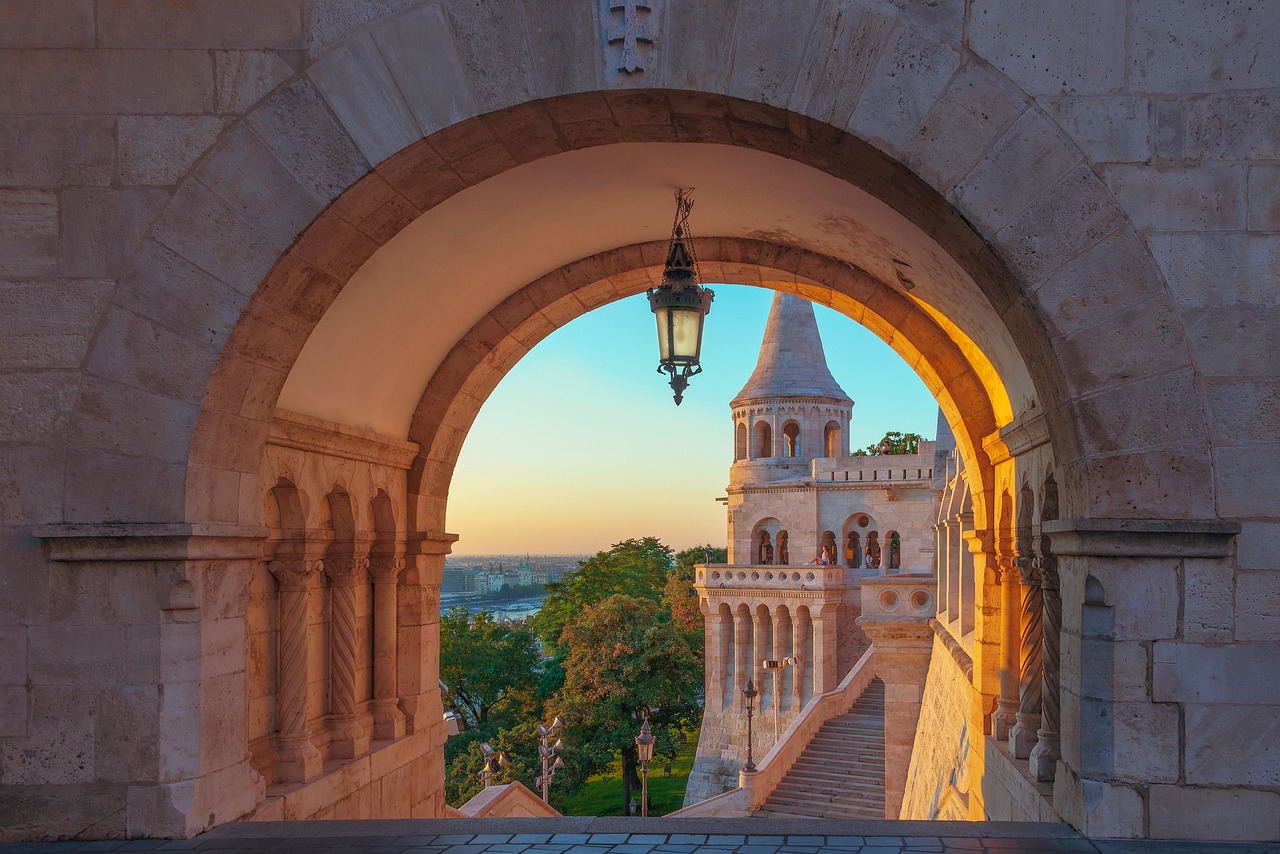
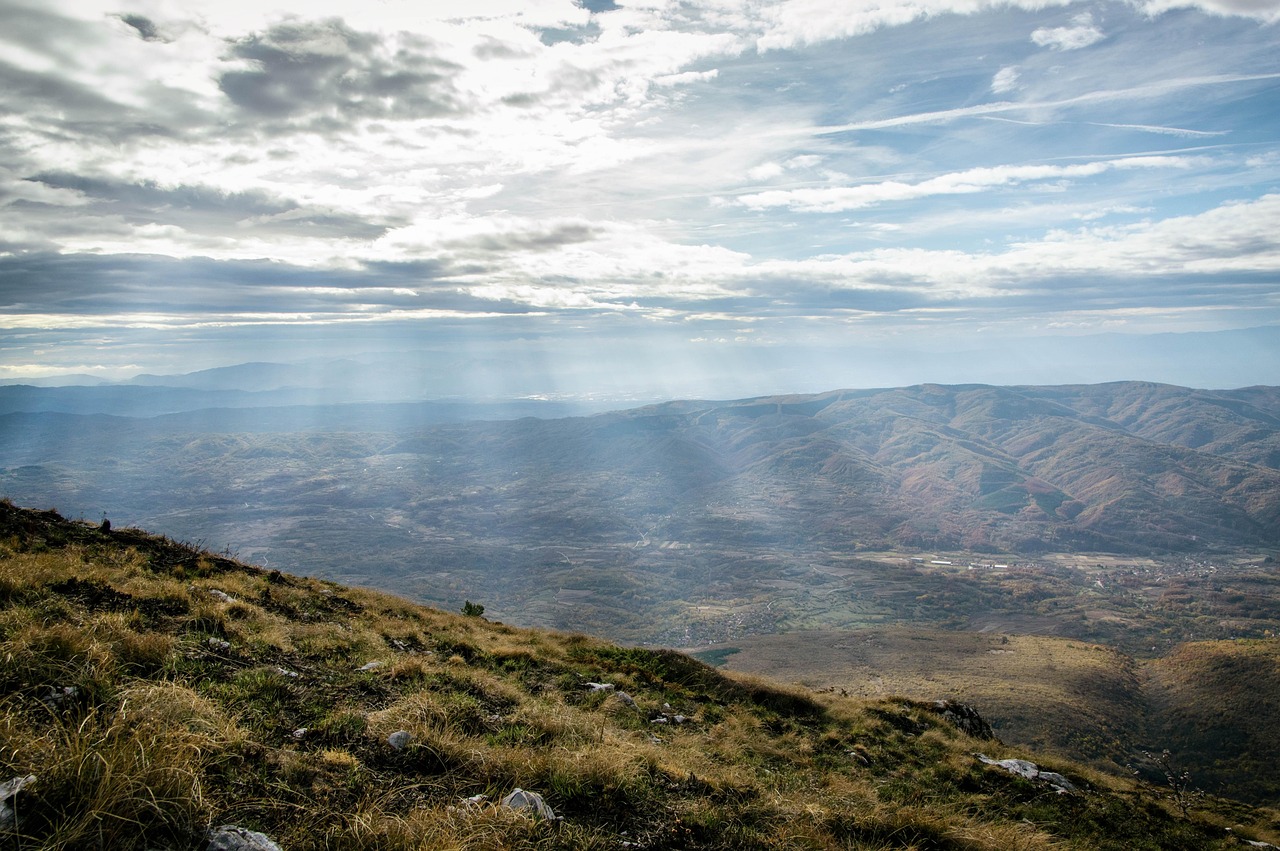
Post-Yugoslav countries
Honestly, this was one of the heaviest stretches of my reading year, and the first time I sometimes felt a bit weighed down by the whole thing.
Not everything worked for me here. Catherine the great and the small, and A Spare life from Montenegro and North Macedonia respectively, were books that I respected more than loved. And the unique structure of Serbia’s Dictionary of the Khazars left me completely confused.
Slovenia gave me one of the quiet masterpieces of the year with I Saw Her That Night, a novel that built its power out of absence and restraint. Bosnia’s Catch the Rabbit circled the war without naming it, turning instead to friendship, memory, and the impossibility of returning to your past. Croatia’s No-Signal Area captured the strange limbo of the post-socialist years with biting humour and a deep sadness underneath.
But without comparison the highlight of this region for me was Kosovo’s Bolla. The lyrical, and almost unbearably devastating tale of a doomed love between two men, a Serb and an Albanian, was a book that drove me to tears more than once. I dreaded picking it up and couldn’t stop reading. This is another author I absolutely must revisit at some point.
Balkans and South-Eastern Europe
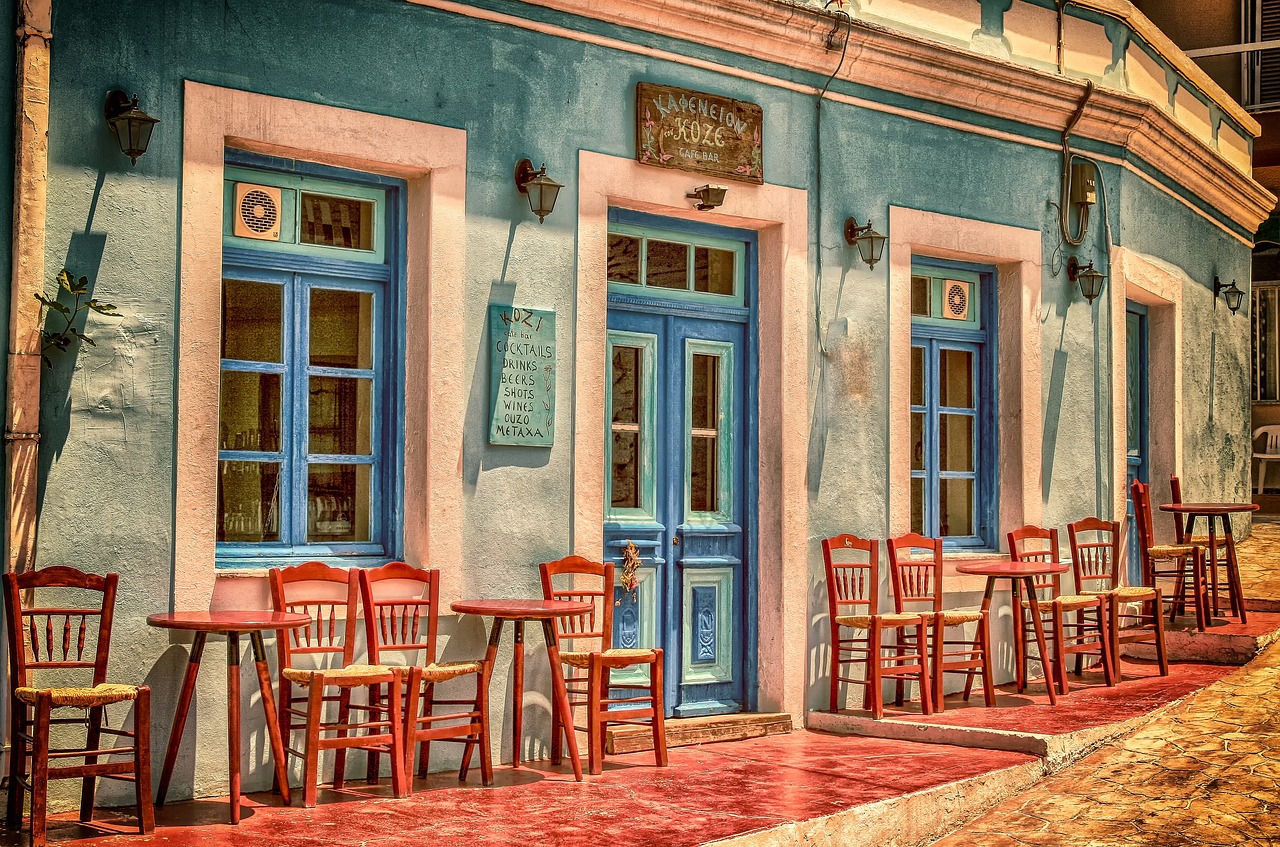
This stretch of my journey felt still wilder and much less predictable.
Albania set the tone with the dystopianThe Palace of Dreams, a suffocating political nightmare that unfolded like an anxiety dream you can’t wake up from. Romania surprised me completely with a magical and fast-paced historical fantasy inThe Book of Perilous Dishes.
Bulgaria delivered what might be my biggest disappointment of the year withThe Physics of Sorrow, a book I so desperately wanted to love but never quite found my way into.
For Greece I revelled and rejoiced in the classic, exuberant, and life-affirming Zorba the Greek, which is deeply problematic by today’s standards, but totally makes you want to move to Crete, drink wine, and dance barefoot in the mountains.
And in Cyprus, the country that is not actually geographically in Europe, I found the book that broke me completely. A Watermelon, a Fish and a Bible was tender, brutal, and overwhelmingly beautiful, and it soared right into my personal top five, not just of this project, but of all time.
Baltics and Eastern Europe
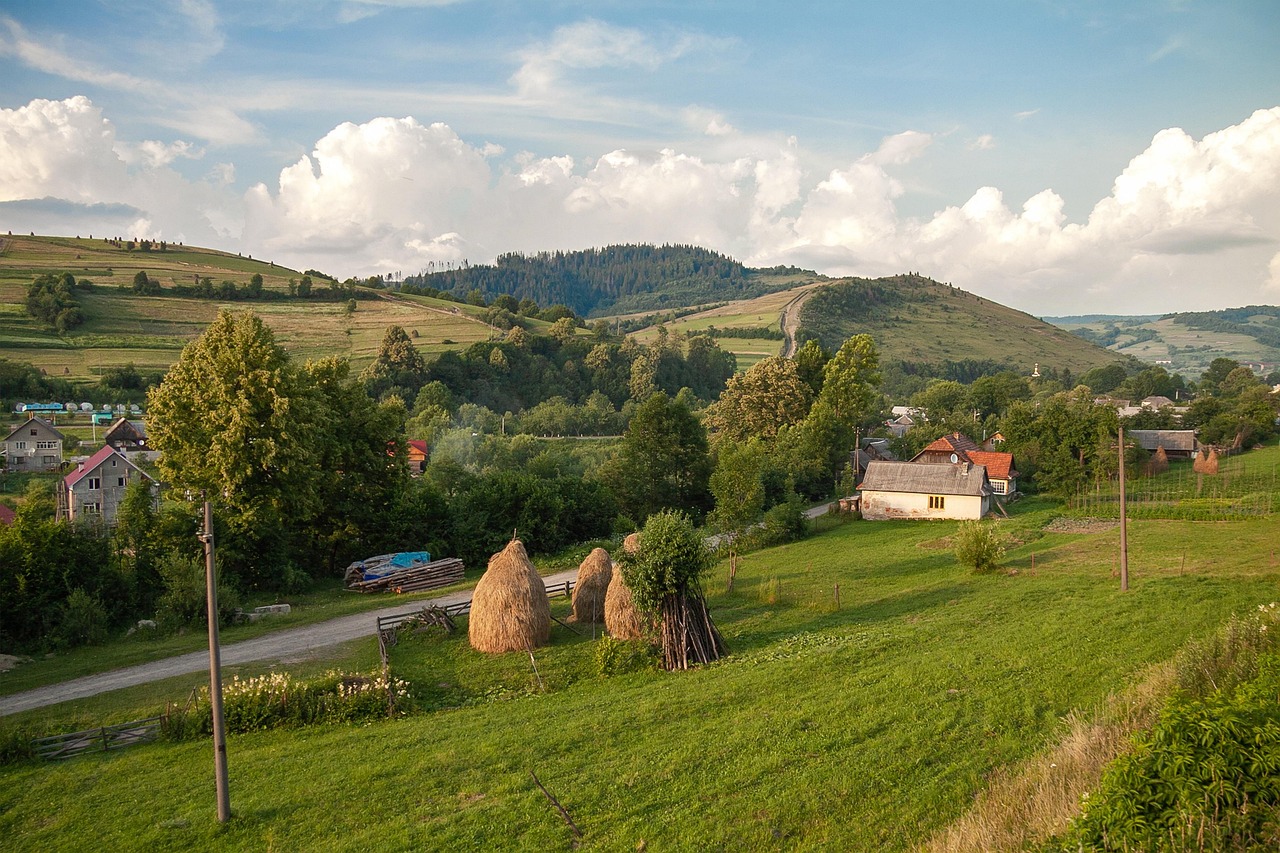
The final regions of Europe gave me some of the starkest contrasts of the year.
Estonia’s The Man Who Spoke Snakish was grotesque, funny, violent, and deeply sad all at once. Latvia’s Soviet Milk crept up on me slowly, then settled in with a weight I hadn’t anticipated. Lithuania took me back to the immediate postwar years with In the Shadow of Wolves, uncovering a piece of history I had never encountered before, even if I never fully connected with that one emotionally.
I picked the book from Belarus on a whim, and it completely unexpectedly became the shining highlight of the region for me. Down Among the Fishes was chaotic, absurd and wildly entertaining. It just kept on escalating until I stopped trying to predict it and simply went along for the crazy ride.
Ukraine was one of the hardest books of the entire project. I felt I couldn’t read across Europe without reading about the ongoing war in Ukraine, and The Orphanage was entirely as brutal as I feared it might be. Cold, relentless, and excruciatingly vivid, but also somehow one of the most poetic books of the year.
And finally Moldova took absurdity to the max with The Good Life Elsewhere, which left me staring at the wall when I finished, unsure what I had just read.
So, what did Europe give me?
Some of these stories were beautiful. Some were exhausting. A few broke me completely. There were huge disappointments, wild joyous surprises, and characters who will stay with me forever,
Overall, I am really happy with how I chose to approach this reading project: Reading regionally instead of alphabetically or randomly. Reading this way gave me a deeper understanding of the regions I passed through. I learned so many new things about the continent I call mine.
It also sometimes forced me to stay longer than comfort allowed. I sat with with books that disappointed me, unsettled me, or refused to open up at all. Some rewarded that patience, others didn’t, and that, too, became part of the experience.
Borderless Bookshelf started as a structure, almost a constraint, but over time it became a way of paying attention: to voices I didn’t know, histories I hadn’t learned, and the quiet differences in how stories take shape across borders.
Europe now feels like a landscape I’ve walked through slowly, carrying certain books with me as I go. Even though I came accross several authors I will certainly come back to in the future, and have a wealth of books on my European book lists I also want to read, I am now moving on.
And as the map shifts eastward, I’m not looking for a fresh start so much as a continuation. I’ll strive to keep on with the same attentiveness, the same willingness to be surprised, confused, moved, or undone. Asia is waiting for me with its own climates, its own rhythms, its own stories, and I’m stepping into it with everything this year of reading has already taught me.
If you have followed me through Europe, inspired to start a reading journey of your own, or even just picked up a single one of the books I have raved about, I would love to hear it.
The bookshelf is borderless.
The journey continues.
And I hope you’ll come along.